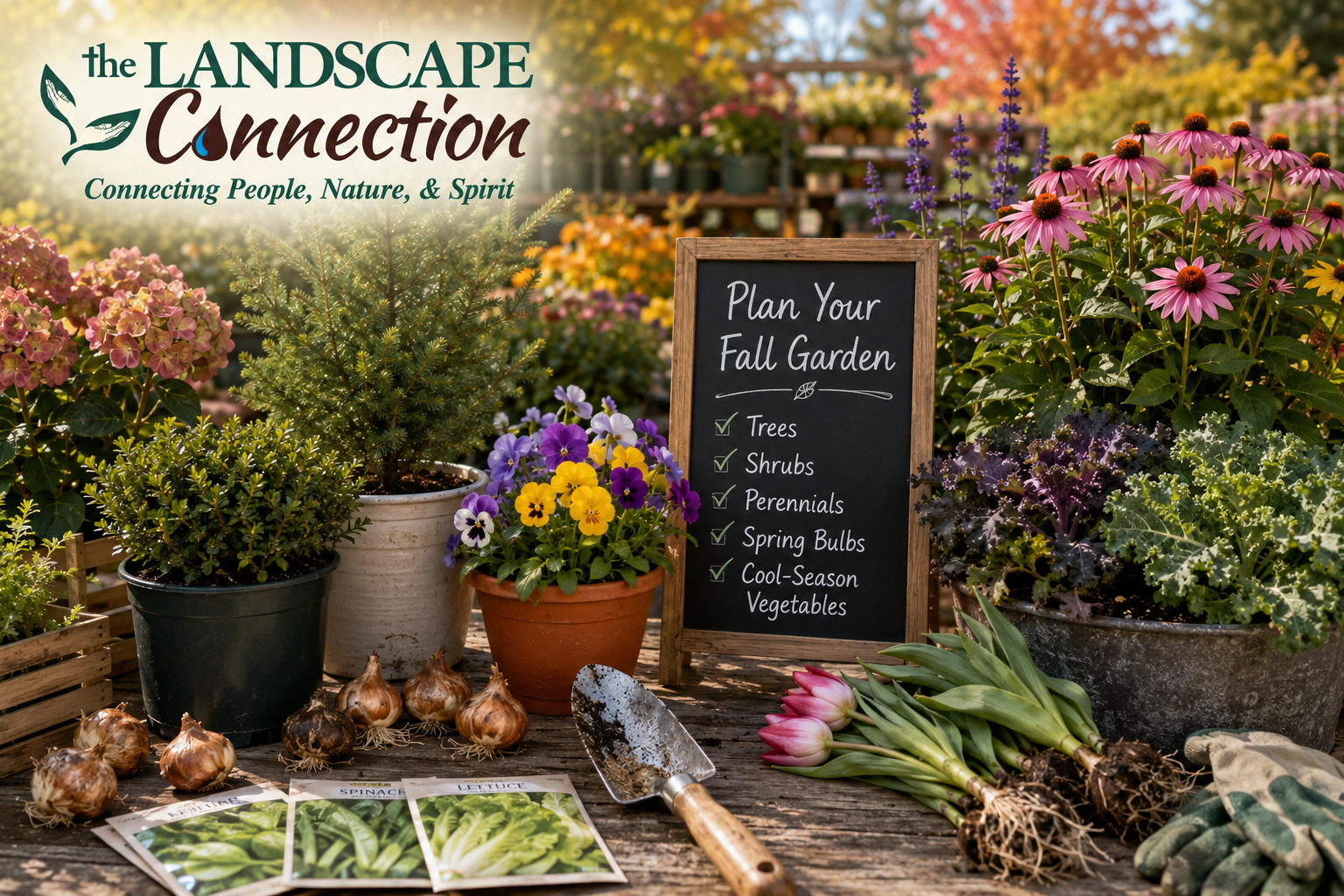
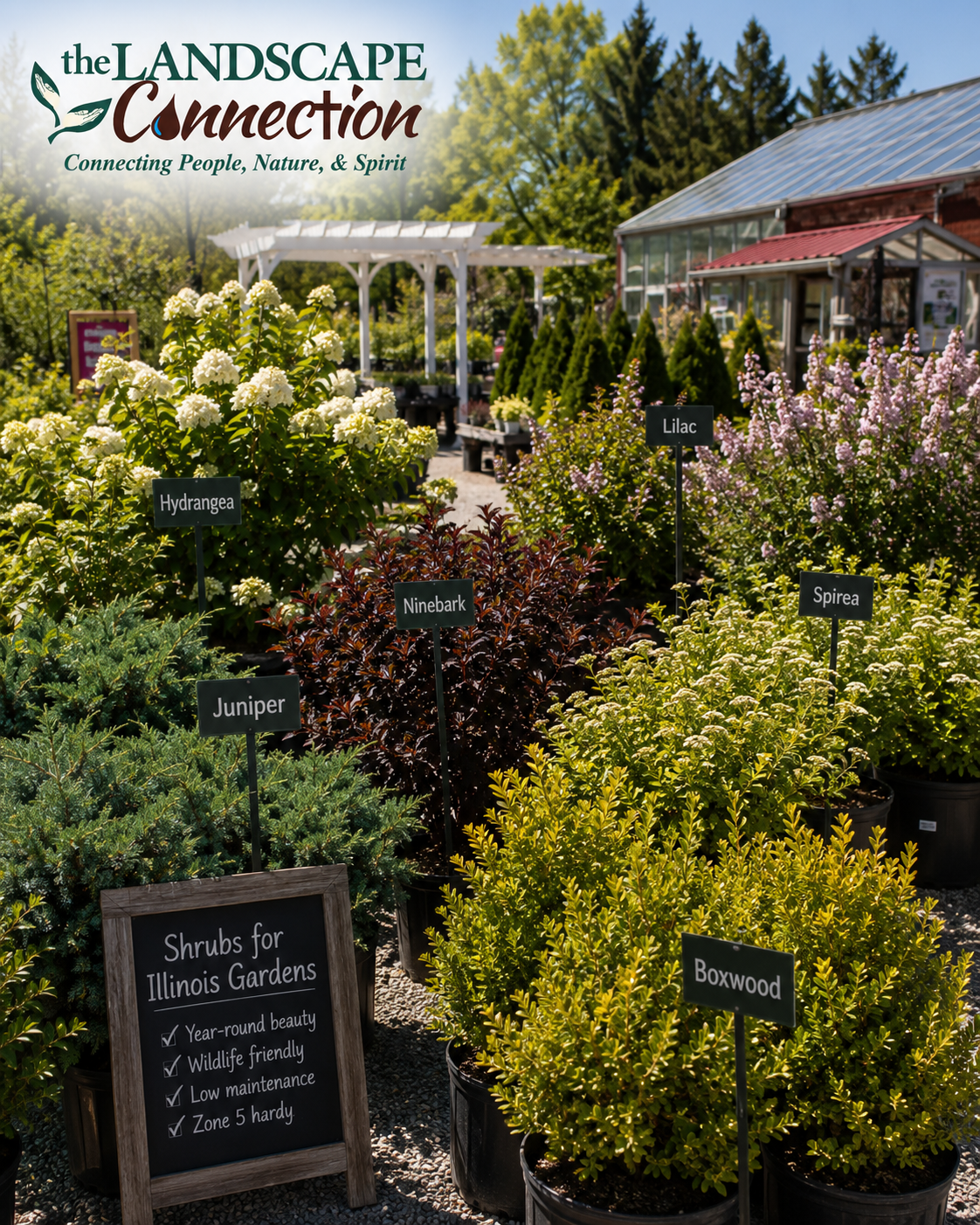
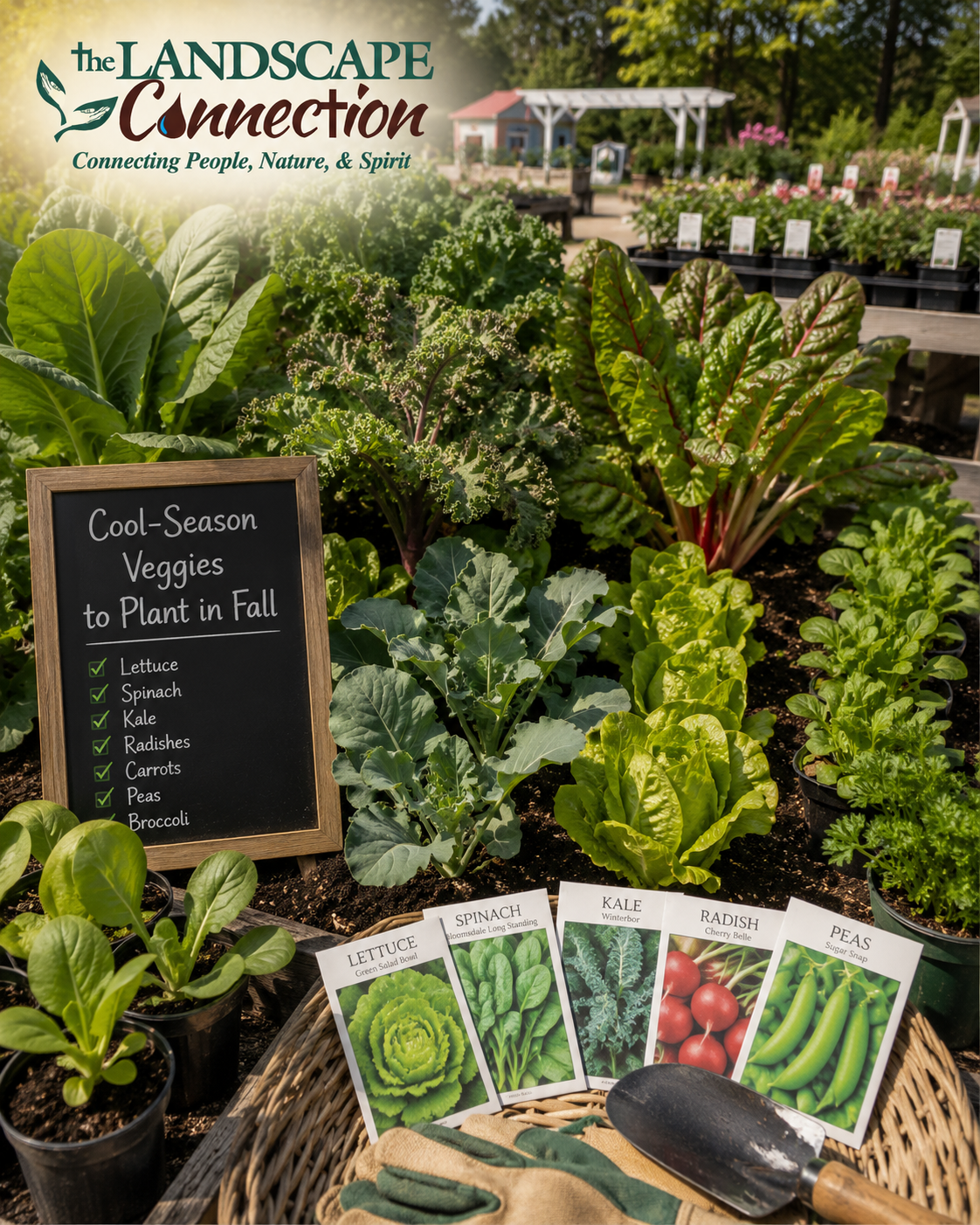
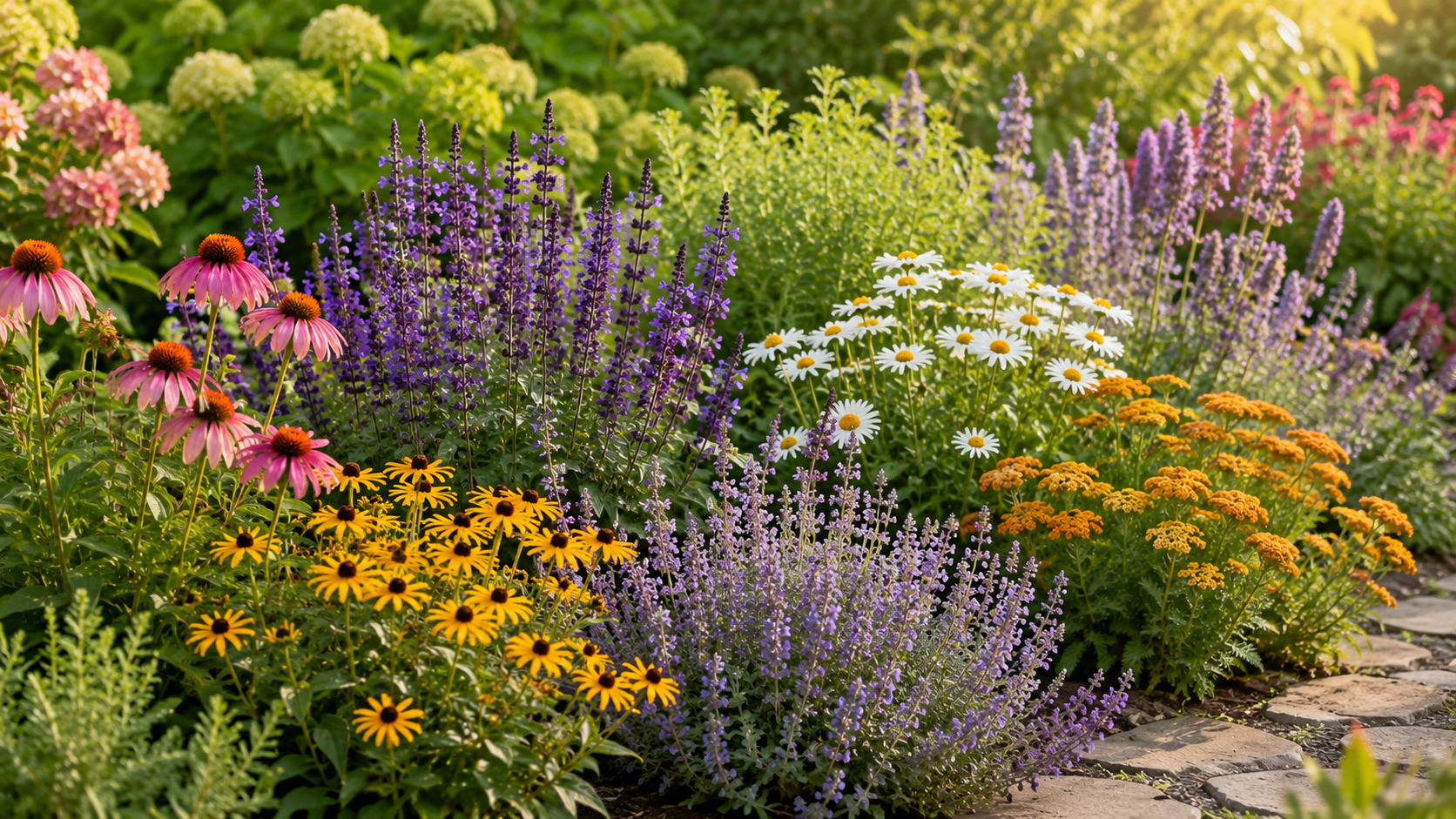
Trees, shrubs, perennials, spring bulbs and cool-season vegetables to add to your fall garden list
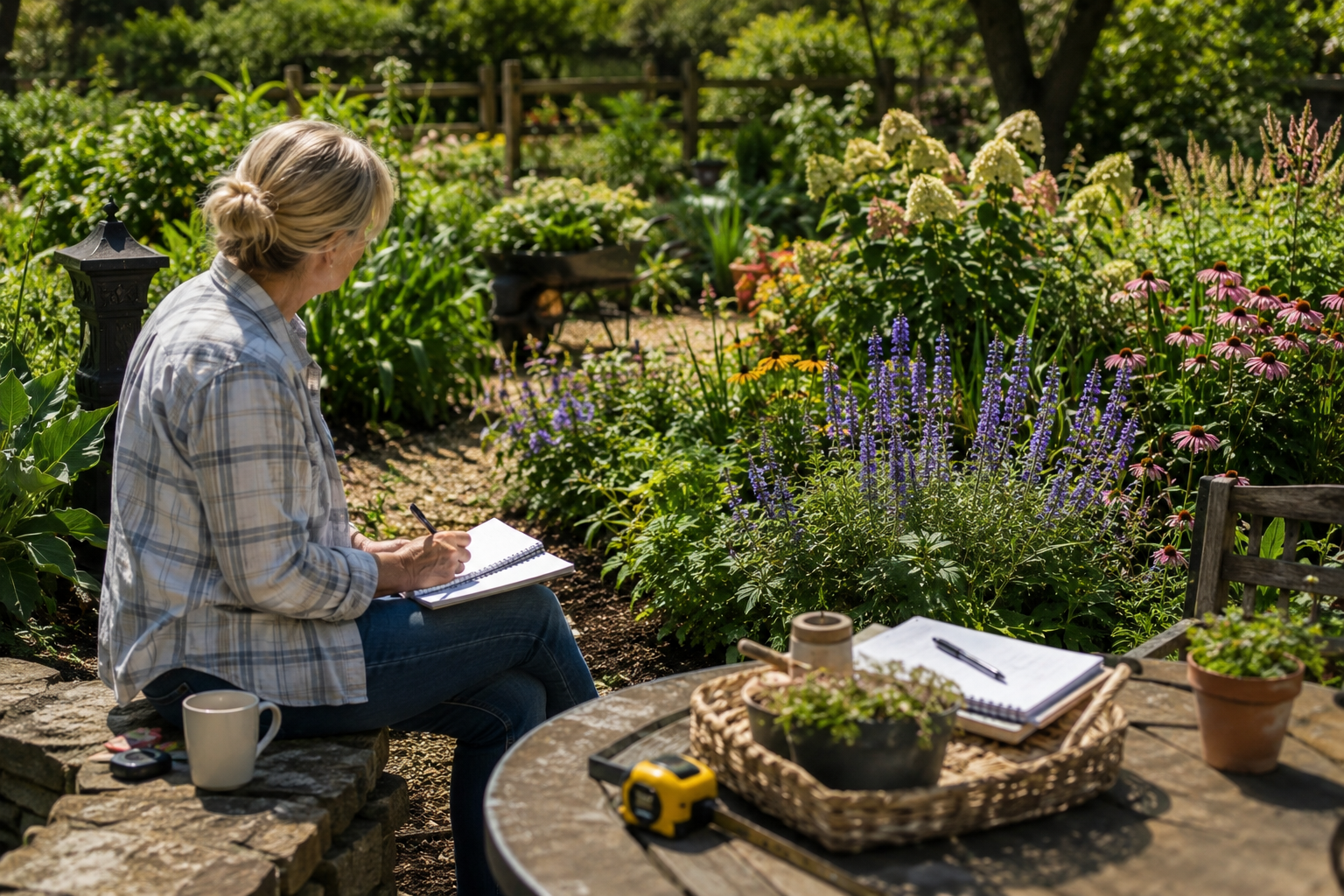
You’ve walked through the garden, noticed the empty spaces and made a few notes about what could use more color, height or structure.
Now it’s time to turn those observations into a fall planting plan.
That does not mean you need to start planting everything today. We’re still in the planning stage. The goal right now is to decide what kinds of plants may solve the problems you found, check the conditions in each space and start building a realistic wish list.
Fall can be a great time to add plants to a Zone 5 landscape, but the best results usually come from choosing with purpose instead of grabbing whatever happens to catch your eye.
Here are the main categories to begin thinking about.
Trees
A tree is one of the biggest and longest-lasting additions you can make to your landscape, so it deserves more planning than a quick trip through the garden center.
Start by deciding what you need the tree to do.
Are you looking for:
- Shade over a patio or seating area?
- More privacy from a neighboring property?
- Spring flowers?
- Fall color?
- A smaller ornamental tree near the house?
- A larger tree for the open yard?
- A focal point that gives the landscape more height?
Once you know the purpose, look closely at the planting space.
Measure the distance from the house, driveway, sidewalk, power lines and other trees. Think about how large the tree will become—not just how it looks when you buy it.
A tree that seems small and manageable today may eventually be much wider or taller than the space allows. Planning for its mature size helps prevent future conflicts with roofs, foundations, walkways and utility lines.
You’ll also want to note how much sunlight the area receives and whether the soil stays dry, drains well or holds moisture.
Your fall tree list might simply say:
- Small flowering tree near the front entry
- Shade tree for the west side of the yard
- Narrow tree for privacy along the property line
You do not need to know the exact variety yet. Start with the job the tree needs to do.
Perennials
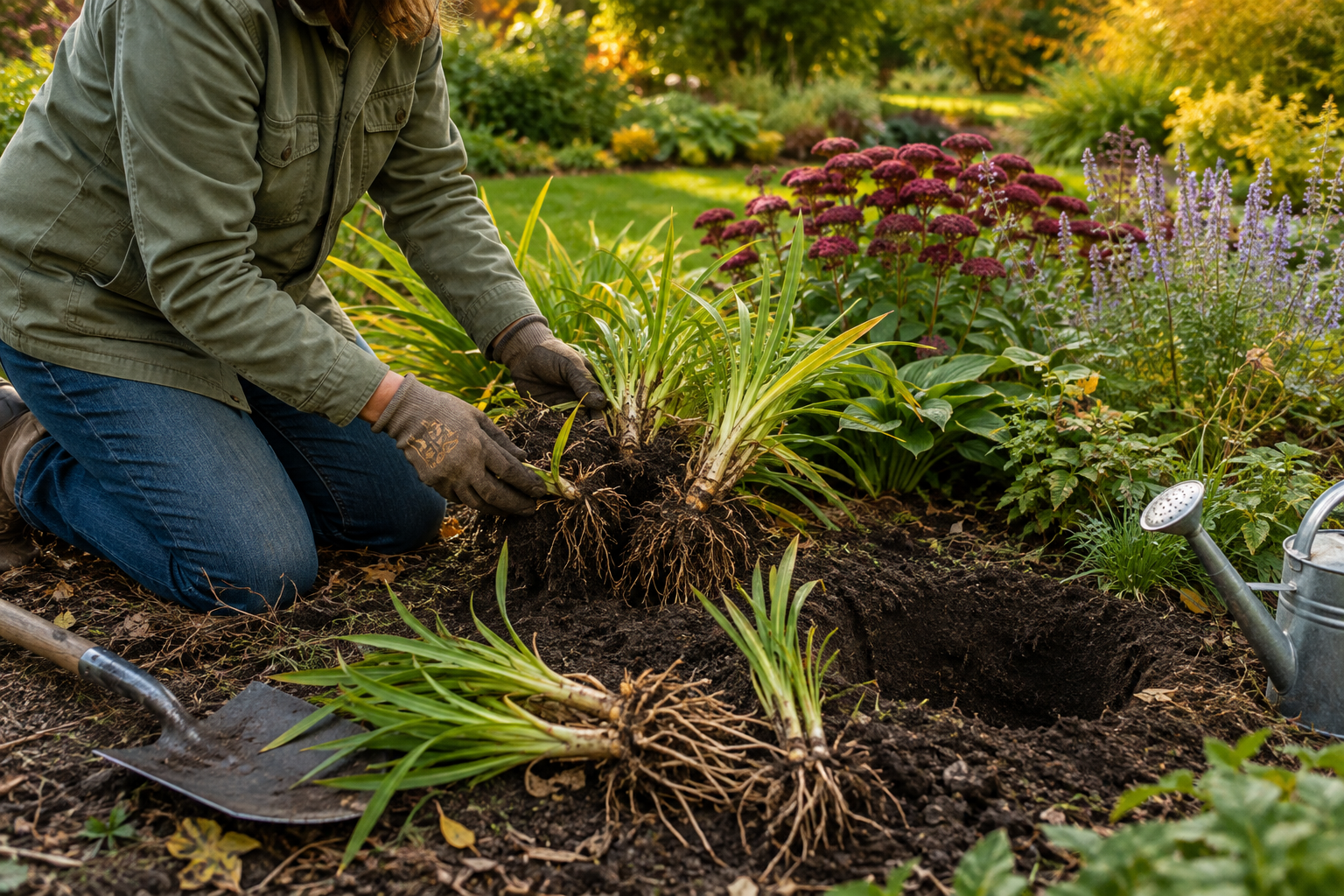
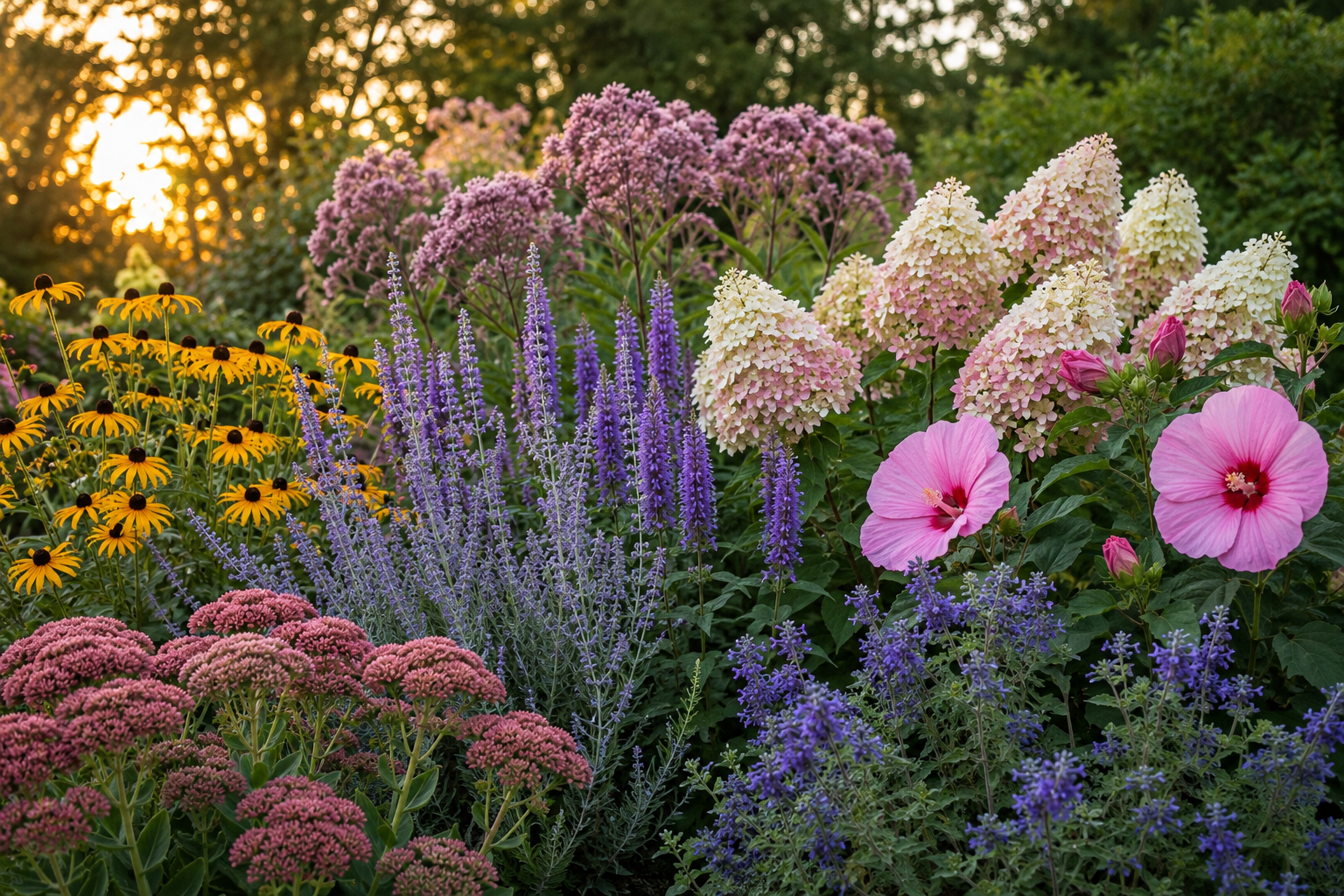
Perennials are where many gardeners have the most fun—and where it’s easiest to get distracted.
There are so many colors, textures and bloom shapes that it can be tempting to choose plants one at a time without thinking about how they’ll work together.
Before making your list, return to the notes you made during your late-summer garden evaluation.
Do you need:
Try to plan for a sequence of color rather than one big moment when everything blooms at once.
Spring, early summer, midsummer, late summer and fall can each have their own group of plants. As one finishes, another begins.
Also consider what a perennial contributes when it is not flowering. Some plants have attractive foliage, sturdy seed heads or a strong shape that keeps the garden interesting long after the blooms fade.
When making your list, include the conditions beside each space:
- Full sun or shade
- Dry or moist soil
- Approximate height needed
- Approximate width available
- Preferred bloom time
- Color or texture needed
That information will help narrow the choices much faster than starting with flower color alone.
Spring-Blooming Bulbs
It may feel strange to plan for spring flowers while the summer garden is still going, but spring-blooming bulbs need to be on the
fall list.
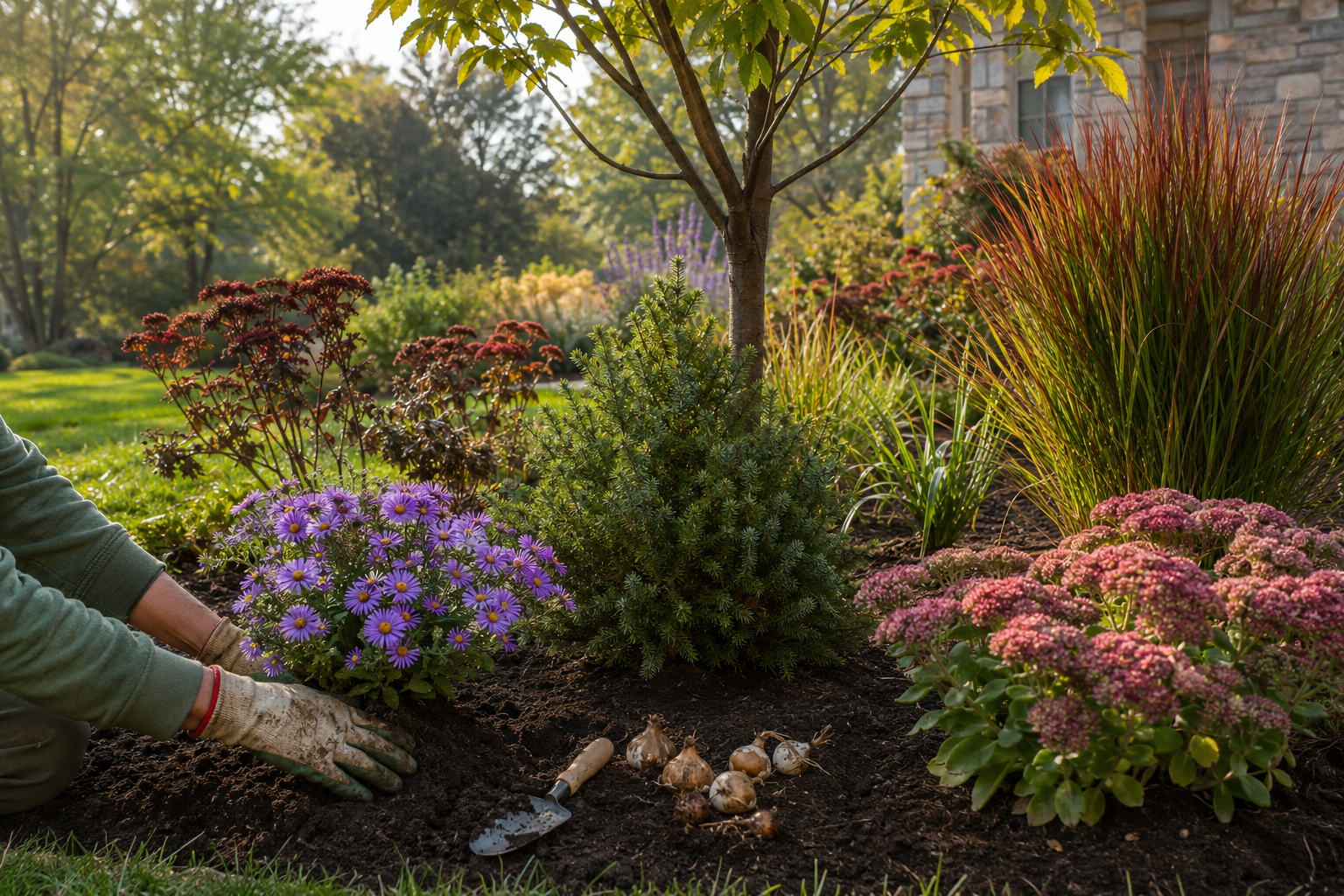
Tulips, daffodils, crocus, alliums and other spring bulbs spend the winter underground before appearing when the garden begins waking up again.
Now is a good time to think about where your spring landscape felt empty.
Consider adding bulbs:
- Near the front entrance
- Along a walkway
- Beneath deciduous trees
- Between established perennials
- In clusters throughout a landscape bed
- Where you can see them from a frequently used window
Bulbs usually make a stronger visual impact when planted in groups rather than scattered one at a time.
It also helps to place them near perennials that will grow later and help cover fading bulb foliage. That gives you early color without leaving an obvious empty patch once spring is over.
Take photos of the spaces now, while surrounding plants are still visible. This can help you avoid accidentally planting bulbs too close to established perennials or digging into an area that is already crowded.
Make a List Based on Priorities
Your fall wish list can become overwhelming quickly, especially once you begin thinking about trees, shrubs, perennials, bulbs and vegetables all at once.
Put the list in order based on what matters most.
Priority One: Solve a Problem
These are the plants that address an actual need:
- Shade
- Privacy
- Erosion
- An empty foundation bed
- A bare corner
- A difficult sunny or shady spot
Priority Two: Improve Seasonal Interest
These choices help the garden look better for a longer part of the year:
- More late-summer color
- Spring bulbs
- Fall foliage
- Evergreen structure
- Flowers for pollinators
Priority Three: Add Something You Love
There is always room on the list for a plant that simply makes you happy.
The trick is finding the right place for it instead of squeezing it into a space where it cannot thrive.
Check the Space Before Choosing the Plant
Before you settle on anything, write down a few details about each planting location:
- Hours of direct sunlight
- Soil moisture
- Drainage
- Available width
- Available height
- Nearby plants
- Distance from structures and walkways
- The view from the house or street
Photos and rough measurements are usually enough to get started.
For trees and shrubs, check mature size carefully. For perennials, think about how the plant will look in a group and how it will interact with its neighbors. For bulbs, plan for both the spring flowers and the foliage that remains afterward.
The better you understand the space, the easier it is to choose plants that will succeed there.
Start Planning—Plant When the Time Is Right
Right now, your job is not to rush.
Walk the property. Measure the openings. Decide what each area needs. Make notes about sunlight and soil. Then begin narrowing your list to plants that fit those conditions.
Fall planting is much easier when you already know what you’re looking for.
Bring your garden photos, measurements and wish list to The Landscape Connection. We’ll help you compare trees, shrubs, perennials, spring bulbs and cool-season vegetables that make sense for your Zone 5 garden.
The Landscape Connection
4472 S. Mulford Road
Rockford, IL 61109
(815) 874-8733
www.TheLandscapeConnection.net