Fresh-Cut Flowers: How to Make Your Bouquet Last Longer

Simple cutting, conditioning and vase-care tips for enjoying flowers from your garden or our You-Pick field


After months of planting, watering and weeding, sometimes the best thing you can do is stop working and enjoy what you’ve grown.


Cut a few flowers. Gather some interesting foliage. Bring everything inside and create something that makes you smile.


Whether your bouquet comes from your garden or our You-Pick flower field, these simple steps can help it stay fresh longer.


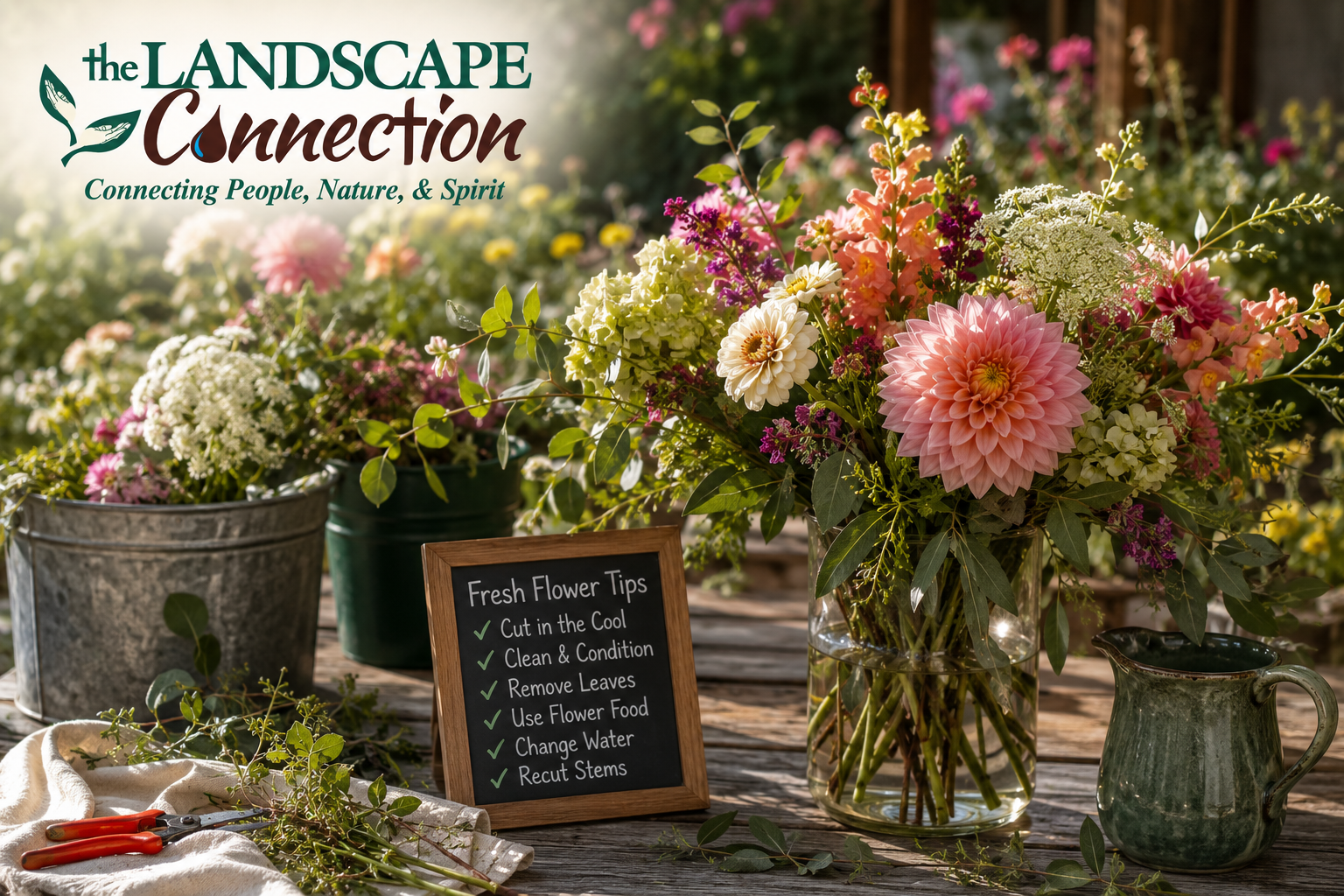
Cut During the Coolest Part of the Day


Early morning is usually the best time to cut flowers because the plants have had all night to take up moisture. Evening can also work once the temperature cools.


Avoid cutting during the hottest part of the afternoon, when flowers are more likely to wilt.


Choose healthy blooms and use clean, sharp snips. For zinnias, gently wiggle the stem just below the flower. If the stem feels firm, it’s ready. If it bends easily, let it keep growing a little longer. Michelle demonstrates this test in her video.


Bring Water Into the Garden


Carry a clean bucket of water and place stems into it as soon as you cut them. Don’t leave fresh flowers sitting in the sun while you continue gathering.


Cut stems longer than you think you’ll need. You can always shorten them when you begin arranging.


Condition the Stems


Before placing flowers in a vase:

  • Recut the bottom of each stem.
  • Remove damaged leaves and petals.
  • Strip away every leaf that would sit below the waterline.
  • Place the stems into clean water right away.


Leaves left underwater begin to break down and encourage bacteria, which can shorten the life of the bouquet.


Woody shrub stems may need a little extra help. Choose flexible new growth when possible, then make a short slit or gently crush the bottom of the stem so it can take up water more easily.


Use Flower Food and Fresh Water


Flower food helps feed the flowers and slow bacterial growth. Follow the package directions rather than guessing.


Check the water level daily and replace the water completely every day or two. Rinse the vase, add fresh water and remove any fading flowers or leaves.


Every few days, trim a small amount from the bottom of each stem to help it drink again.


Keep the Bouquet Cool


Display flowers away from direct sunlight, heating and cooling vents, hot appliances and ripening fruit.


A cooler location usually helps flowers last longer, but a bouquet doesn’t have to last for weeks to be worthwhile. Even a few days of flowers from your own garden can make a room feel special.


Don’t Forget the Foliage


You don’t need dozens of flowers to create a full arrangement. Fresh shrub growth, ferns, herbs, grasses, branches and seed heads can add shape, height and texture.


In Playing in the Garden—Foraging & Creating, Michelle gathers flowers and foliage from around the garden and turns them into several relaxed, natural arrangements. Her approach is simple: use what you have, step back occasionally and keep adjusting until you like what you see.


Enjoy What You’ve Grown


Cut a bouquet for your kitchen table, leave one on a friend’s porch or gather a bucket during our You-Pick Experience and create something of your own.


And when you’d rather leave the arranging to the professionals, stop into Stems Floral & More. Our floral team can create a fresh arrangement for your home, a gift or any occasion.


The Landscape Connection
4472 S. Mulford Road, Rockford, IL 61109
(815) 874-8733
www.TheLandscapeConnection.net

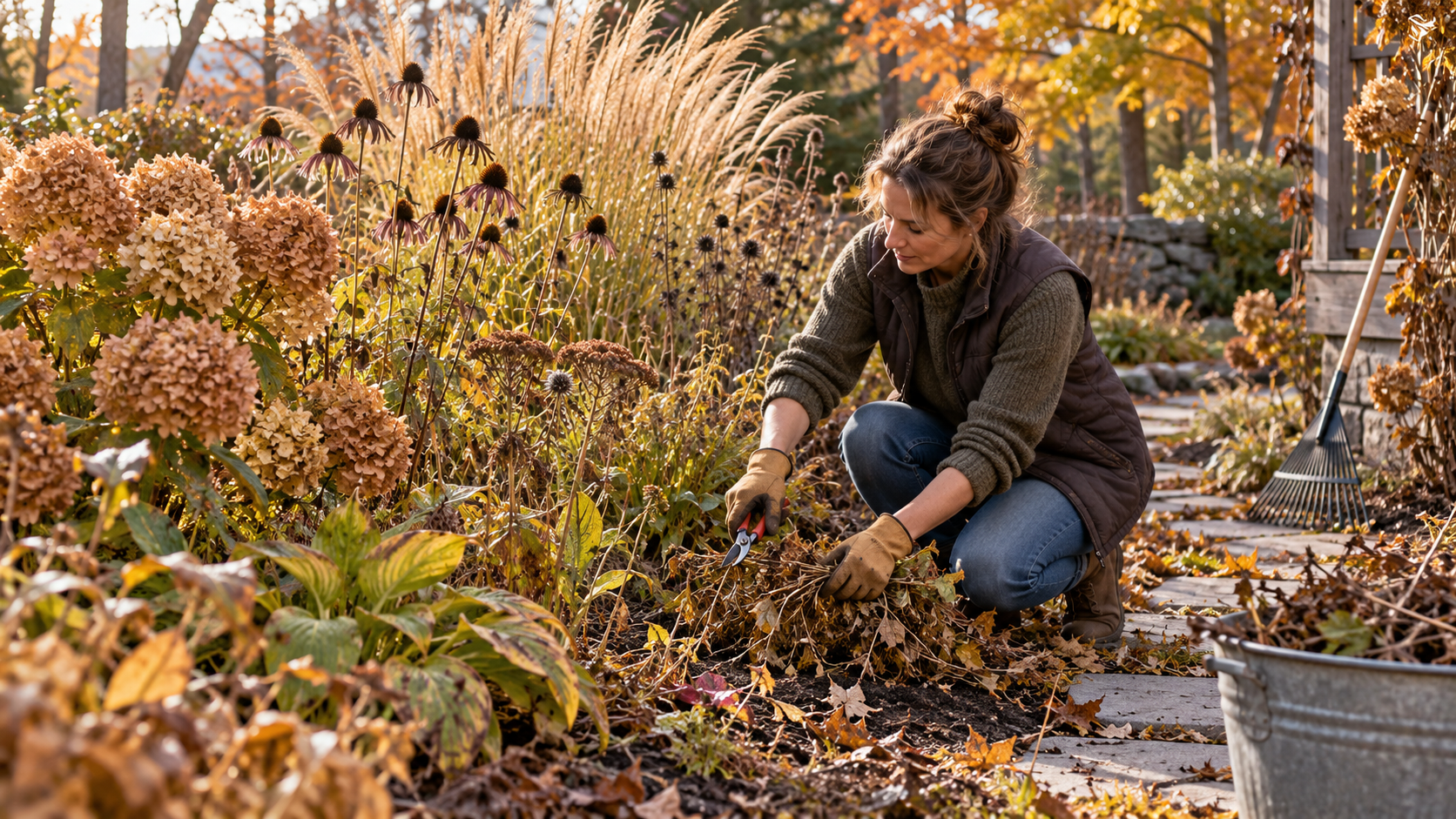
Fall garden cleanup with a woman trimming plants and leaving seed heads and grasses standing.
By michelle.tlcgiftandgarden • September 29, 2026
Learn what to cut back and what to leave standing during fall garden cleanup in Zone 5, plus tips for healthier beds, birds and beneficial insects.
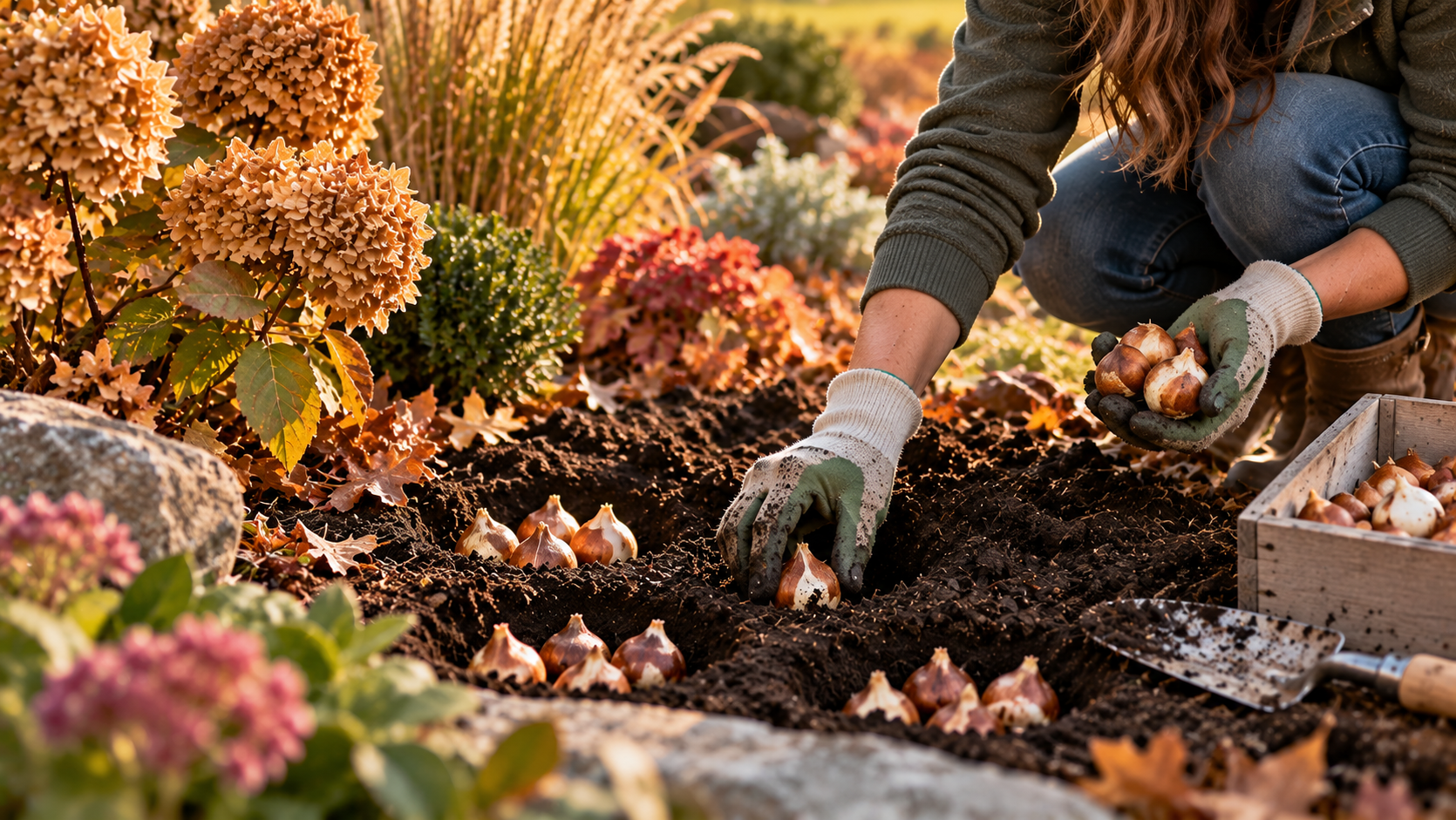
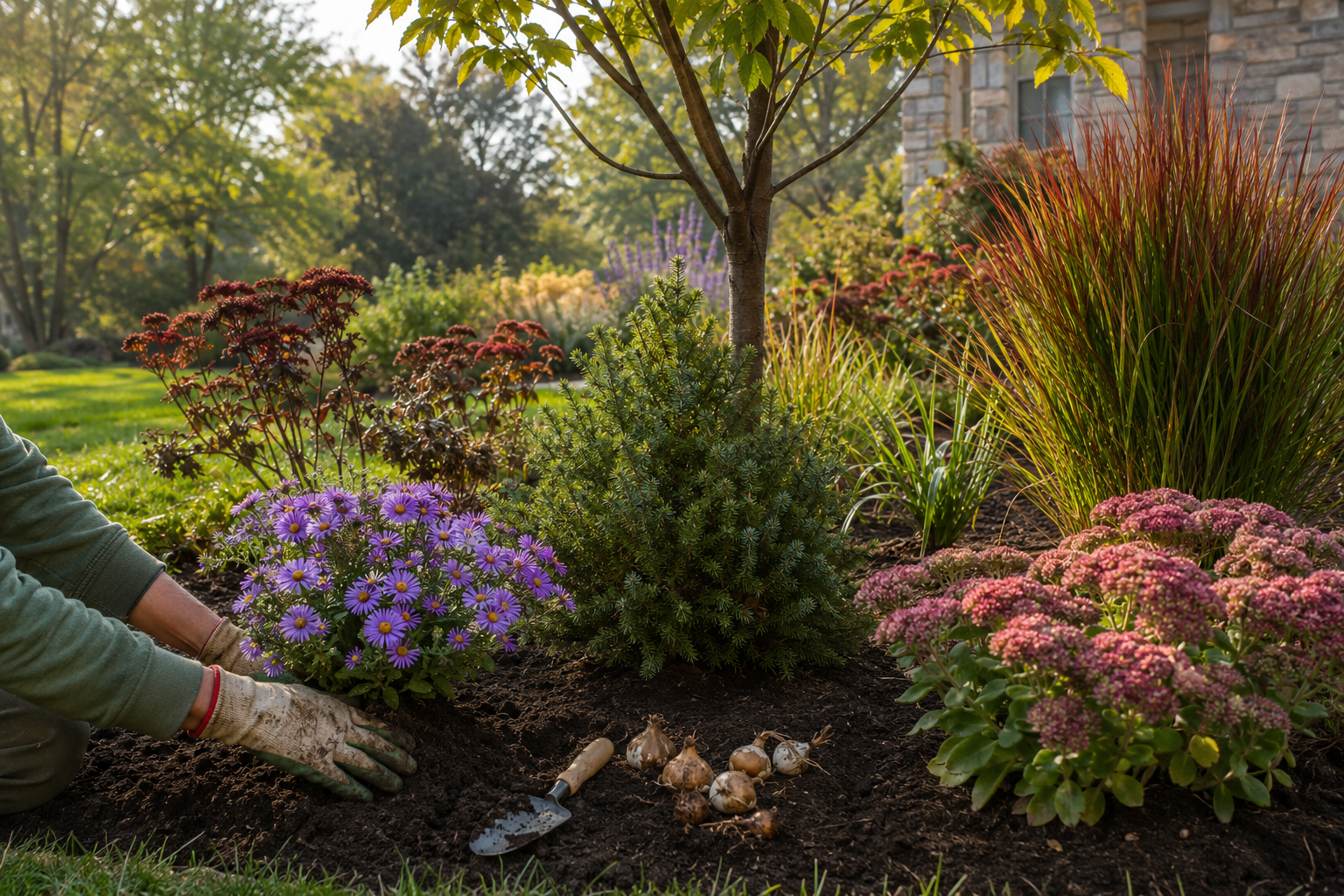
Planting spring-flowering bulbs in groups in a Zone 5 garden during fall.
By michelle.tlcgiftandgarden • September 29, 2026
Plant spring-flowering bulbs this fall in Zone 5. Michelle shares tips for planting tulips, daffodils and alliums for beautiful spring color.
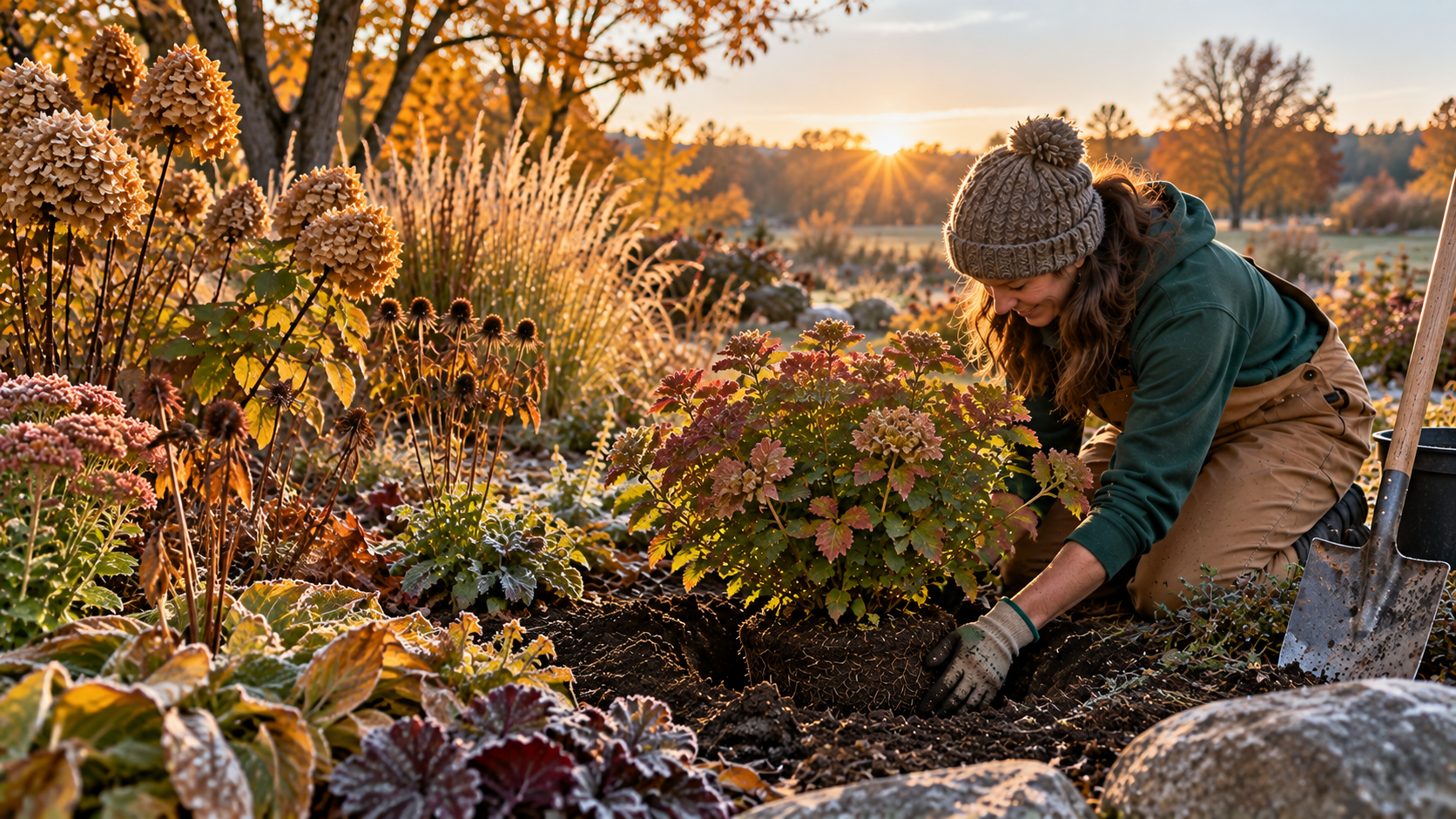
Fall planting in a Zone 5 garden with a woman planting a shrub after frost.
By michelle.tlcgiftandgarden • September 29, 2026
Is it too late to plant in October? Michelle explains fall planting in Zone 5, frost vs. frozen ground, and what Rockford gardeners can still plant. Short-Tail SEO Keywords
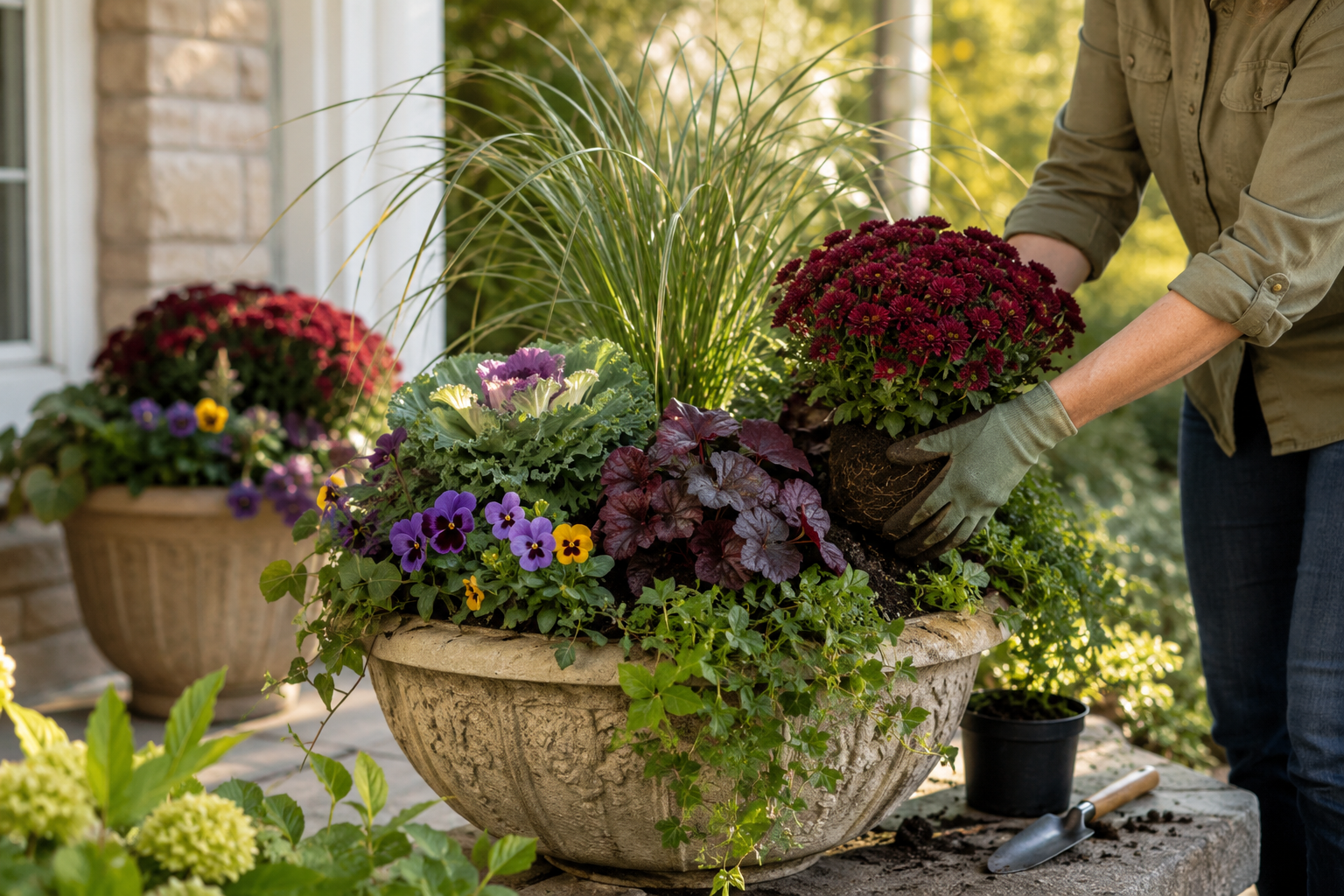
Fall container refresh with mums, pansies and ornamental kale.
By michelle.tlcgiftandgarden • August 28, 2026
Refresh summer containers for fall with mums, pansies, kale, grasses and other cool-season favorites suited to Northern Illinois gardens.
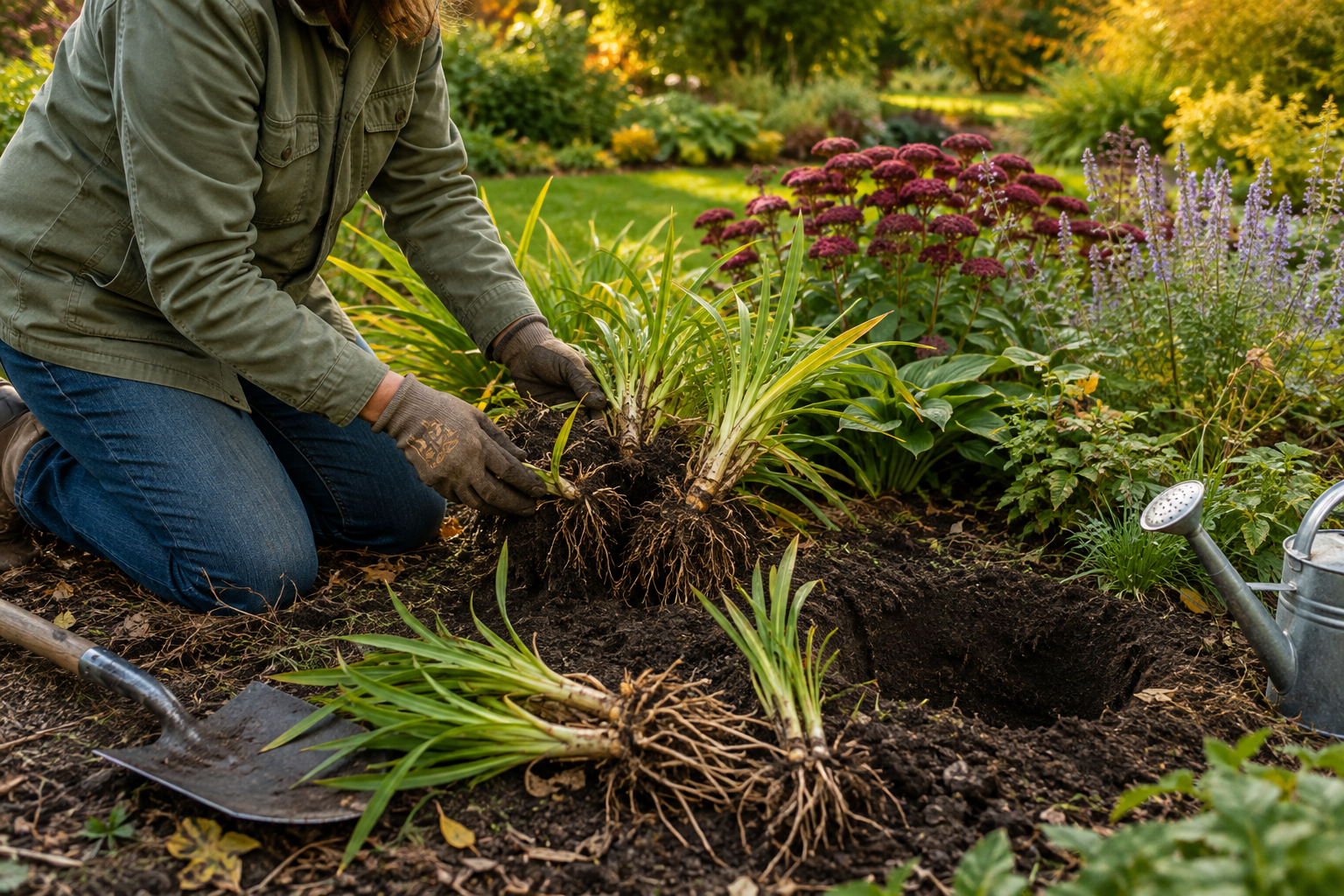
Dividing and transplanting perennials in a Zone 5 fall garden.
By michelle.tlcgiftandgarden • August 28, 2026
Learn when and how to divide and transplant perennials in fall, which plants to move and how to help them settle into a Zone 5 garden.
Fall planting with trees, shrubs and perennials in Zone 5.
By michelle.tlcgiftandgarden • August 28, 2026
Discover why September is ideal for planting trees, shrubs, perennials and bulbs in Zone 5, plus easy tips for successful fall planting.
Colorful annual containers refreshed for more late-summer beauty in an August garden.
By michelle.tlcgiftandgarden • July 30, 2026
Refresh a tired August garden with simple tips for annuals, containers and fading plants while enjoying the second half of the Zone 5 season.
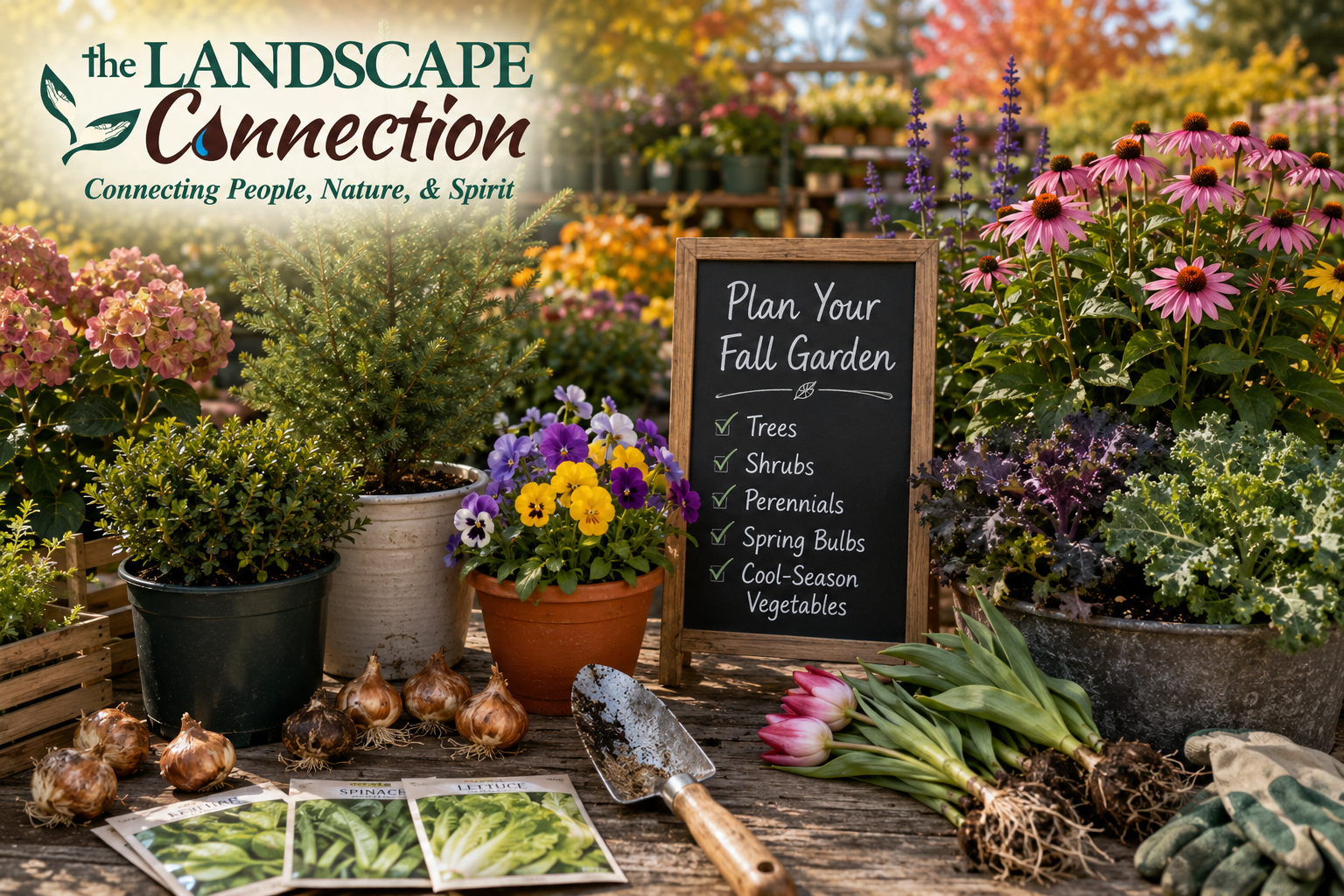
Fall garden plan with trees, shrubs, perennials, bulbs and cool-season vegetables.
By michelle.tlcgiftandgarden • July 30, 2026
Start planning what to plant this fall in Zone 5, including trees, shrubs, perennials, spring bulbs and cool-season vegetables.
Gardener takes notes in an August garden to plan fall color, fill empty spaces, choose future plants
By michelle.tlcgiftandgarden • July 30, 2026
Plan a better Zone 5 garden by evaluating August color, empty spaces, plant performance and companion needs before fall planting begins.
Late-summer Zone 5 garden filled with Black-eyed Susan, sedum, hydrangeas, hibiscus, purple blooms
By michelle.tlcgiftandgarden • July 30, 2026
Discover eight plants that bring dependable late-summer color to Zone 5 gardens, from Black-eyed Susan and sedum to hydrangeas and hibiscus.
Show More