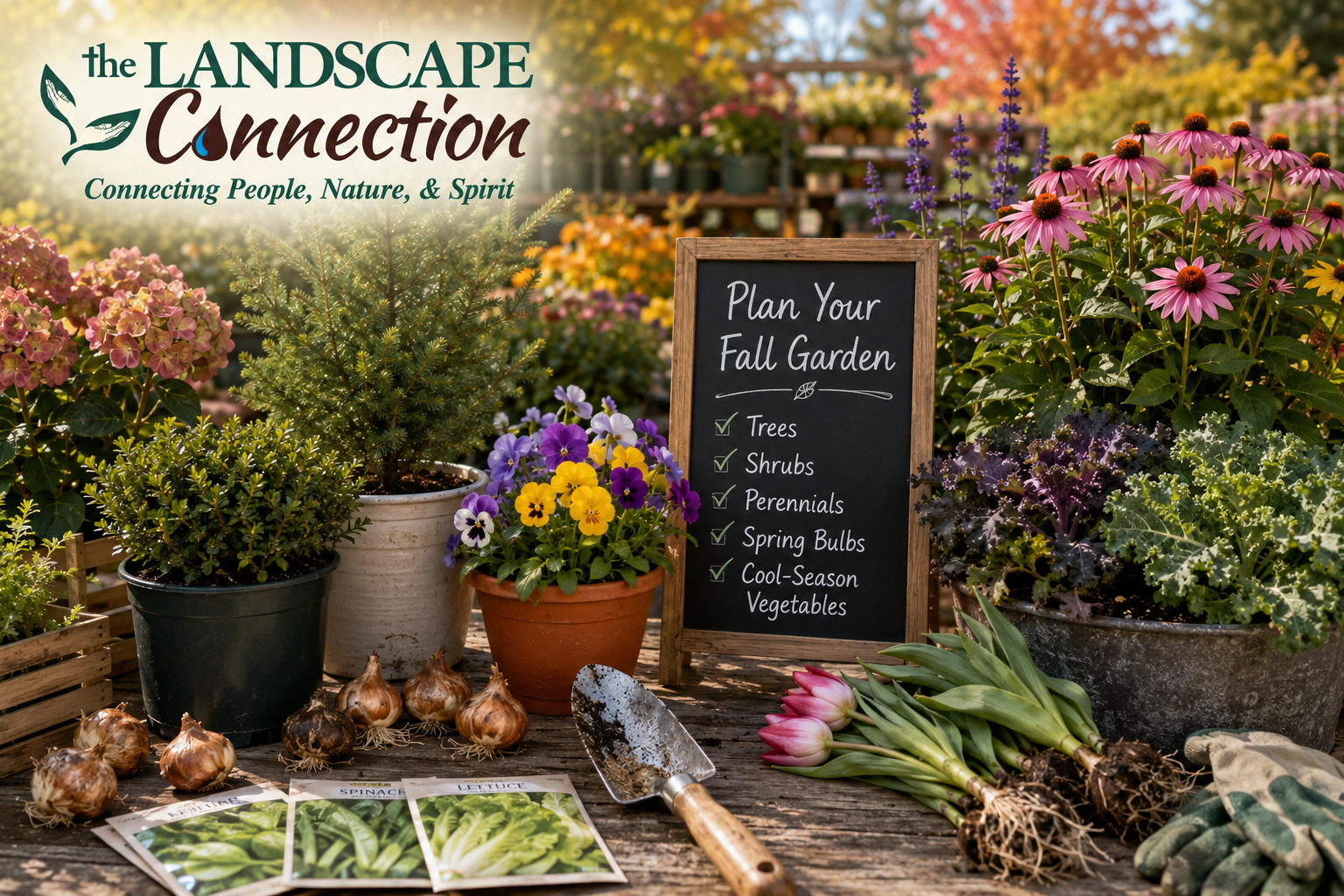
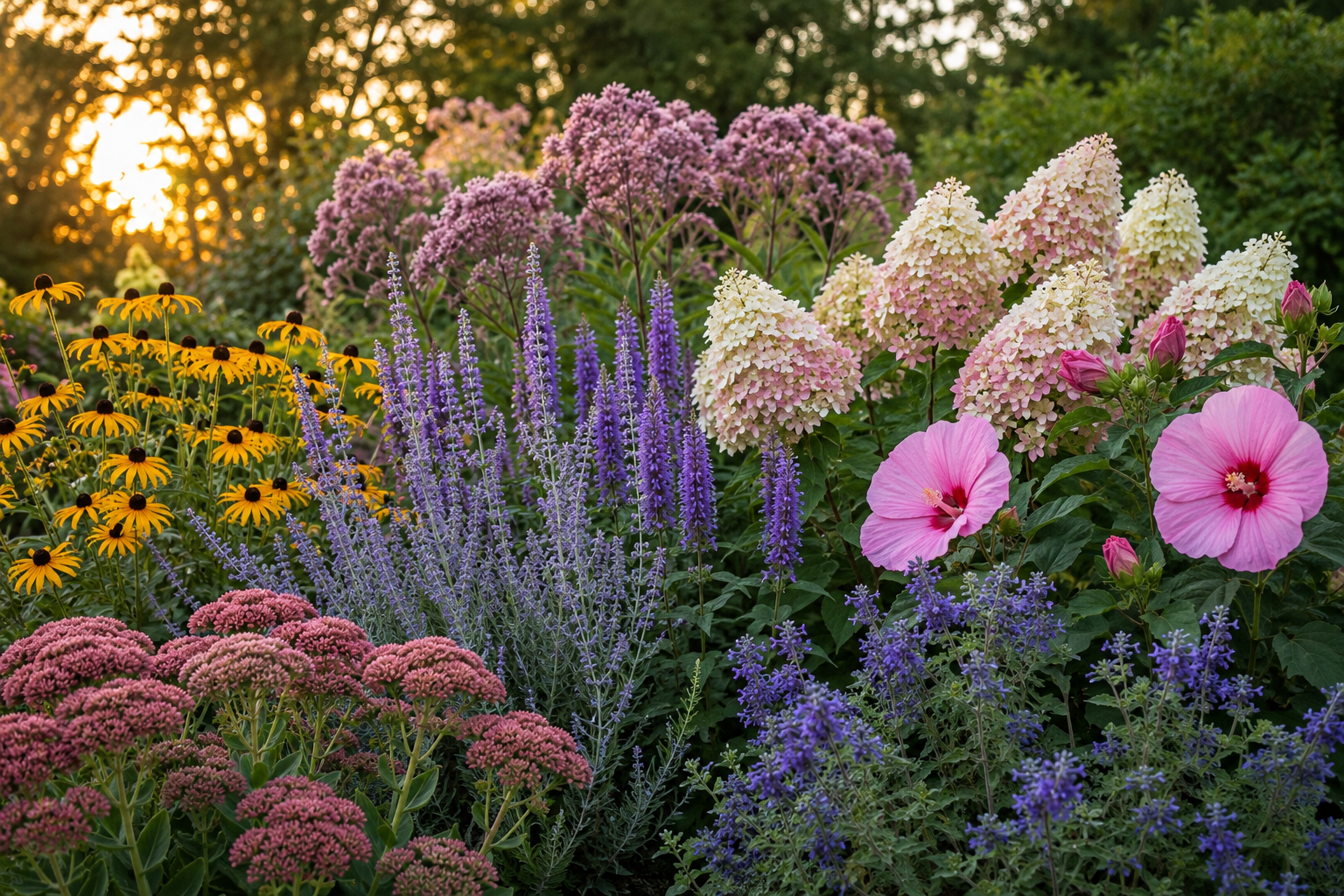
Cooler air, warm soil and fewer summer stresses make September one of the best times to add trees, shrubs, perennials and spring-blooming bulbs to your Northern Illinois garden.
September may feel like the end of the gardening season, but in Zone 5, it’s actually the beginning of one of the best planting windows of the year.
The days may still be warm, but the intense summer heat is starting to ease. The soil is warm, fall rain is more likely and newly planted roots still have time to settle in before winter arrives. That combination makes September a great time to add trees, shrubs and perennials—and plant the spring-blooming bulbs that’ll bring the garden back to life next year.
Planting in fall also gives the garden a head start. Plants that begin establishing roots now can start growing as soon as conditions are right in spring, often before gardeners are ready to get back outside.
Why Plants Like September Weather
During summer, plants have to divide their energy between producing new growth, flowering and handling the heat. Newly planted roots can dry out quickly, especially during hot, sunny or windy weather.
September offers a much gentler transition.
Cooler air helps plants hold onto moisture, while the soil is still warm enough for roots to grow. Instead of putting all their energy into flowers and new foliage, plants can focus more of it below ground.
That doesn’t mean newly planted gardens can be forgotten. Trees, shrubs and perennials still need consistent watering until the ground freezes. Cooler weather simply makes it easier to keep the soil evenly moist than it was during the hottest part of summer.
The Garden Has Had Time to Show What It Needs
By September, the garden has had an entire season to show what’s working—and what isn’t.
Gardeners can now see:
- Where the garden loses color
- Which plants have outgrown their spaces
- Where more height or structure is needed
- Which areas stay too wet or too dry
- Where weeds keep taking over
- Which plants struggled with the available sunlight
- Where a tree or shrub could add privacy or shade
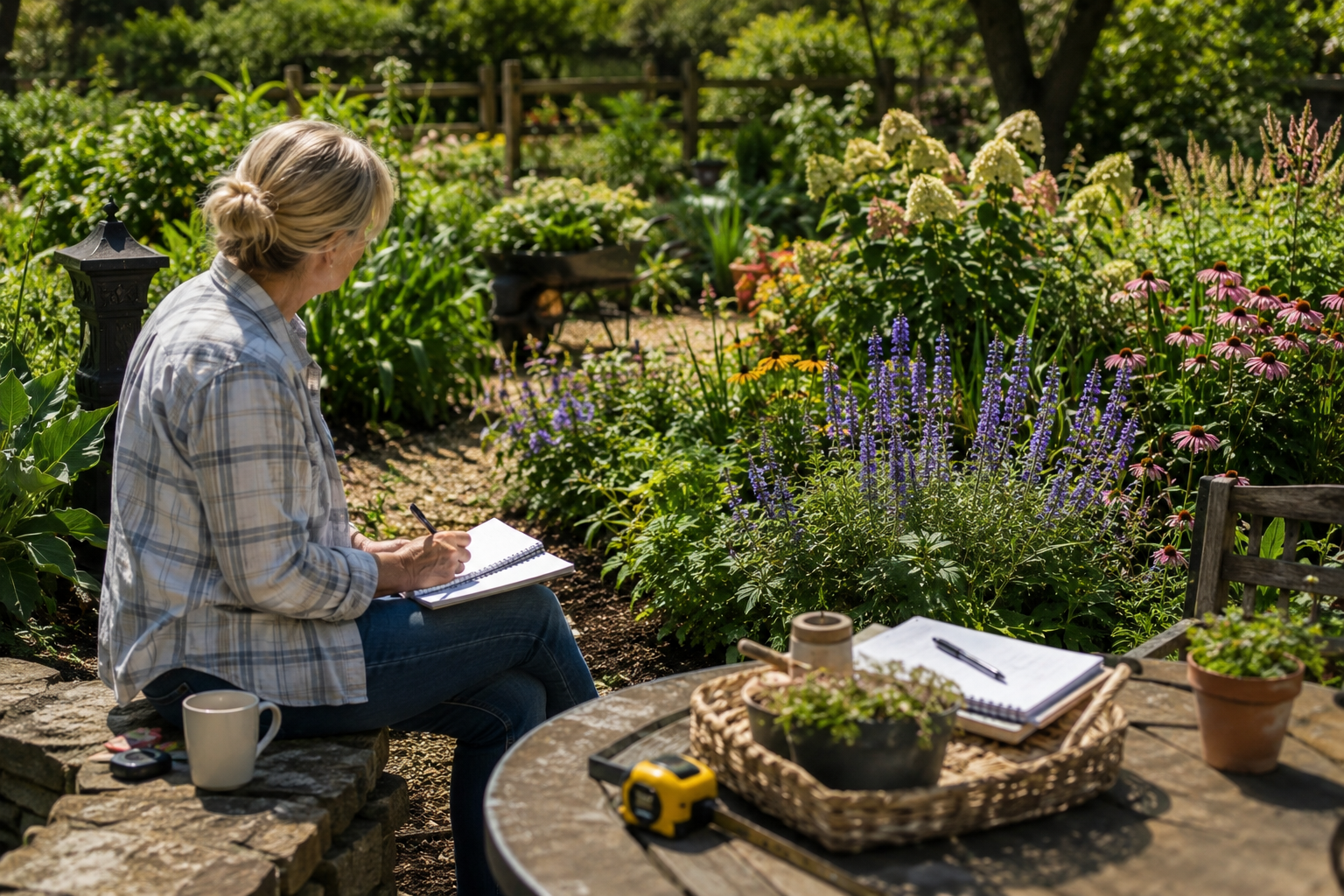
It’s much easier to make thoughtful choices when the garden can be seen at maturity. Taking pictures, measuring open spaces and noticing how sunlight moves across the yard can help before choosing something new.
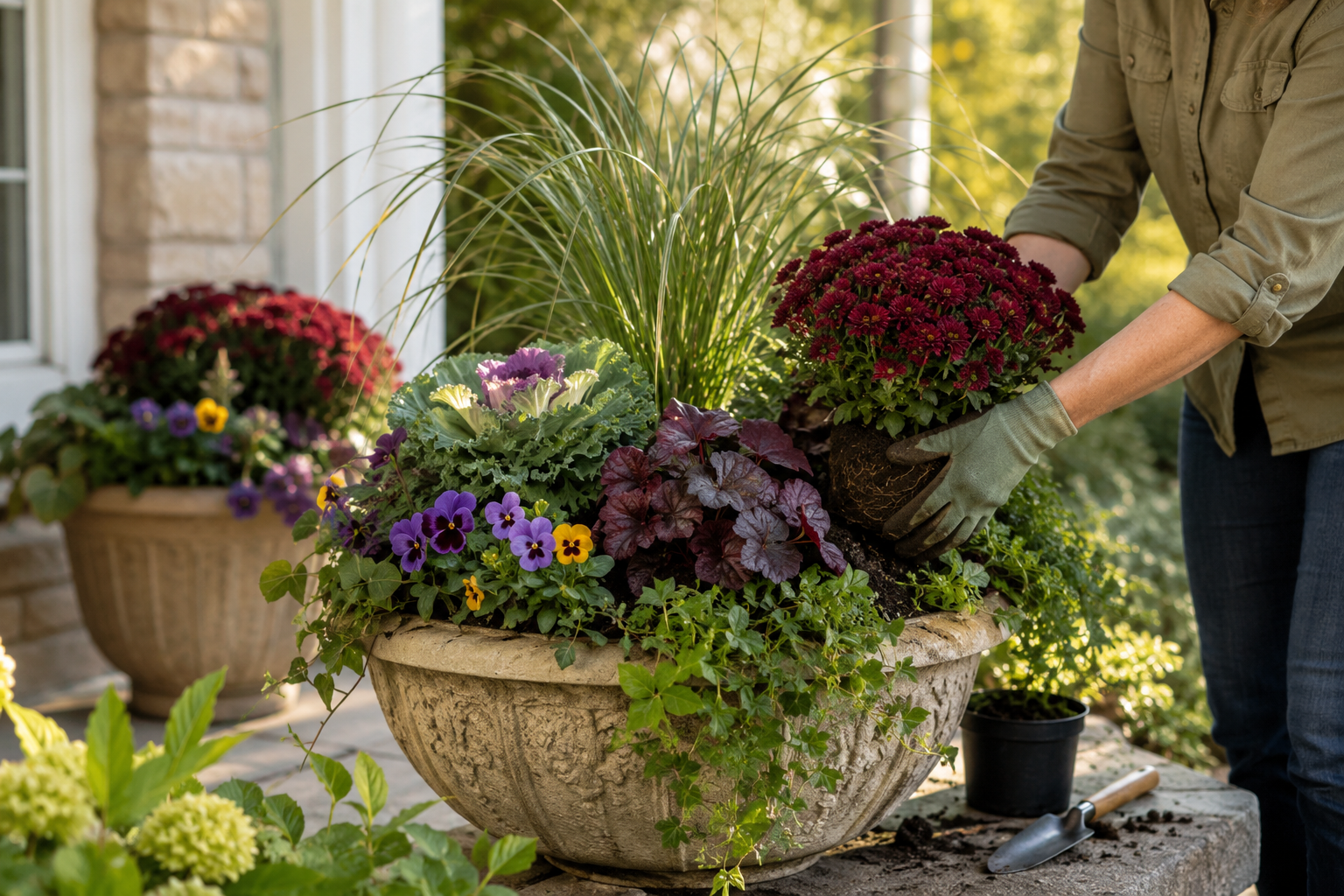
This is also a good time to think beyond flowers. A plant’s mature size, foliage, fall color, seed heads, bark and winter structure all matter. A plant that adds something to the landscape during several seasons will work harder than one chosen only for a few weeks of blooms.
September is also a great time to act on ideas collected throughout the growing season. During one of Michelle’s
fall garden refresh projects, she added perennials and arborvitae to bring color, structure and year-round interest back to an existing bed. Seeing those plants used in a real garden can make it easier to spot similar opportunities at home.
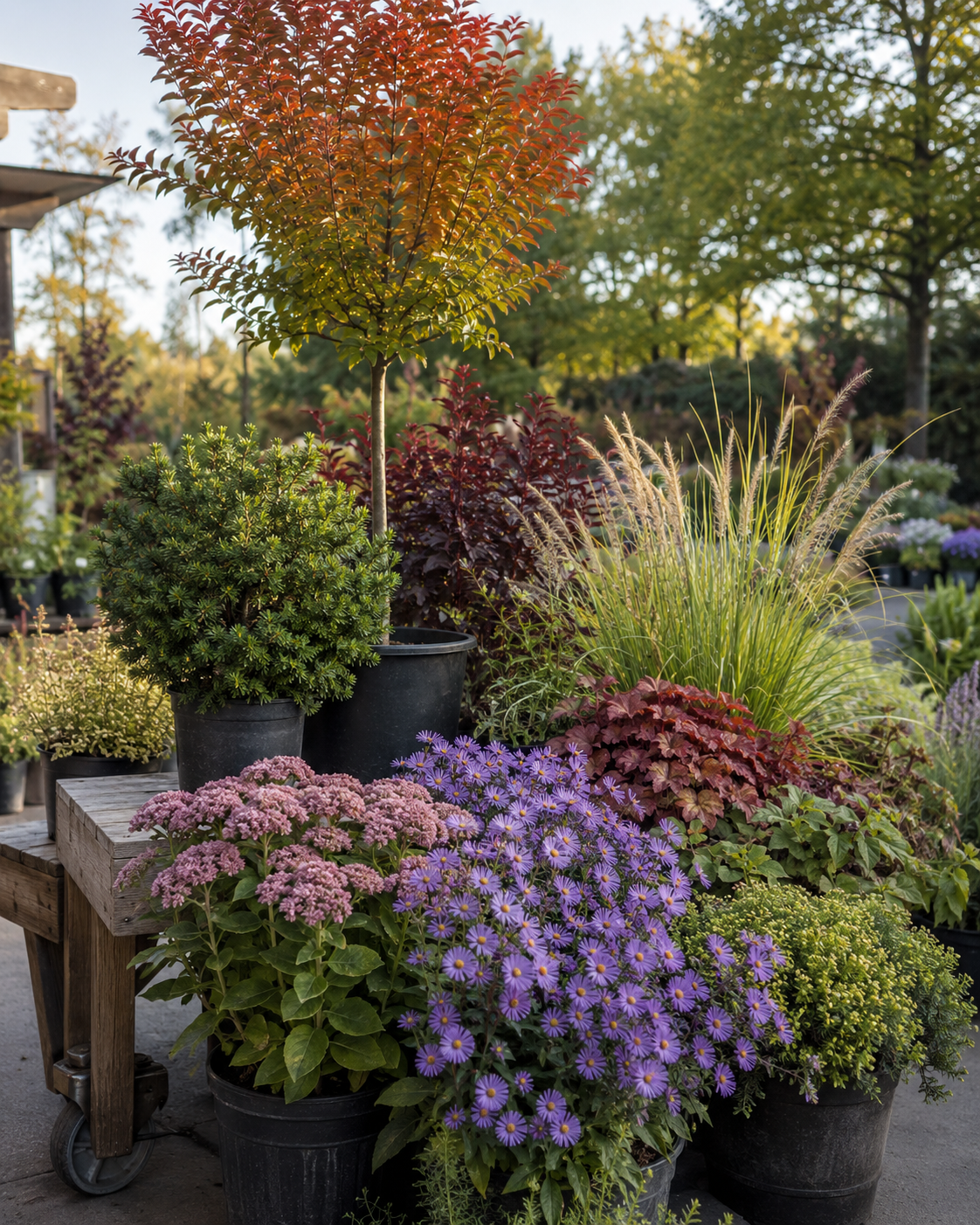
What Can Be Planted in September?
Trees and Deciduous Shrubs
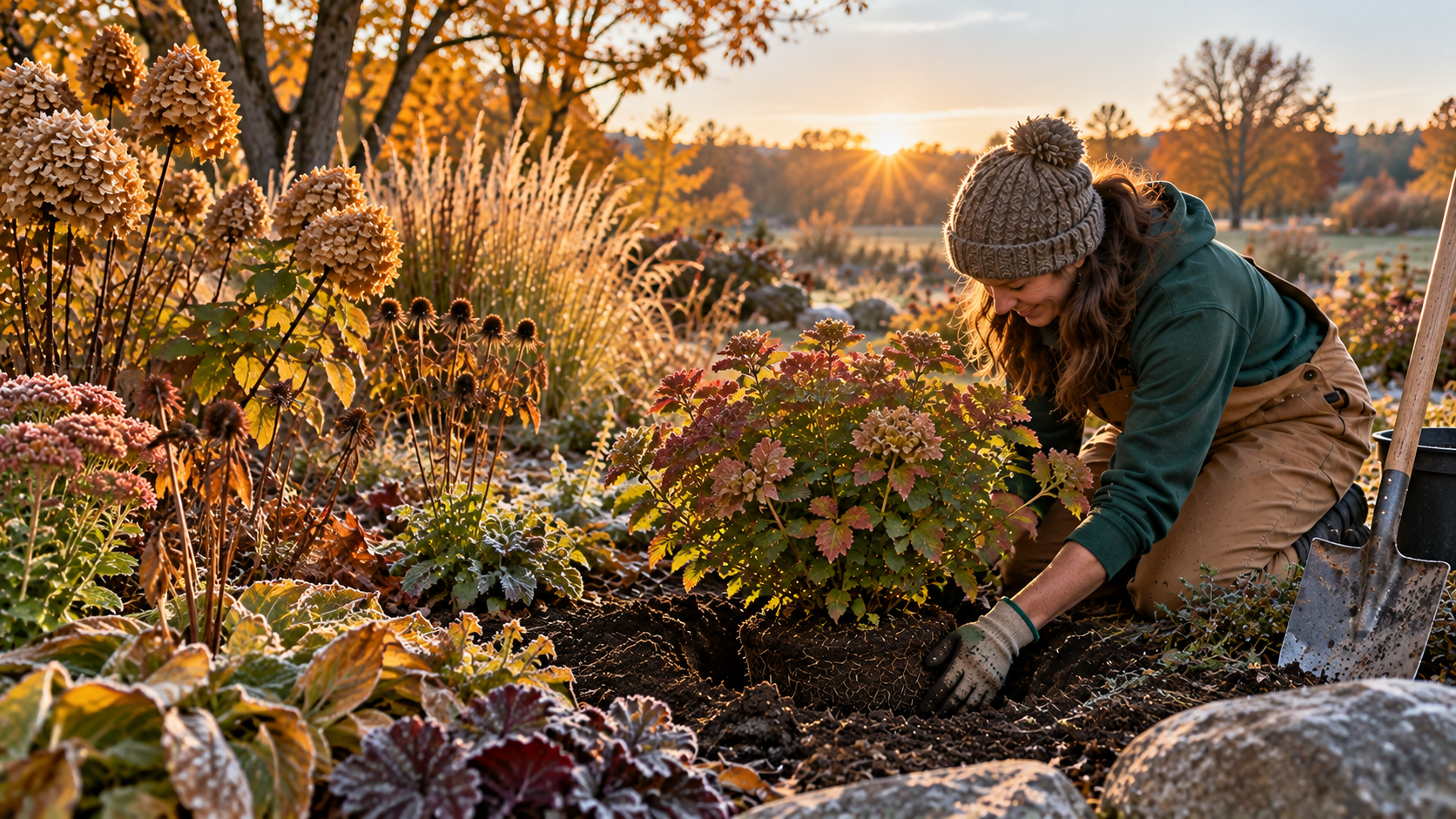
Many trees and deciduous shrubs do very well when planted in early fall. Warm soil encourages their roots to establish, while cooler air helps reduce stress above ground.
Of course, choosing the right plant still matters. Before bringing home a tree or shrub, consider:
- Its mature height and width
- Its distance from buildings, sidewalks and utility lines
- How much sunlight the location receives
- The soil and drainage conditions
- What the plant needs to do in the landscape
- How much maintenance it’ll require
Some varieties are better suited to fall planting than others. Evergreens usually benefit from being planted earlier in the season so they have more time to establish before winter. The TLC team can help determine whether a particular plant should go into the ground now or wait until spring.
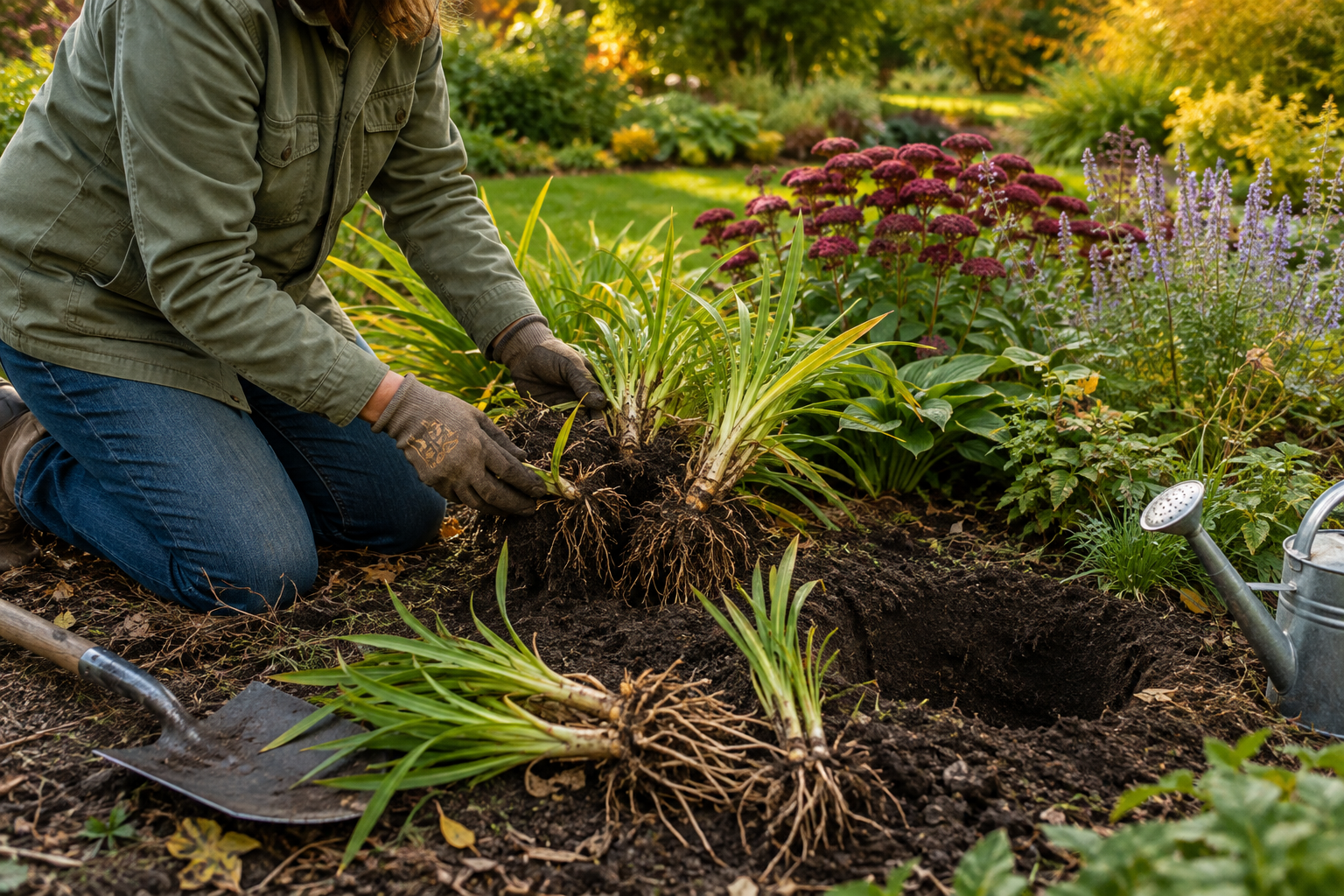
Perennials
Spring-Blooming Bulbs
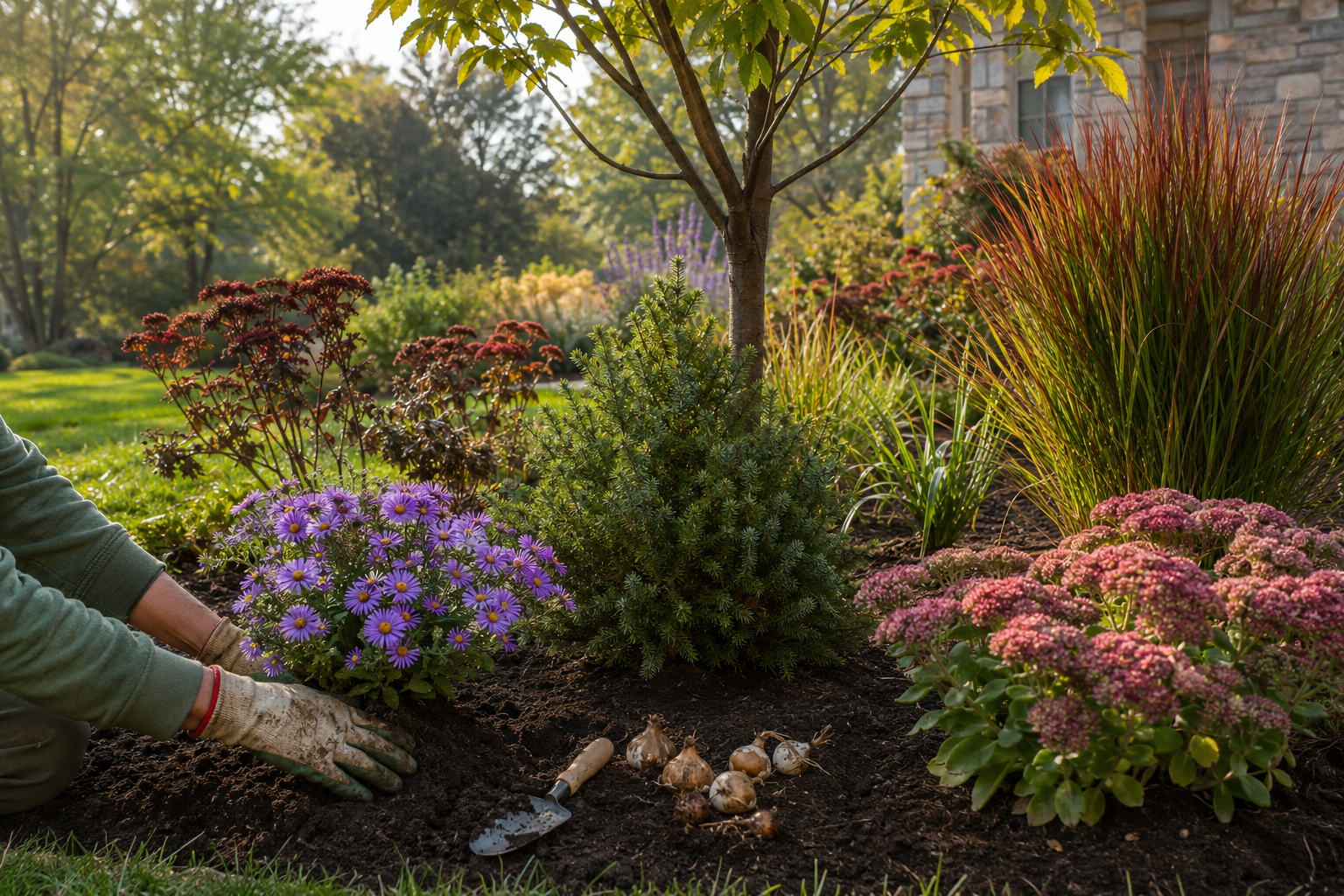
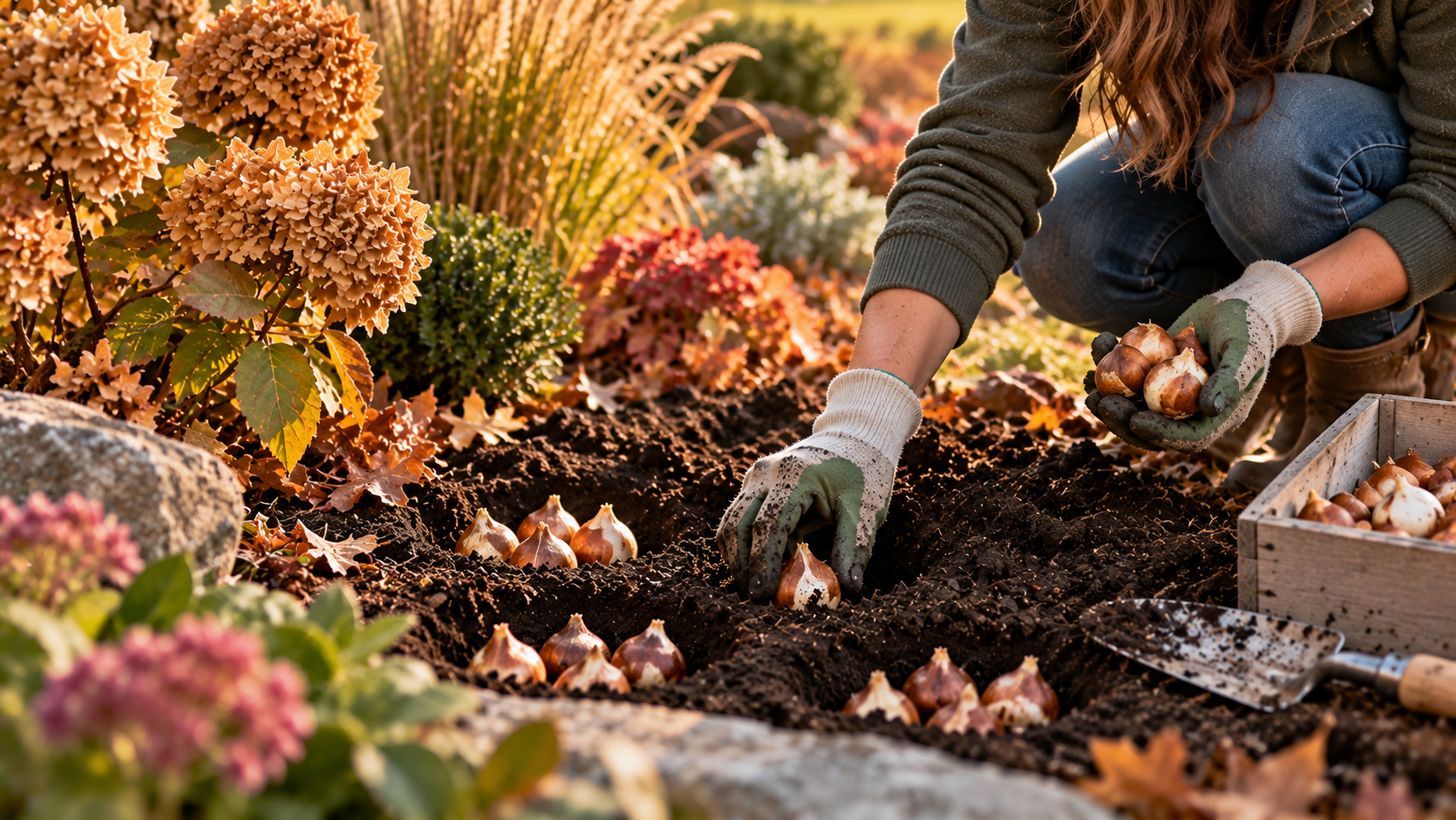
Tulips, daffodils, crocus, alliums and hyacinths won’t provide instant color, but planting them in fall is one of the easiest ways to create a beautiful spring garden.
In Northern Illinois, late September through mid-October is usually a good time to plant spring-blooming bulbs. The soil should begin cooling, but the bulbs need to be in the ground before it freezes.
Bulbs do best in a location with good drainage. Planting them in groups instead of scattering them one at a time creates a fuller, more intentional display.
They can also be tucked around established perennials. As the bulb foliage begins to fade in late spring, emerging perennial foliage can help hide it.
Cool-Season Vegetables
September isn’t only for ornamental plants. Depending on the weather and how much time remains before a hard freeze, gardeners may still be able to grow fast-maturing or cold-tolerant crops such as:
- Lettuce
- Spinach
- Radishes
- Kale
- Arugula
- Other leafy greens
Look for varieties with fewer days to maturity and be ready to protect them on colder nights. Fall vegetable gardening can be a little less predictable than spring planting, but cooler temperatures can produce wonderfully tender, flavorful greens.
How to Give Fall-Planted Plants the Best Start
Successful fall planting begins before the plant ever goes into the ground.
Match the Plant to the Location
Start by checking the sunlight, drainage and available space. A plant in the wrong conditions will struggle no matter when it’s planted.
When replacing something that failed, pause before putting another plant in the same spot. Think about why the original one struggled. Was there too much shade? Poor drainage? Dry soil? Not enough room?
Solving the underlying problem will give the next plant a much better chance.
Dig Wide, but Not Too Deep
The planting hole should generally be wider than the root ball so the roots can move into the surrounding soil. Trees, shrubs and perennials can struggle when they’re planted too deeply.
When planting a tree, find the root flare—the area where the trunk starts to widen into the roots—and keep it at or slightly above the surrounding soil level.
Loosen Crowded Roots
If the roots are tightly circling the container, gently loosen or redirect them before planting. This encourages the roots to grow outward into the surrounding soil instead of continuing to circle inside the original root ball.
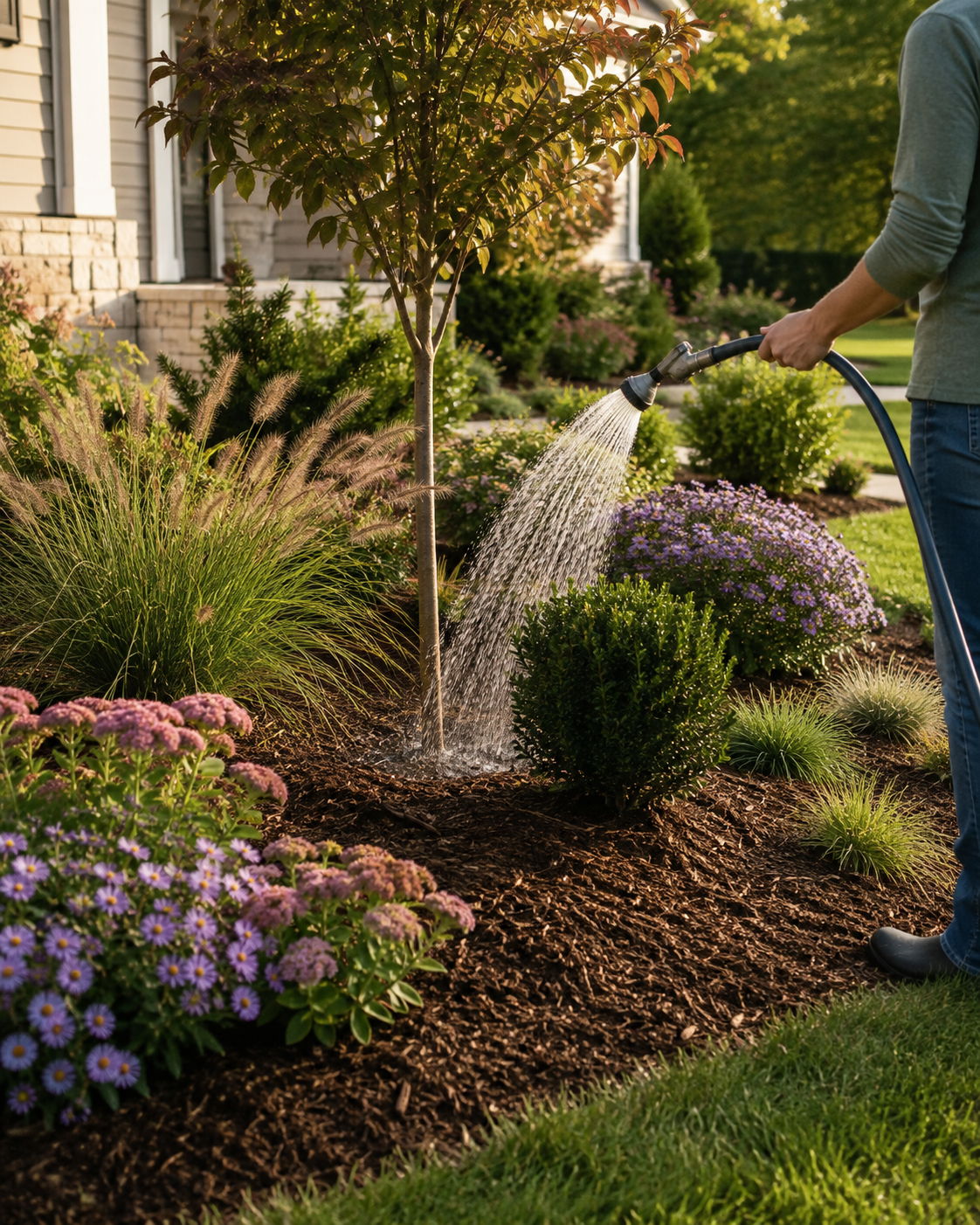
Water Thoroughly
Add Mulch Carefully
A moderate layer of mulch will help hold moisture, protect the soil and reduce temperature swings.
Keep the mulch away from stems, plant crowns and tree trunks. Mulch around a tree should look like a wide, shallow doughnut—not a volcano piled against the bark.
Don’t Push New Growth
The goal of fall planting is to establish roots, not encourage a burst of tender new foliage that could be damaged by cold weather.
New fall plantings usually won’t need heavy fertilizer unless the needs of the plant or a soil test suggest otherwise. Good soil preparation, proper planting depth and consistent moisture are much more important than pushing fast growth above ground.
Don’t Wait Too Long
September gives Zone 5 gardeners a valuable planting window, but it won’t stay open forever.
Perennials and fall-flowering plants generally need several weeks to establish their roots before the ground freezes. Trees and shrubs planted later in the season will need especially careful watering. Evergreens should go into the ground earlier whenever possible because they continue losing moisture through their foliage during winter.
Northern Illinois weather is never completely predictable, so the calendar shouldn’t be the only guide. Current temperatures, soil moisture and the needs of the particular plant all matter.
If there’s any uncertainty about whether something should be planted now or wait until spring, the TLC team can help based on the plant, the property and how much growing time is left.
Make Next Spring Better—Starting Now
Fall planting is one of the best ways to solve the problems noticed in this year’s garden while giving next year a stronger start.
Whether the landscape needs a tree for shade, shrubs for structure, perennials for dependable color or bulbs for an early spring display, we can help gardeners choose plants suited to their space and Northern Illinois growing conditions.
Stop by The Landscape Connection to explore the fall plant selection, ask questions and make a plan for a Zone 5 garden. Fall will take over soon enough—but there’s still time to grow something wonderful.
The Landscape Connection
4472 S. Mulford Road
Rockford, IL 61109
815-874-8733
TheLandscapeConnection.net