Creating Late-Summer Color in a Zone 5 Garden

8 Plants That Keep the Garden Looking Fresh Through August and Into Fall

By August, some parts of the garden may be beginning to look a little tired. Spring flowers are long gone, several early-summer perennials have finished blooming, and the heat may have taken a toll on containers and annual beds.


But the gardening season is far from over.


Late summer has its own group of stars—plants that wait until the second half of the season to show us what they can do. Some bring bold flowers, others add clouds of soft color, and several become gathering places for bees, butterflies and hummingbirds.


Here are eight plants that can keep a Zone 5 garden looking colorful and full of life through August and into fall.

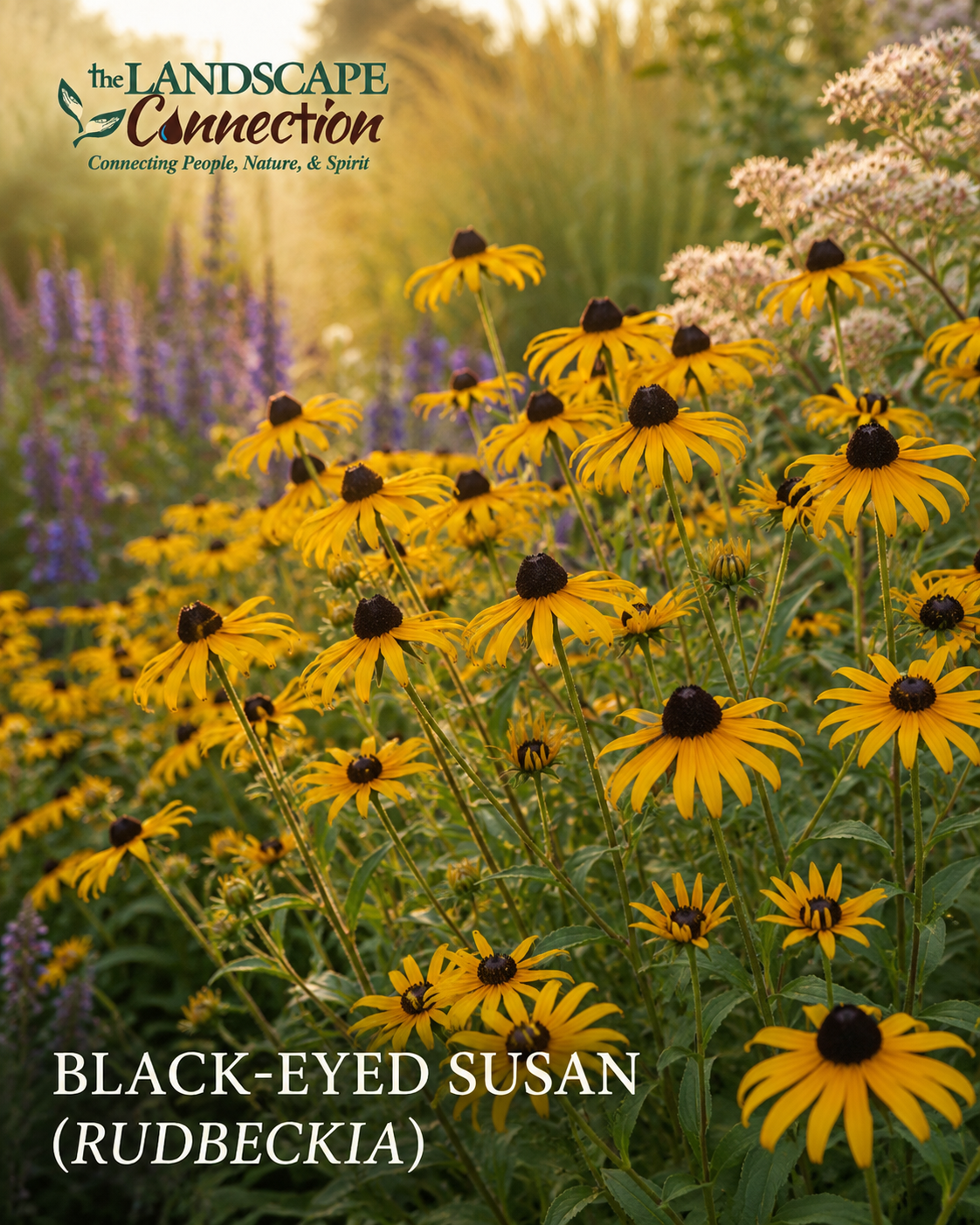
Black-Eyed Susan


Few flowers say late summer quite like Black-eyed Susan. Its golden-yellow petals and dark centers brighten the garden just when some earlier bloomers are beginning to fade.


Black-eyed Susans are dependable, long-blooming plants that work well in sunny perennial beds, cottage gardens and pollinator plantings. Their strong yellow color pairs beautifully with purple, blue and silver-leaved plants, making them especially useful for waking up a garden that has started to feel a little too green.
Sedum—Tall Stonecrop


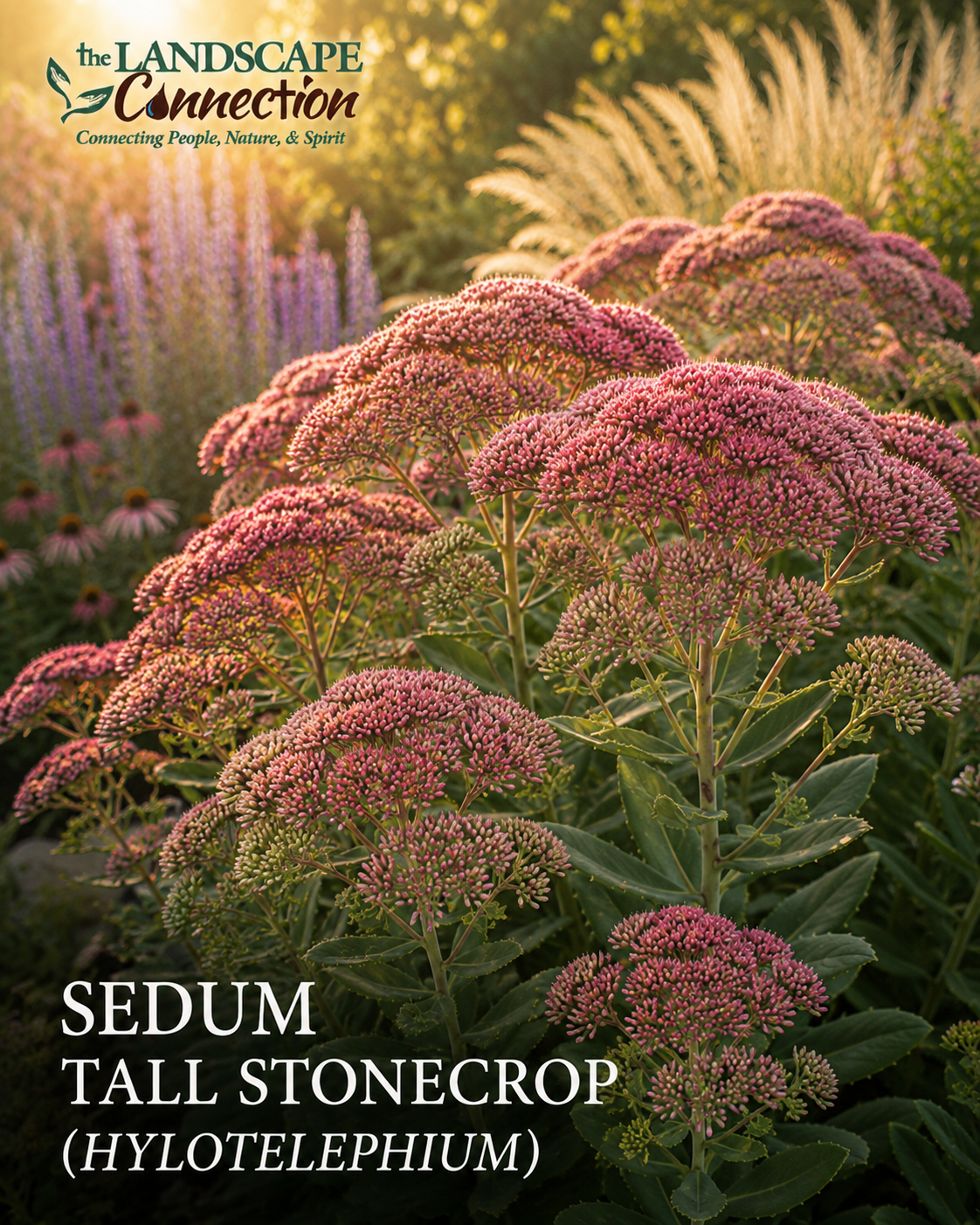
Tall stonecrop, commonly called sedum, brings more than flowers to the late-summer garden. Its sturdy stems and thick, succulent foliage provide structure throughout the season before broad flower clusters begin changing from pale green to pink, rose or burgundy.


Varieties such as ‘Autumn Joy’ are especially valuable because their flowers continue adding color and texture as summer moves into fall. The blooms also provide a dependable food source for butterflies and other pollinators late in the season.


Russian Sage


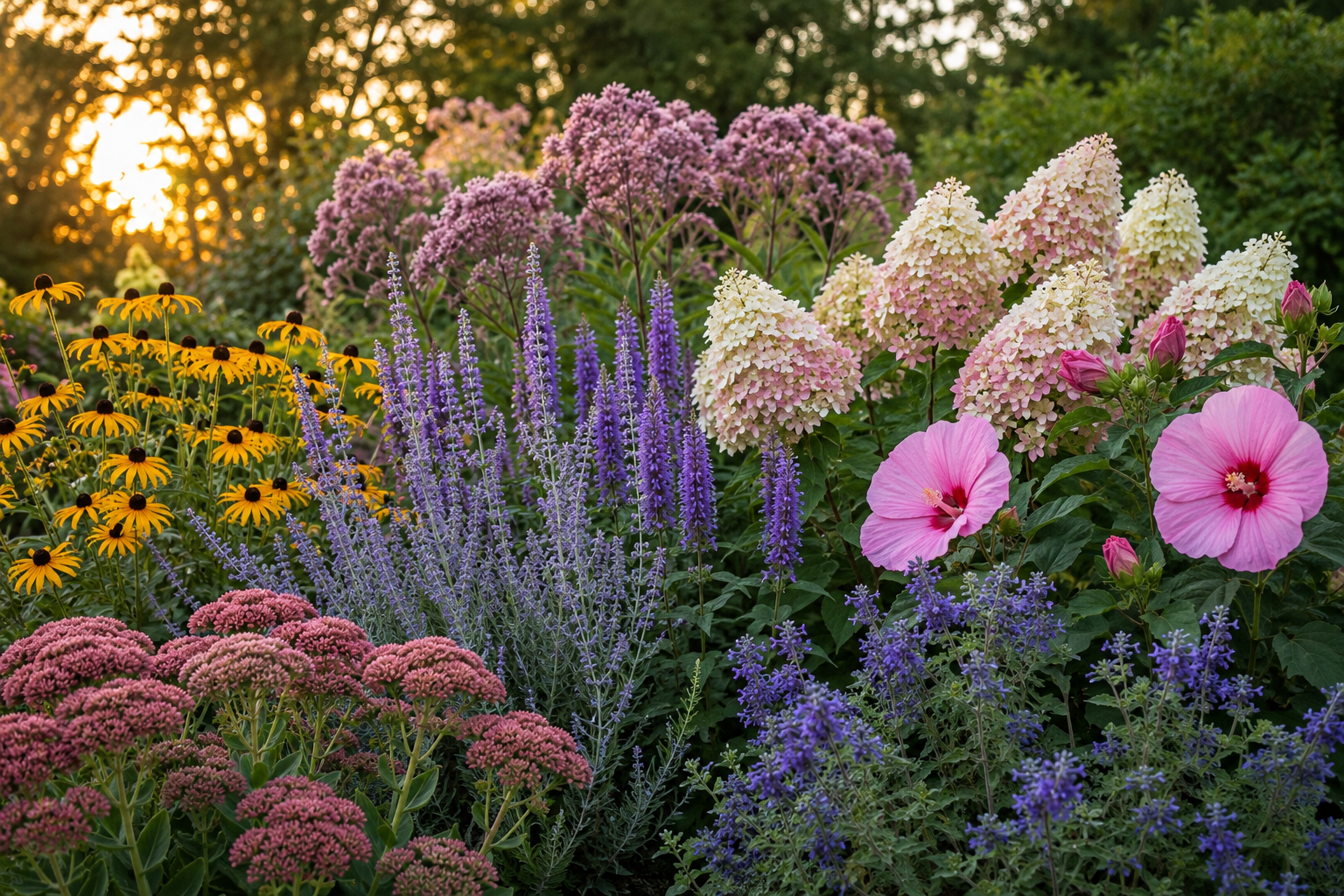
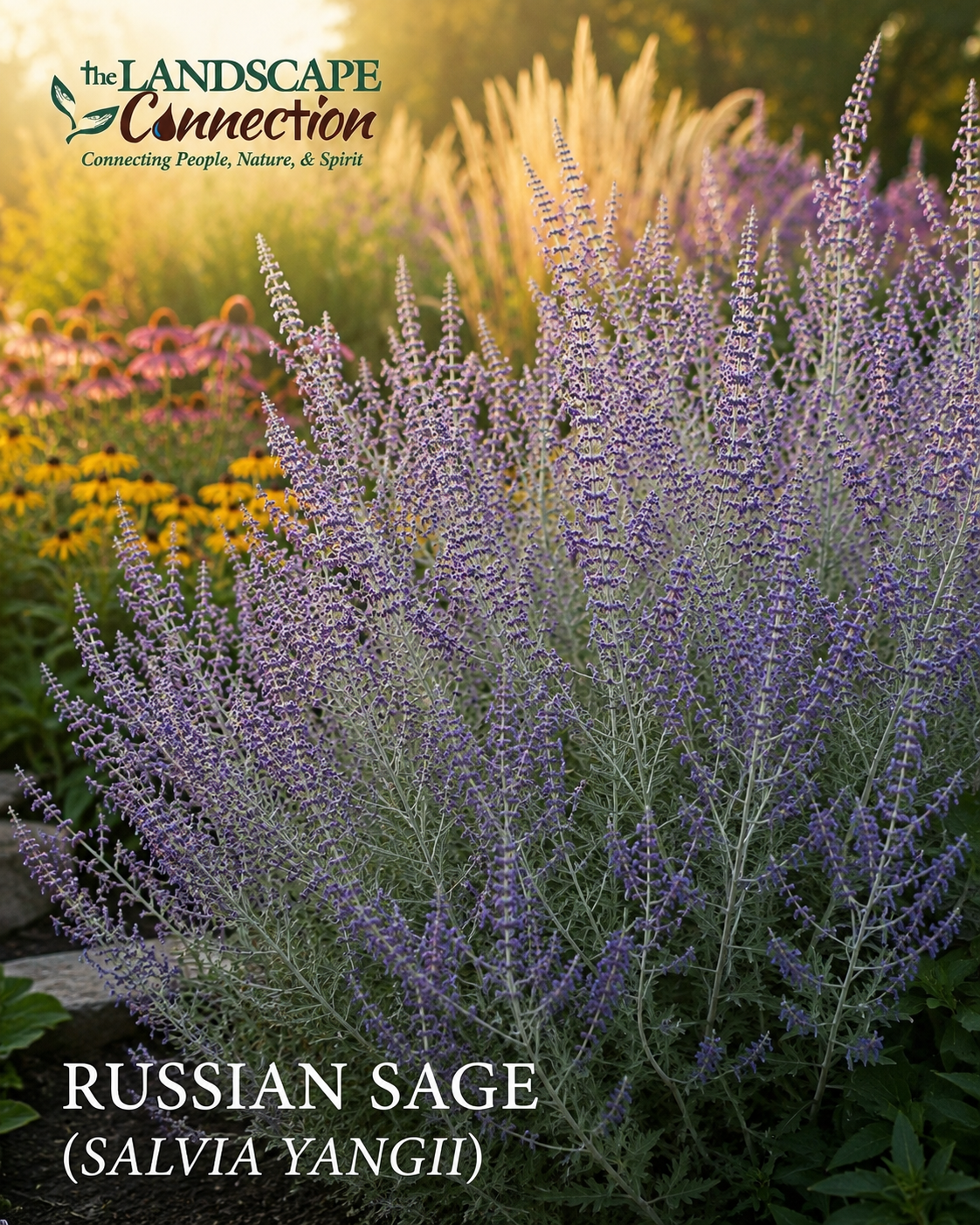
Russian sage creates an airy cloud of lavender-blue flowers above silvery-gray foliage. It softens the edges of a planting and looks especially beautiful when planted beside yellow Black-eyed Susans, pink sedum or ornamental grasses.


This sun-loving plant handles heat and dry conditions well once established, but good drainage is essential. Its loose, upright growth and long bloom period make it a wonderful choice for adding movement and cool color to a hot August landscape.


Hummingbird Mint


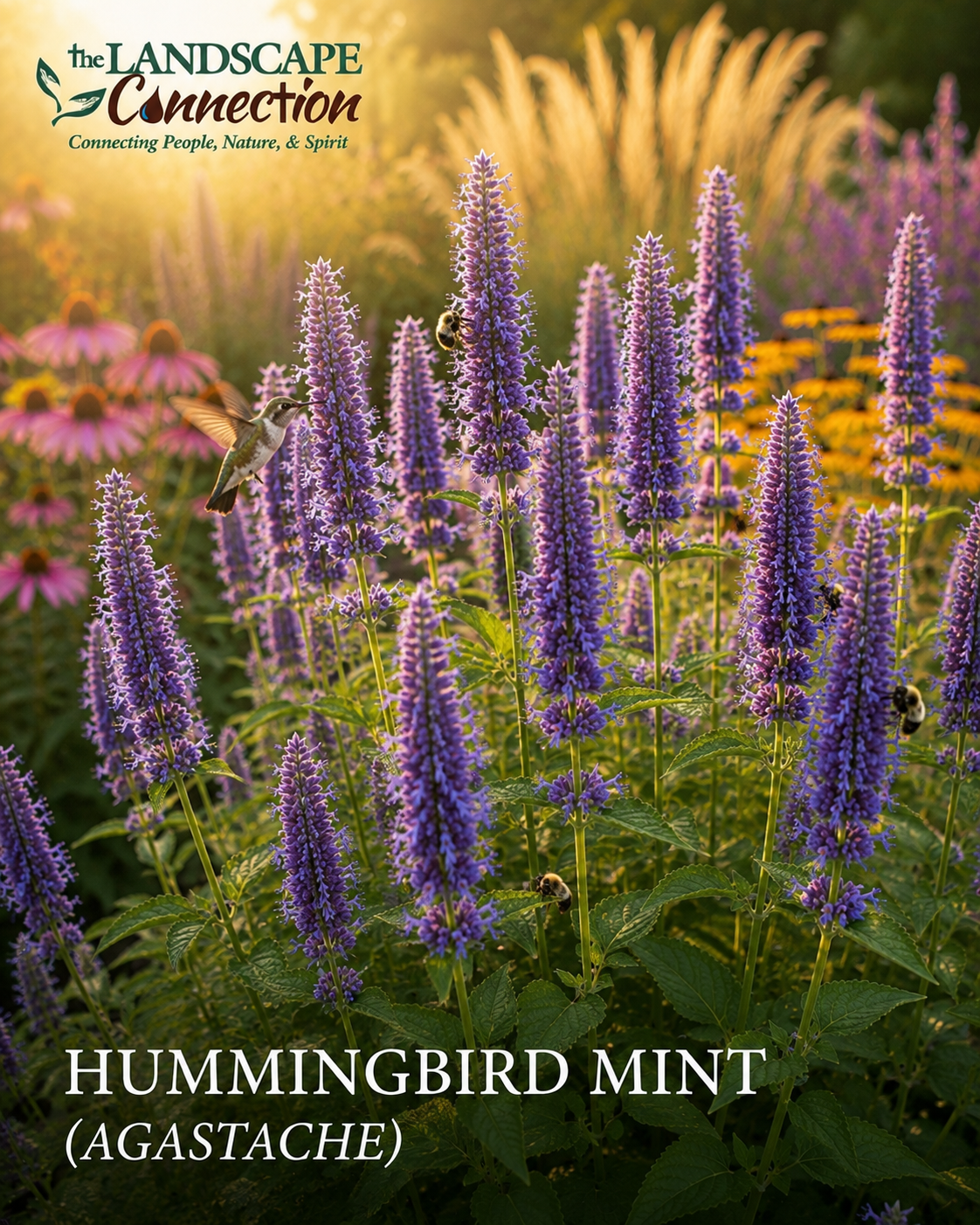
Hummingbird mint, or Agastache, adds upright flower spikes in shades of lavender, violet, pink, coral and orange, depending on the variety. Its vertical shape makes a beautiful contrast to rounded flowers and mounding perennials.


The tubular blooms are highly attractive to bees, butterflies and hummingbirds. Most varieties perform best in plenty of sun and well-drained soil, where they can continue blooming through the heat of late summer.


Joe-Pye Weed


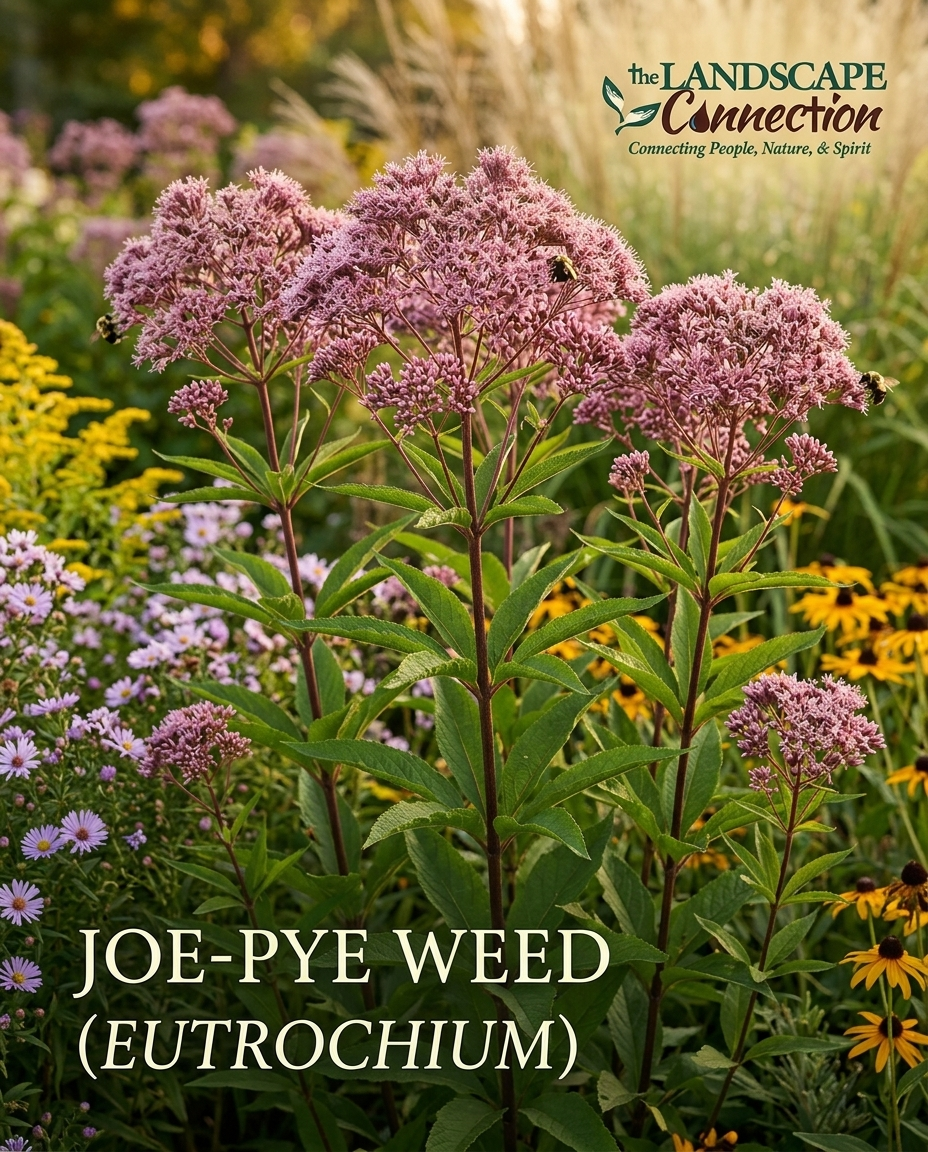
Joe-Pye weed is hard to miss when it reaches its late-summer peak. Tall stems are topped with large, dusty-pink flower clusters that create height and drama at the back of a perennial border.


It is an excellent choice for areas with moisture-retentive soil and provides an important late-season stop for butterflies and other pollinators. Although traditional varieties can become quite tall, more compact cultivars are available for smaller landscapes.


Panicle Hydrangea


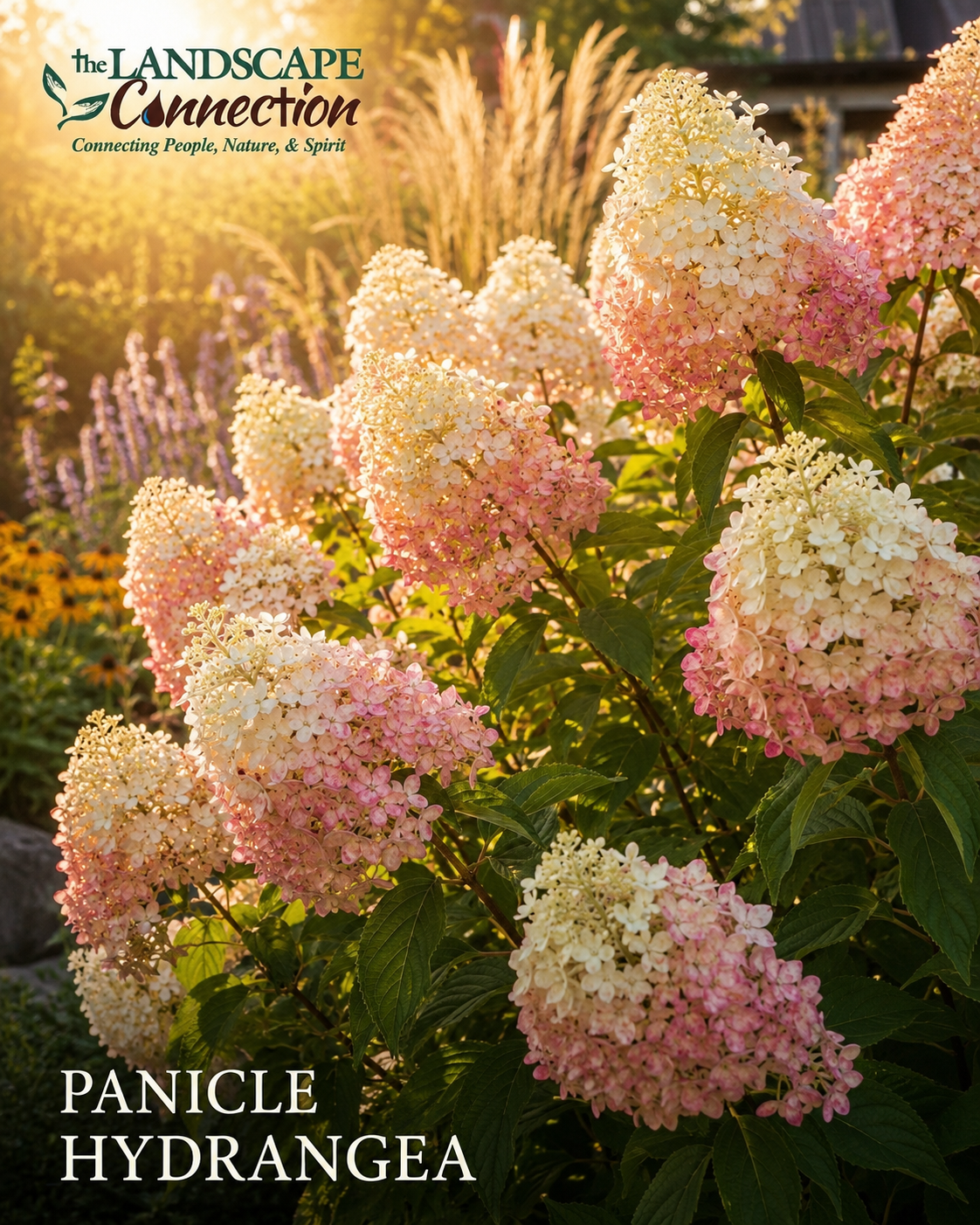
Panicle hydrangeas bring large, cone-shaped flower clusters to the landscape during the second half of summer. Many varieties open creamy white and gradually develop blush, rose or deeper pink tones as the season progresses.


Unlike the rounded blooms of some other hydrangeas, panicle hydrangeas have an elongated flower shape that adds height and structure. Their substantial size makes them useful as flowering hedges, focal points or anchors in a mixed landscape bed.


Rose Mallow (Perennial Hibiscus)


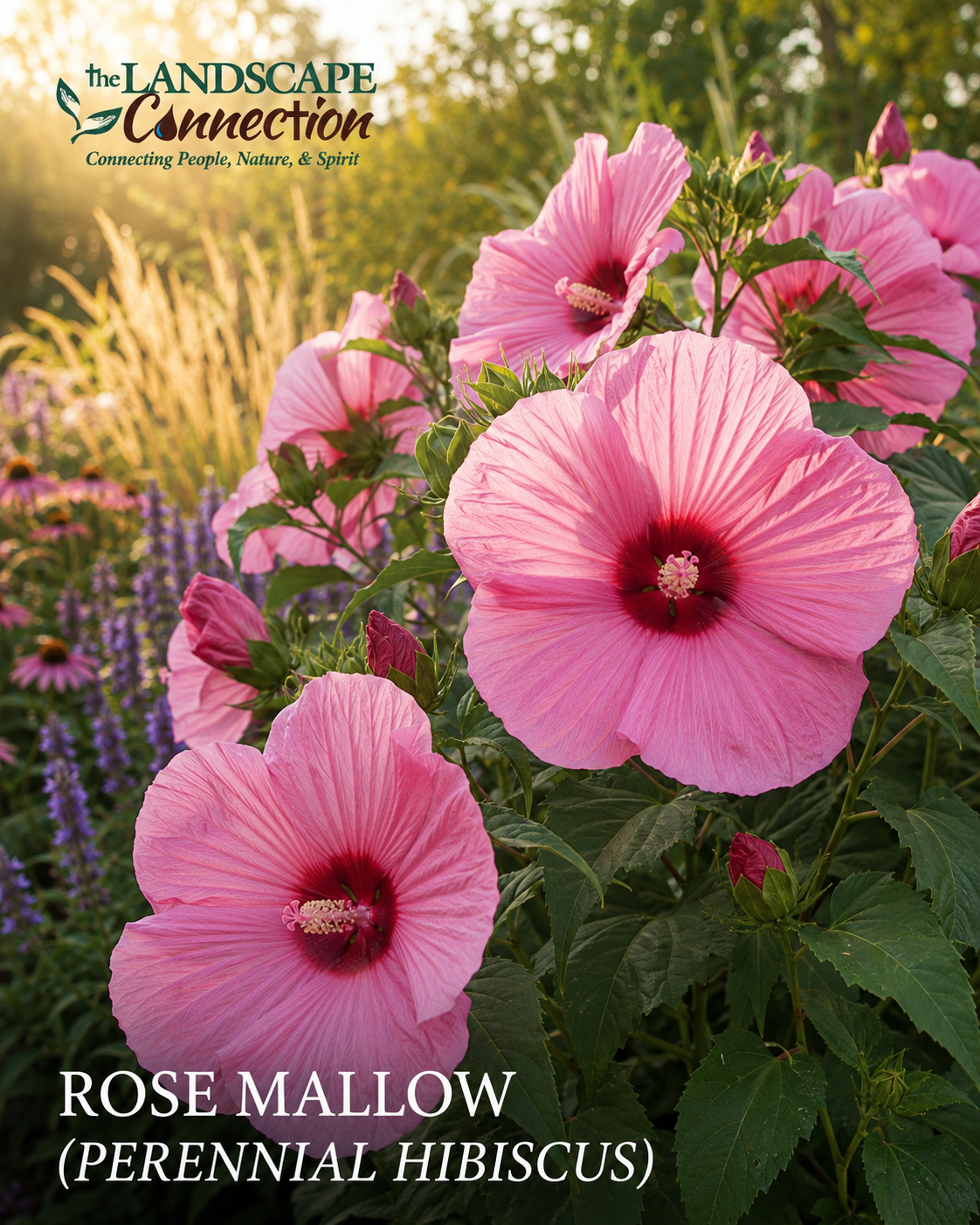
When perennial hibiscus begins blooming, it does not do anything halfway. Its enormous, dinner-plate-sized flowers can instantly become the focal point of the entire garden.


Also known as rose mallow, this hardy perennial produces tropical-looking blooms while still being able to return in cold-winter climates. It prefers rich soil with consistent moisture and may emerge very late in spring, so give it time before assuming it did not survive the winter.


Caryopteris (Bluebeard)


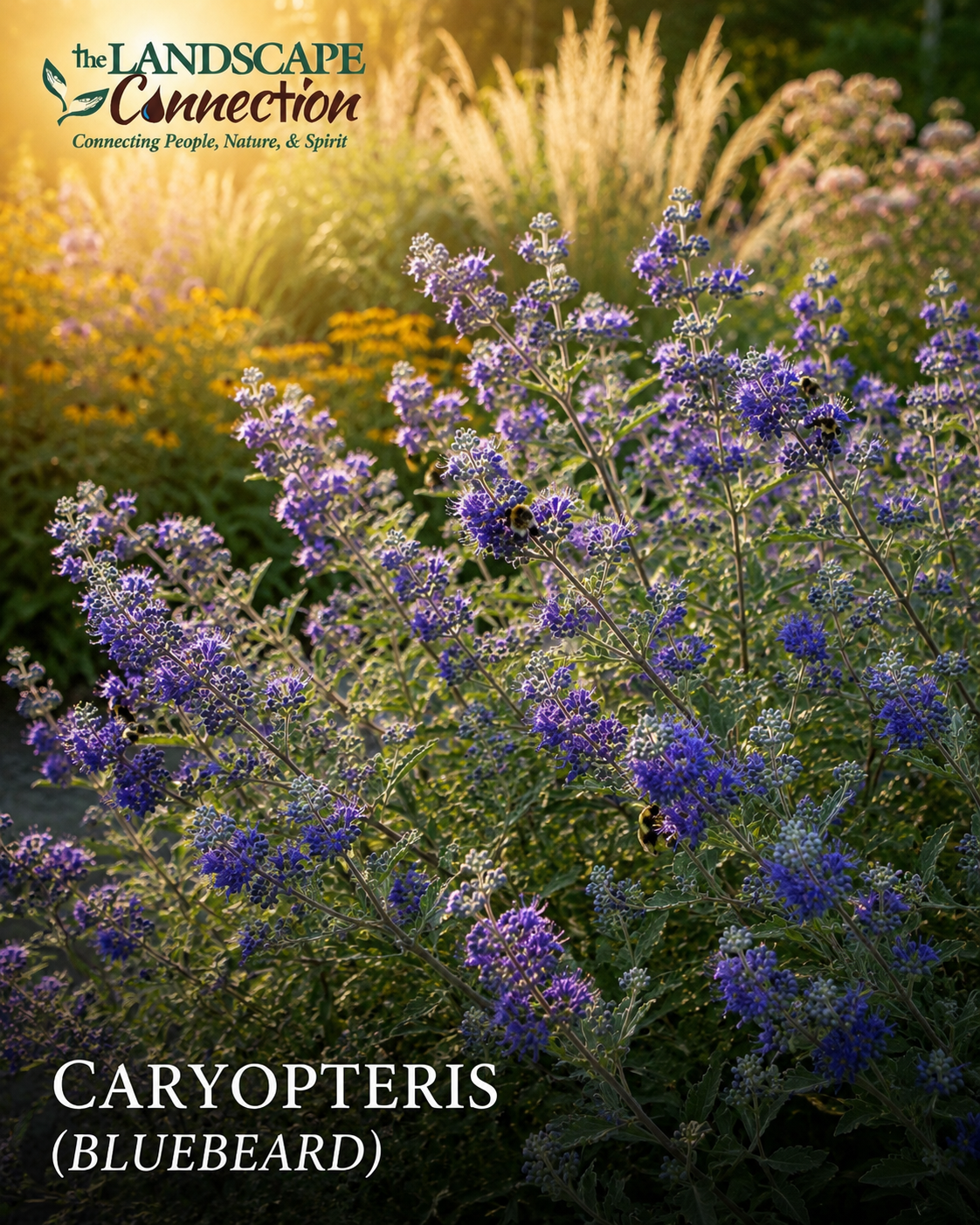
Caryopteris, commonly called bluebeard, is a compact shrub known for the blue or blue-violet flowers that develop along its stems in late summer.


The flowers are especially attractive to bees, butterflies and hummingbirds, often covering the plant with pollinator activity. Its silvery or gray-green foliage also looks good before the flowers appear. Plant Caryopteris in full sun with well-drained soil, and it will tolerate dry conditions once established.


Keep the Color Coming


Late summer does not have to mean the garden is finished. With the right combination of perennials and flowering shrubs, August can be one of the most colorful and active times of the entire gardening season.


Take a walk through your garden and notice where the color has faded. Is there an empty space that could use a tall Joe-Pye weed? A sunny corner that needs the golden glow of Black-eyed Susans? A landscape bed that could benefit from the structure of a panicle hydrangea?


Adding plants with different bloom times helps the garden continue changing throughout the season. As one group finishes, another can step forward and take its place.


Stop in and see us if you need help finding plants that will bring more color to your garden now and for years to come. We’ll help you choose the right plants for your sunlight, soil and available space.


The Landscape Connection
4472 S. Mulford Road
Rockford, IL 61109
(815) 874-8733
www.TheLandscapeConnection.net

Colorful annual containers refreshed for more late-summer beauty in an August garden.
By michelle.tlcgiftandgarden July 30, 2026
Refresh a tired August garden with simple tips for annuals, containers and fading plants while enjoying the second half of the Zone 5 season.
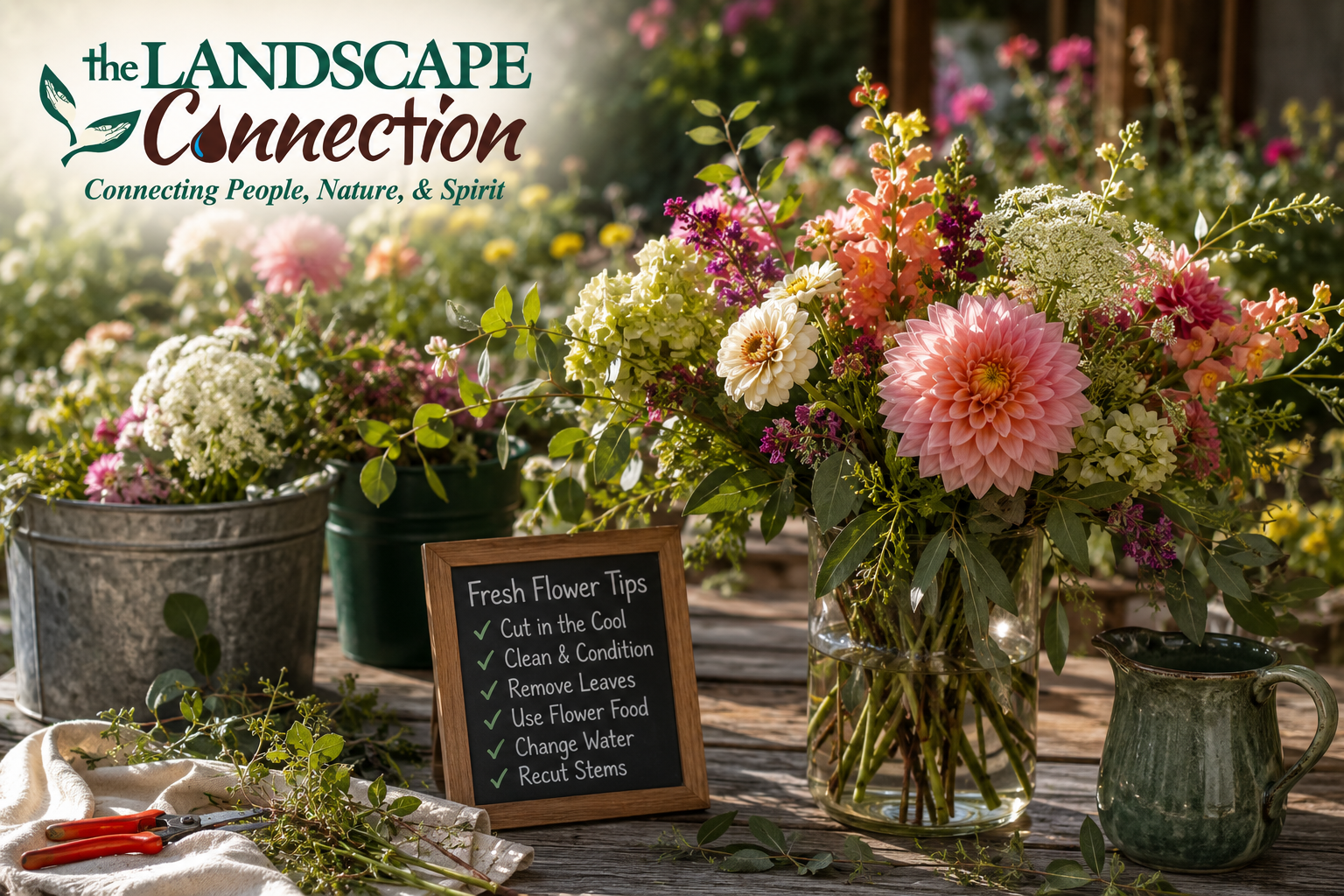
Fresh-cut garden bouquet beside flower care tips, snips and a watering pitcher.
By michelle.tlcgiftandgarden July 30, 2026
Learn how to cut, condition and care for fresh flowers so garden bouquets stay beautiful longer, from harvest time to fresh vase water.
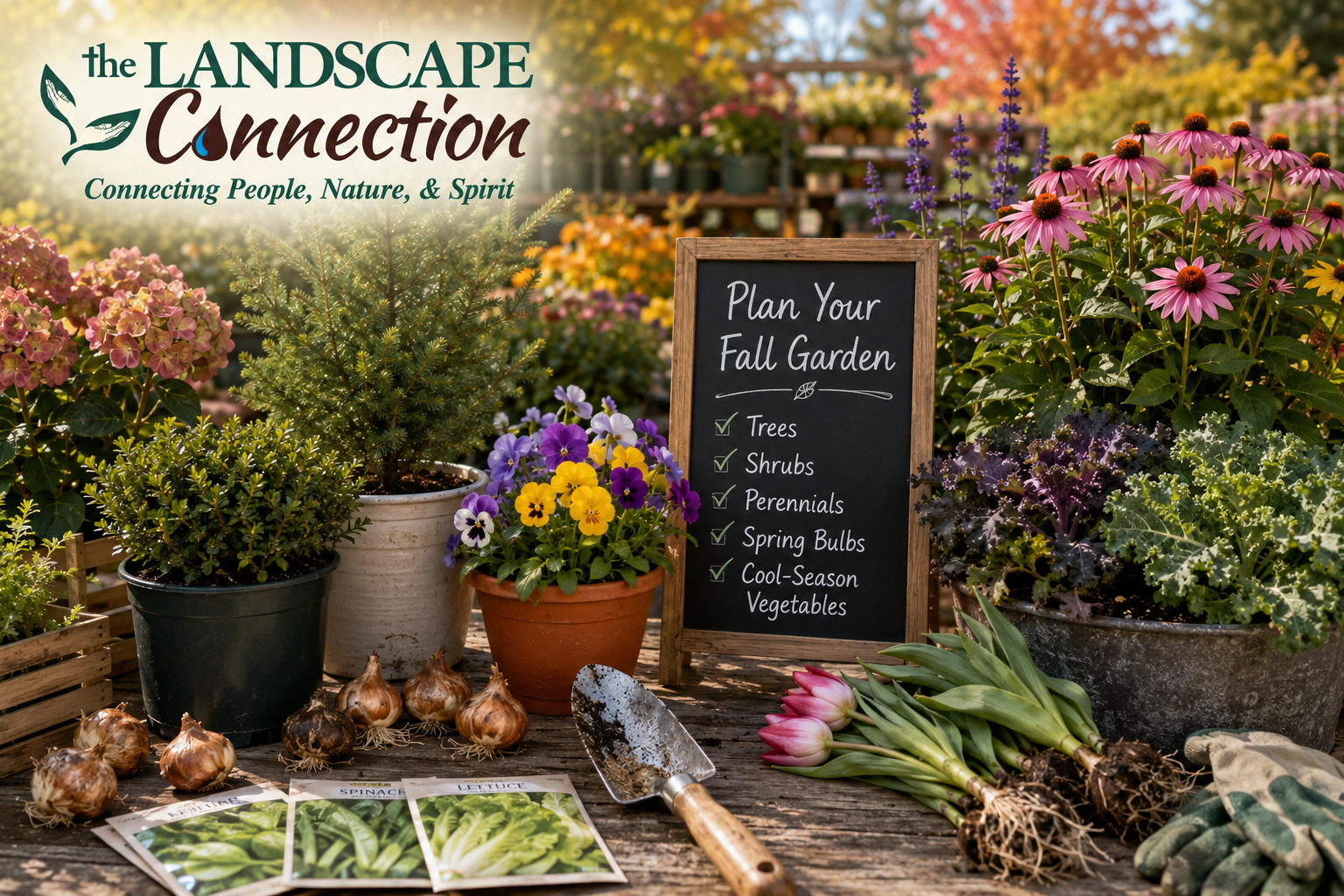
Fall garden plan with trees, shrubs, perennials, bulbs and cool-season vegetables.
By michelle.tlcgiftandgarden July 30, 2026
Start planning what to plant this fall in Zone 5, including trees, shrubs, perennials, spring bulbs and cool-season vegetables.
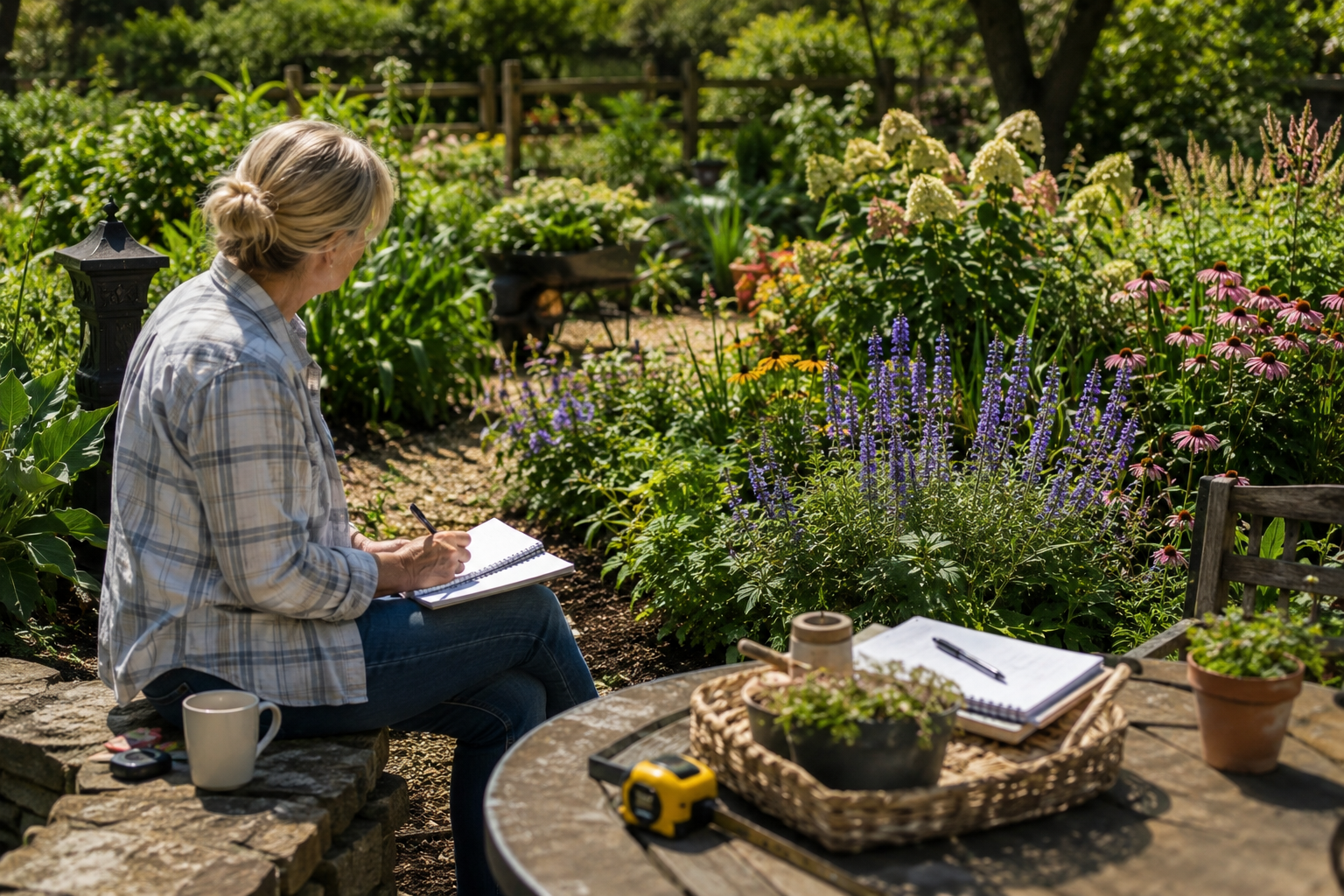
Gardener takes notes in an August garden to plan fall color, fill empty spaces, choose future plants
By michelle.tlcgiftandgarden July 30, 2026
Plan a better Zone 5 garden by evaluating August color, empty spaces, plant performance and companion needs before fall planting begins.
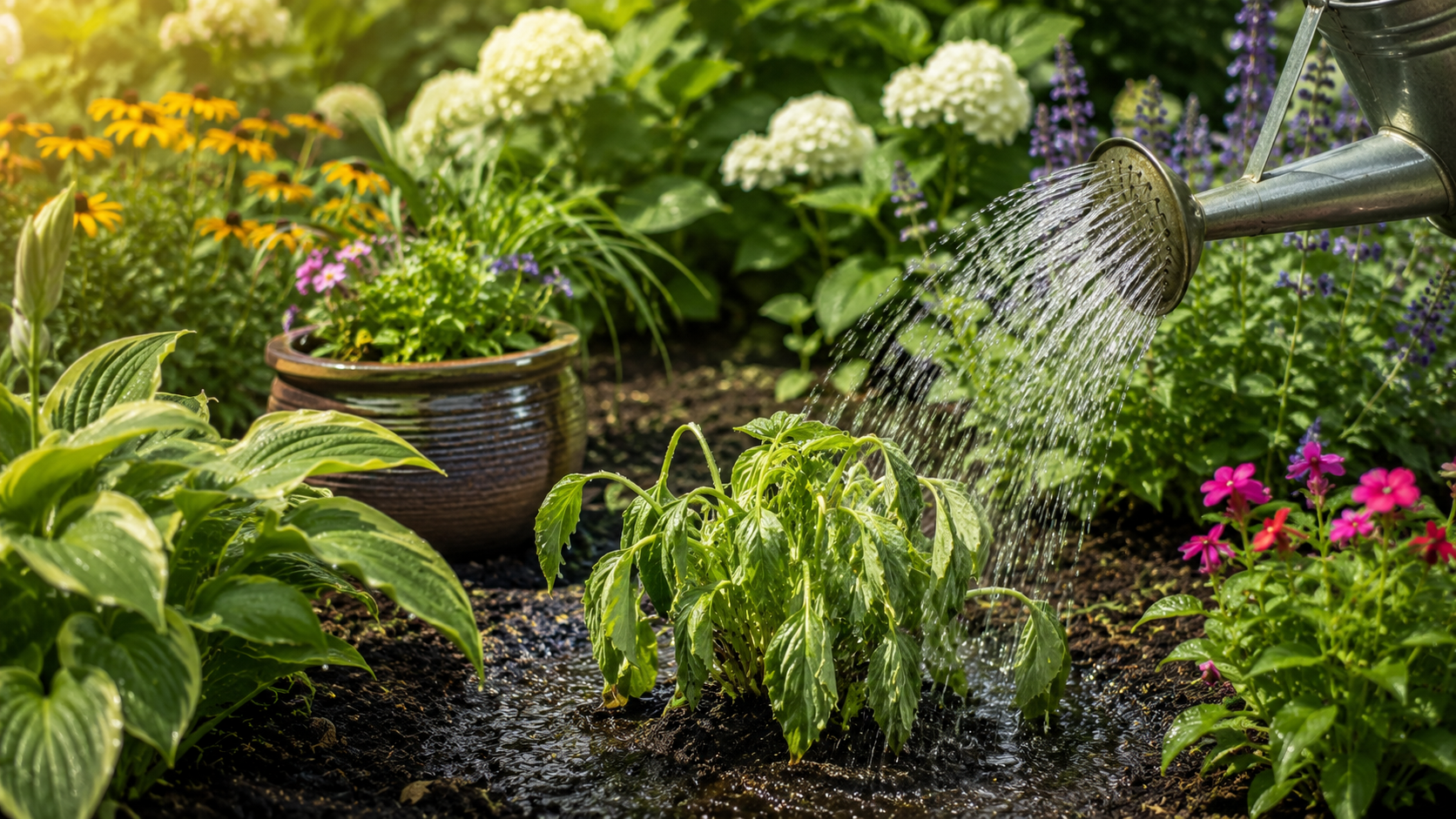
Wilting garden plant being watered deeply during summer heat beside healthy flowers and landscape pl
By michelle.tlcgiftandgarden June 30, 2026
Learn how to tell the difference between heat stress and drought stress, plus proper watering tips to keep your garden healthy all summer.
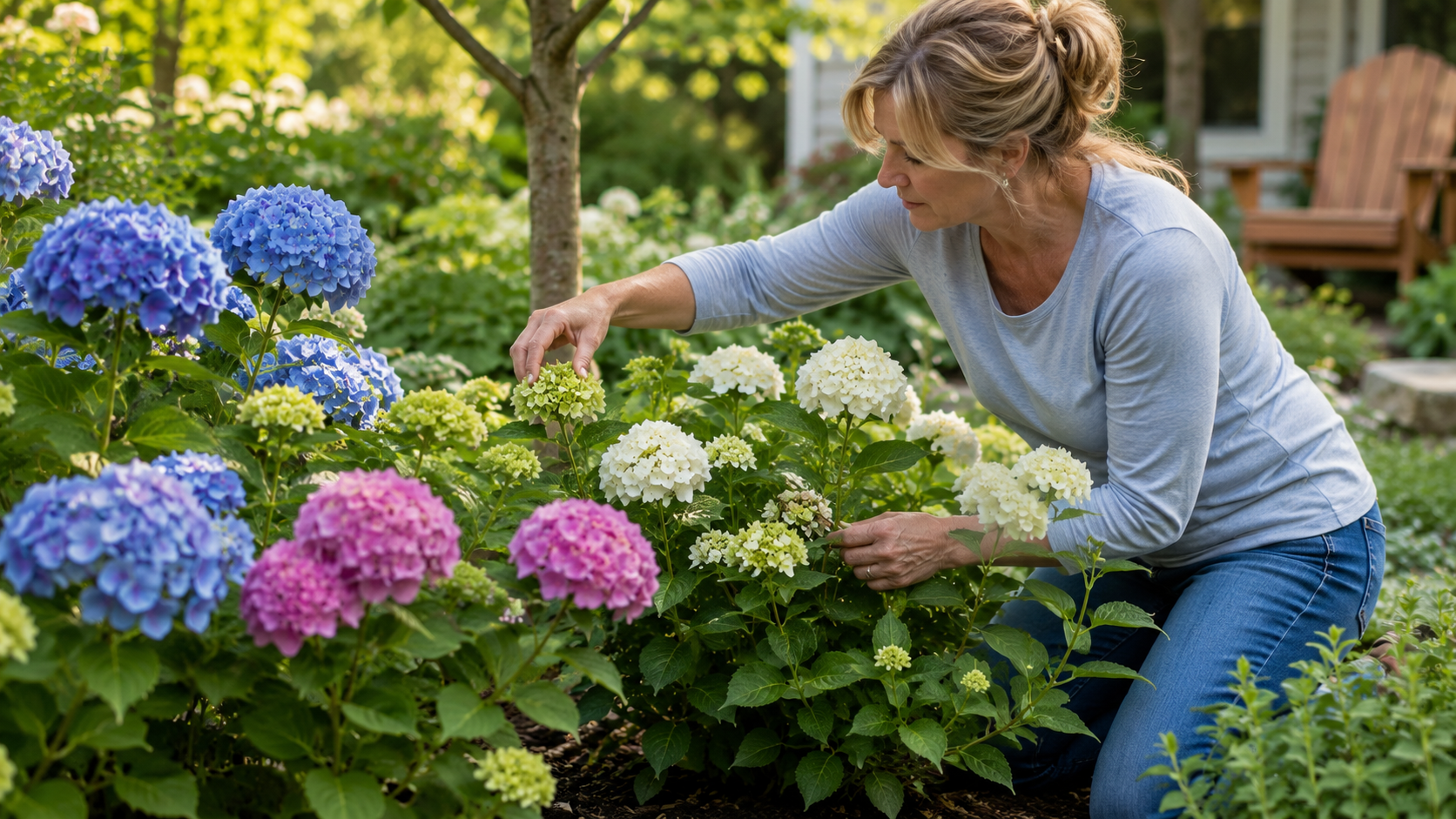
Gardener examining blooming blue, pink, and white hydrangeas in a sunny landscape garden.
By michelle.tlcgiftandgarden June 30, 2026
Learn why your hydrangea isn't blooming, including pruning mistakes, old wood vs. new wood, winter damage, shade, and fertilizer tips.
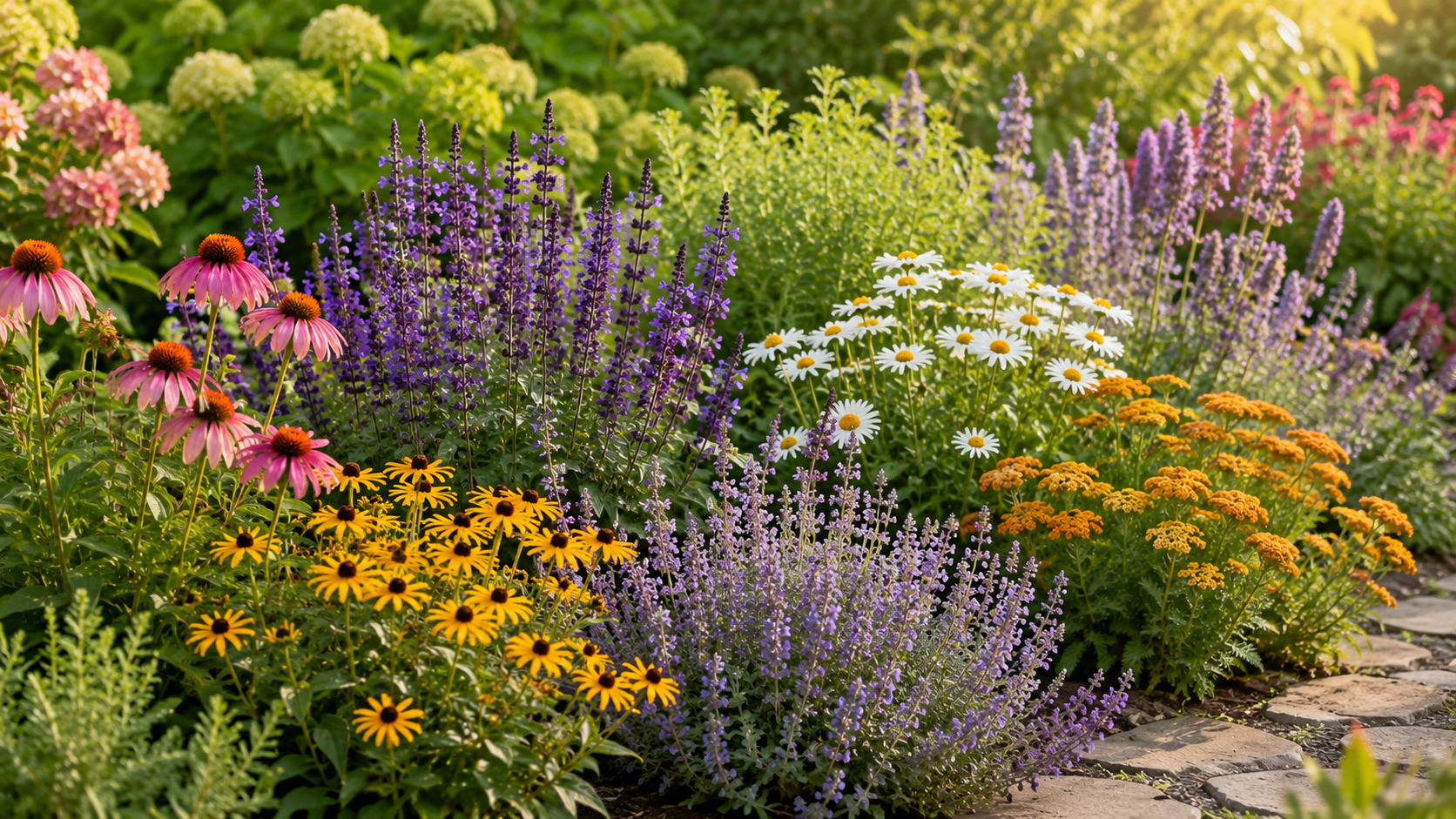
Colorful summer perennial garden featuring coneflowers, salvia, Shasta daisies, yarrow, and black-ey
By michelle.tlcgiftandgarden June 30, 2026
Discover which perennials rebloom and which bloom for weeks with simple care tips from Michelle at The Landscape Connection.
Fresh-picked vegetables, basil, and colorful cut flowers harvested from a thriving summer garden in
By michelle.tlcgiftandgarden June 30, 2026
Harvest vegetables, herbs, and flowers the right way to encourage continuous production throughout summer with gardening tips from Michelle at The Landscape Connection.
Gardener deadheading colorful summer flowers to encourage healthy growth and blooms throughout July
By michelle.tlcgiftandgarden June 30, 2026
Keep your summer garden healthy and colorful with simple July maintenance tips from Michelle at The Landscape Connection, including deadheading, fertilizing, pruning, and weed control.
June-blooming perennials create weeks of color in a thriving Zone 5 garden.
By michelle.tlcgiftandgarden June 2, 2026
Discover the top blooming perennials for Zone 5 gardens in June, including coneflowers, salvia, lavender, and more seasonal favorites.
Show More