10 Drought-Tolerant Perennials That Love the Heat (and Still Look Fabulous)

10 Drought-Tolerant Perennials That Love the Heat (and Still Look Fabulous)

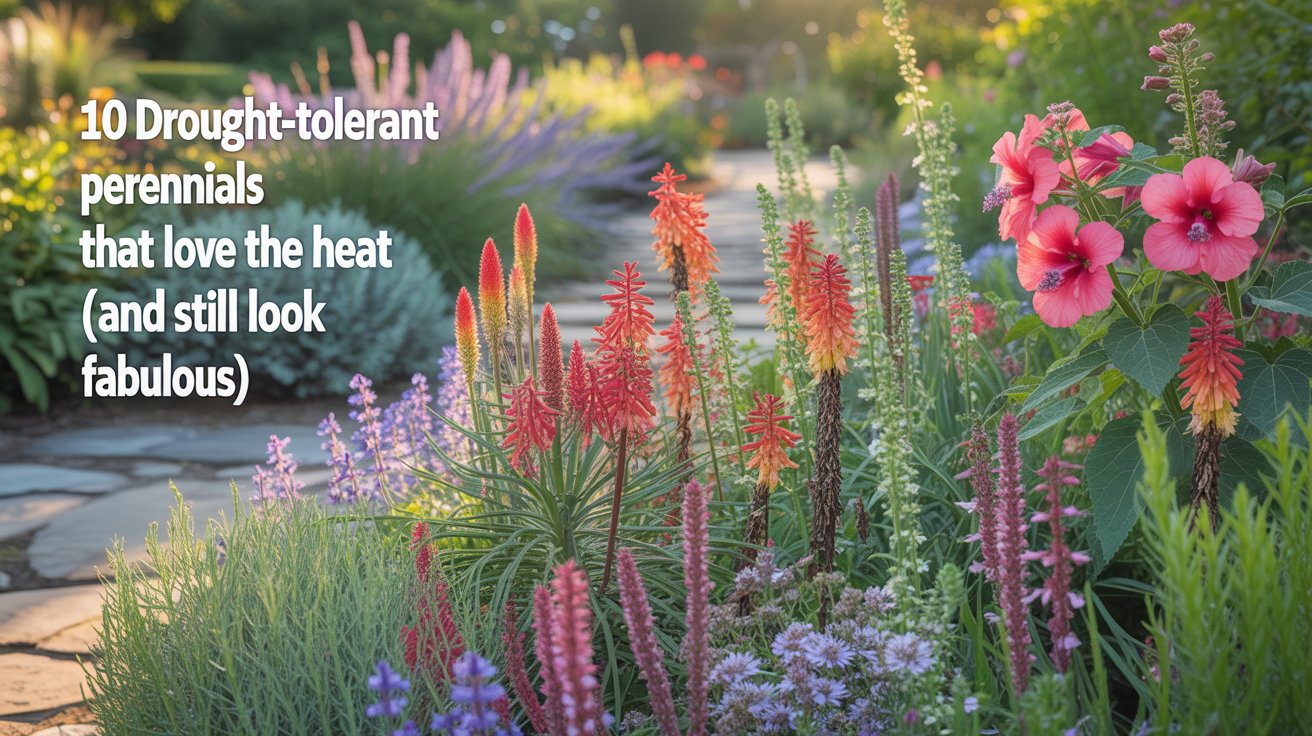
10 drought-tolerant perennials in a colorful garden with pink flowers and tall spires
When summer sends the mercury soaring, it’s tempting to write off flower beds until cooler weather returns. But not all plants melt in the heat! In fact, there’s a whole group of hardy perennials that crave sunshine, tolerate dry spells, and still deliver long-lasting color and pollinator action—all with minimal fuss.

If you’re gardening in Zone 5 (hello, Midwest!), these sun-worshippers are tough enough to handle hot, dry conditions and keep looking spectacular through it all. Ready to plant smarter—not harder? Here’s your heat-defying lineup: 
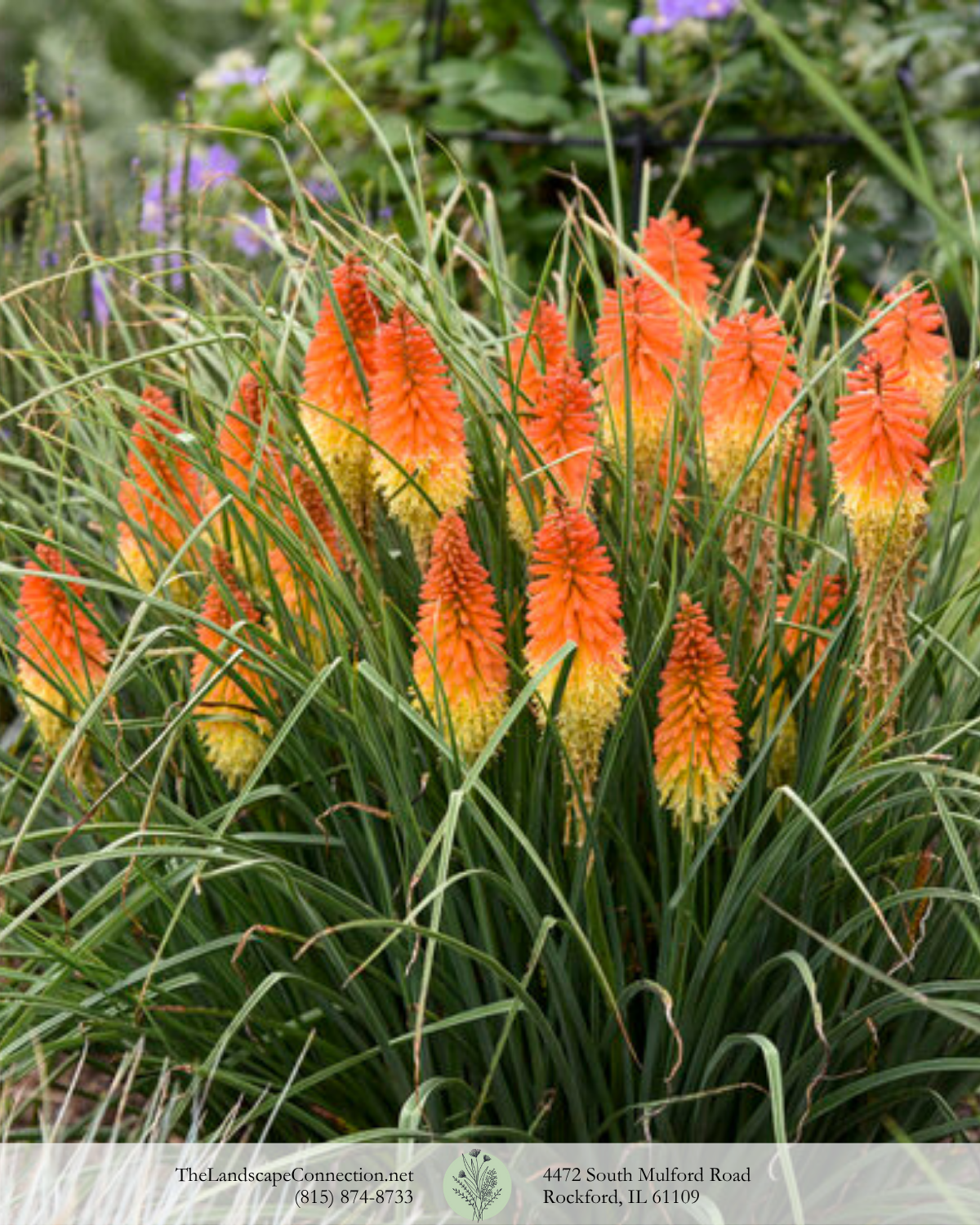
Orange and yellow torch lilies blooming in a grassy garden bed

🔥 Red Hot Poker (Kniphofia)


These dramatic, torch-like blooms earn their name with fiery red, orange, and yellow spikes that attract hummingbirds from blocks away. Their tall, architectural structure adds a bold, exotic look to your beds and thrives in full sun and well-drained soil. Bonus: they’re rabbit and deer resistant!
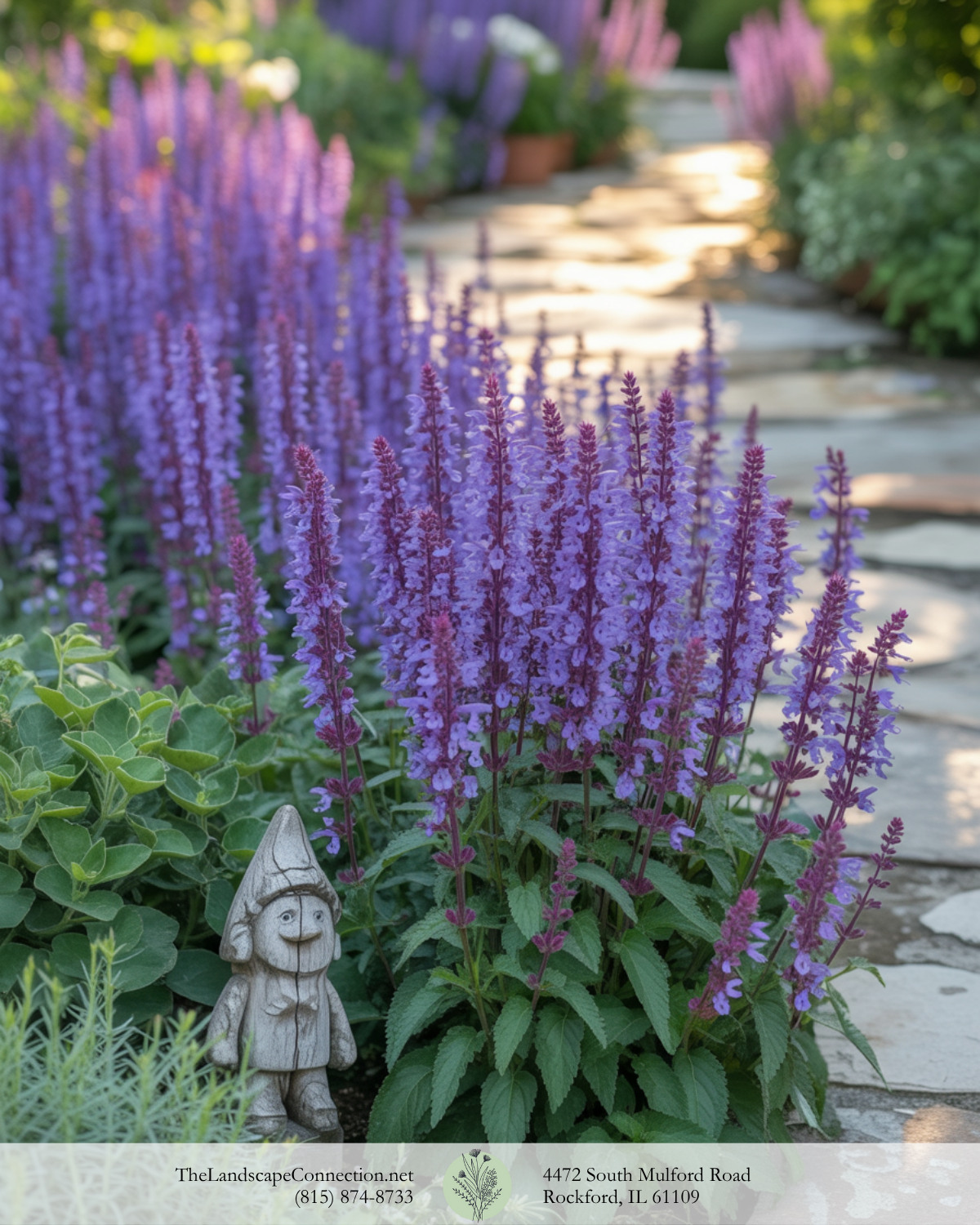
Purple flowers lining a stone garden path with a small gray statue in the foreground

🐝 Salvia


A pollinator’s dream and a gardener’s best friend. Salvia offers upright spikes of purple, blue, or pink flowers that bloom from early summer into fall. Heat and drought don’t faze it, and its aromatic foliage deters critters. Try varieties like ‘May Night’ or ‘Caradonna’ for a reliable pop of color.

Pink hibiscus flowers blooming in a lush green garden

🌺 Hardy Hibiscus (Rose Mallow)


You don’t have to live in the tropics to enjoy hibiscus. These Zone 5-friendly stunners produce massive, plate-sized blooms in shades of red, white, or pink—perfect for adding drama to sunny spots. While they take a bit to wake up in spring, once established, they’re shockingly drought tolerant.

Pink and orange coneflowers blooming in a garden bed

🌸 Coneflower (Echinacea)


A true native champion. Echinacea brings strength, beauty, and eco-benefits to your garden with daisy-like blooms that persist from summer to fall. These perennials are beloved by bees, butterflies, and birds (goldfinches love the seed heads), and they come back stronger each year—rain or shine.

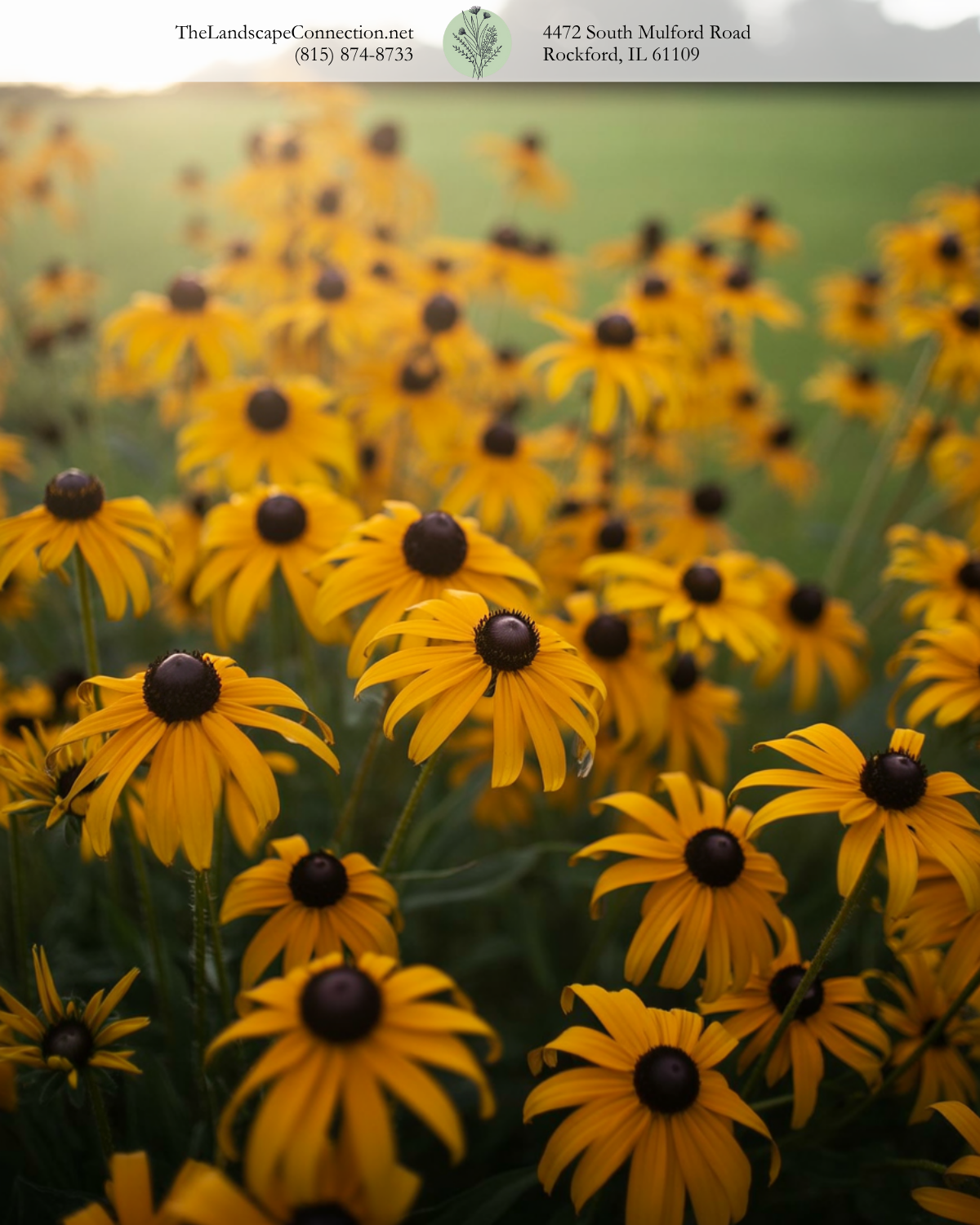
Yellow black-eyed Susans blooming in a field with a soft green background.

🌞 Rudbeckia (Black-Eyed Susan)


Cheerful and sun-loving, Rudbeckia is the golden standard for low-maintenance landscapes. Its bold yellow petals with dark centers shine from midsummer through early fall. These rugged perennials are easy to grow, drought resistant, and perfect for naturalized or cottage-style gardens.

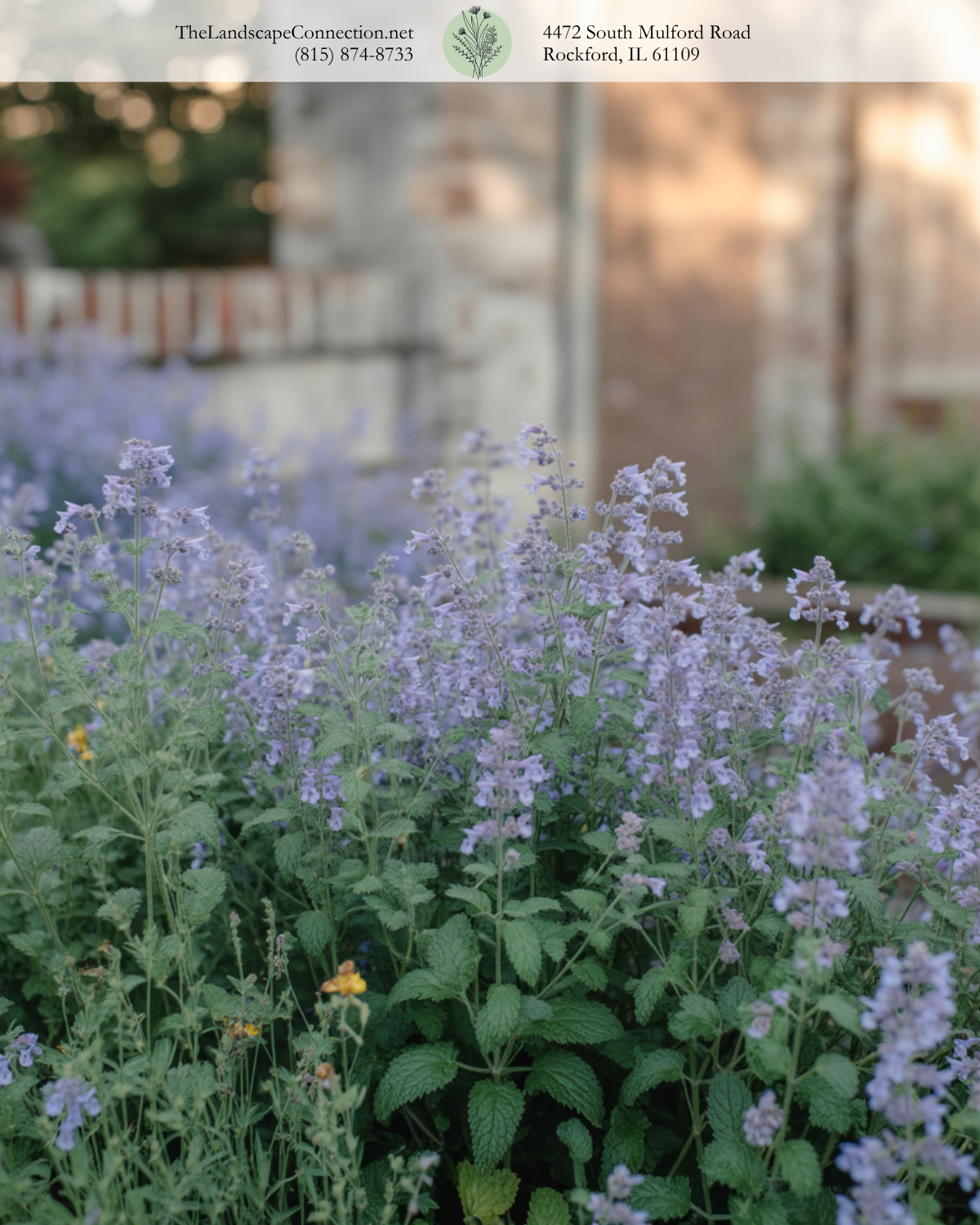
Purple flowers blooming in a garden bed with a blurred stone building in the background

😺 Nepeta (Catmint)


Don’t let the name fool you—catmint is more than just feline bait. With silvery foliage, lavender-blue blooms, and a sprawling habit, Nepeta makes an excellent border or groundcover plant. It’s fragrant, pollinator-friendly, nearly always in bloom, and unbothered by drought or deer.

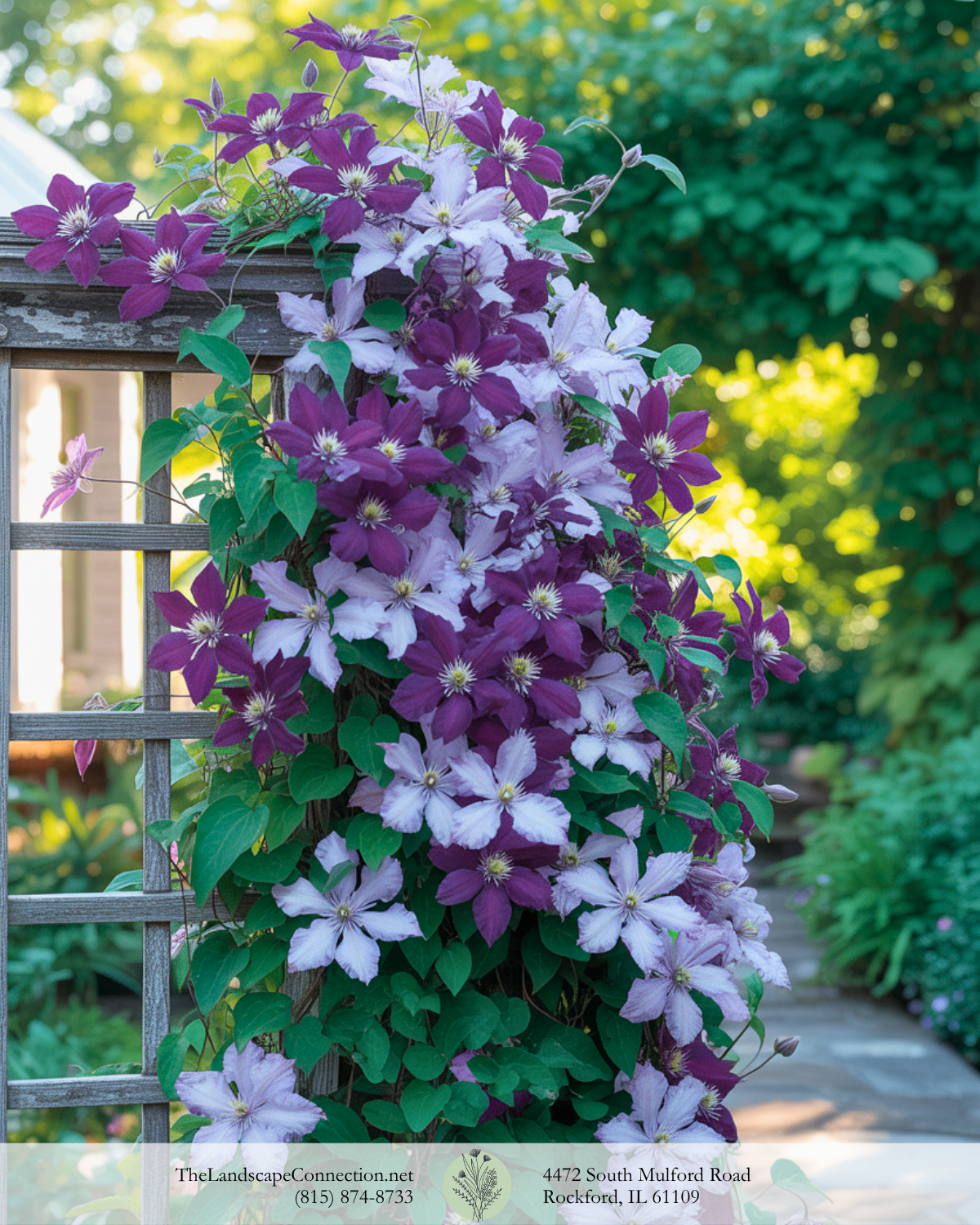
Purple and white clematis cascading over a garden trellis beside a window

🎨 Clematis


While not all clematis varieties are drought-tolerant, many do well in hot climates if you keep their roots cool. Mulch deeply or plant at the base of taller companions. They’ll reward you with vivid vertical color on arbors, trellises, and fences—and many rebloom with a little midseason care.

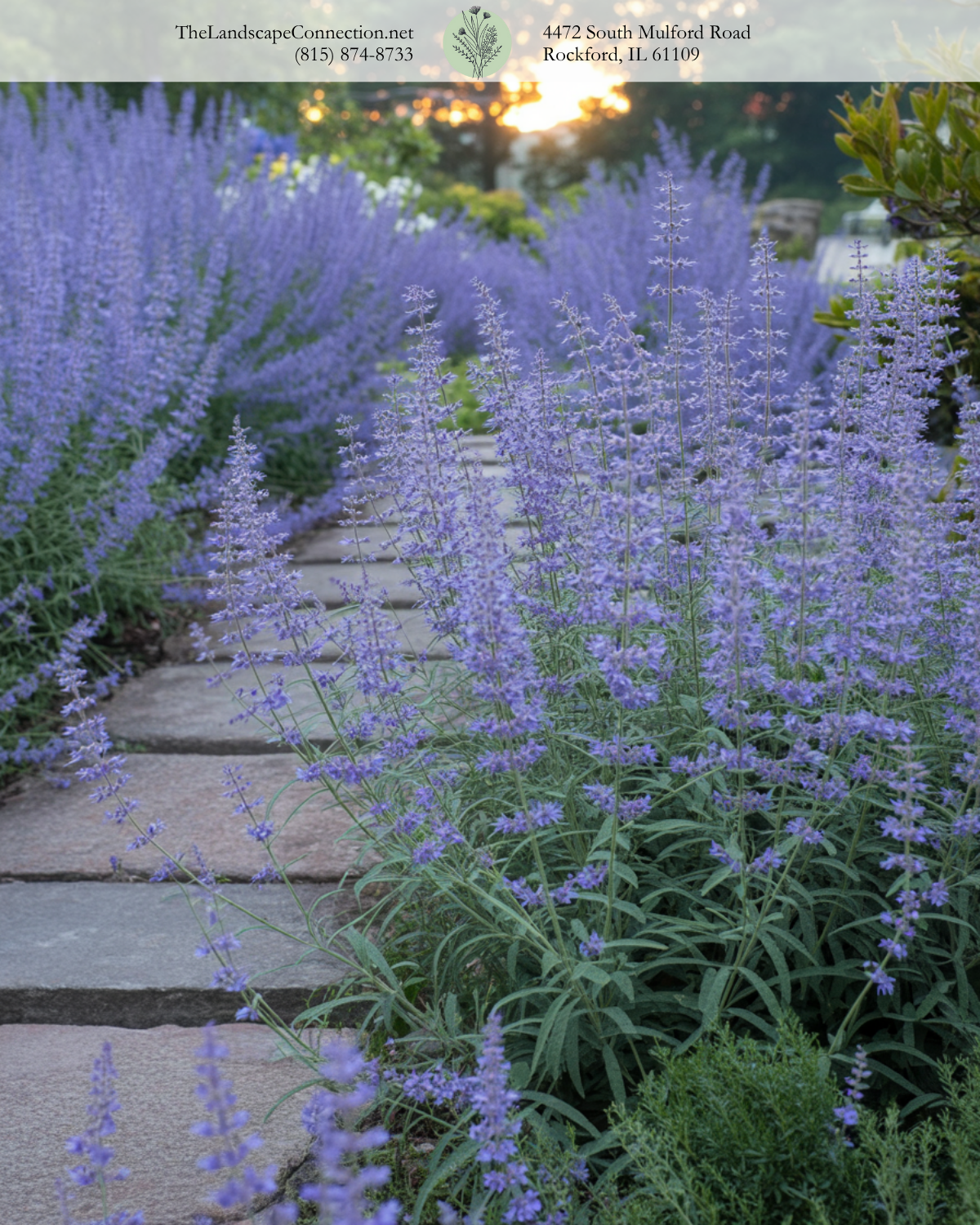
Lavender-blue flowers lining a stone garden path at sunset

🌾 Russian Sage (Perovskia atriplicifolia)


A showstopper in hot, dry gardens, Russian Sage features silvery-gray foliage and tall, wispy stems covered in soft lavender flowers. This perennial brings a breezy, meadow-like texture to your landscape and thrives in full sun, poor soil, and drought once established.

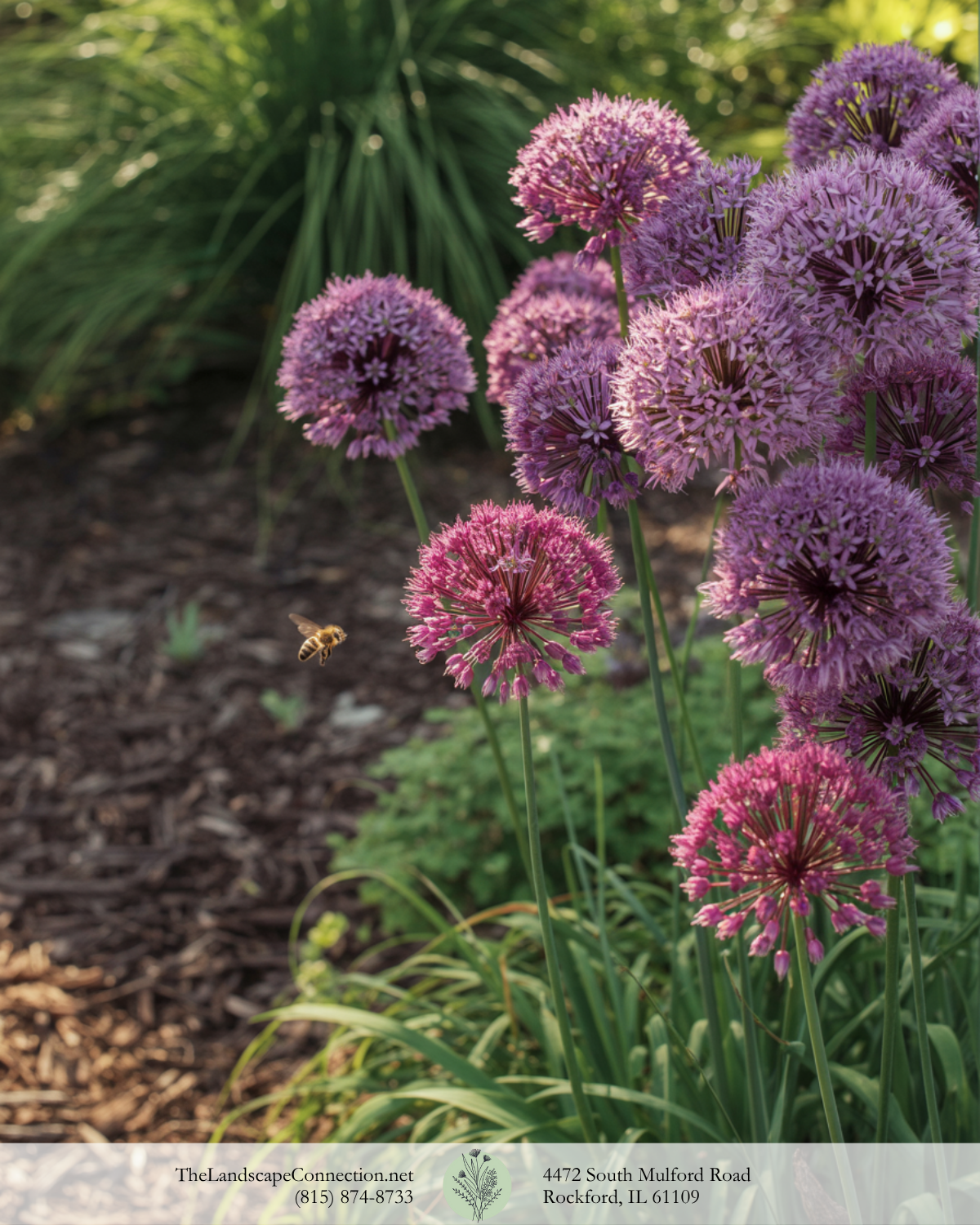
Purple and pink allium flowers blooming in a garden bed

🌐 Summer Alliums


These quirky, globe-shaped blooms rise like lollipops from slender stems, offering structural flair and a bit of whimsy. They’re heat and drought tolerant, pollinator-friendly, and fantastic for cutting gardens or adding visual rhythm to your perennial borders.

Pink flowering succulents in a landscaped garden bed bordered by stone and mulch

🌞 Sedum (Stonecrop)


If there’s a tougher perennial out there, we haven’t met it. Sedum, also known as stonecrop, is a resilient groundcover or upright bloomer that thrives in heat, sun, and poor soil. These fleshy-leaved plants store water like succulents, making them ideal for dry spells. Come late summer, they explode in clusters of star-shaped flowers that bees and butterflies can’t resist. Whether you're looking for a tidy border or something to soften the edge of a rock garden, sedum delivers charm without the fuss.


💡 Bonus Tip: Help Your Heat-Lovers Thrive

Want to get the most out of your drought-tolerant perennials? Here’s how:

  • Mulch matters: A 2–3" layer helps insulate roots and retain moisture. Avoid piling against stems.
  • Water wisely: Water deeply and less often to encourage deep root growth. Morning is best.
  • Smart placement: Group drought-tolerant plants together so you’re not overwatering nearby companions.


🌼 Come See These Tough Beauties in Person

You don’t have to sacrifice beauty for durability. At The Landscape Connection, we carry all these powerhouse perennials and more—ready to thrive in your Zone 5 garden. Stop in and let us help you build a summer-ready, low-maintenance landscape that truly shines.


📍 The Landscape Connection
4472 S. Mulford Rd.
Rockford, IL 61109
(815) 874-8733
www.TheLandscapeConnection.net

Wilting garden plant being watered deeply during summer heat beside healthy flowers and landscape pl
By michelle.tlcgiftandgarden June 30, 2026
Learn how to tell the difference between heat stress and drought stress, plus proper watering tips to keep your garden healthy all summer.
Gardener examining blooming blue, pink, and white hydrangeas in a sunny landscape garden.
By michelle.tlcgiftandgarden June 30, 2026
Learn why your hydrangea isn't blooming, including pruning mistakes, old wood vs. new wood, winter damage, shade, and fertilizer tips.
Colorful summer perennial garden featuring coneflowers, salvia, Shasta daisies, yarrow, and black-ey
By michelle.tlcgiftandgarden June 30, 2026
Discover which perennials rebloom and which bloom for weeks with simple care tips from Michelle at The Landscape Connection.
Fresh-picked vegetables, basil, and colorful cut flowers harvested from a thriving summer garden in
By michelle.tlcgiftandgarden June 30, 2026
Harvest vegetables, herbs, and flowers the right way to encourage continuous production throughout summer with gardening tips from Michelle at The Landscape Connection.
Gardener deadheading colorful summer flowers to encourage healthy growth and blooms throughout July
By michelle.tlcgiftandgarden June 30, 2026
Keep your summer garden healthy and colorful with simple July maintenance tips from Michelle at The Landscape Connection, including deadheading, fertilizing, pruning, and weed control.
June-blooming perennials create weeks of color in a thriving Zone 5 garden.
By michelle.tlcgiftandgarden June 2, 2026
Discover the top blooming perennials for Zone 5 gardens in June, including coneflowers, salvia, lavender, and more seasonal favorites.
Fresh mulch surrounds healthy garden plants, helping conserve moisture and reduce weeds in summer.
By michelle.tlcgiftandgarden June 2, 2026
Discover why mulching is one of the most important mid-season garden tasks. Learn how mulch conserves moisture, reduces weeds, improves soil, and protects plants in Zone 5 gardens.
Honeybee collecting pollen from purple salvia flowers in a sunlit pollinator-friendly summer garden.
By michelle.tlcgiftandgarden June 2, 2026
Learn how to support pollinators in your Zone 5 garden with flowers, native plants, water sources, and pollinator-friendly gardening practices.
Ripe tomatoes and flowering basil attract pollinators in a companion-planted vegetable garden.
By michelle.tlcgiftandgarden June 2, 2026
Learn how companion planting can improve your vegetable garden by attracting pollinators, supporting beneficial insects, maximizing space, and creating healthier, more productive harvests.
Home gardener watering at the base of plants in a backyard garden bed, showing deep, slow watering a
By Michelle Cox April 29, 2026
Struggling plants? It’s often a watering issue. Learn how to water correctly, how often to water, and the difference between overwatering and underwatering for healthier plants.
Show More