Use the garden you have today to identify color gaps, empty spaces and the plants worth repeating next season
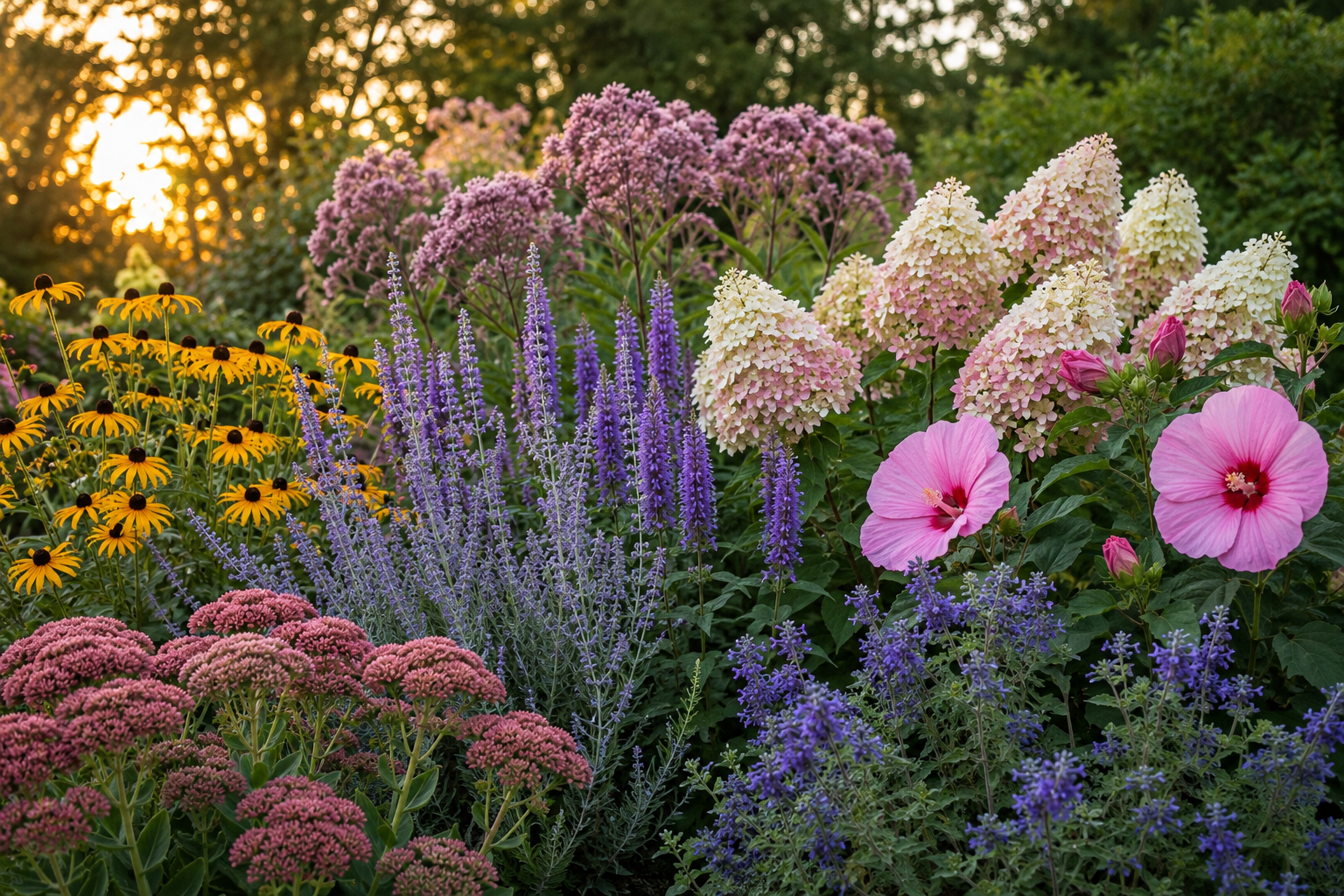
August may feel too early to start thinking about fall, especially when the garden is still full of flowers, vegetables and summer color. But this is one of the most useful times of the year to begin planning what comes next.
That does't mean it is time to rush out and start planting everything on your fall wish list.
Right now, the most important thing you can do is simply pay attention.
By late summer, your garden has had enough time to reveal what worked, what struggled and what may be missing. Plants have reached their mature seasonal size, bloom times are easier to evaluate and those empty spaces you barely noticed in spring may now be much more obvious.
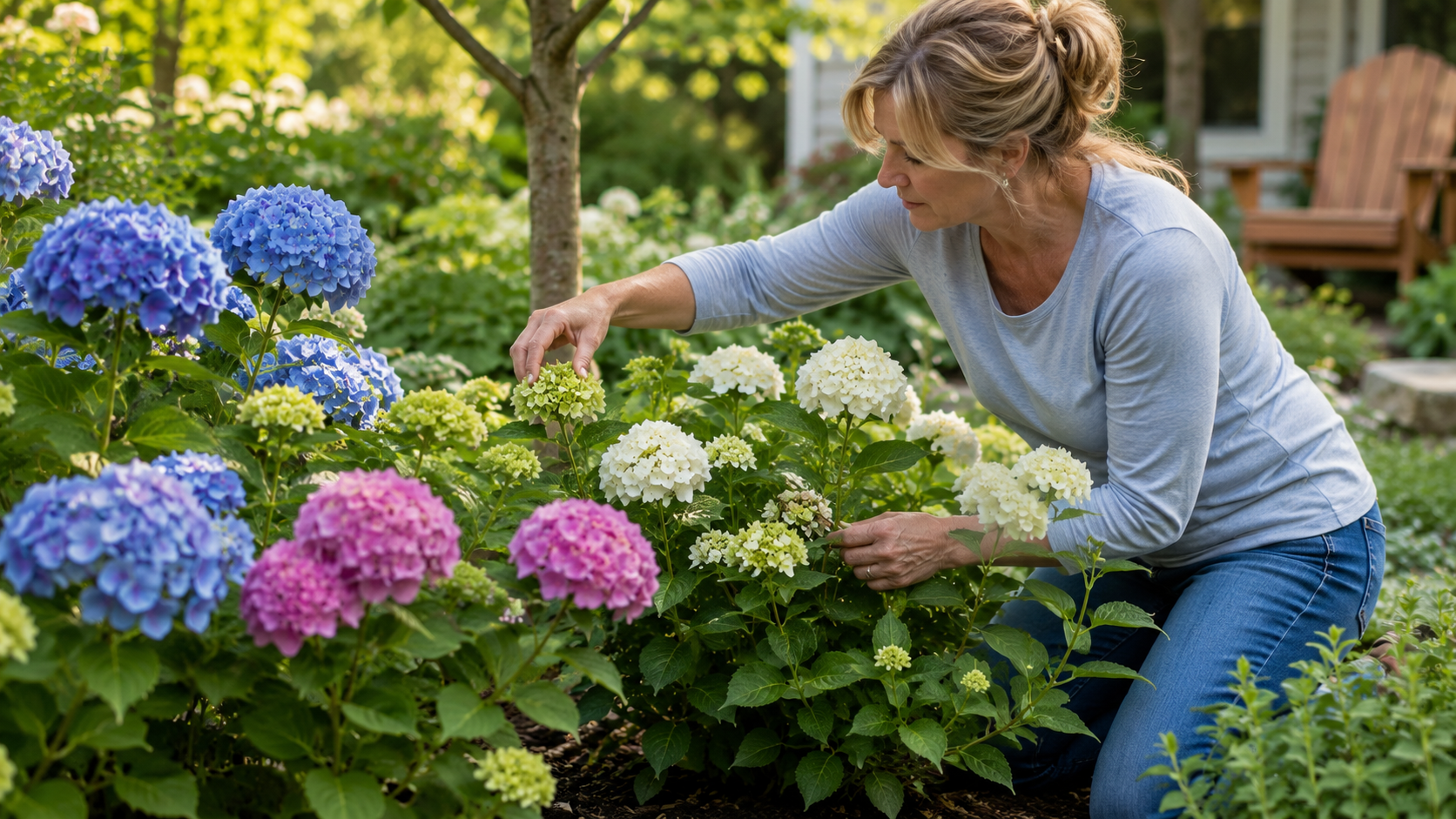
Instead of trying to remember all of that several months from now, take a walk through your garden while the evidence is still right in front of you.
Look for Empty Spaces
Start by noticing the places where your garden feels unfinished.
Maybe a plant didn't return after winter. Perhaps a perennial stayed smaller than expected, or a section of the bed never filled in the way you imagined. You may also have an open area left behind by spring bulbs or early-blooming plants that have already gone dormant.
An empty space is not always a problem. Gardens need breathing room, and plants need enough space to reach their mature size. But a noticeable gap that makes the entire bed feel unbalanced may be a good place to plan something new.
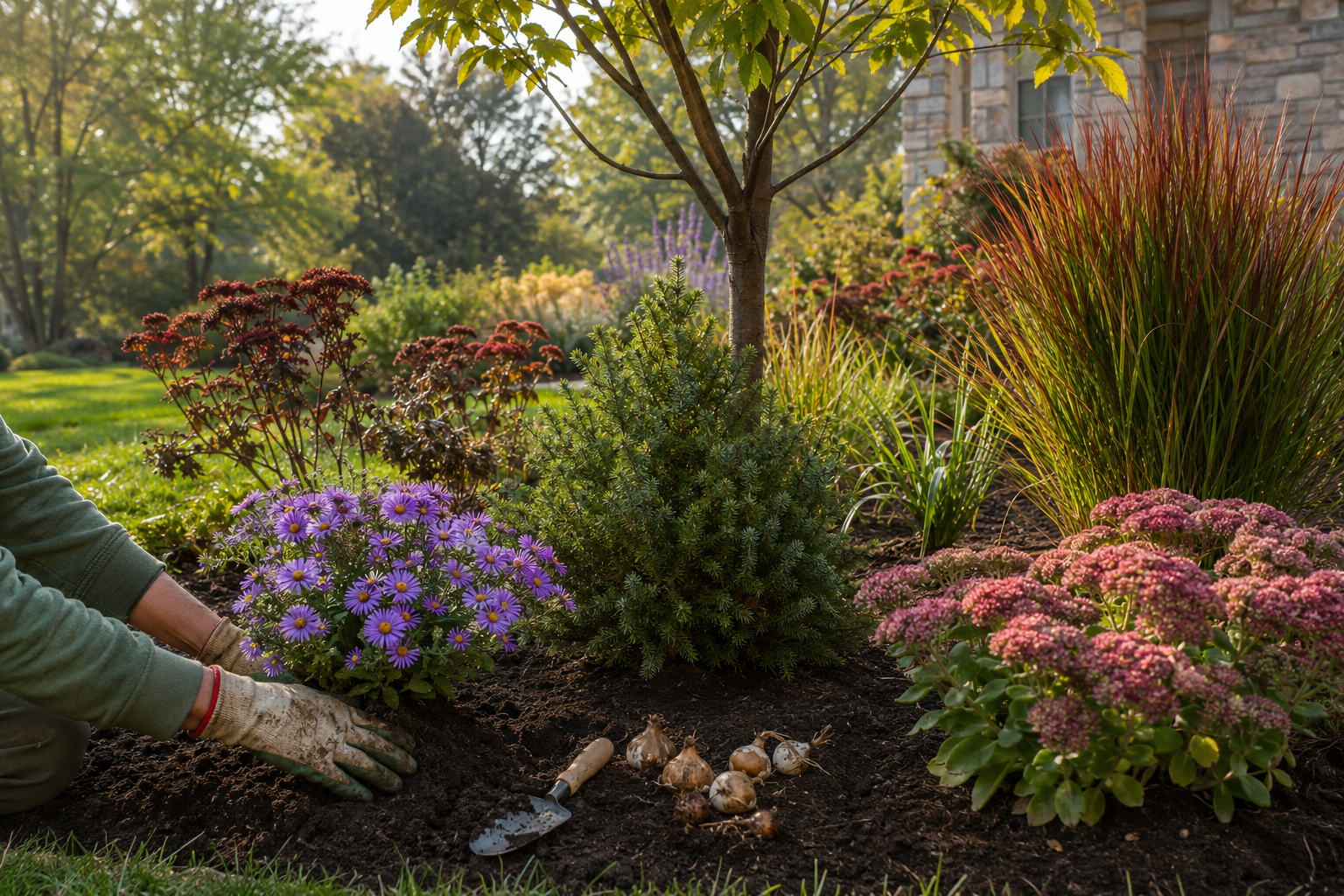
Take a photo of the area and make a note of its approximate size. Before choosing a plant, also record how much sunlight the spot receives and whether the soil tends to stay dry, moist or somewhere in between.
Those details will make it much easier to find the right solution later.
Notice Where the Color Disappears
A garden can be full of healthy plants and still feel like it is missing something.
Often, the problem is not the number of plants. It is the timing of their color.
Look around and ask yourself:
- Which parts of the garden still look lively?
- Where has nearly everything finished blooming?
- Are there areas that have become one large mass of green?
- Does one side of the landscape have much more color than the other?
- Are the flowers concentrated at one height?
This is especially helpful in August because many spring and early-summer bloomers have finished, while late-season plants are beginning to take over.
If a bed looked beautiful in June but feels flat by August, make a note that it needs more late-summer interest. That does not necessarily mean adding more flowers. Color can also come from foliage, ornamental grasses, berries, bark and changing fall leaves.
The goal is not to have every plant blooming at once. A well-planned garden changes throughout the season, with different plants taking their turn.
Decide Which Perennials Need Companions
Sometimes a perennial isn't failing—it simply needs the right plants around it.
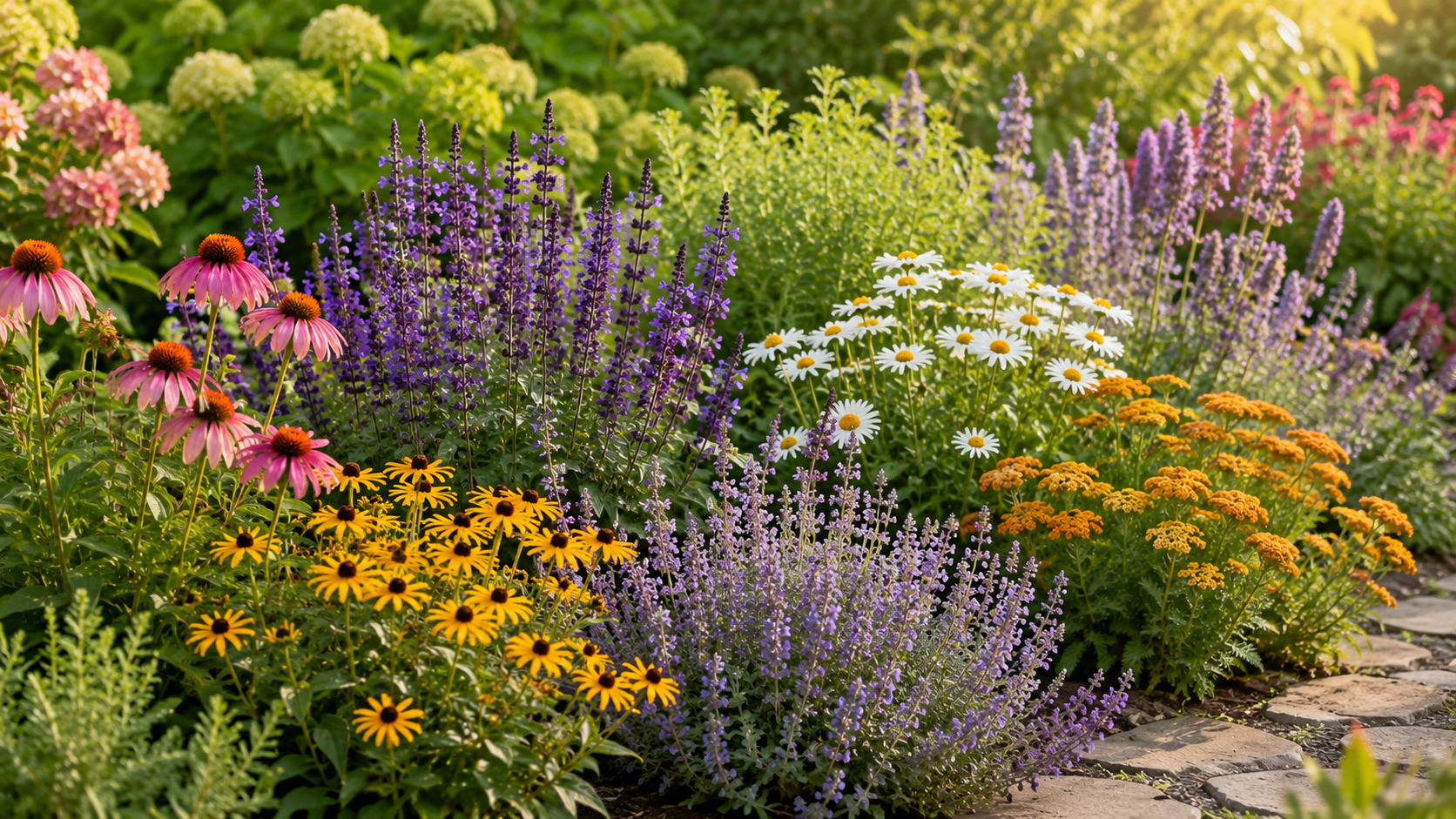
A tall plant may look bare near the ground and benefit from a lower-growing companion. A plant with a short bloom period may need a neighbor that flowers before or after it. A bold, upright perennial may look even better beside something soft and mounding.
As you evaluate your garden, consider more than flower color. Look at:
- Plant height
- Mature width
- Foliage texture
- Bloom time
- Growth habit
- Winter interest
- Sun and moisture needs
The best companion plants do more than look good together. They also prefer similar growing conditions.
For example, pairing a moisture-loving plant with one that needs dry soil may create extra work and leave one of them unhappy. Planning by growing conditions first—and appearance second—usually leads to a healthier, easier garden.
Look at the Garden From More Than One View
Most of us evaluate the garden while standing directly in front of it, but that may not be where we see it most often.
Step back and look from the street, driveway, patio and inside the house. Pay attention to the view from windows you use every day.
A bare spot that seems small up close may be much more noticeable from the kitchen window. A beautiful plant may be hidden behind something taller. A bed may look balanced from one direction but crowded from another.
It also helps to walk through the garden at different times of day. Morning and afternoon sunlight can completely change how colors, textures and empty spaces appear.
Check Whether Plants Have Outgrown Their Places
By August, many perennials and shrubs are close to their full seasonal size. This makes it easier to see whether they still fit the space.
Watch for plants that are:
- Blocking a walkway
- Covering nearby plants
- Leaning into one another
- Hiding windows, signs or landscape features
- Growing beyond the edge of the bed
- Creating more shade than expected
Do not make an immediate decision based on one unusually vigorous season. Instead, note the concern and check the plant’s expected mature size.
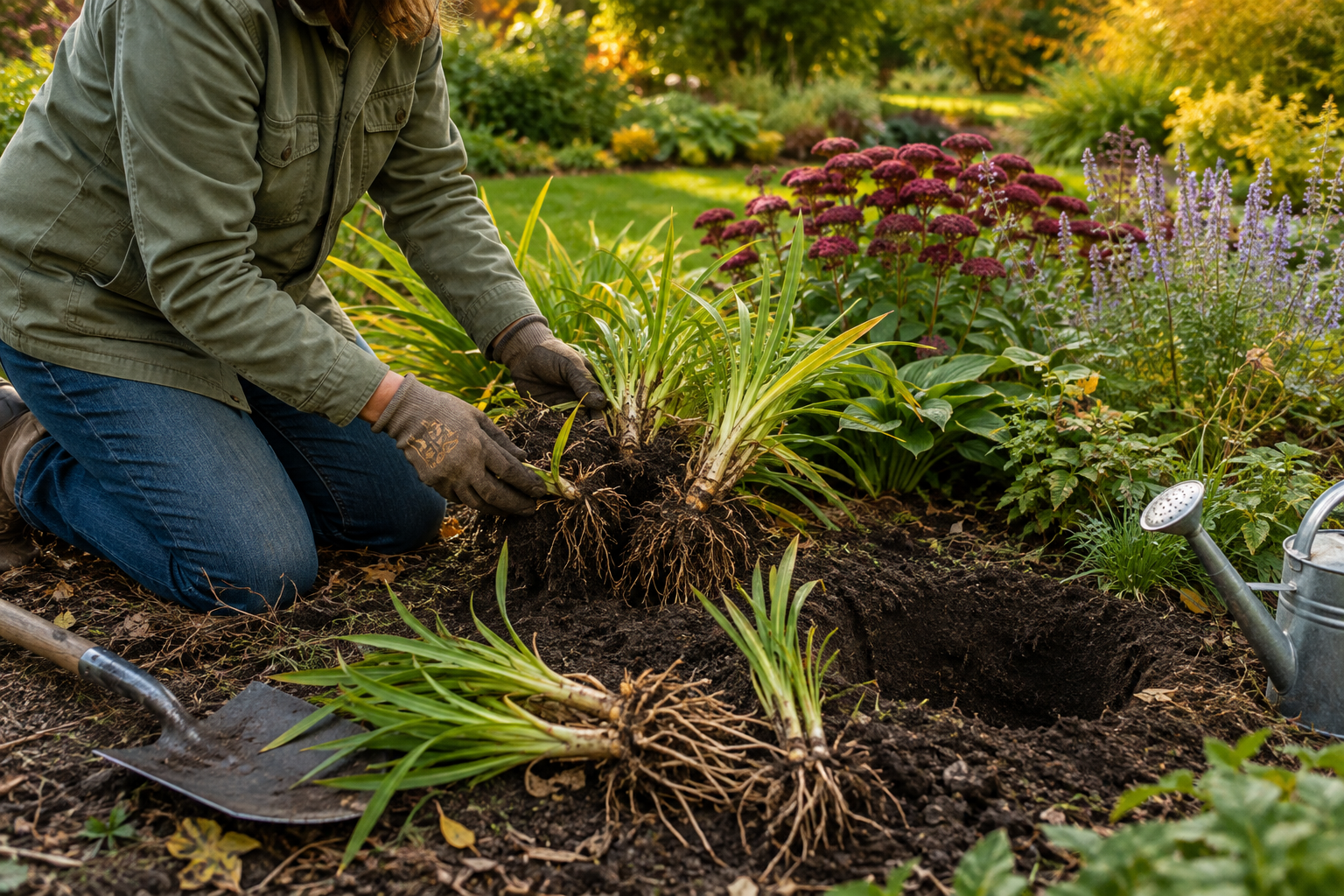
The answer may be pruning, dividing, transplanting or simply allowing nearby plants more space. Sometimes the solution is not adding anything—it is rearranging what is already there.
Take Photos and Simple Measurements
Your phone is one of the best garden-planning tools you already own.
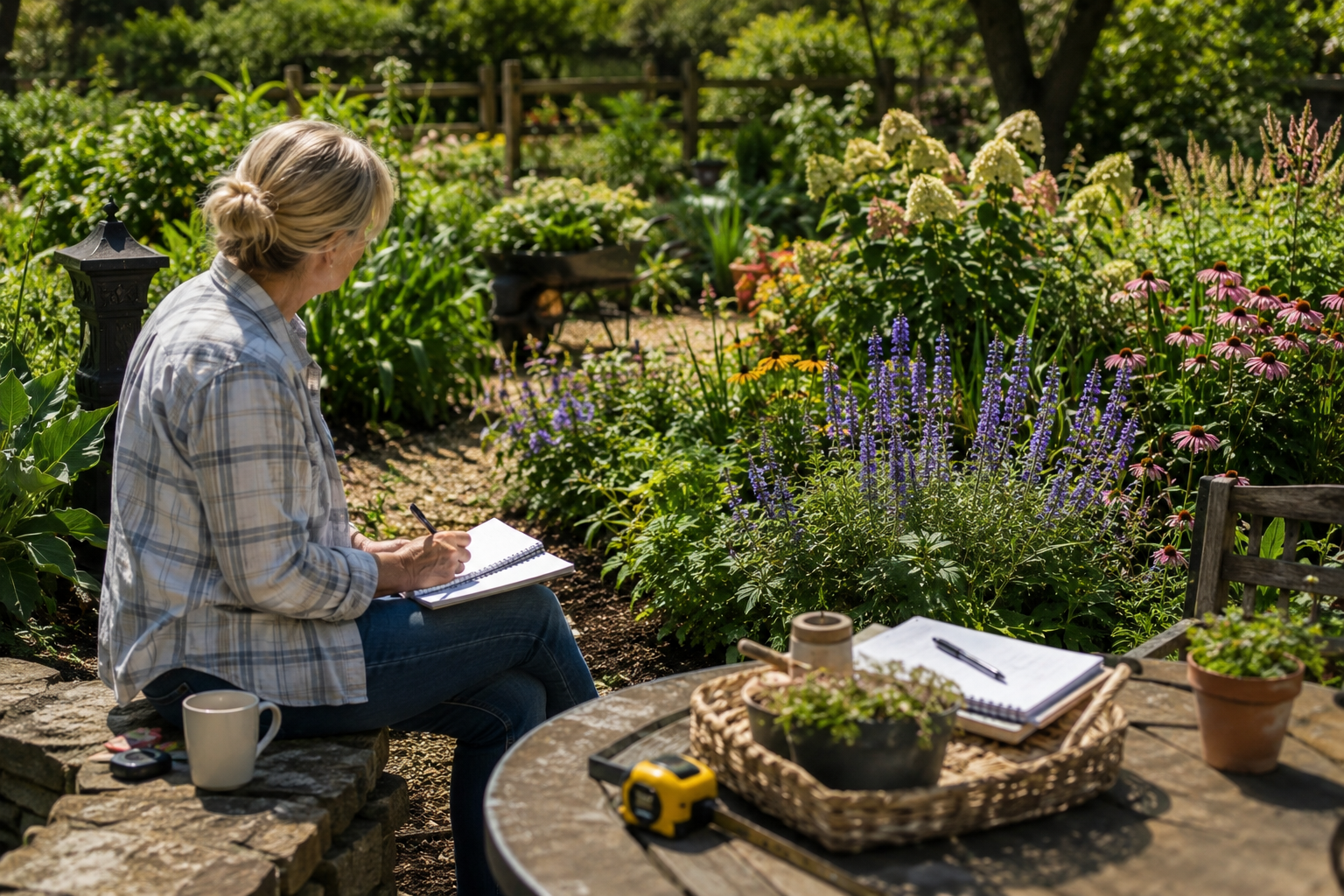
Photograph the garden from several angles, including the areas that bother you. Then take a few simple measurements of open spaces, bed depth and the distance between established plants.
You don't need a formal landscape drawing to make better choices. Even a photo with a few notes can prevent you from buying a plant that will eventually be too tall, too wide or poorly suited to the location.
It can also help to photograph plant tags before they fade or disappear. Knowing the exact variety makes it easier to research mature size, care needs and possible companions.
Plan First, Plant With Purpose Later
The biggest advantage of evaluating your garden now is that it gives you time to make thoughtful decisions.
You are not standing in front of an empty spring garden trying to remember what it looked like in August. You can see exactly where the color fades, which plants need support and where the landscape feels incomplete.
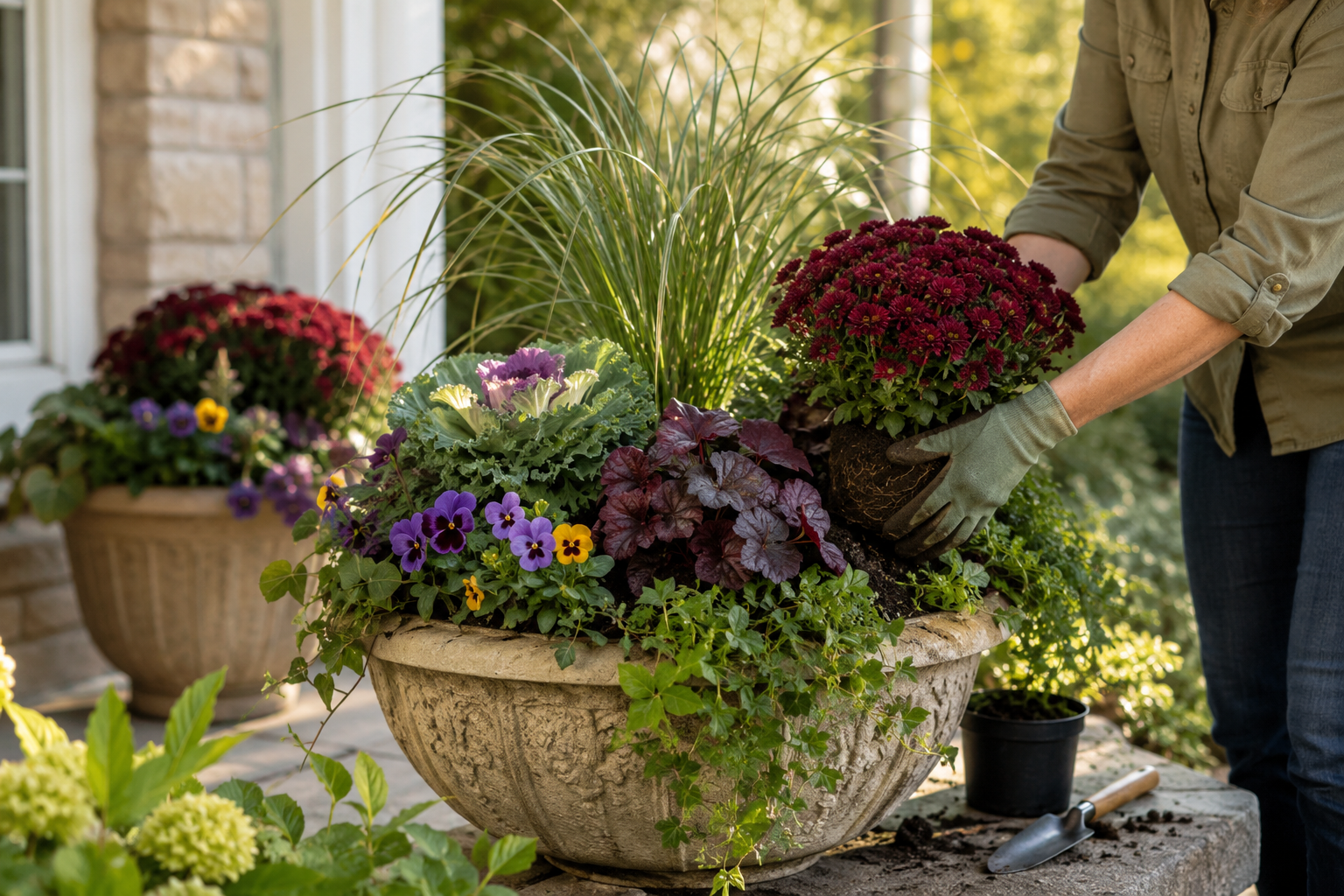
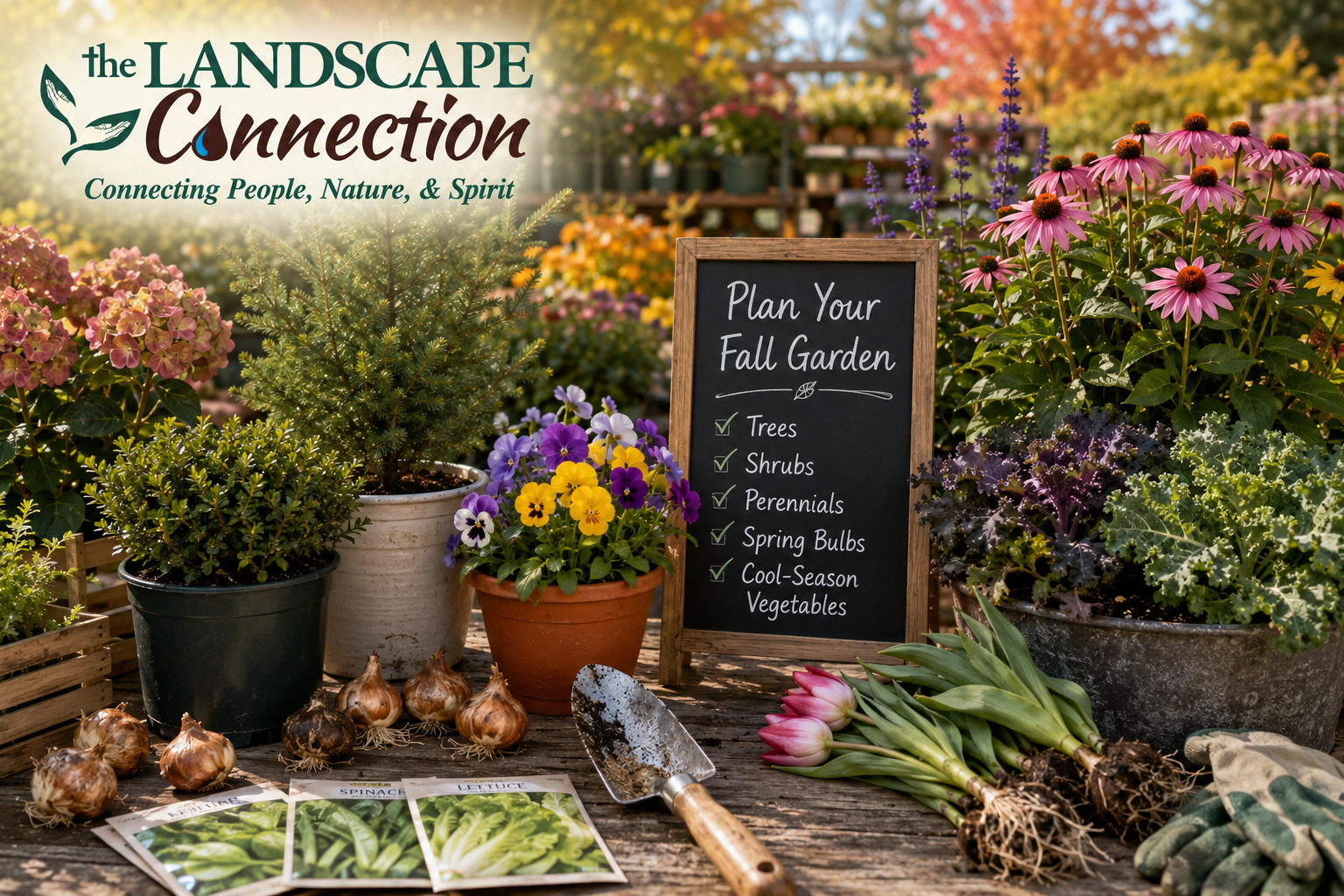
For now, focus on observing, photographing and making notes. Our next step will be deciding what types of trees, shrubs, perennials, bulbs and vegetables may be worth adding during the fall planting season.
A little planning now can help every future plant have a purpose—and a place where it can thrive.
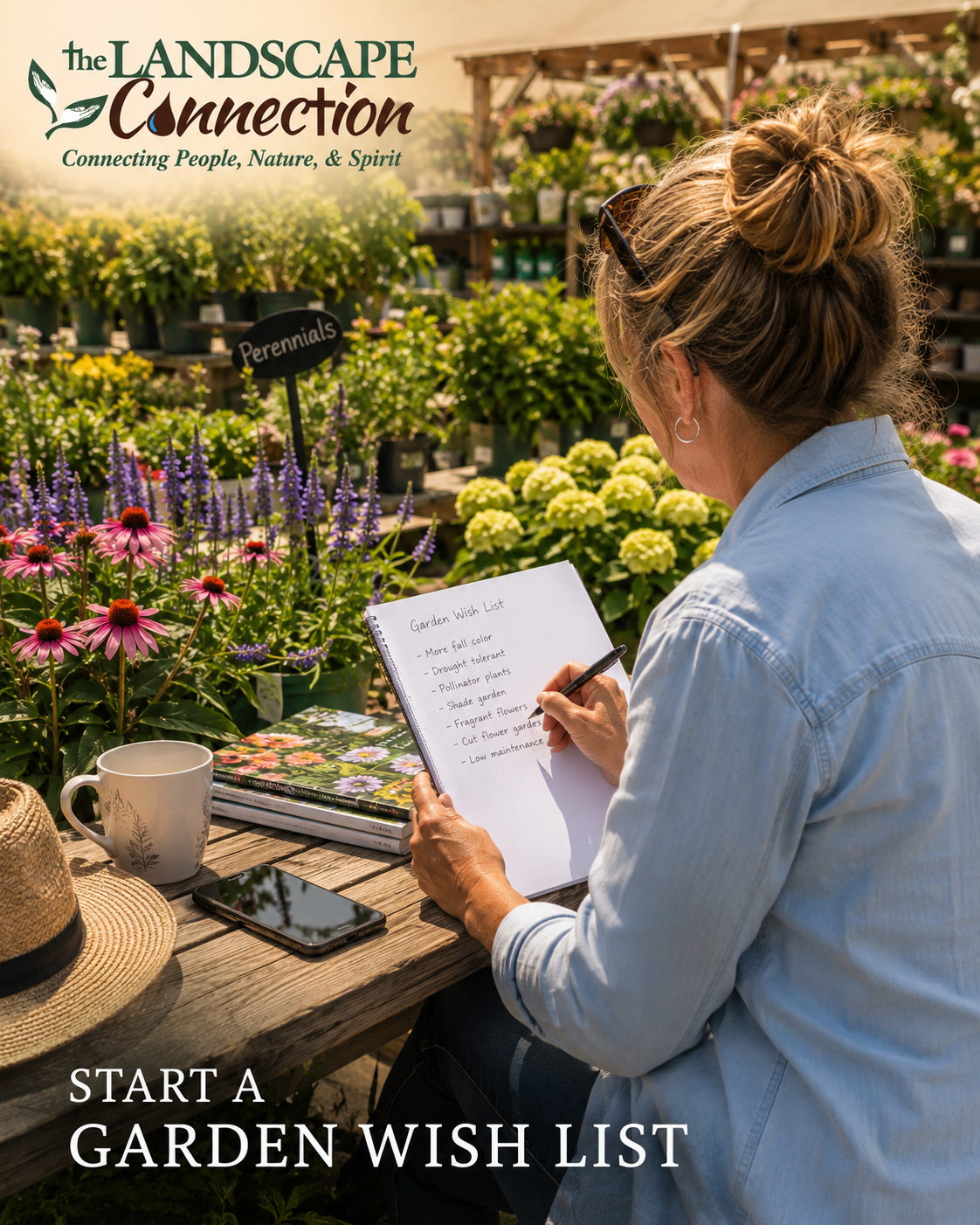
Bring your photos, measurements and garden wish list to The Landscape Connection. We can help you narrow down the right options for your sunlight, soil, available space and Zone 5 garden.
The Landscape Connection
4472 S. Mulford Road
Rockford, IL 61109
(815) 874-8733
www.TheLandscapeConnection.net