Tiny Worlds, Big Impact

Tips and tricks for planting and maintaining a thriving terrarium
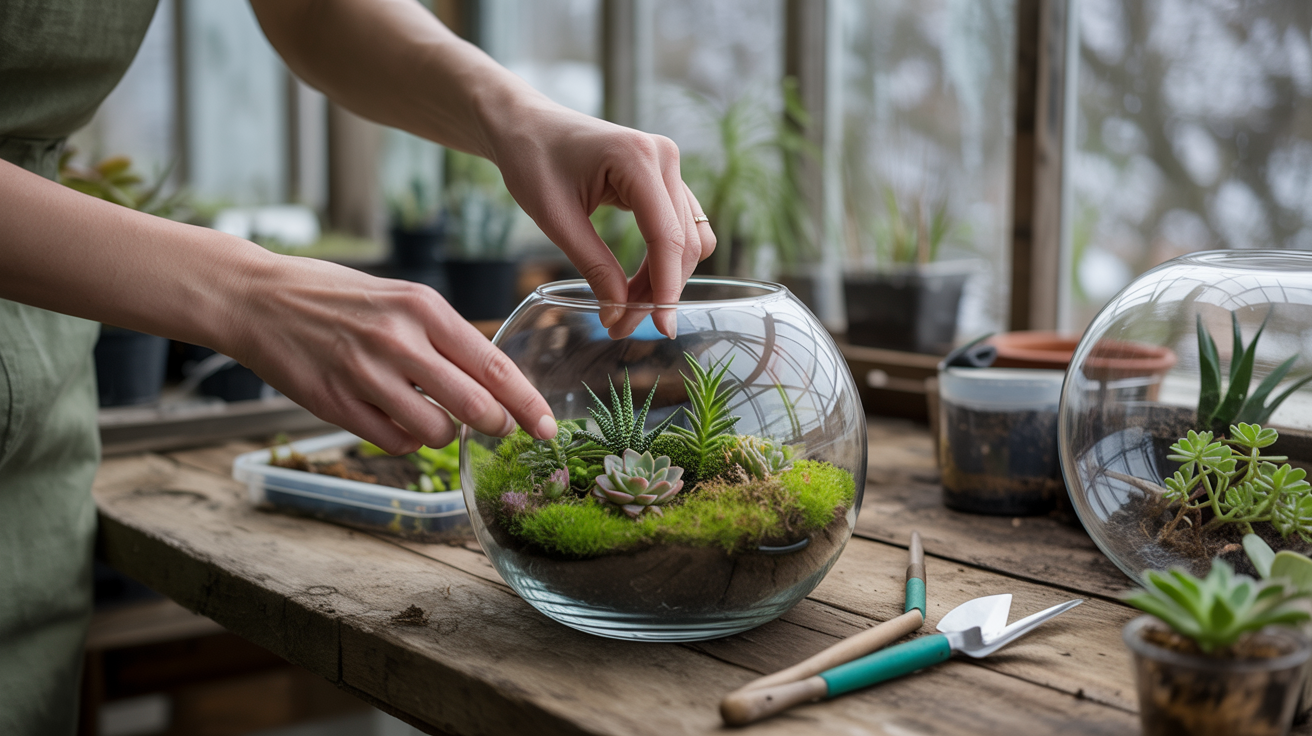
Terrariums are one of my favorite winter projects because they remind us just how connected everything in nature really is—even on a tiny scale.


At their core, terrariums are miniature ecosystems. When planted correctly, they recycle moisture, regulate themselves, and need very little intervention. That makes them not only beautiful, but incredibly sustainable.


Start with the right container. Glass works best because it allows light in and helps maintain consistent humidity. Closed terrariums are ideal for moisture-loving plants, while open terrariums suit plants that prefer drier conditions.


Layering matters. Begin with stones or gravel for drainage, followed by activated charcoal to keep things fresh, then a quality potting mix suited to your plants. This setup helps prevent root rot and keeps your terrarium healthy long-term.


Plant choice is key. Slow-growing plants with similar needs will thrive together. Mosses, ferns, fittonia, and small tropical plants are great options. Avoid fast growers—they’ll outgrow the space quickly and upset the balance.


Water lightly and infrequently. One of the most common mistakes is overwatering. In many cases, a closed terrarium may only need water a few times a year. Watch the glass—light condensation is normal, heavy dripping means it’s too wet.


Terrariums are perfect for small homes, apartments, offices, and anyone who wants greenery without a big footprint. They’re also wonderful gifts because they’re living, long-lasting, and personal.


In a world where sustainability matters more than ever, terrariums show us how balance, patience, and thoughtful choices lead to healthier systems—no matter the size.


Have questions about plant choices or setup?
Bring your ideas, photos, or even your container into the store. We love helping you create terrariums that last and teaching you how to care for them long after you leave.


Come connect with us.

The Landscape Connection
4472 S. Mulford Rd.
Rockford, IL 61109
(815) 874-8733
www.TheLandscapeConnection.net
Healthy green lawn with mixed grass and clover in natural backyard setting
By Michelle Cox April 3, 2026
Learn simple, sustainable lawn care practices for Zone 5, including mowing, watering, and soil tips to build a healthier lawn naturally.
Asparagus spears emerging from soil in early spring garden bed
By Michelle Cox April 3, 2026
Learn how to grow asparagus in Zone 5, including when to plant crowns, how to prepare soil, and what to expect in the first few years.
Onion sets being planted in early spring soil in a Zone 5 garden
By Michelle Cox April 3, 2026
Learn how to grow onions in Zone 5, including when to plant, whether to use sets or transplants, and simple tips for a successful harvest.
Cool-season seedlings like lettuce and beets emerging from soil in early spring garden
By Michelle Cox April 3, 2026
What to plant in April in Zone 5, including cool-season crops, early flowers, and essential spring garden tasks to set your growing season up for success.
By michelle.tlcgiftandgarden March 3, 2026
Learn how to pre-sprout ranunculus in Zone 5 for strong spring blooms. Step-by-step soaking, planting, timing, and storage tips for Northern Illinois gardeners.
By michelle.tlcgiftandgarden March 3, 2026
Pruning in March made simple for Zone 5 gardeners. Learn which shrubs to cut, which to leave, and how to prune without losing blooms.
By michelle.tlcgiftandgarden March 3, 2026
What to start indoors in March in Zone 5. A simple seed guide for vegetables, flowers, and herbs, plus timing tips to grow strong, healthy seedlings for spring planting.
By michelle.tlcgiftandgarden March 3, 2026
Six practical garden design foundations for Northern Illinois Zone 5 — soil, spacing, plant placement, and choosing plants that work together.
By Michelle Cox January 29, 2026
Support winter birds with easy homemade suet recipes, including bark butter, no-melt suet, and suet wreaths, plus storage and feeding tips.
Crockpot herb oil infusion using dried herbs and olive oil in glass jars.
By Michelle Cox January 29, 2026
Learn how to tell if dried herbs are still good, the best ways to use them up, and simple infusion methods for vinegars, oils, and compound butters.
Show More