
Let’s Grow Some Onions!
Tips and Info for Growing Onions in Zone 5
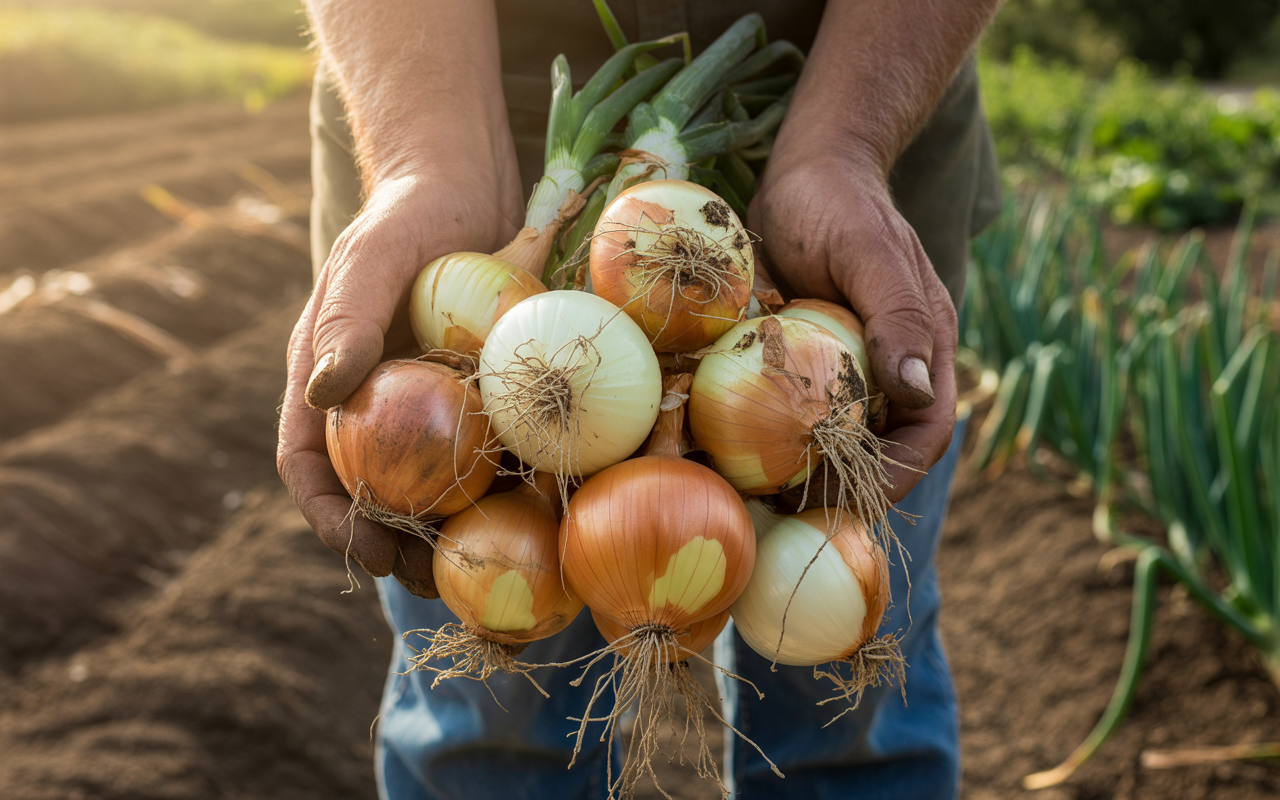
Onions are one of those crops that feel simple… until you try to grow them.
Then you realize — timing matters, spacing matters, and choosing the right type matters.
But once you understand a few key things, onions become one of the most reliable and rewarding crops you can grow.
And in Zone 5, April is your moment to get them started.
🧅
Why Onions Are Worth Growing
Onions don’t just fill space in the garden — they anchor your entire growing season.
They store well.
They’re used in almost everything you cook.
And they’re one of the first crops you can confidently plant outdoors.
If you’re building a garden that feeds your household, onions are a must.
🌿
Sets, Seeds, or Transplants — What Should You Use?
This is where most people get stuck.
- Onion sets: Small bulbs that are the easiest and most forgiving option. Great for beginners and quick results.
- Transplants: Young plants that give you a head start and tend to produce larger onions with better consistency.
- Seeds: The most variety, but require the most patience and early indoor timing.
For most gardeners in our area, sets or transplants are the way to go in April.
🎥
Want to See It in Real Life?
If you’re more of a visual learner, I walk through planting onions step-by-step here — including spacing, feeding, and the difference between sets and transplants.
🌱
When to Plant Onions in Zone 5
As soon as your soil is workable, you’re ready.
Onions are cold-tolerant and actually prefer getting established in cooler temperatures. Waiting too long can reduce bulb size later in the season.
If you can dig the soil, you can plant onions.
🌿
How to Plant for Success
Onions don’t need complicated care — but they do need consistency.
- Plant them in full sun with well-draining soil.
- Space them about 4 inches apart if you want full-size bulbs, or closer if you’re okay harvesting smaller onions.
- Keep the rows clean and weed-free — onions don’t like competition.
- And don’t bury them too deep. Just enough to anchor them.
💧
Watering and Feeding
Onions have shallow roots, which means they need steady moisture.
Not soaked. Not dry. Just consistent.
If they go through long dry stretches, bulb development can suffer.
A balanced fertilizer or compost-rich soil will help keep them growing strong early on.
🌞
A Quick Tip Most People Miss
Day length matters.
In our area, you want long-day onions, which begin forming bulbs as daylight increases.
Planting the right type is just as important as planting at the right time.
🌿
Keep It Simple
You don’t need a huge garden to grow onions well.
A single row can go a long way.
A small bed can supply your kitchen for months.
And once you grow your own, it’s hard to go back.
There’s something about pulling an onion from the ground that just feels… foundational.
If you need onion sets, transplants, soil, or just want help choosing the right variety, we’re here to help you think it through.
Let’s build this season the right way 🌱
The Landscape Connection
4472 S. Mulford Rd.
Rockford, IL 61109
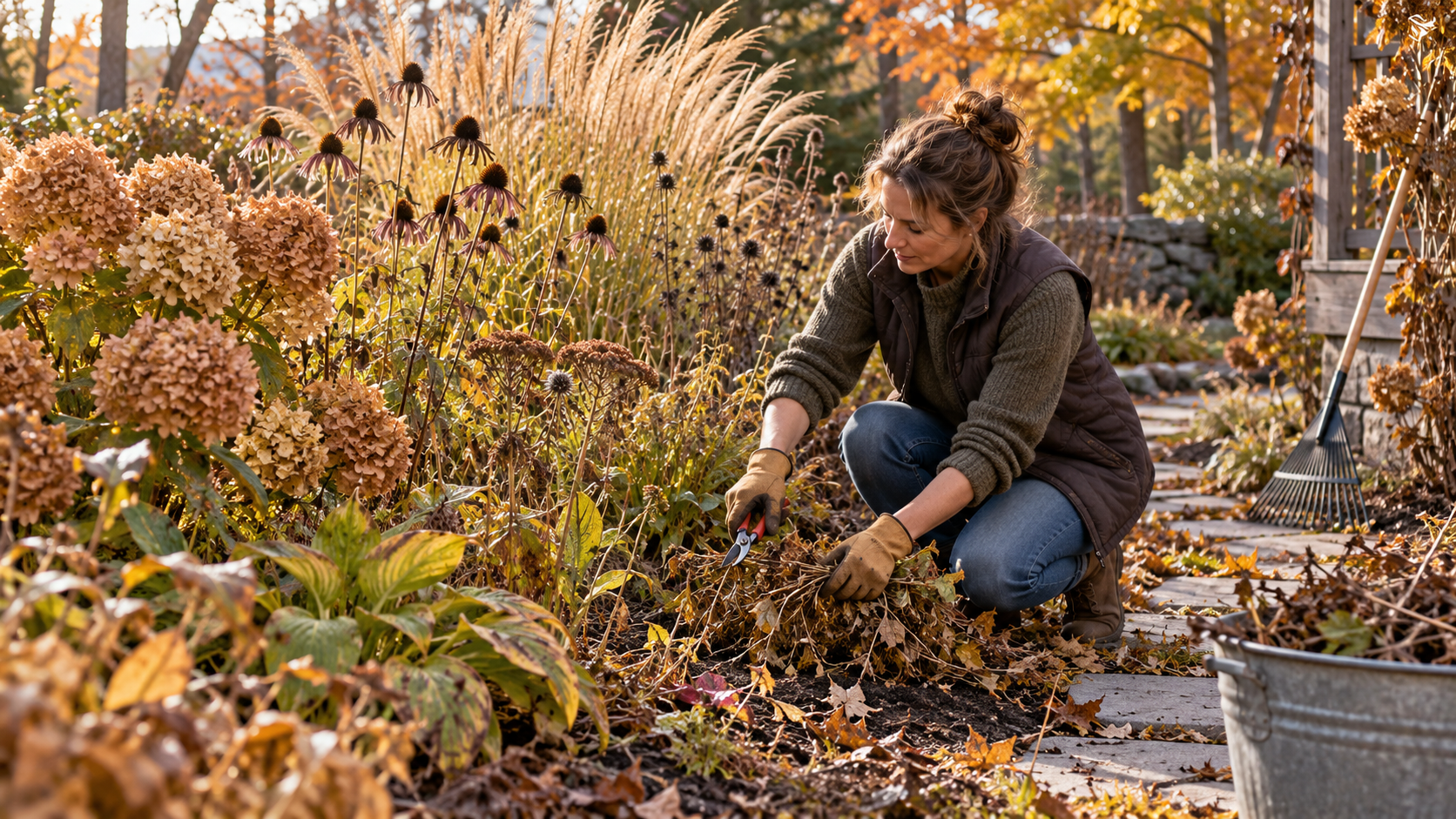
Learn what to cut back and what to leave standing during fall garden cleanup in Zone 5, plus tips for healthier beds, birds and beneficial insects.
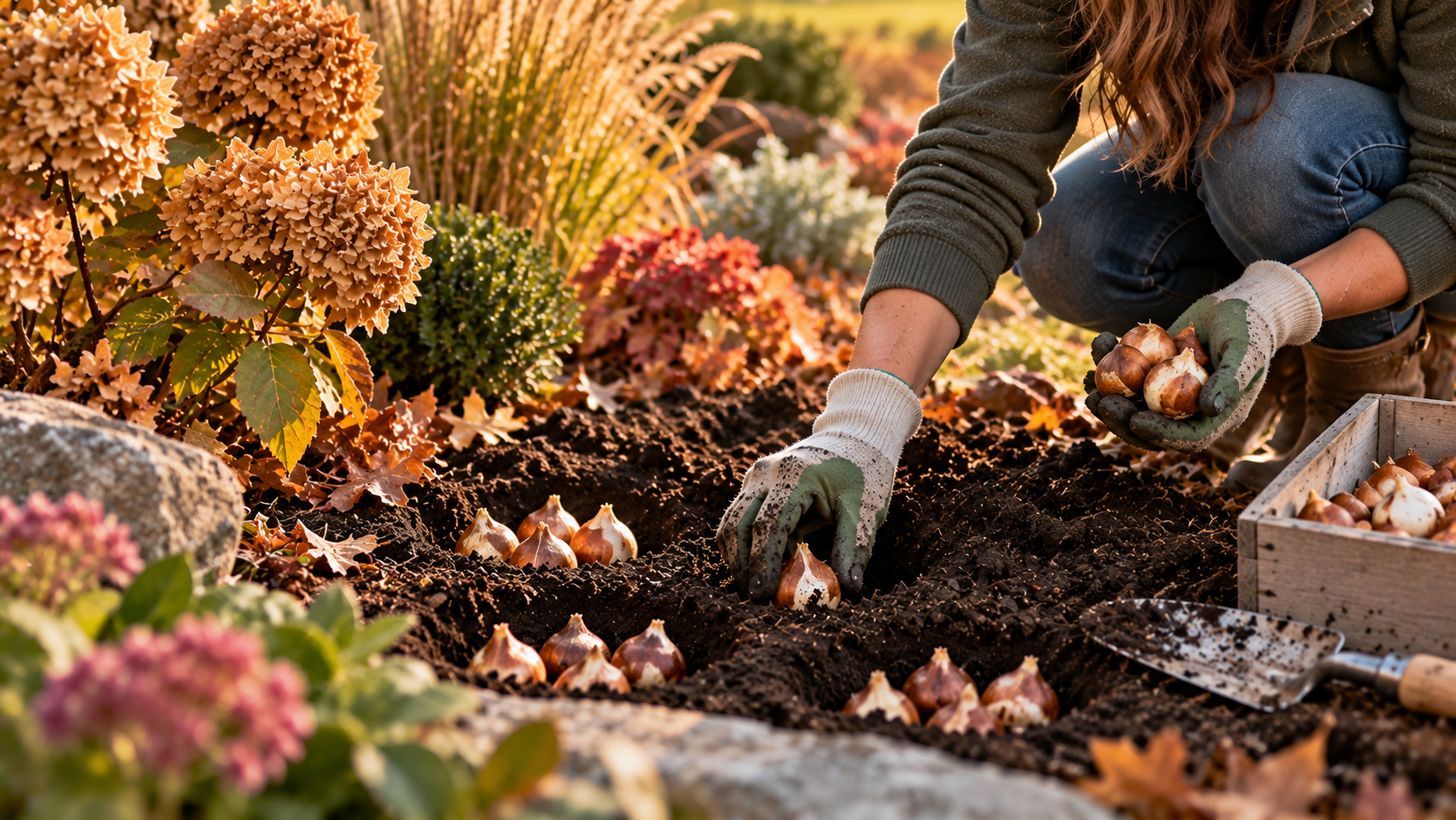
Plant spring-flowering bulbs this fall in Zone 5. Michelle shares tips for planting tulips, daffodils and alliums for beautiful spring color.
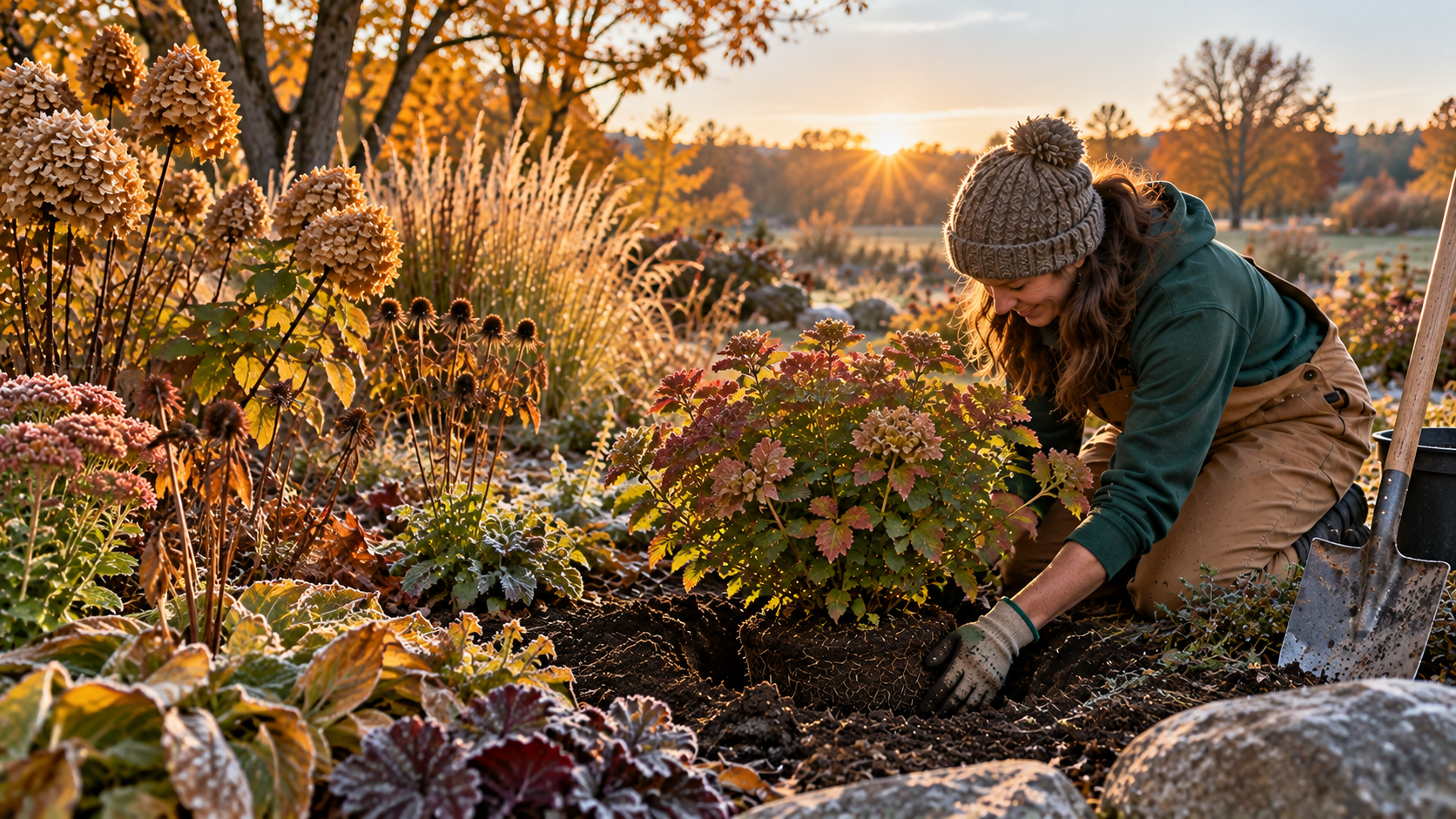
Is it too late to plant in October? Michelle explains fall planting in Zone 5, frost vs. frozen ground, and what Rockford gardeners can still plant.
Short-Tail SEO Keywords
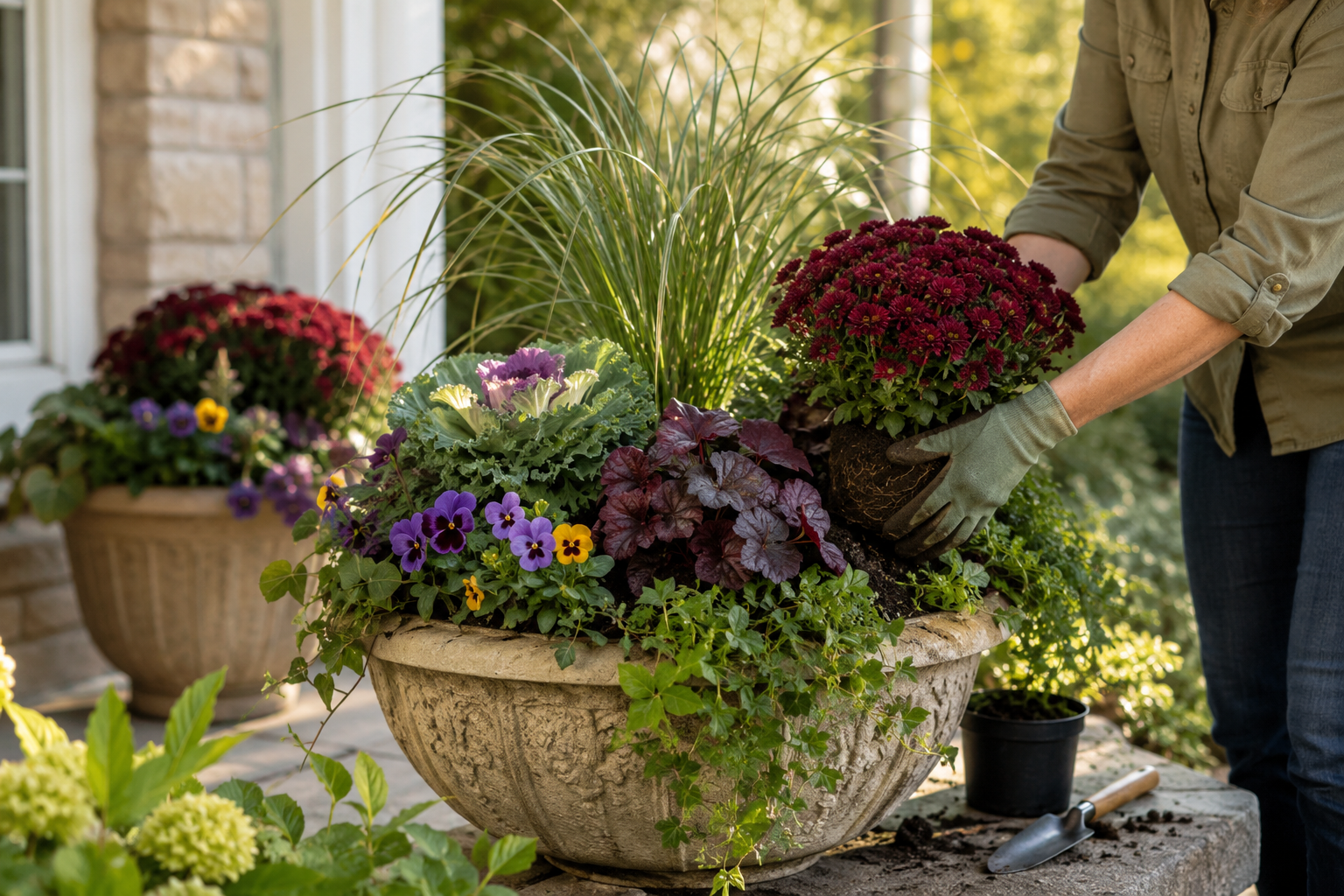
Refresh summer containers for fall with mums, pansies, kale, grasses and other cool-season favorites suited to Northern Illinois gardens.
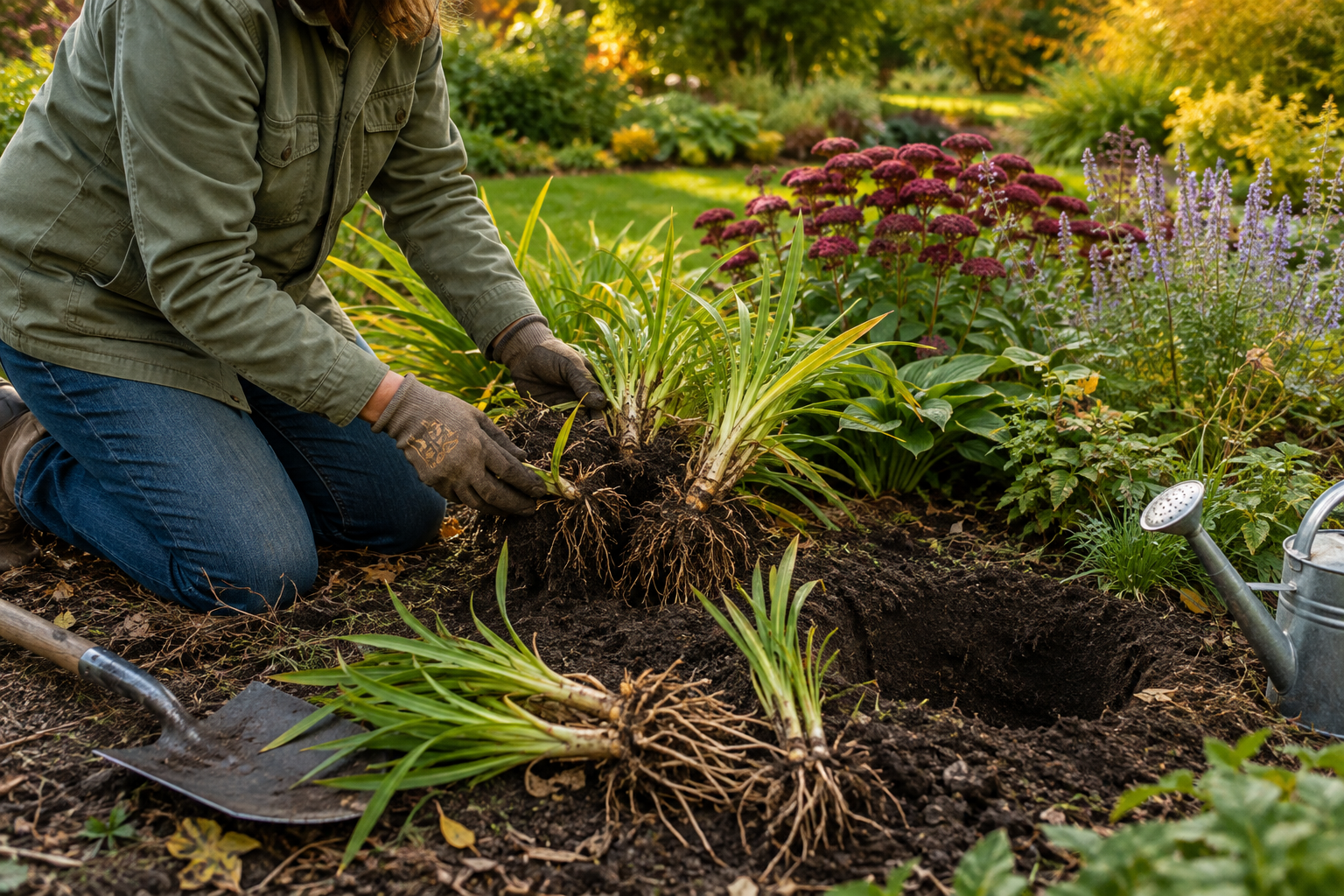
Learn when and how to divide and transplant perennials in fall, which plants to move and how to help them settle into a Zone 5 garden.
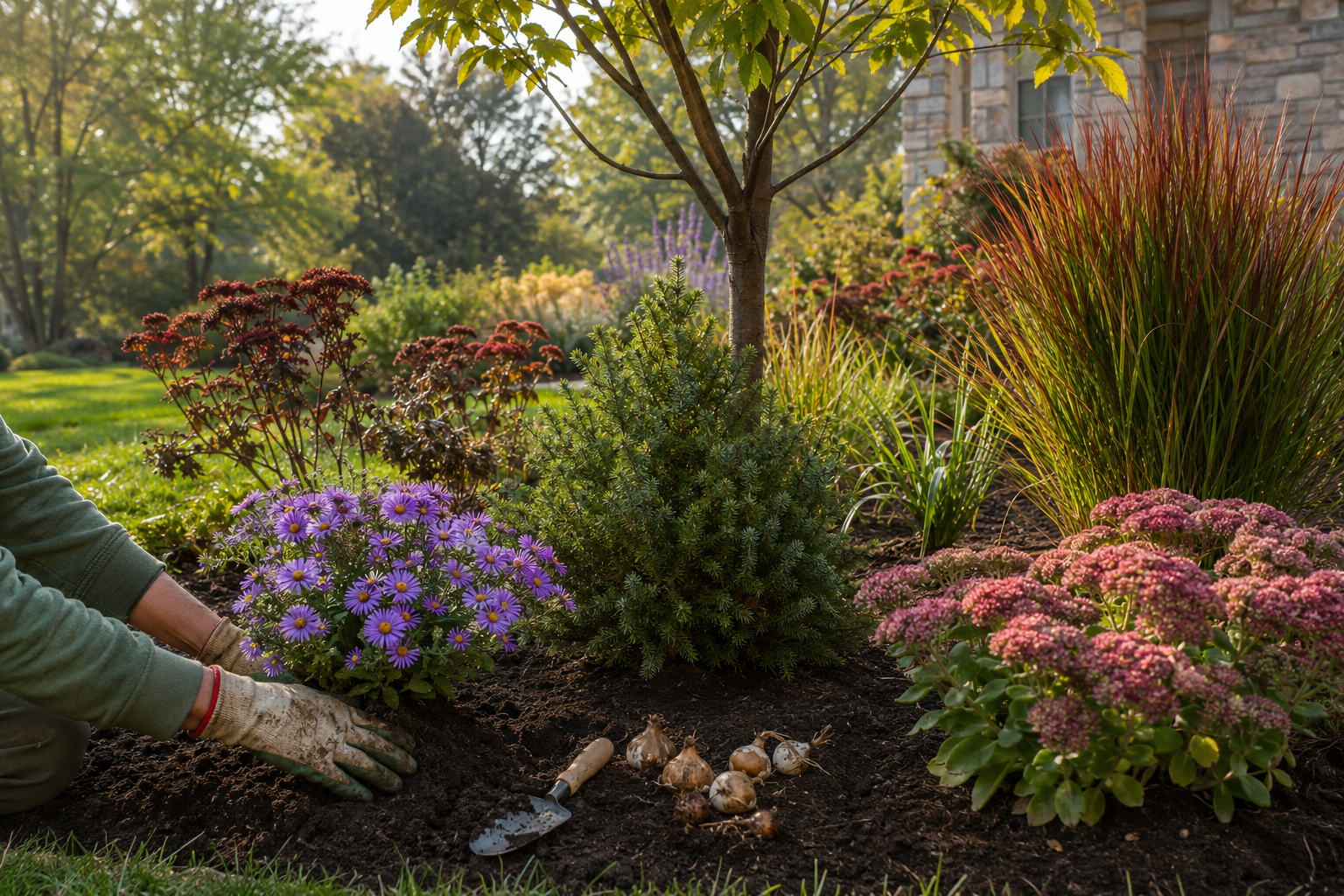
Discover why September is ideal for planting trees, shrubs, perennials and bulbs in Zone 5, plus easy tips for successful fall planting.
Refresh a tired August garden with simple tips for annuals, containers and fading plants while enjoying the second half of the Zone 5 season.
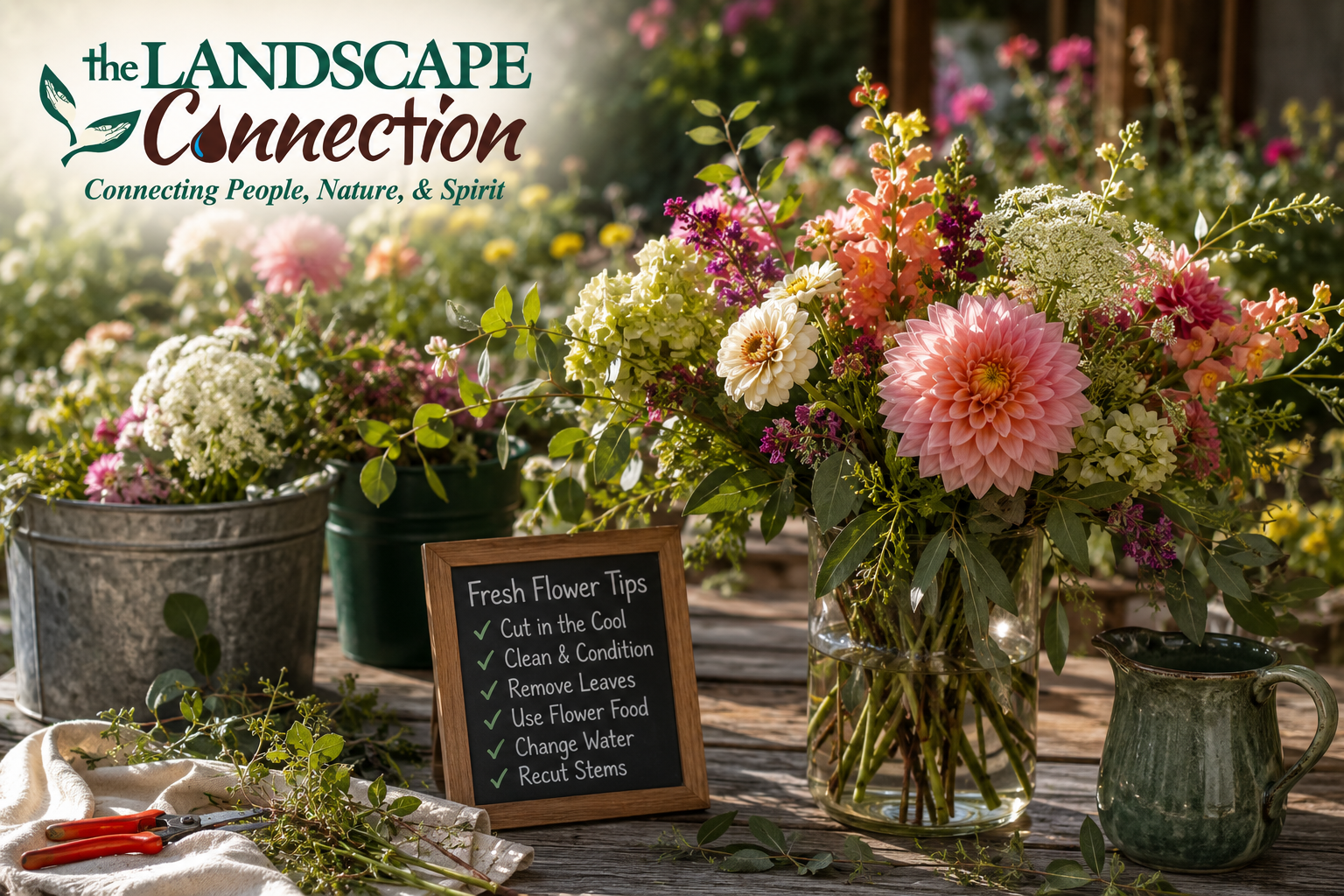
Learn how to cut, condition and care for fresh flowers so garden bouquets stay beautiful longer, from harvest time to fresh vase water.
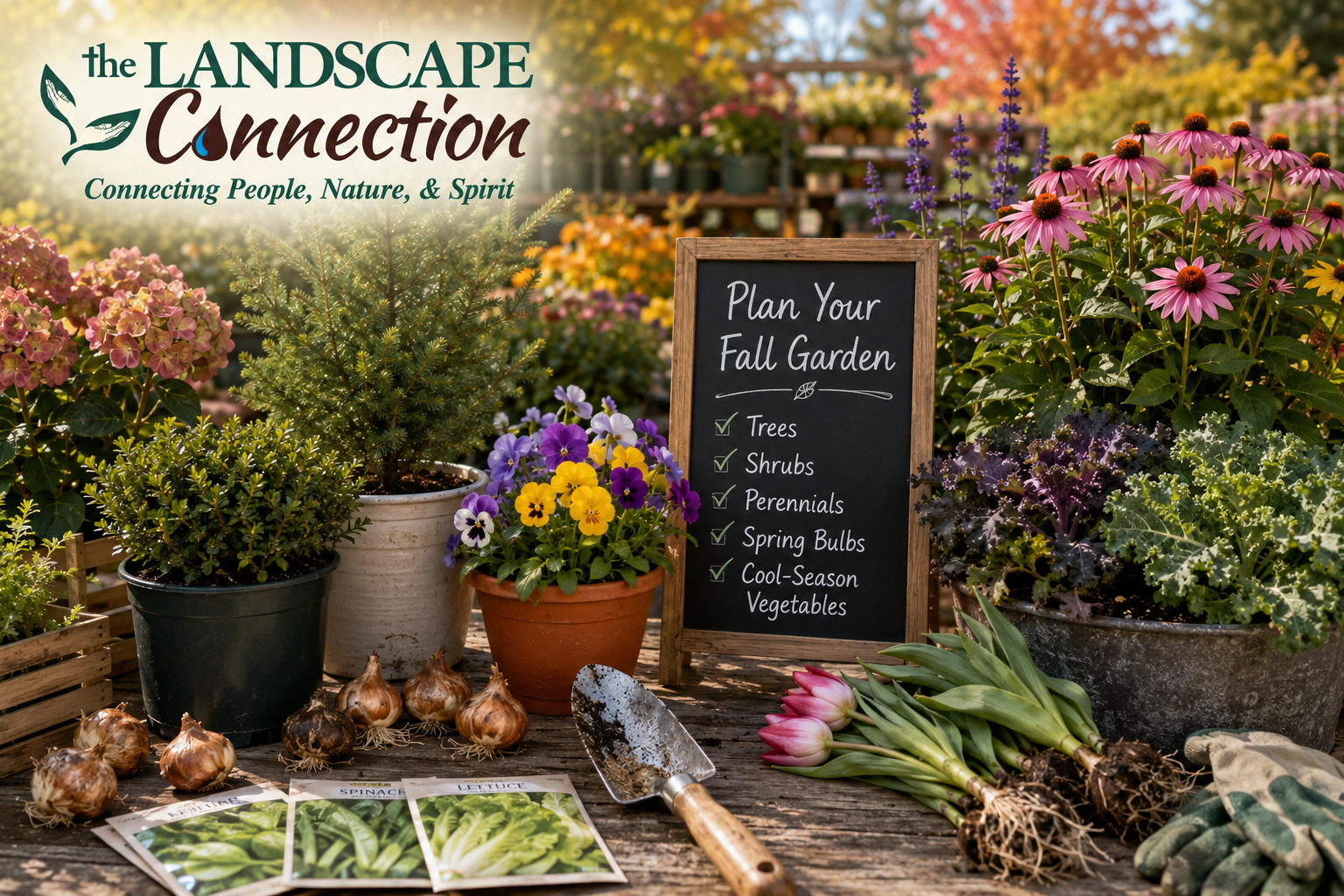
Start planning what to plant this fall in Zone 5, including trees, shrubs, perennials, spring bulbs and cool-season vegetables.
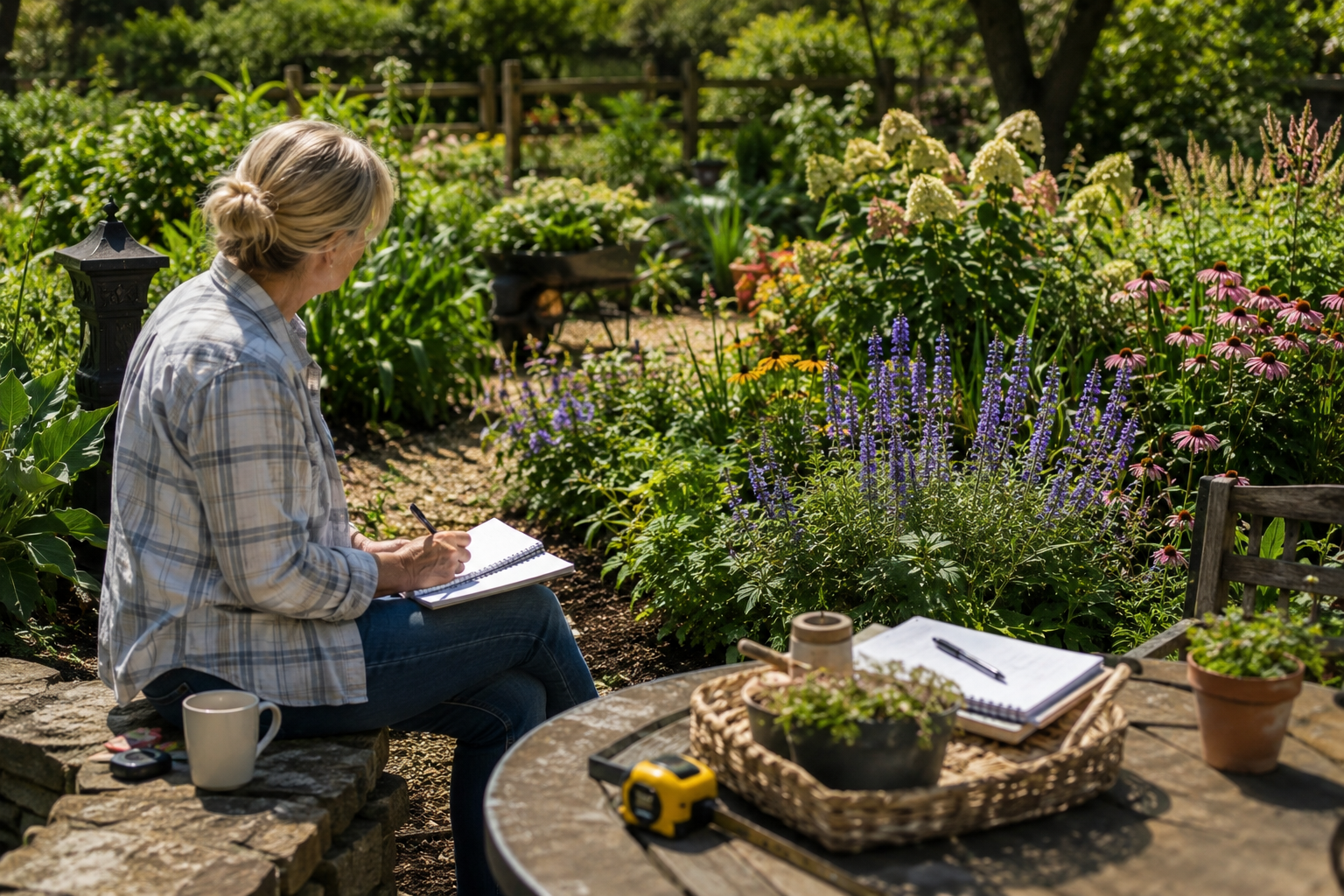
Plan a better Zone 5 garden by evaluating August color, empty spaces, plant performance and companion needs before fall planting begins.
