Pre-Sprouting Ranunculus – A Little Work Now, Big Reward Later
How to grow ranunculus successfully in Zone 5 for strong spring blooms
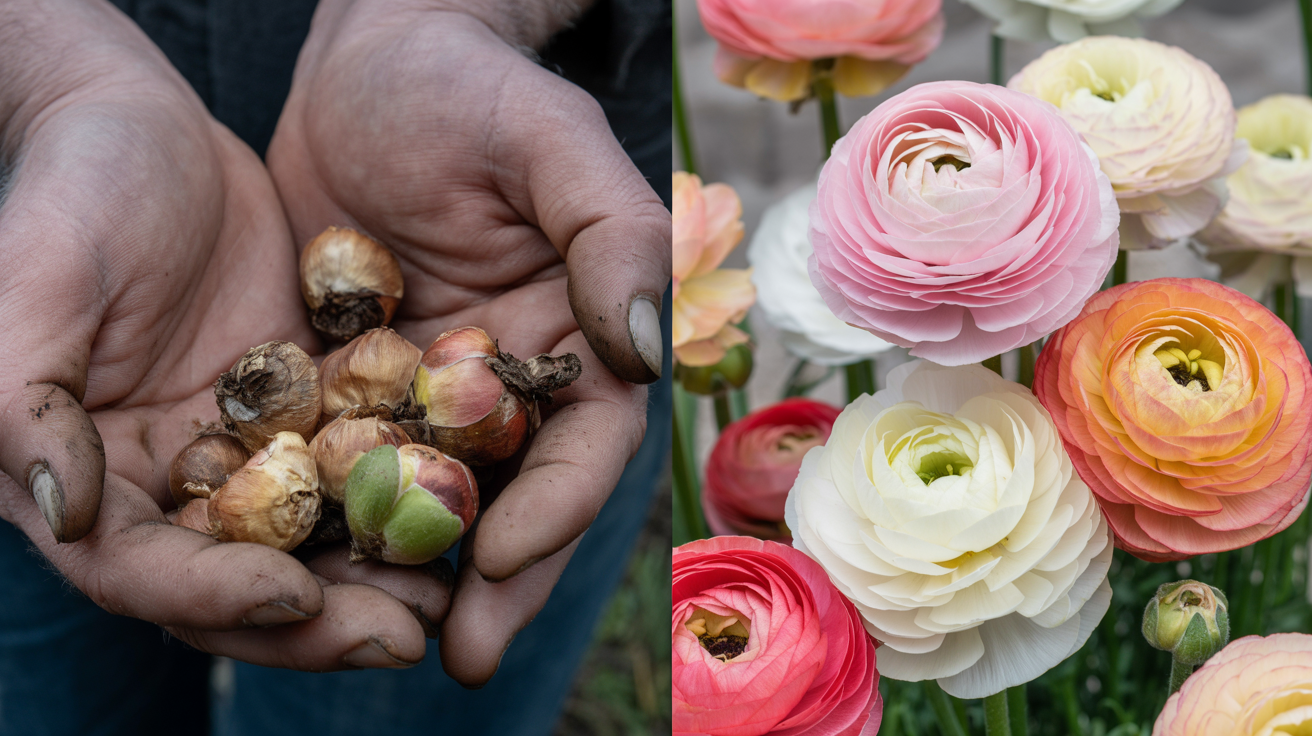
If you want breathtaking spring blooms, ranunculus are worth the effort.
These papery, rose-like flowers look delicate — but they’re surprisingly tough cool-season growers. In Zone 5, though, timing is everything.
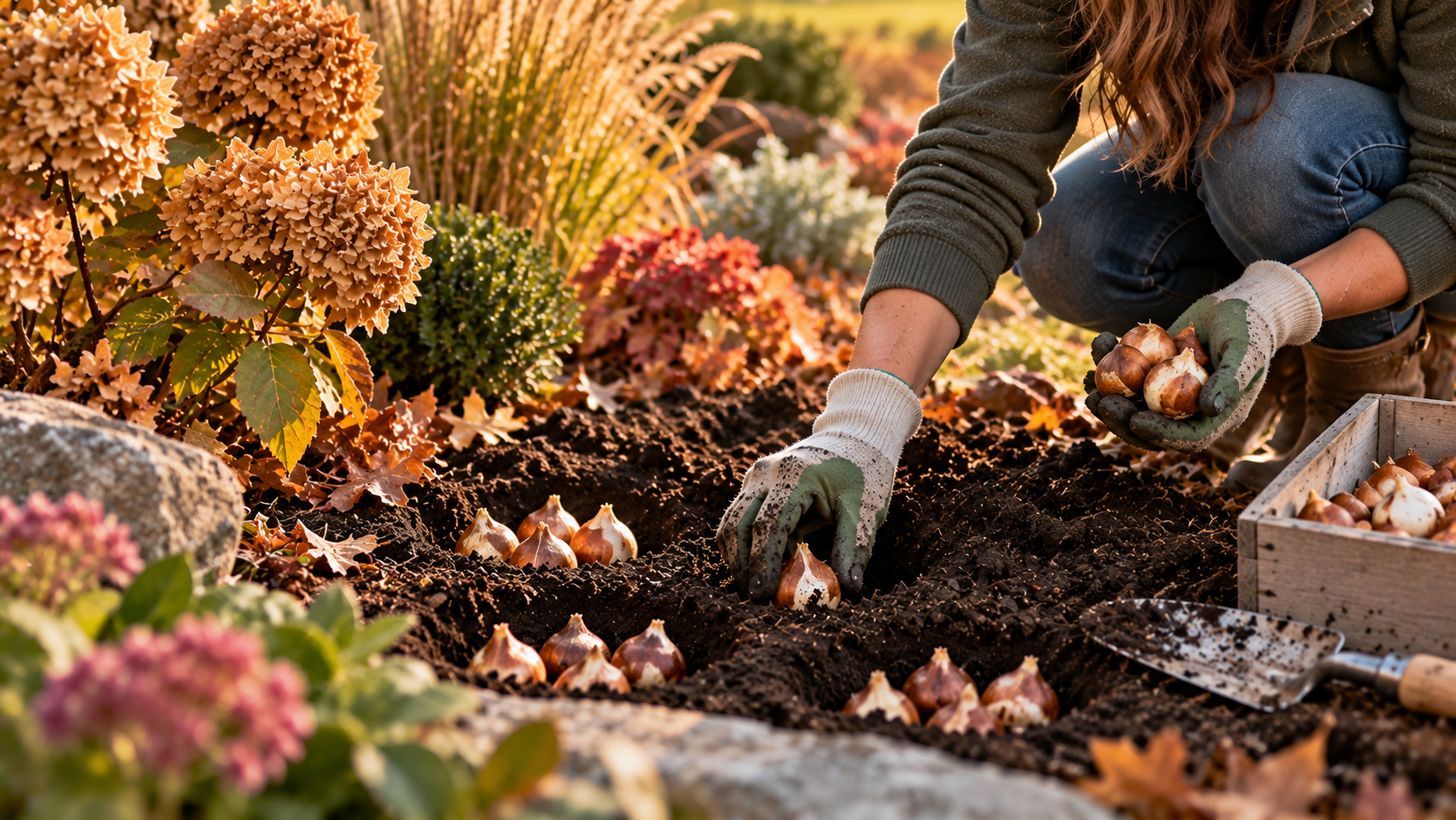
Ranunculus grow from corms. When you open the bag, they look like dried little alien claws. Completely lifeless.
They’re not.
With the right prep, they’ll reward you about 90 days later with some of the most beautiful blooms you can grow.
👉 Watch the full step-by-step video here:
How to Pre-Sprout Ranunculus
Step 1: Soak the Corms
Before anything else, soak the corms in room-temperature water for 3–4 hours.
Refresh the water every hour to keep it aerated and prevent bacteria buildup. Some gardeners gently swirl the water or use a small pump. However you do it, just keep the water fresh.
This rehydrates the corms and wakes them up.
Step 2: Pre-Sprout (Highly Recommended in Zone 5)
While you can plant directly in the ground, pre-sprouting gives you much better control — especially in Northern Illinois where spring temperatures can swing wildly.
Here’s how:
• Use lightly damp potting mix
• Place corms with the “claws” pointing down
• Cover lightly with soil
• Store in a cool, dark place
• Keep soil moist but not soggy
In about 10–14 days, you’ll see roots and small shoots forming.
Pre-sprouting lets you control moisture and temperature before exposing them to unpredictable spring weather.
When to Plant Outside in Zone 5
Timing is critical.
Ranunculus do not like temperatures below 28°.
Ideal conditions:
• Night temps between 30–35°
• Day temps between 40–50°
Before planting outside, harden them off for about a week — gradually introducing them to outdoor conditions for a few hours each day.
Because they’re cool-season annuals, once soil temps hit 80°, they begin to go dormant. That’s why early planting matters.
Where to Plant
Ranunculus need:
• Excellent drainage
• No standing water
• Full to part sun
• Soil amended with compost
In the ground:
Plant 2 inches deep
Space 5–8 inches apart
In containers:
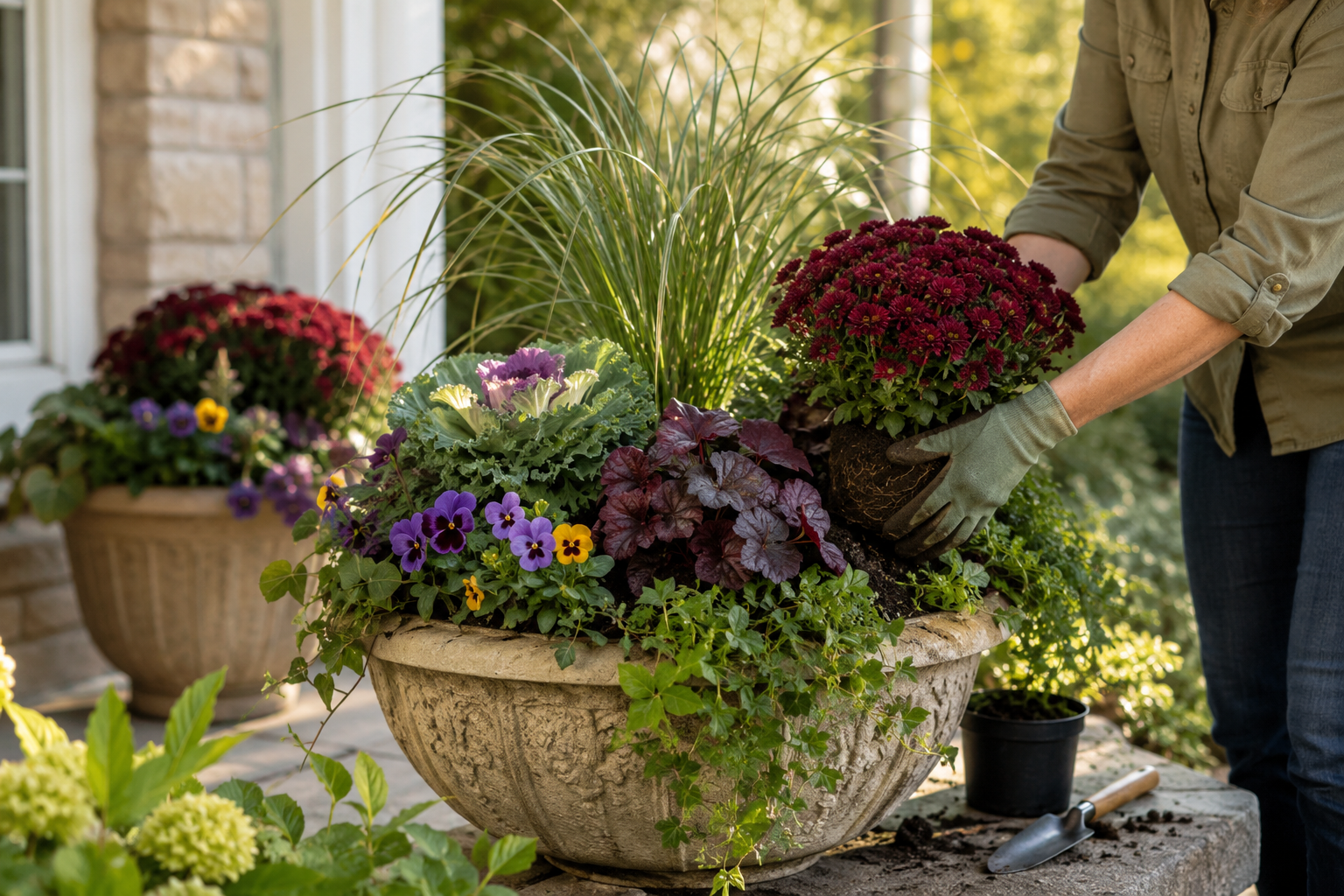
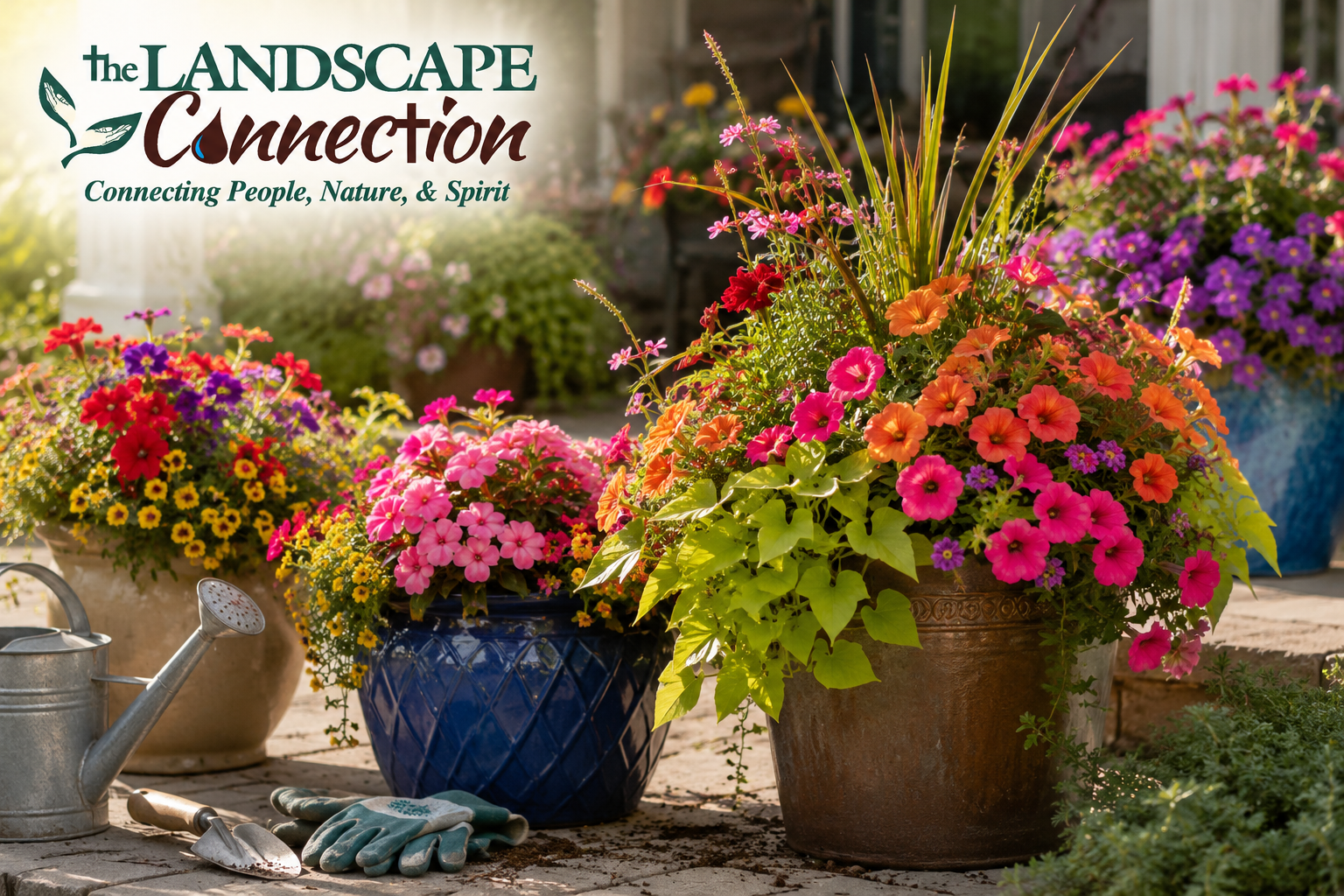
They don’t have deep roots, so shallow bowls work beautifully.
General container rule:
• One corm in an 8-inch pot
• Two in a 10-inch pot
• Three in a 12-inch pot
They pair beautifully with pansies and other cool-season annuals.
After Blooming
In Zone 5, ranunculus are not perennial in the ground. Once foliage yellows and temperatures warm, dig up the corms.
• Let them dry
• Store in a paper bag
• Keep in a cool, dry, dark place
• Label by color
They’ll store about eight months — just in time to start again next year.
And yes… they make baby corms. So you’ll often end up with more than you started with.
Why Try Them?
They’re stunning in:
• Spring containers
• Cut flower arrangements
• Mixed borders with tulips and daffodils
• Special events and centerpieces
They feel fancy. But they’re very doable.
If you’re itching to grow something while it’s still technically winter, this is a great project to start.
And if you’re looking for something specific, need to pre-order plants, or require larger quantities of certain annuals for spring projects or events, call now. Planning ahead ensures we can set aside exactly what you need.
The Landscape Connection
4472 S. Mulford Rd.
Rockford, IL 61109
(815) 874-8733
www.TheLandscapeConnection.net