Winter Sowing: Let Nature Do the Work

A simple, low-effort way to grow stronger plants from seed
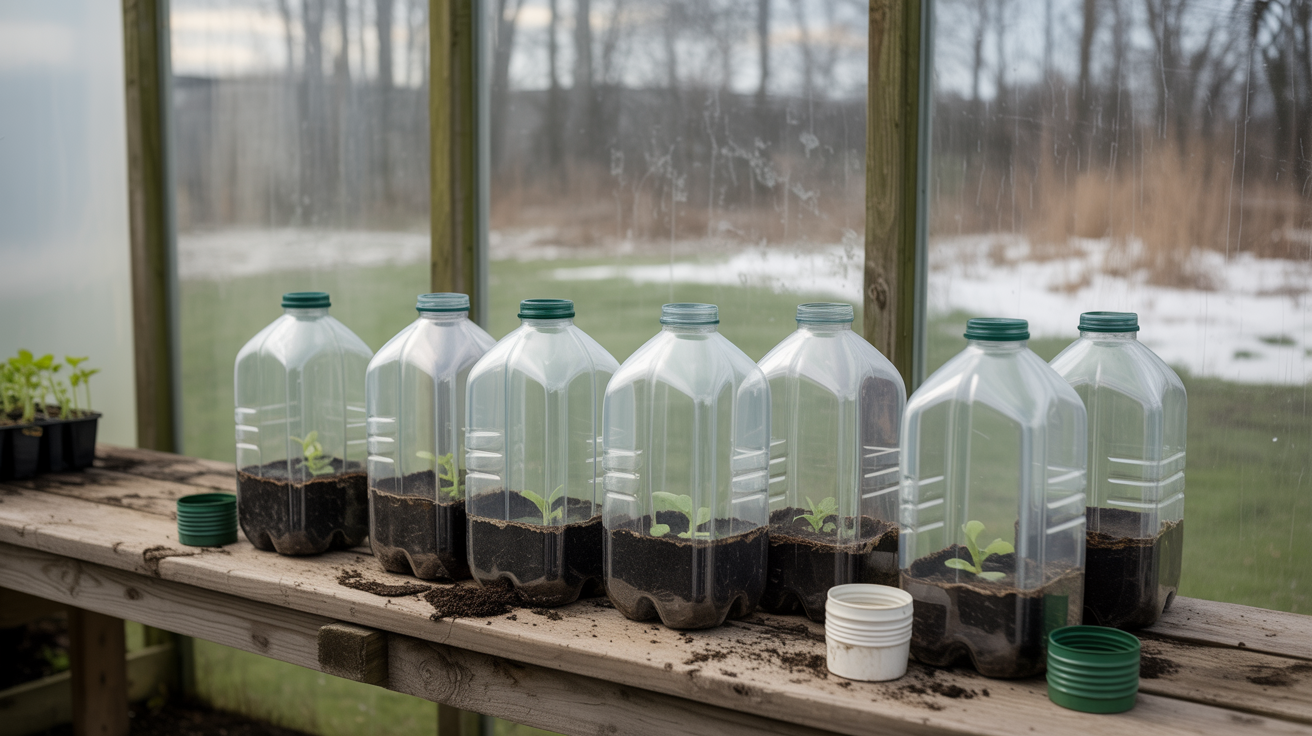
If you love gardening but dislike complicated systems, winter sowing might be exactly what you’ve been looking for.


Winter sowing is the practice of starting seeds outdoors during winter and letting natural temperature cycles trigger germination. Using simple containers like milk jugs or clear bins, seeds experience cold, moisture, and gradual warming—just as they would in nature.


This method works especially well for native plants, perennials, and cold-hardy annuals. Many of these seeds actually need a cold period to sprout, making winter sowing a perfect match.


The process is refreshingly simple. Add drainage holes to a container, fill it with moist potting mix, plant your seeds, label clearly, and place it outside where it will receive rain and snow. No grow lights. No daily attention. No indoor mess. 


If you’d like to watch a step-by-step walkthrough, Michelle breaks it down in this Winter Sowing Made Easy, including what to sow now in Zone 5 and why winter sowing works so well.


From a sustainability standpoint, winter sowing uses recycled materials, no electricity, and produces tough seedlings that are already adapted to outdoor conditions. These plants tend to transplant more successfully and require less fuss later.


It’s also a mindset shift. Instead of forcing growth, you work with the seasons and trust that plants know when it’s time.


As we move toward a growing season focused on pollinators, native plants, and resilient gardens, winter sowing is one of the easiest ways to get started—right now.


Not sure what seeds to try or how to begin?
Stop by and ask. We’re happy to walk you through the process, suggest plants that fit your goals, and help you grow smarter—not harder.


Come connect with us.

The Landscape Connection
4472 S. Mulford Rd.
Rockford, IL 61109
(815) 874-8733
www.TheLandscapeConnection.net
Healthy green lawn with mixed grass and clover in natural backyard setting
By Michelle Cox April 3, 2026
Learn simple, sustainable lawn care practices for Zone 5, including mowing, watering, and soil tips to build a healthier lawn naturally.
Asparagus spears emerging from soil in early spring garden bed
By Michelle Cox April 3, 2026
Learn how to grow asparagus in Zone 5, including when to plant crowns, how to prepare soil, and what to expect in the first few years.
Onion sets being planted in early spring soil in a Zone 5 garden
By Michelle Cox April 3, 2026
Learn how to grow onions in Zone 5, including when to plant, whether to use sets or transplants, and simple tips for a successful harvest.
Cool-season seedlings like lettuce and beets emerging from soil in early spring garden
By Michelle Cox April 3, 2026
What to plant in April in Zone 5, including cool-season crops, early flowers, and essential spring garden tasks to set your growing season up for success.
By michelle.tlcgiftandgarden March 3, 2026
Learn how to pre-sprout ranunculus in Zone 5 for strong spring blooms. Step-by-step soaking, planting, timing, and storage tips for Northern Illinois gardeners.
By michelle.tlcgiftandgarden March 3, 2026
Pruning in March made simple for Zone 5 gardeners. Learn which shrubs to cut, which to leave, and how to prune without losing blooms.
By michelle.tlcgiftandgarden March 3, 2026
What to start indoors in March in Zone 5. A simple seed guide for vegetables, flowers, and herbs, plus timing tips to grow strong, healthy seedlings for spring planting.
By michelle.tlcgiftandgarden March 3, 2026
Six practical garden design foundations for Northern Illinois Zone 5 — soil, spacing, plant placement, and choosing plants that work together.
By Michelle Cox January 29, 2026
Support winter birds with easy homemade suet recipes, including bark butter, no-melt suet, and suet wreaths, plus storage and feeding tips.
Crockpot herb oil infusion using dried herbs and olive oil in glass jars.
By Michelle Cox January 29, 2026
Learn how to tell if dried herbs are still good, the best ways to use them up, and simple infusion methods for vinegars, oils, and compound butters.
Show More