
Growing Asparagus
A Long-Term Garden Investment That Pays You Back Every Spring
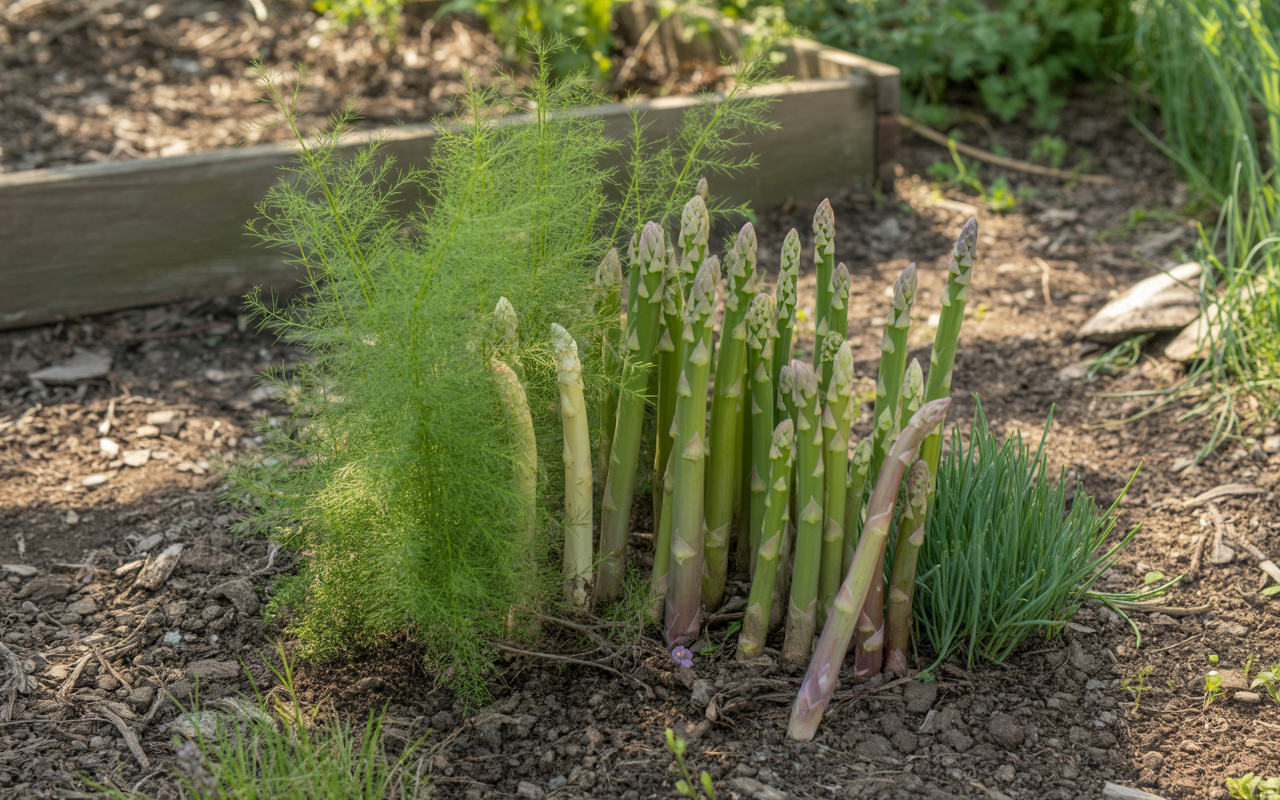
Asparagus is one of those plants you don’t grow for this year.
You grow it for the next 10… 15… even 20 years.
And once it’s established, it becomes one of the easiest, most reliable things in your garden — showing up every spring like clockwork, ready to harvest.
But getting there takes a little patience.
🌿
Why Grow Asparagus?
If you’ve ever thought about planting something once and enjoying it for years, this is it.
Asparagus is a perennial crop, which means it comes back every year without replanting.
Once established, it’s:
• Low maintenance
• Productive for years
• One of the earliest harvests in spring
It’s one of those crops that starts paying you back before most of your garden is even planted.
🌱
Starting Asparagus — Crowns vs Seeds
Most people start with crowns, and for good reason.
Crowns are one-year-old root systems that give you a huge head start.
You can grow asparagus from seed… but it adds an extra year (or more) before you’re harvesting.
If you’re planting this spring, crowns are the way to go.
📅
When to Plant in Zone 5
Early spring is your window.
As soon as the soil is workable — similar timing to onions — you can plant asparagus crowns.
Cool soil helps them get established before summer stress hits.
🌿
How to Plant Asparagus
This is where asparagus is a little different.
You’re not just planting for this year — you’re building a bed for the long haul.
Dig a trench about 6–8 inches deep.
Lay the crowns out, spreading the roots gently.
Cover them lightly at first, then gradually fill in the trench as they grow.
Give them space — about 12–18 inches between plants — because they will fill in over time.
And choose your location carefully.
Asparagus doesn’t like to be moved.
🌞
Location Matters More Than Anything
Full sun. Good drainage. And a spot you can leave alone.
That’s the formula.
Because once asparagus is established, you won’t want to disturb it — and you won’t need to.
💧
Watering and Feeding
Asparagus isn’t overly demanding, but it does appreciate good soil.
Before planting, work in compost or organic matter.
Once established, an annual feeding in early spring keeps it strong.
Water consistently the first year while it’s getting established — after that, it becomes very self-sufficient.
⏳
The Hard Part — Waiting
This is where most people struggle.
You do not harvest the first year.
And you take it very lightly the second year.
By year three, you’re harvesting regularly.
It’s a slow start… but then it becomes one of the most rewarding crops you grow.
🌿
Keep It Simple
Plant it once.
Take care of it early.
Then let it do its thing.
Asparagus is one of the best reminders that gardening isn’t always about instant results.
Sometimes it’s about building something that gets better every single year.
And once you have it… you’ll always be glad you planted it.
If you’re thinking about adding asparagus to your garden and want help choosing crowns, prepping your soil, or planning your space, we’re here to help you think it through.
Let’s build this season the right way 🌱
The Landscape Connection
4472 S. Mulford Rd.
Rockford, IL 61109
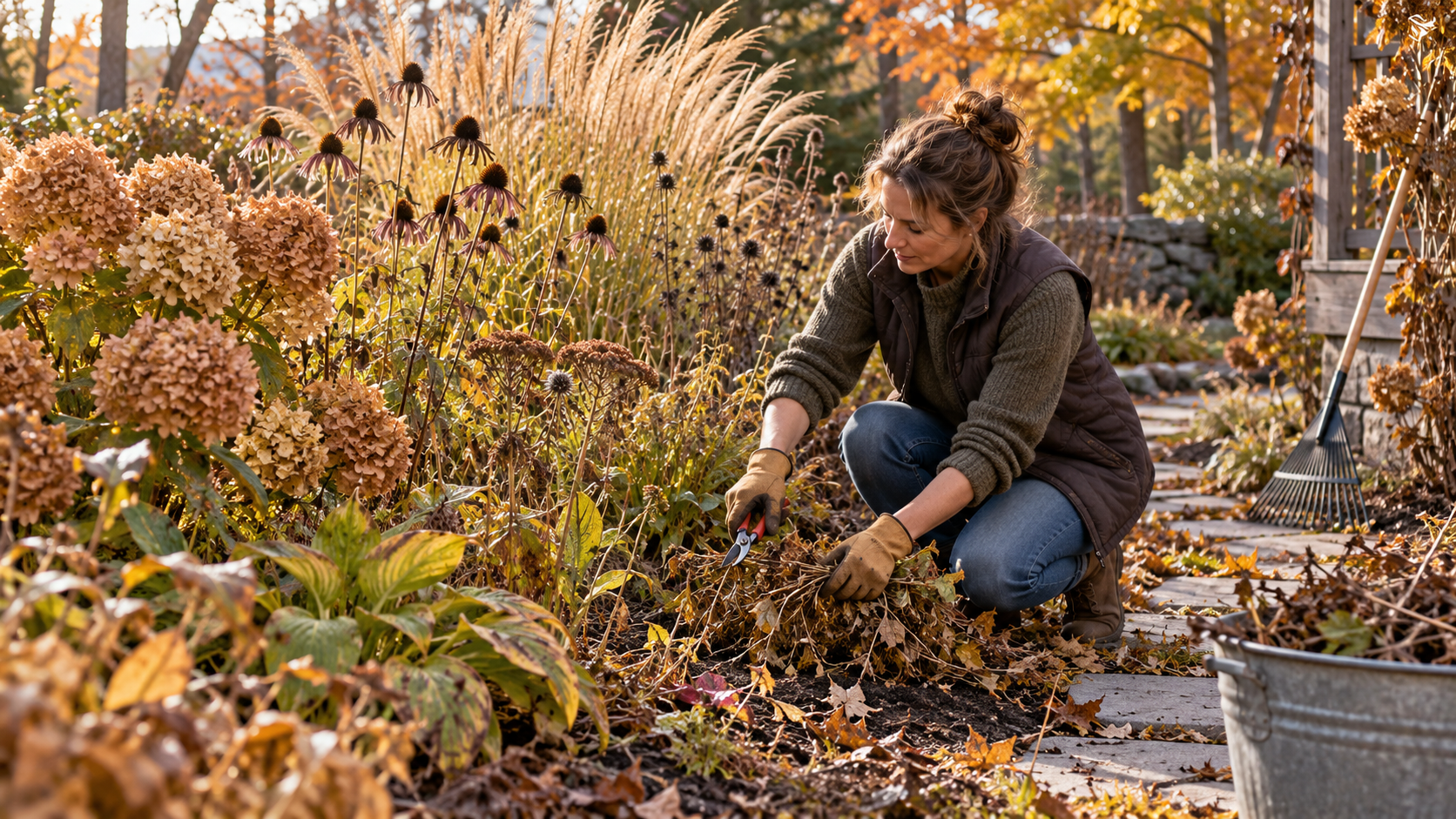
Learn what to cut back and what to leave standing during fall garden cleanup in Zone 5, plus tips for healthier beds, birds and beneficial insects.
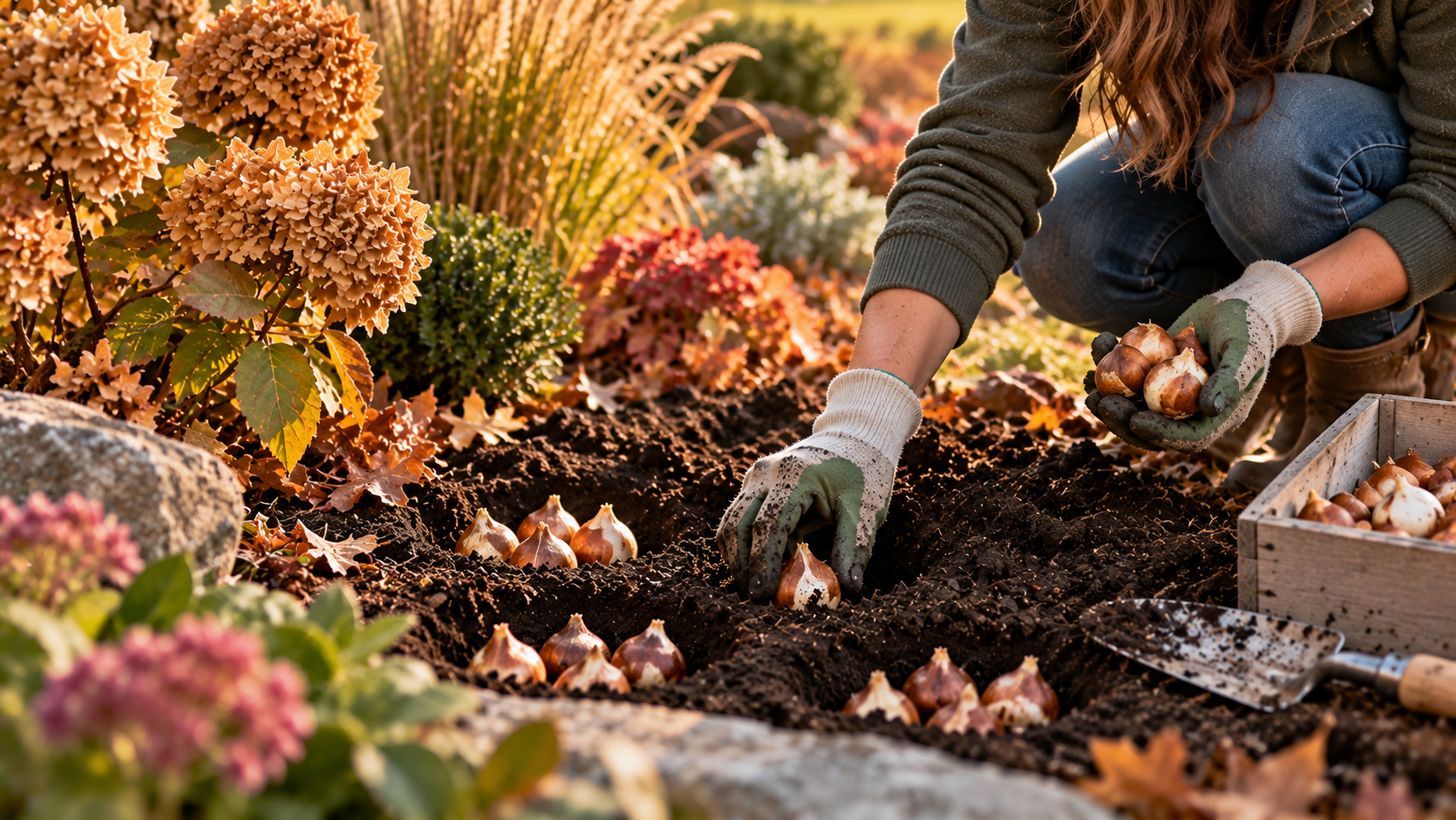
Plant spring-flowering bulbs this fall in Zone 5. Michelle shares tips for planting tulips, daffodils and alliums for beautiful spring color.
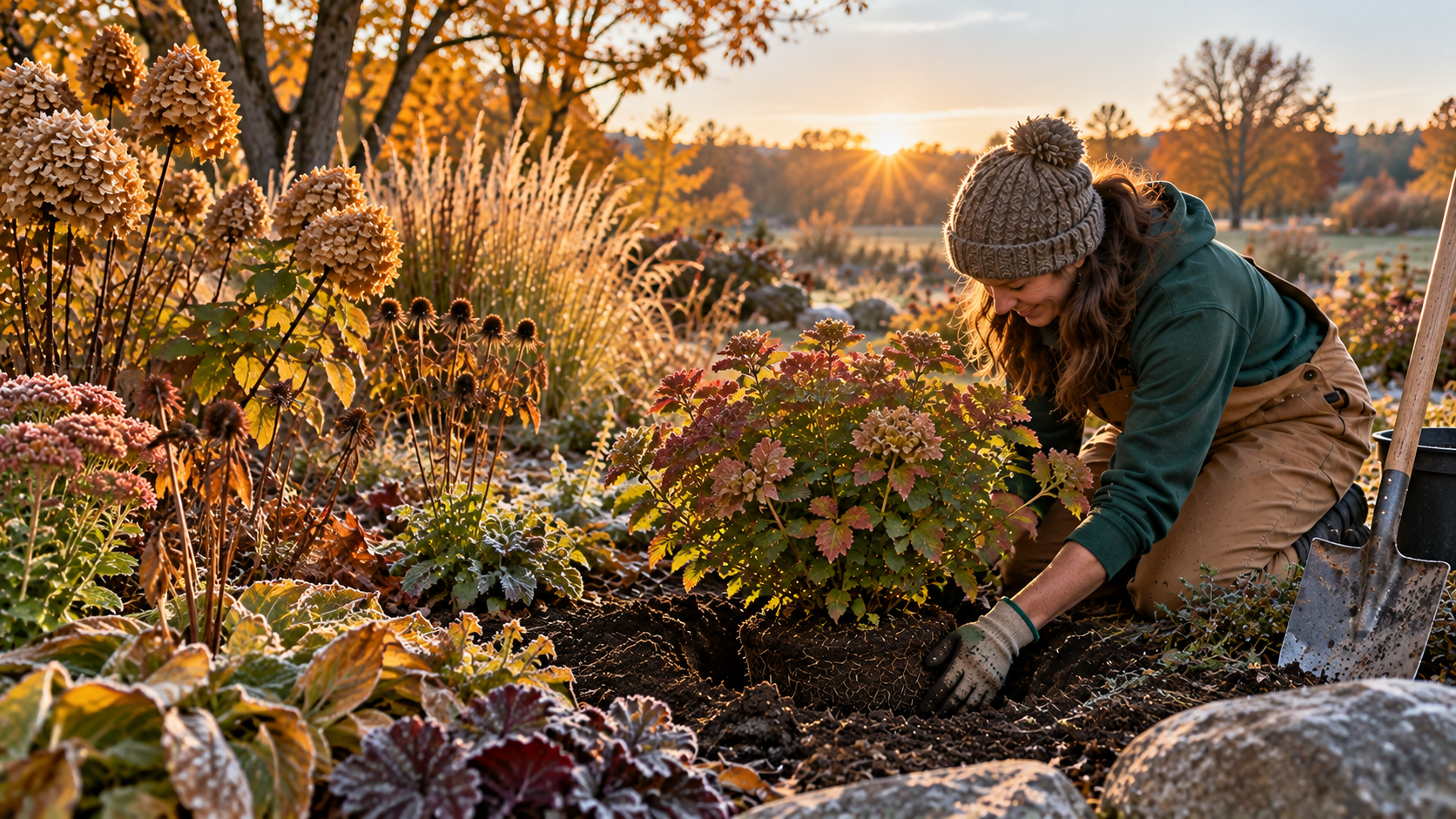
Is it too late to plant in October? Michelle explains fall planting in Zone 5, frost vs. frozen ground, and what Rockford gardeners can still plant.
Short-Tail SEO Keywords
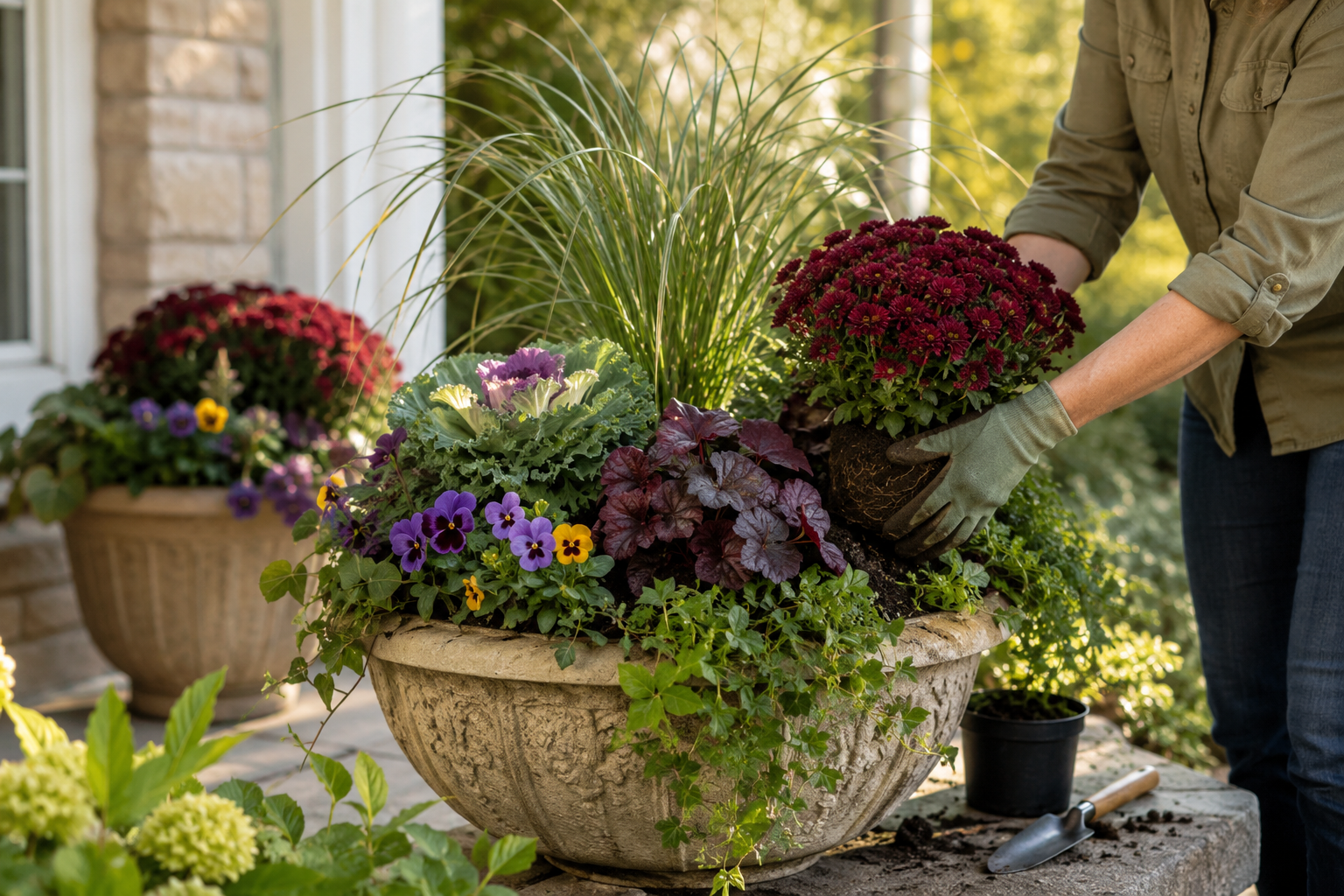
Refresh summer containers for fall with mums, pansies, kale, grasses and other cool-season favorites suited to Northern Illinois gardens.
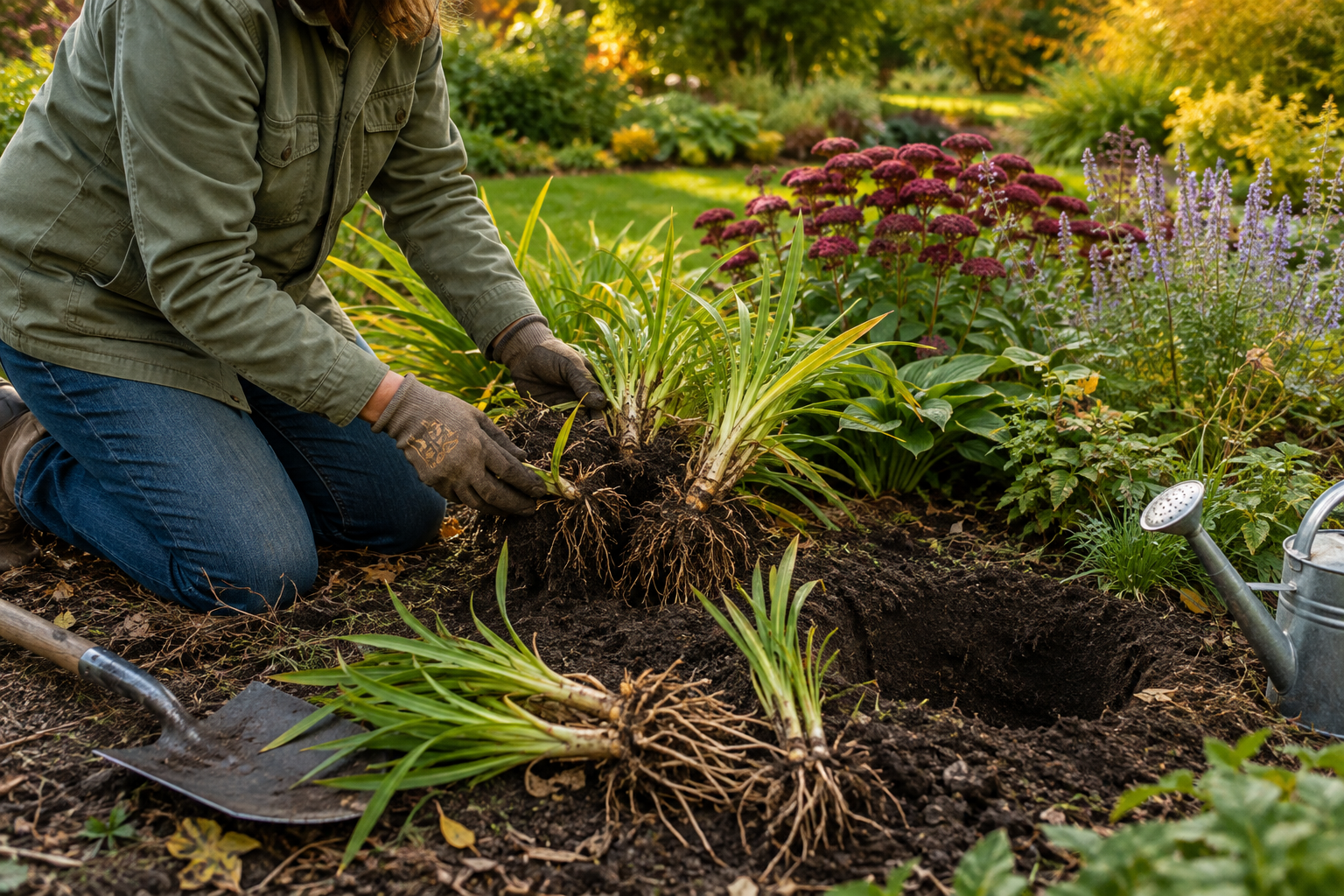
Learn when and how to divide and transplant perennials in fall, which plants to move and how to help them settle into a Zone 5 garden.
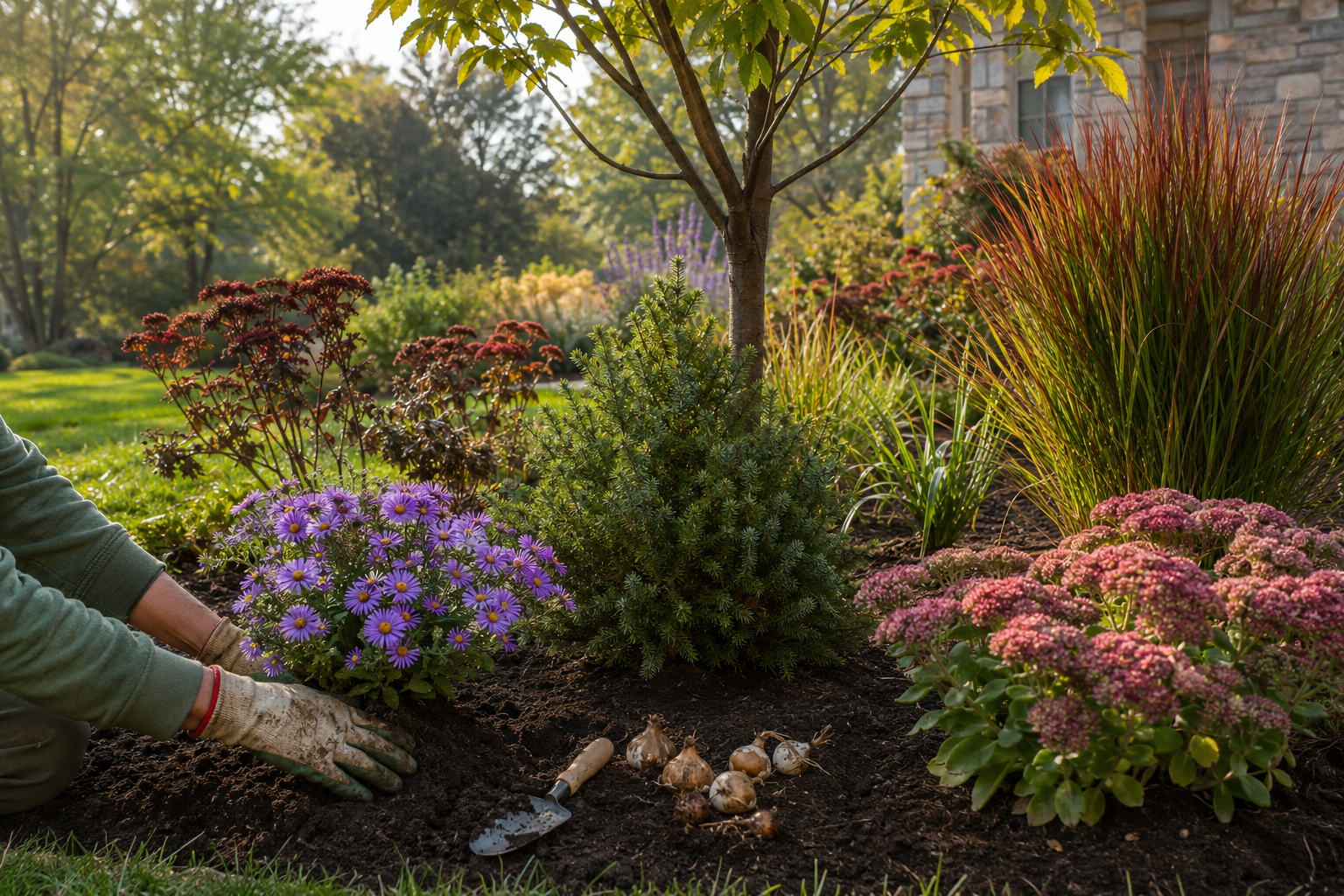
Discover why September is ideal for planting trees, shrubs, perennials and bulbs in Zone 5, plus easy tips for successful fall planting.
Refresh a tired August garden with simple tips for annuals, containers and fading plants while enjoying the second half of the Zone 5 season.
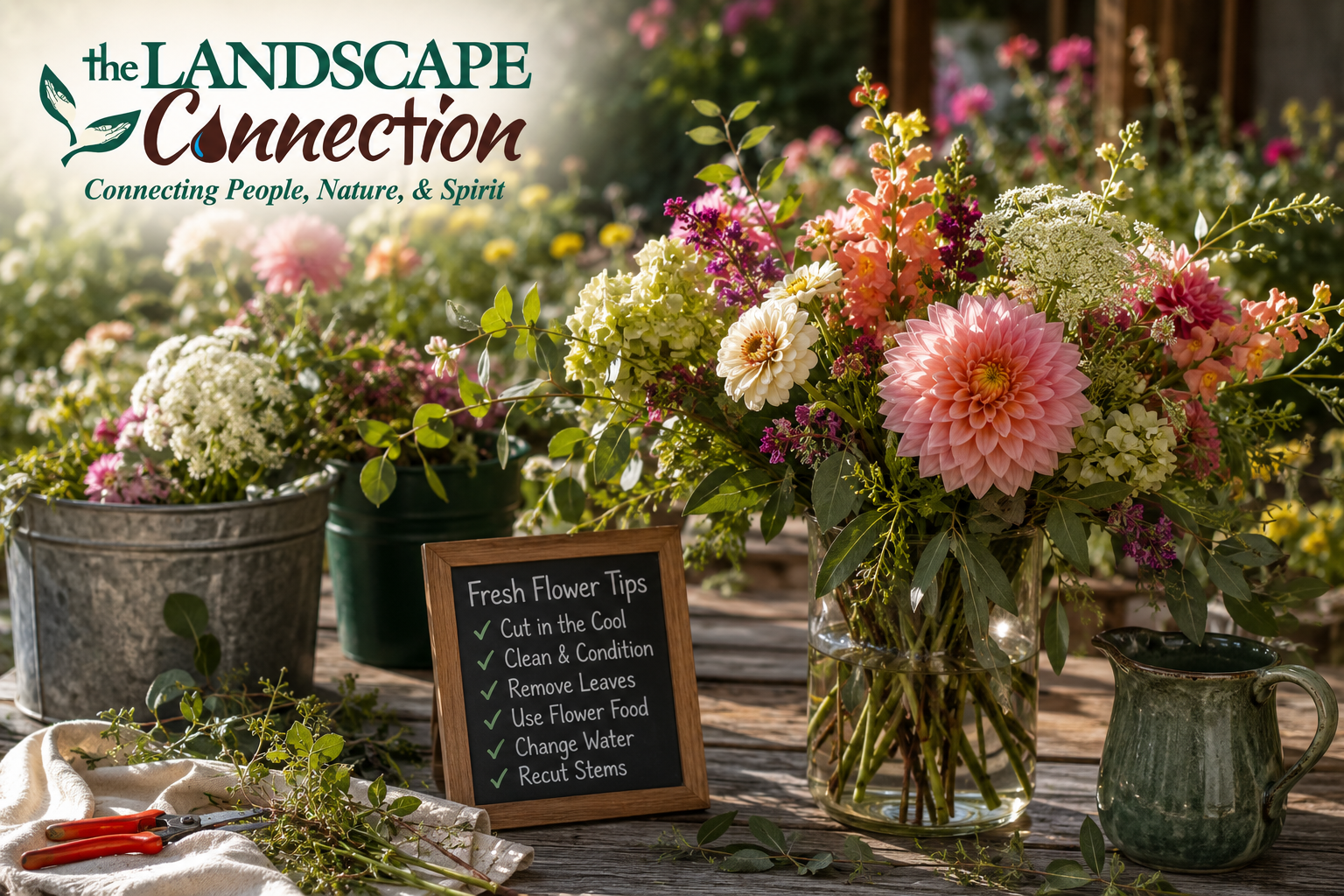
Learn how to cut, condition and care for fresh flowers so garden bouquets stay beautiful longer, from harvest time to fresh vase water.
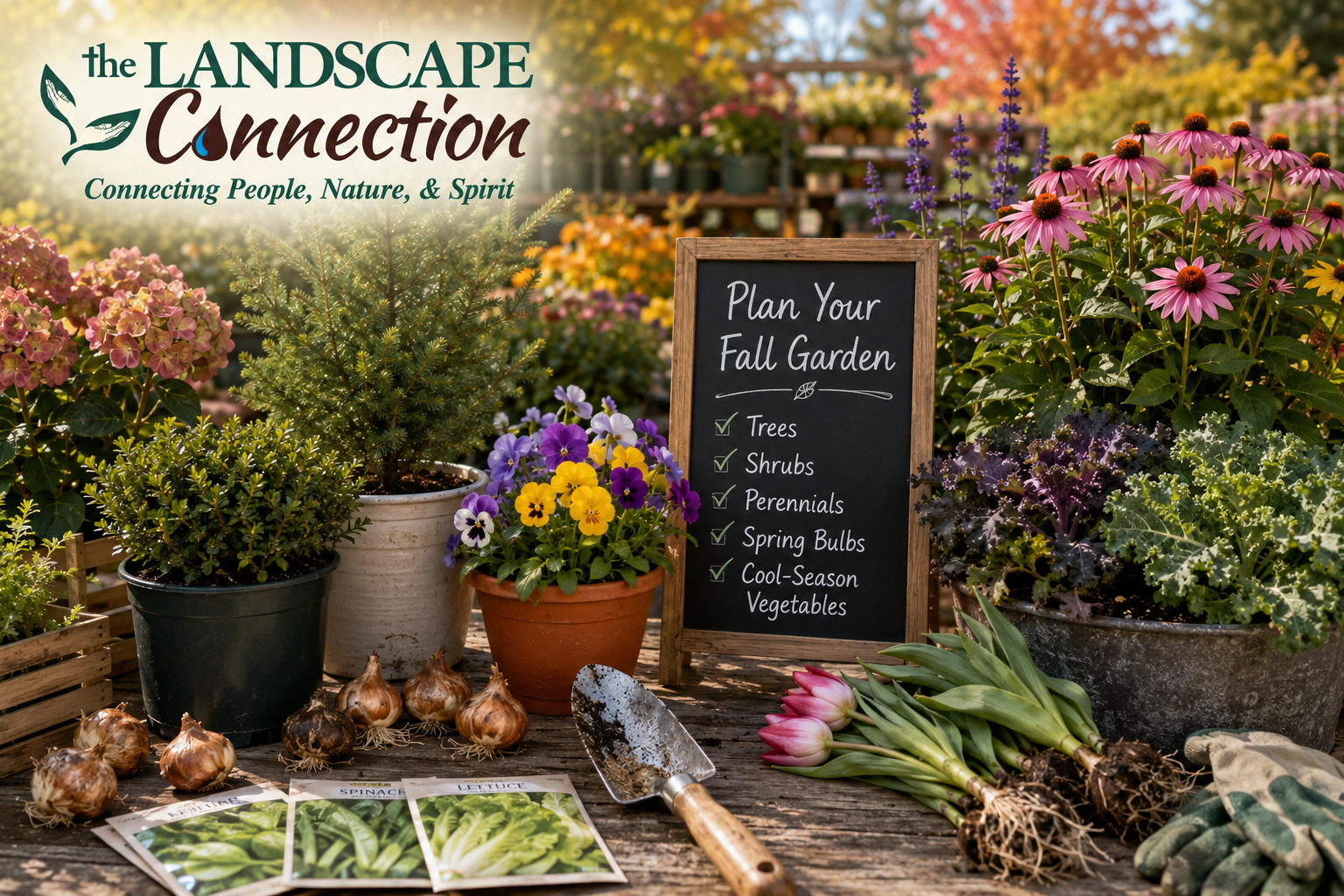
Start planning what to plant this fall in Zone 5, including trees, shrubs, perennials, spring bulbs and cool-season vegetables.
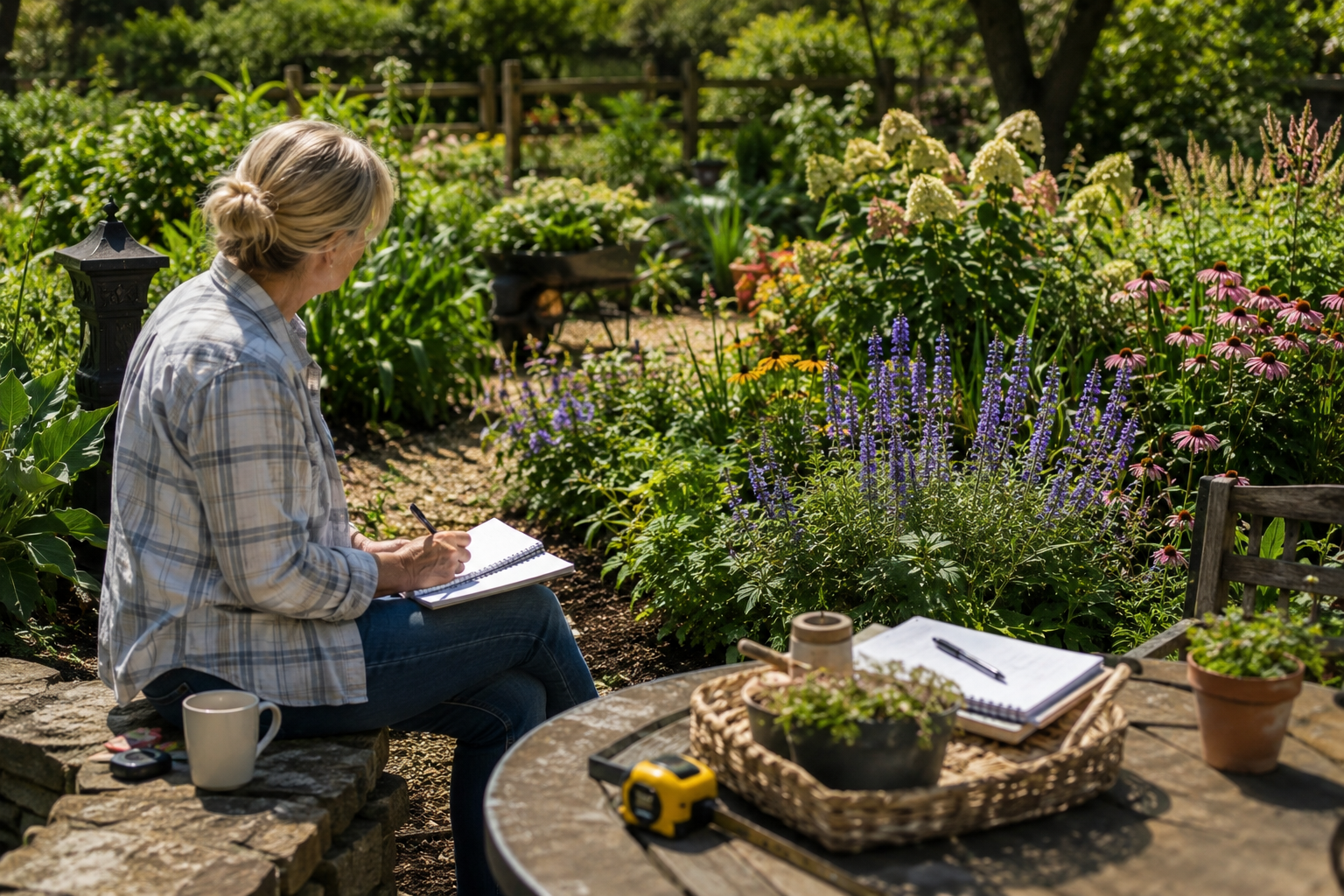
Plan a better Zone 5 garden by evaluating August color, empty spaces, plant performance and companion needs before fall planting begins.
