The Quiet Power of Houseplants

How bringing plants indoors supports your health, your home, and the planet

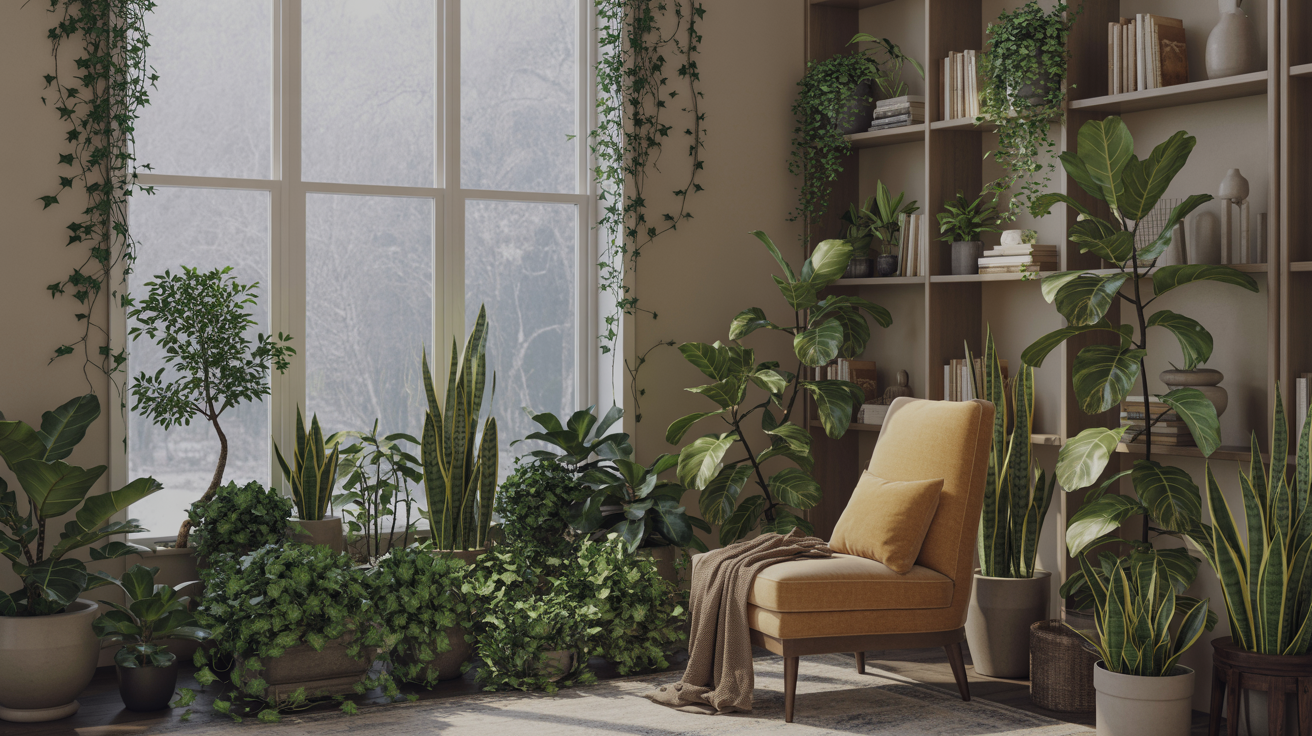
Sunlit indoor garden nook with many potted plants, a mustard chair, and a large window.

January can feel heavy. The days are short, the garden is frozen, and everything outside looks a little lifeless. That’s where houseplants quietly step in and do their thing.


Houseplants bring life back into our spaces when the outdoor garden is resting. They soften rooms, add warmth, and remind us that growing doesn’t stop just because it’s winter. Even better, they do more than just look good.


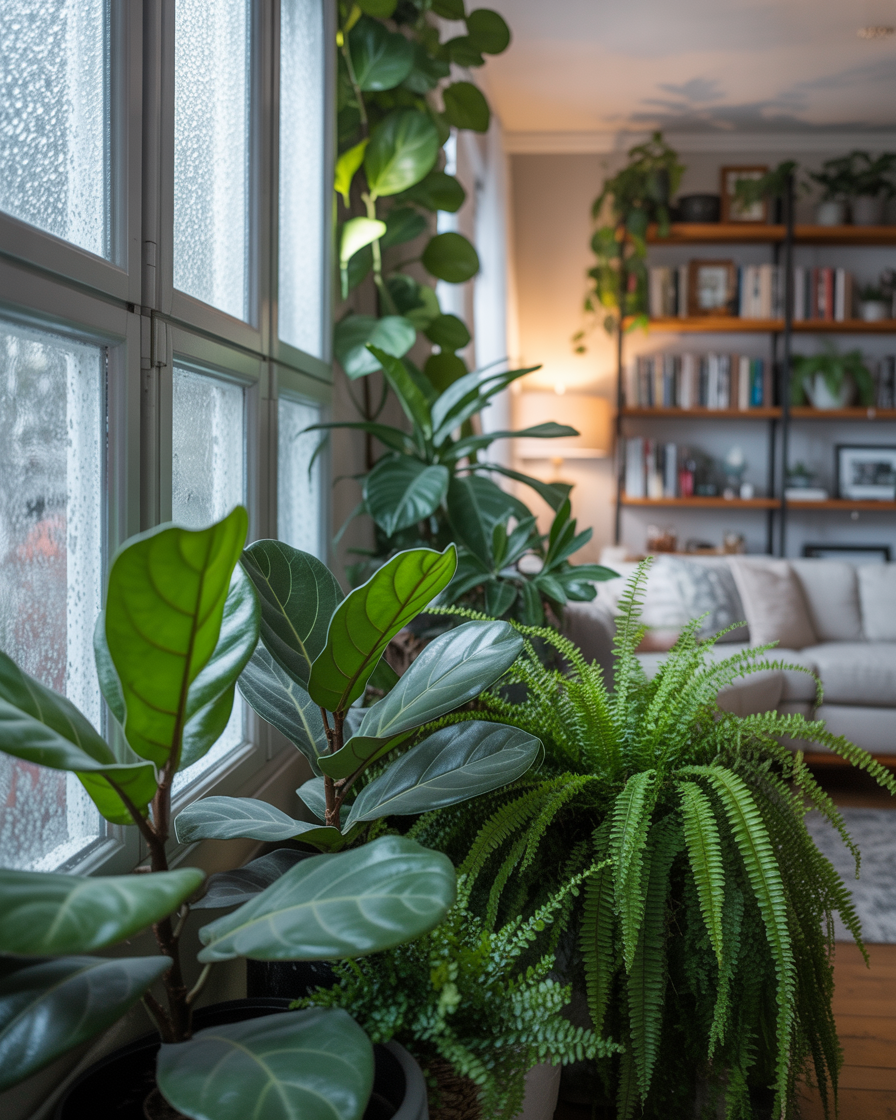
Plants help improve indoor air quality by absorbing carbon dioxide and releasing oxygen. Some also help filter common indoor pollutants. While they’re not a replacement for fresh air or good ventilation, they absolutely contribute to a healthier indoor environment.

Bright indoor room with potted houseplants by a rain-speckled window and a cozy sofa in the background

There’s also something deeply grounding about caring for plants. Watering, checking leaves, and watching new growth gives us a routine that feels purposeful without being overwhelming. Being around plants has been shown to reduce stress and improve focus, which is something many of us could use more of during winter.


From a sustainability standpoint, houseplants are a small but meaningful way to stay connected to nature year-round. Many popular indoor plants are long-living, easily propagated, and require minimal resources once established. A single plant can be shared, divided, or passed along for years.


If you’re new to houseplants, start simple. Snake plants, pothos, philodendrons, and ZZ plants are forgiving, resilient, and perfect for busy lives. If you’ve had plants for years, winter is a great time to reassess light, repot if needed, and clean leaves so they can photosynthesize efficiently.
Houseplants aren’t just décor. They’re living companions that support our homes, our health, and our connection to the natural world—especially during the quiet months.


Want help choosing the right plant for your space?

Stop by and tell us about your light, lifestyle, and goals. We’re always happy to answer questions, troubleshoot struggling plants, and help you grow with confidence.


Come connect with us.


The Landscape Connection

4472 S. Mulford Rd.

Rockford, IL 61109

(815) 874-8733

www.TheLandscapeConnection.net

Wilting garden plant being watered deeply during summer heat beside healthy flowers and landscape pl
By michelle.tlcgiftandgarden June 30, 2026
Learn how to tell the difference between heat stress and drought stress, plus proper watering tips to keep your garden healthy all summer.
Gardener examining blooming blue, pink, and white hydrangeas in a sunny landscape garden.
By michelle.tlcgiftandgarden June 30, 2026
Learn why your hydrangea isn't blooming, including pruning mistakes, old wood vs. new wood, winter damage, shade, and fertilizer tips.
Colorful summer perennial garden featuring coneflowers, salvia, Shasta daisies, yarrow, and black-ey
By michelle.tlcgiftandgarden June 30, 2026
Discover which perennials rebloom and which bloom for weeks with simple care tips from Michelle at The Landscape Connection.
Fresh-picked vegetables, basil, and colorful cut flowers harvested from a thriving summer garden in
By michelle.tlcgiftandgarden June 30, 2026
Harvest vegetables, herbs, and flowers the right way to encourage continuous production throughout summer with gardening tips from Michelle at The Landscape Connection.
Gardener deadheading colorful summer flowers to encourage healthy growth and blooms throughout July
By michelle.tlcgiftandgarden June 30, 2026
Keep your summer garden healthy and colorful with simple July maintenance tips from Michelle at The Landscape Connection, including deadheading, fertilizing, pruning, and weed control.
June-blooming perennials create weeks of color in a thriving Zone 5 garden.
By michelle.tlcgiftandgarden June 2, 2026
Discover the top blooming perennials for Zone 5 gardens in June, including coneflowers, salvia, lavender, and more seasonal favorites.
Fresh mulch surrounds healthy garden plants, helping conserve moisture and reduce weeds in summer.
By michelle.tlcgiftandgarden June 2, 2026
Discover why mulching is one of the most important mid-season garden tasks. Learn how mulch conserves moisture, reduces weeds, improves soil, and protects plants in Zone 5 gardens.
Honeybee collecting pollen from purple salvia flowers in a sunlit pollinator-friendly summer garden.
By michelle.tlcgiftandgarden June 2, 2026
Learn how to support pollinators in your Zone 5 garden with flowers, native plants, water sources, and pollinator-friendly gardening practices.
Ripe tomatoes and flowering basil attract pollinators in a companion-planted vegetable garden.
By michelle.tlcgiftandgarden June 2, 2026
Learn how companion planting can improve your vegetable garden by attracting pollinators, supporting beneficial insects, maximizing space, and creating healthier, more productive harvests.
Home gardener watering at the base of plants in a backyard garden bed, showing deep, slow watering a
By Michelle Cox April 29, 2026
Struggling plants? It’s often a watering issue. Learn how to water correctly, how often to water, and the difference between overwatering and underwatering for healthier plants.
Show More