
Good Lawn Care Practices
How to Build a Healthier Lawn Without Fighting Nature
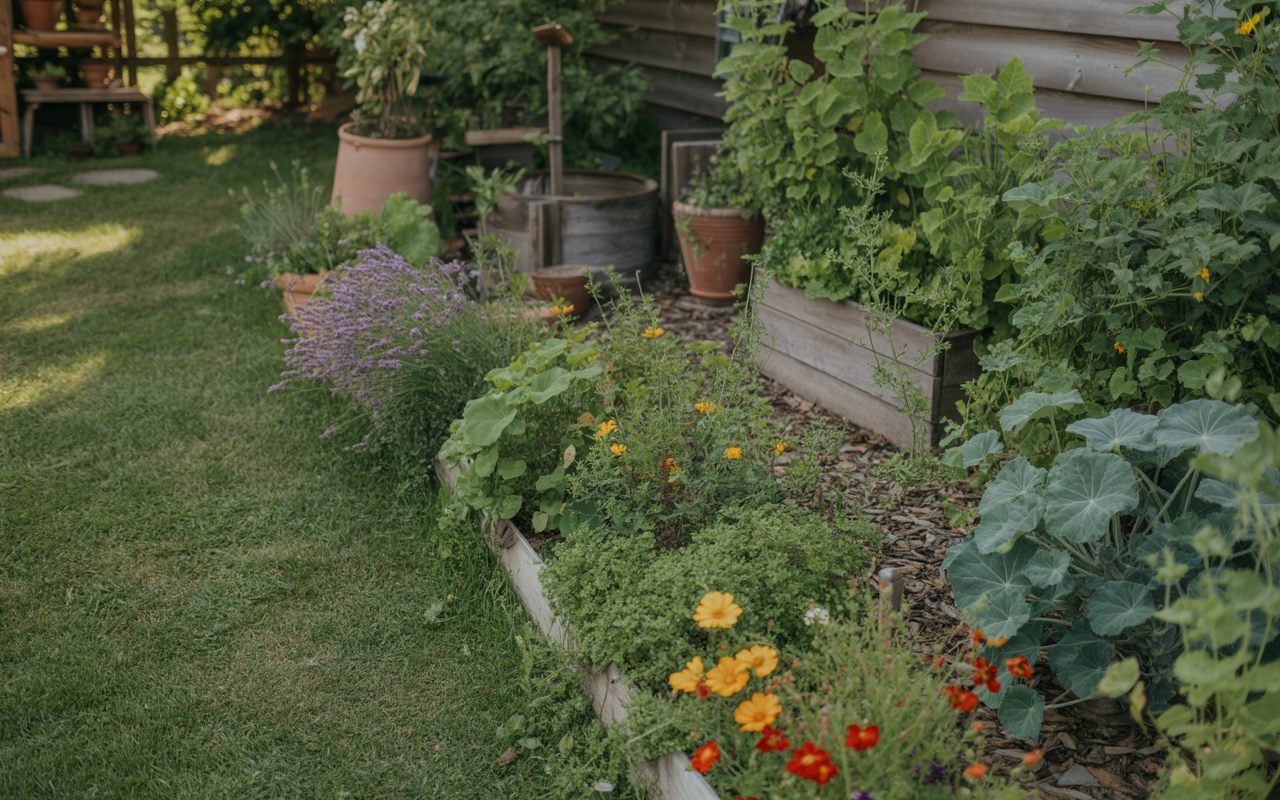
If there’s one thing we see every spring, it’s this:
People trying to “fix” their lawn all at once.
Fertilize it. Weed it. Patch it. Push it.
And while some of that has its place… a really good lawn doesn’t come from forcing it.
It comes from working with it.
Especially if you’re starting to think a little more about sustainability, pollinators, and how everything in your yard connects — like we are with the Eco Garden
this year.
🌿
Start With What You Have
Before you add anything, take a look.
Where is your lawn thin?
Where is it thriving?
Where does water sit… or run off?
Your lawn tells you a lot if you pay attention.
And often, the problem isn’t what you think it is.
🌱
Build Better Soil First
Everything starts with soil.
Healthy soil holds moisture better.
Supports stronger root systems.
And naturally crowds out weeds over time.
Instead of just feeding the grass, think about feeding the soil.
Adding compost, organic matter, or using slower-release fertilizers can make a bigger long-term impact than quick fixes.
🌿
Mow Smarter, Not Shorter
One of the biggest mistakes we see?
Cutting grass too short.
Taller grass:
• Shades out weeds
• Holds moisture longer
• Develops deeper roots
Aim to keep your lawn a little higher than you think. It makes a noticeable difference, especially heading into summer.
💧
Water Less Often — But Better
Frequent, shallow watering trains your lawn to stay weak.
Instead, water deeply and less often.
This encourages roots to grow down into the soil, making your lawn more drought-tolerant and resilient.
And honestly — it saves you time too.
If you want to go deeper into how to water effectively (especially as we head into summer heat), we’ve broken that down in more detail here: 👉 Watering Wisely
🌼
Rethink “Perfect”
This is where things are shifting.
A perfectly uniform, weed-free lawn isn’t always the healthiest option — for your yard or for the environment.
Clover, violets, and other low-growing plants:
• Support pollinators
• Improve soil health
• Add diversity
That doesn’t mean letting everything go.
It means being intentional about what you’re encouraging.
🌿
Small Changes, Big Impact
You don’t have to overhaul your entire lawn this year.
Start with a few simple shifts:
• Raise your mower height
• Improve your soil
• Water more intentionally
• Be selective with treatments
Over time, your lawn becomes easier to maintain — not harder.
🌱
Keep It Simple
A good lawn isn’t about doing more.
It’s about doing the right things, consistently.
And maybe letting go of the idea that it has to look like a golf course to be successful.
Because when your lawn is healthy, balanced, and working with the rest of your landscape…
It becomes something better than perfect.
If you’re looking for fertilizer, seed, soil amendments, or just want help figuring out what your lawn actually needs, we’re here to help you think it through.
Come connect with us 🌱
The Landscape Connection
4472 S. Mulford Rd.
Rockford, IL 61109
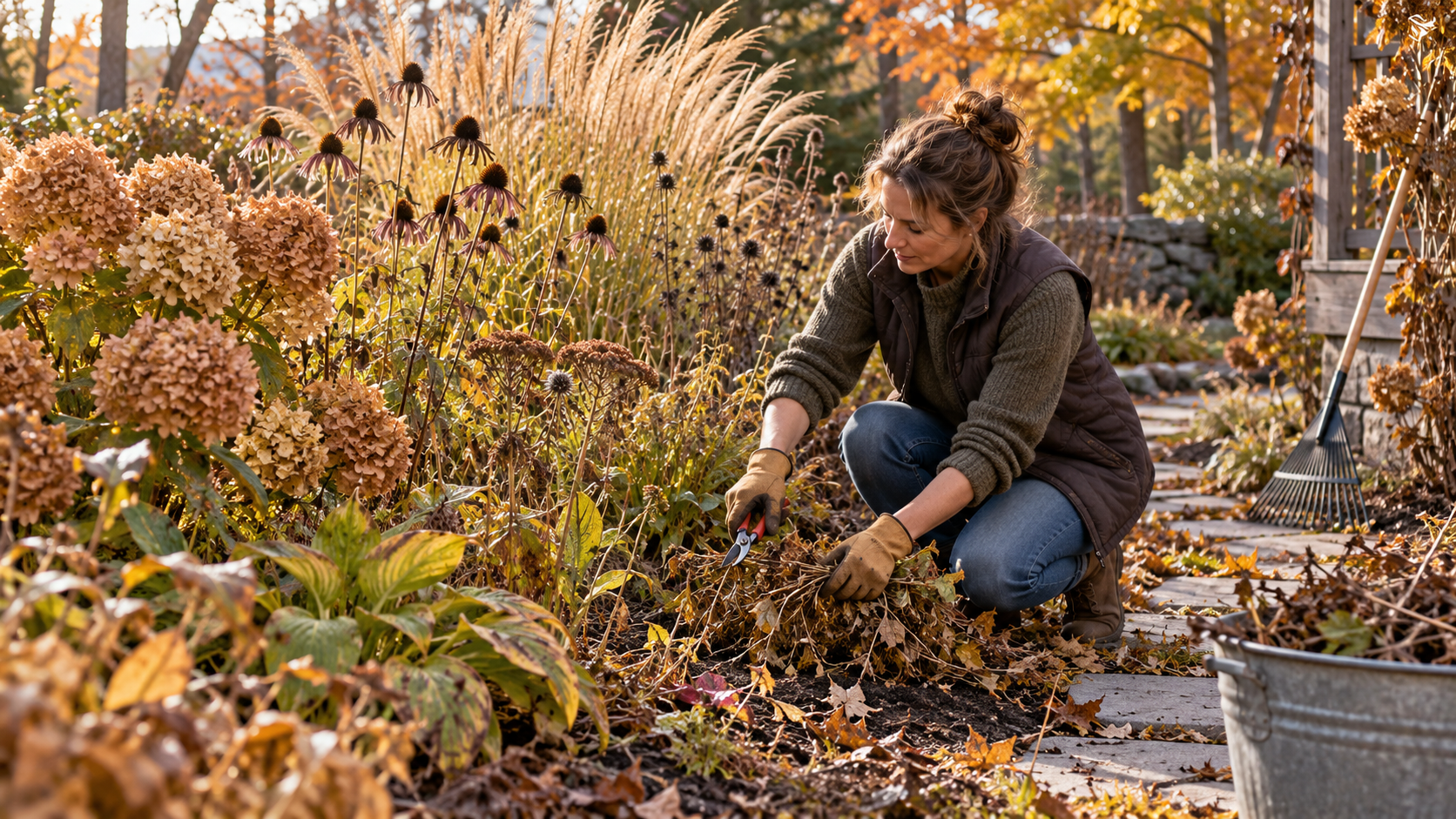
Learn what to cut back and what to leave standing during fall garden cleanup in Zone 5, plus tips for healthier beds, birds and beneficial insects.
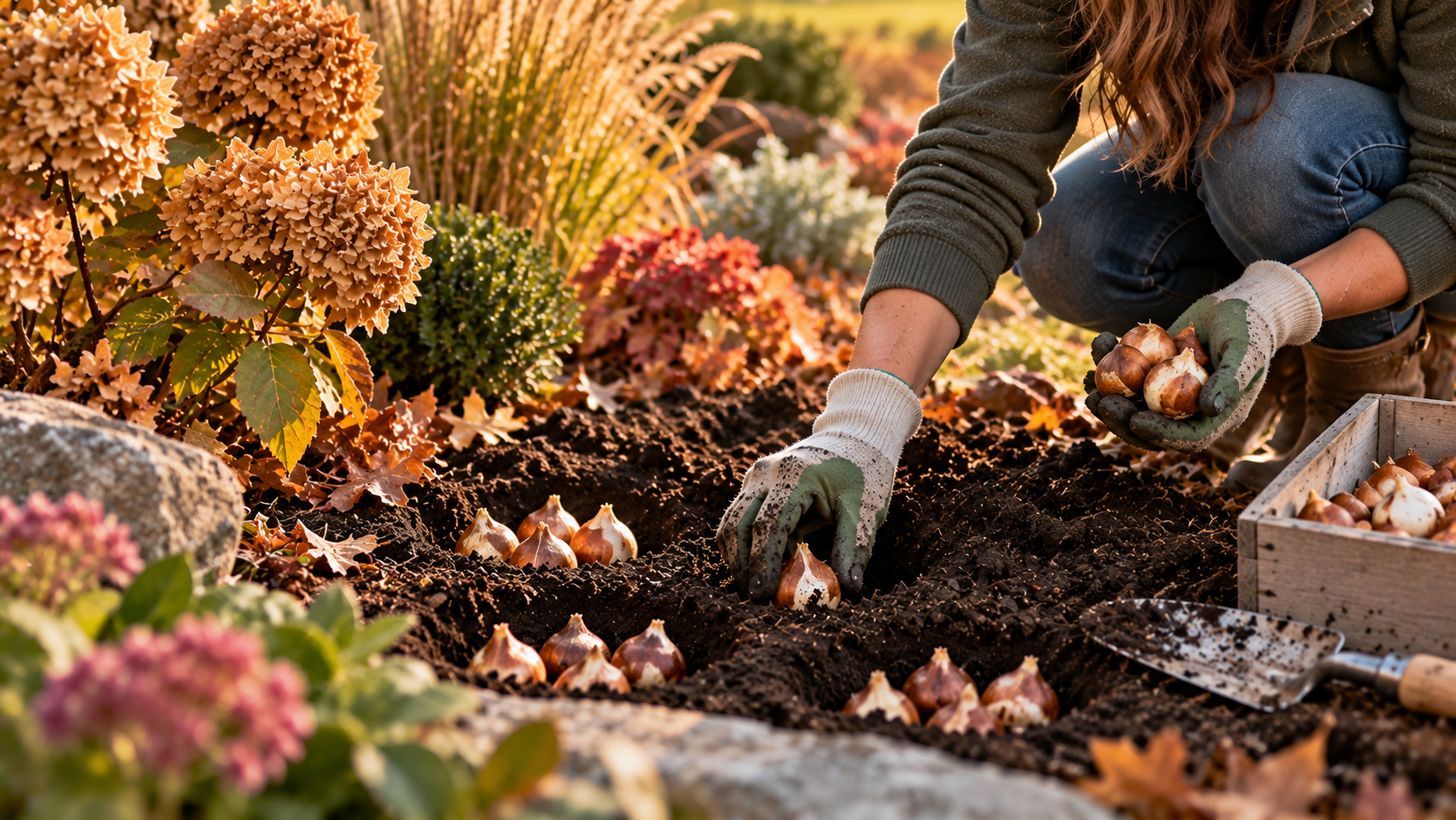
Plant spring-flowering bulbs this fall in Zone 5. Michelle shares tips for planting tulips, daffodils and alliums for beautiful spring color.
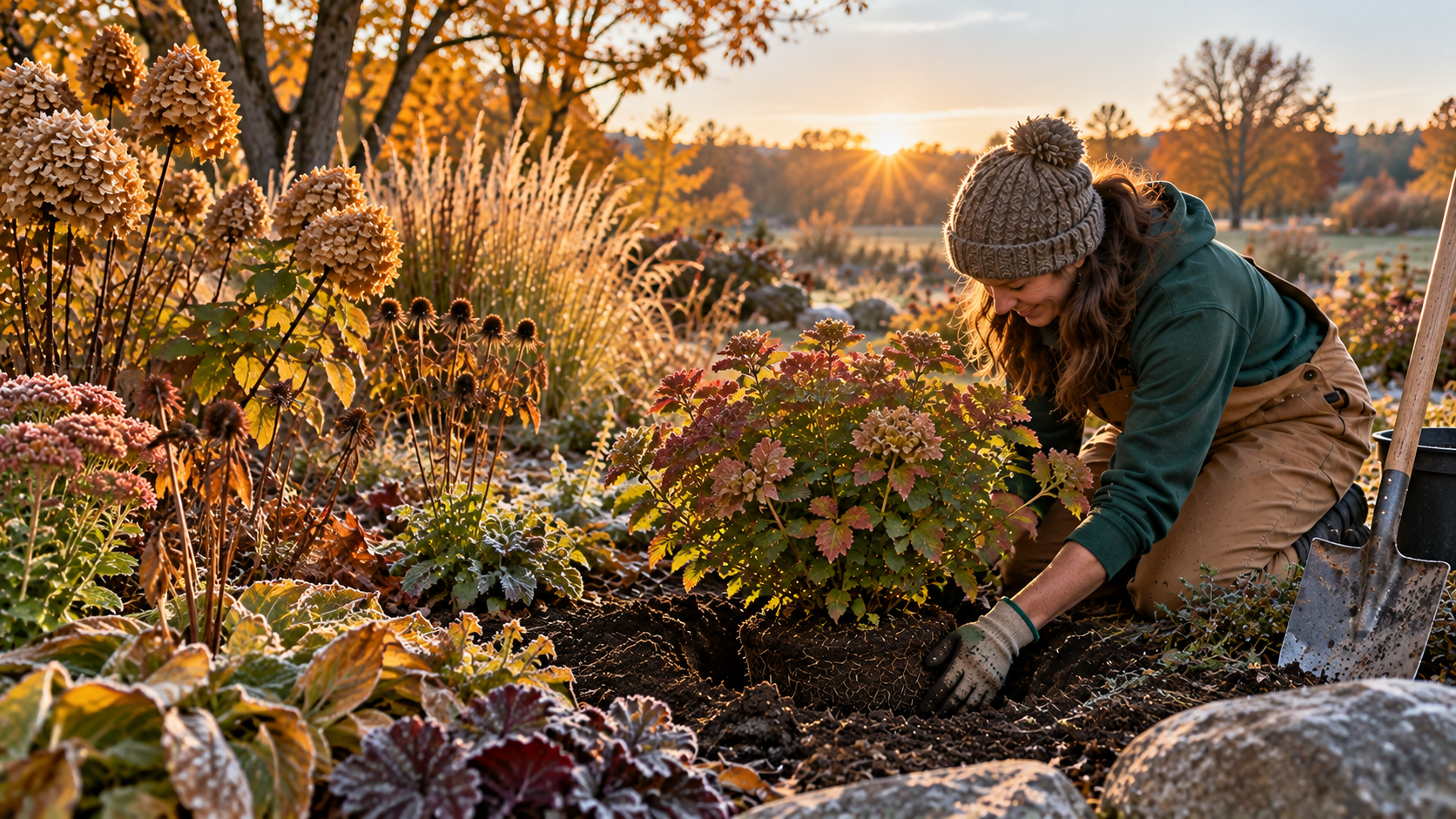
Is it too late to plant in October? Michelle explains fall planting in Zone 5, frost vs. frozen ground, and what Rockford gardeners can still plant.
Short-Tail SEO Keywords
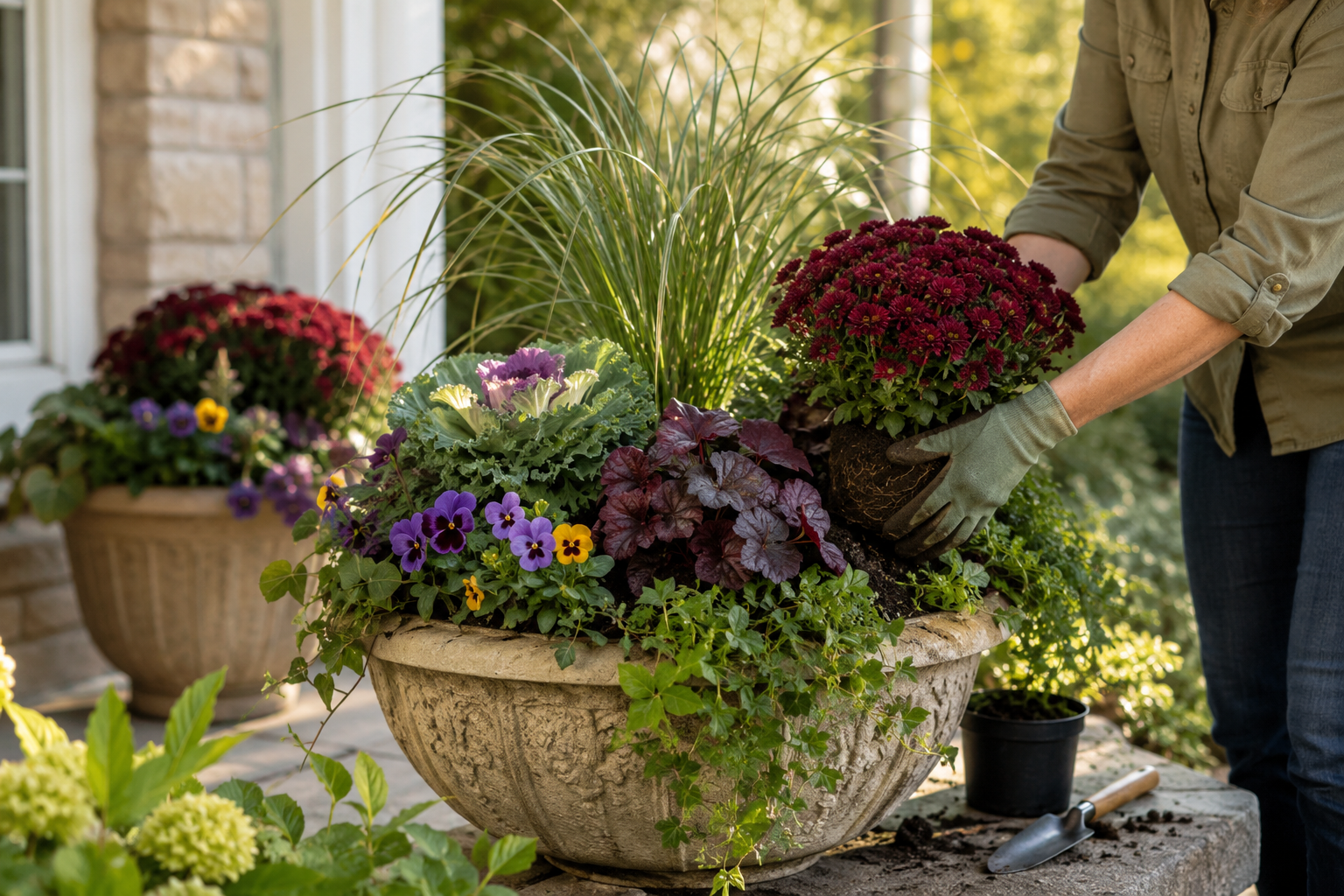
Refresh summer containers for fall with mums, pansies, kale, grasses and other cool-season favorites suited to Northern Illinois gardens.
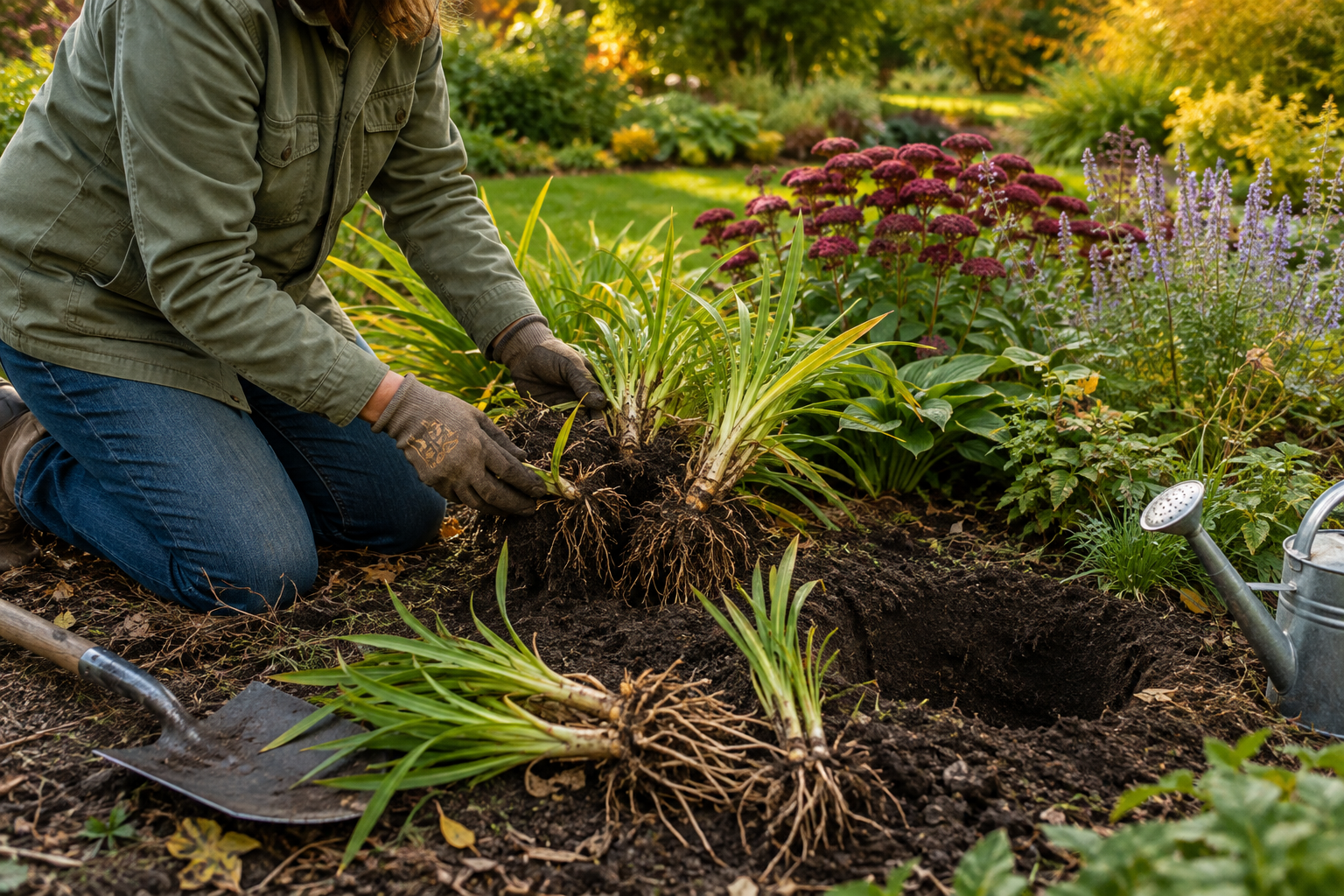
Learn when and how to divide and transplant perennials in fall, which plants to move and how to help them settle into a Zone 5 garden.
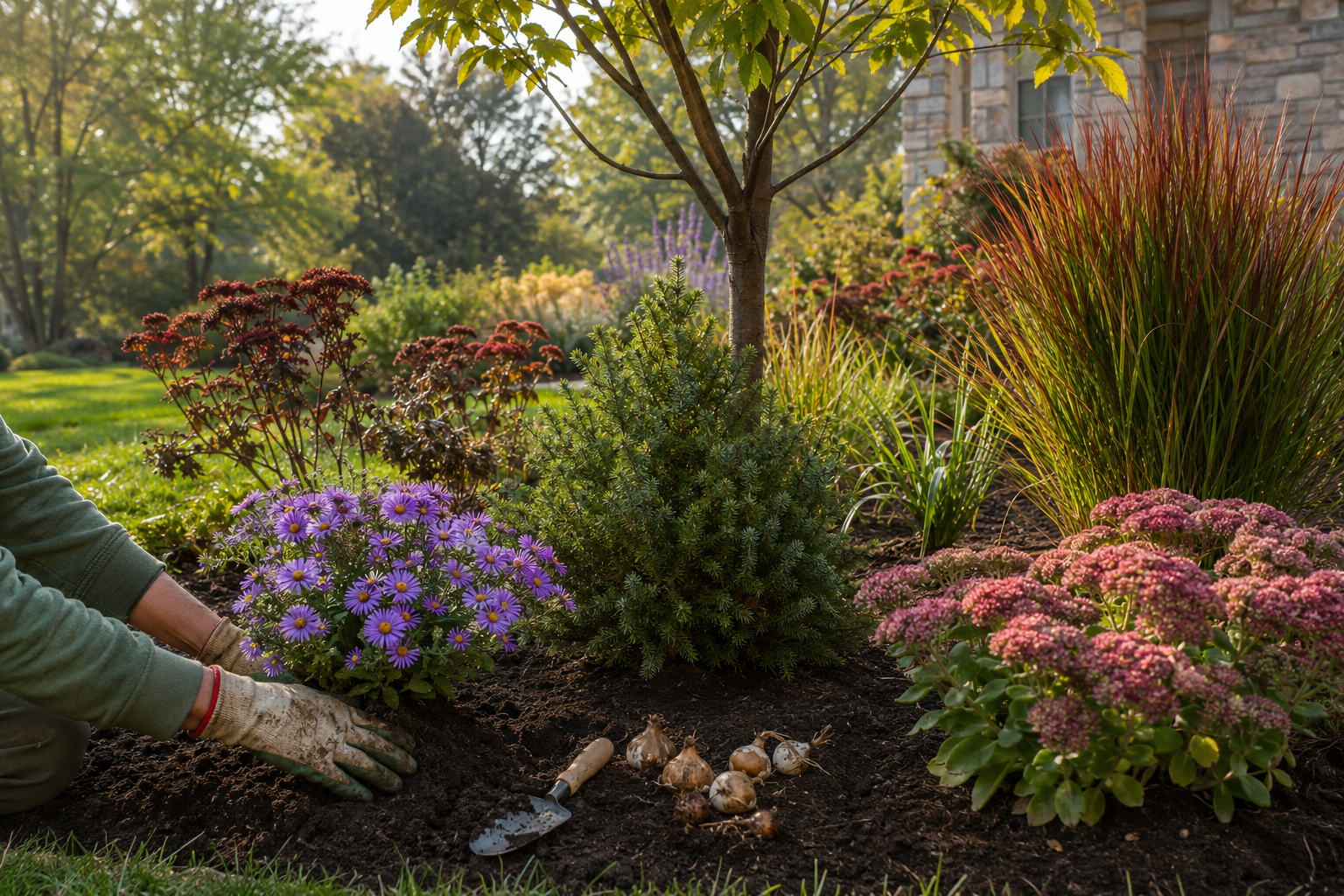
Discover why September is ideal for planting trees, shrubs, perennials and bulbs in Zone 5, plus easy tips for successful fall planting.
Refresh a tired August garden with simple tips for annuals, containers and fading plants while enjoying the second half of the Zone 5 season.
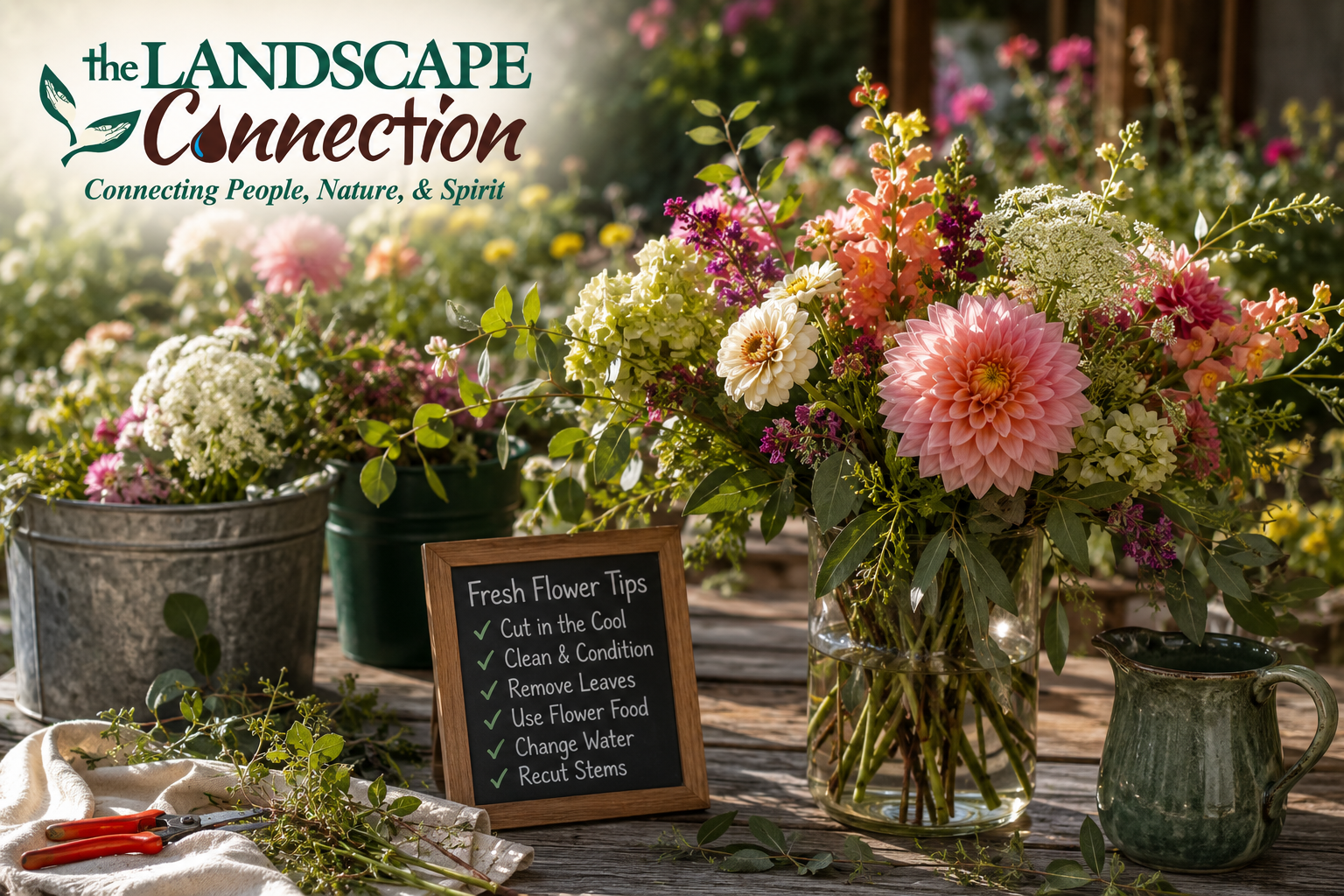
Learn how to cut, condition and care for fresh flowers so garden bouquets stay beautiful longer, from harvest time to fresh vase water.
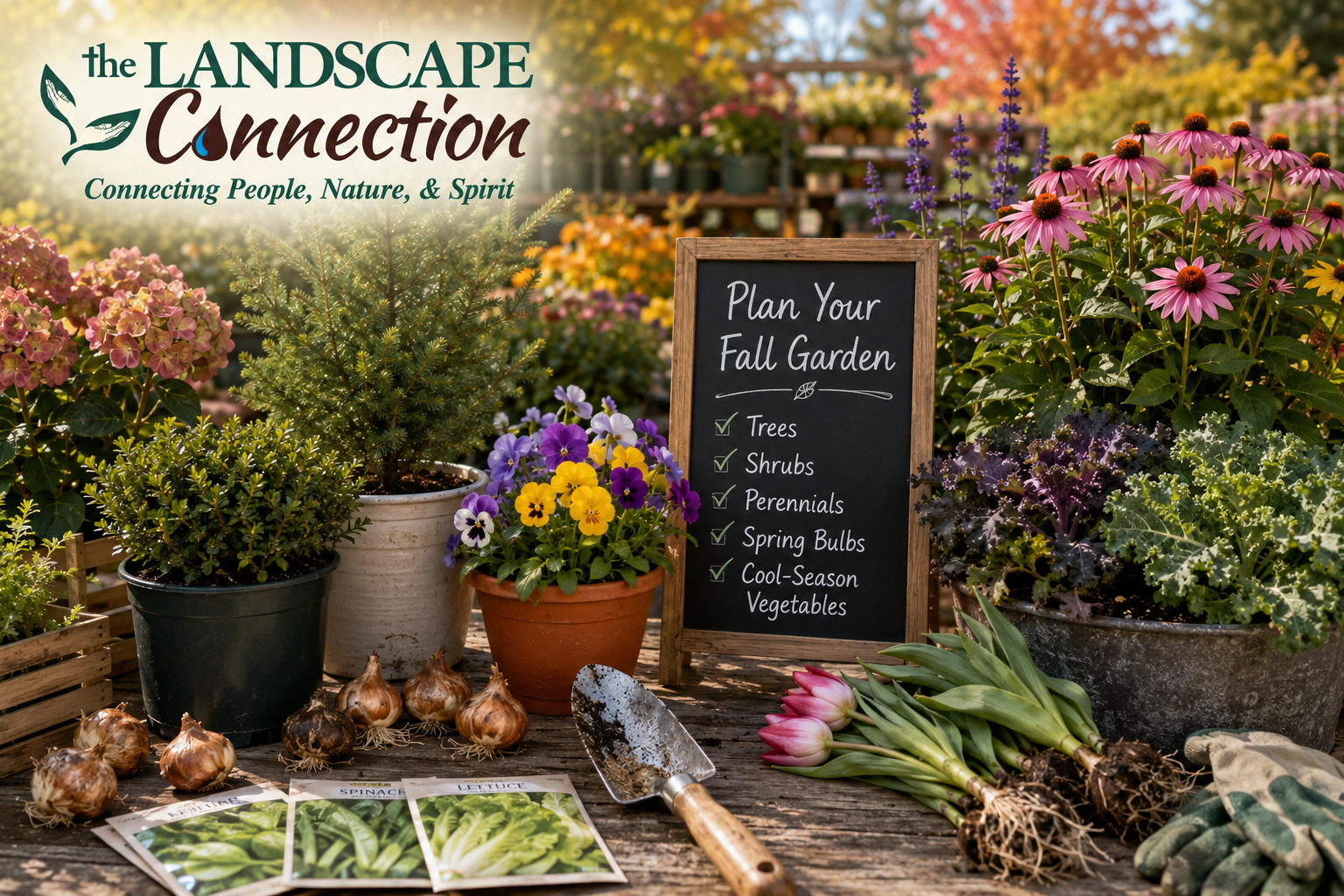
Start planning what to plant this fall in Zone 5, including trees, shrubs, perennials, spring bulbs and cool-season vegetables.
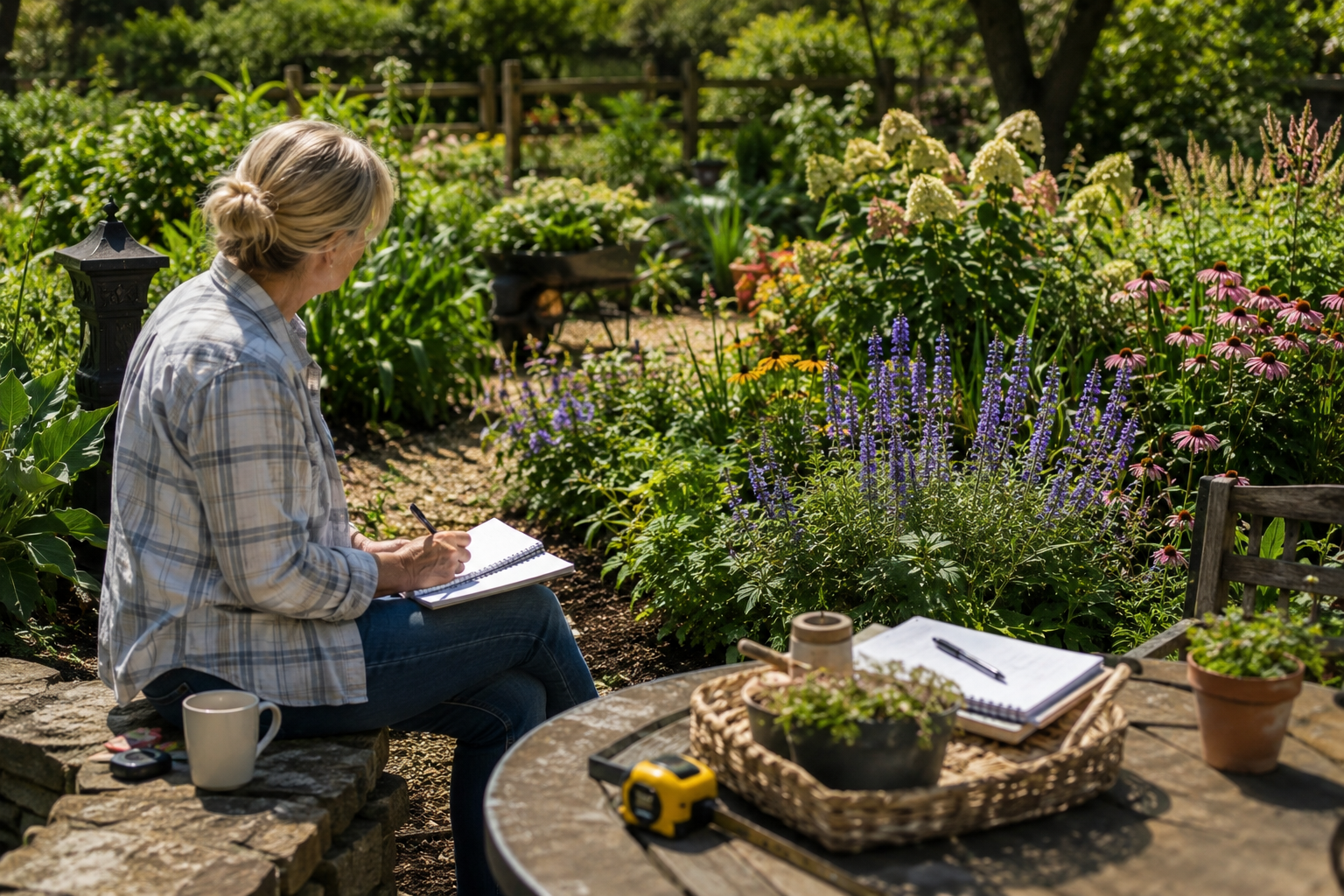
Plan a better Zone 5 garden by evaluating August color, empty spaces, plant performance and companion needs before fall planting begins.
