Growing and Pruning Clematis: Tips and Tricks for Bold Blooms

Growing and Pruning Clematis: Tips and Tricks for Bold Blooms

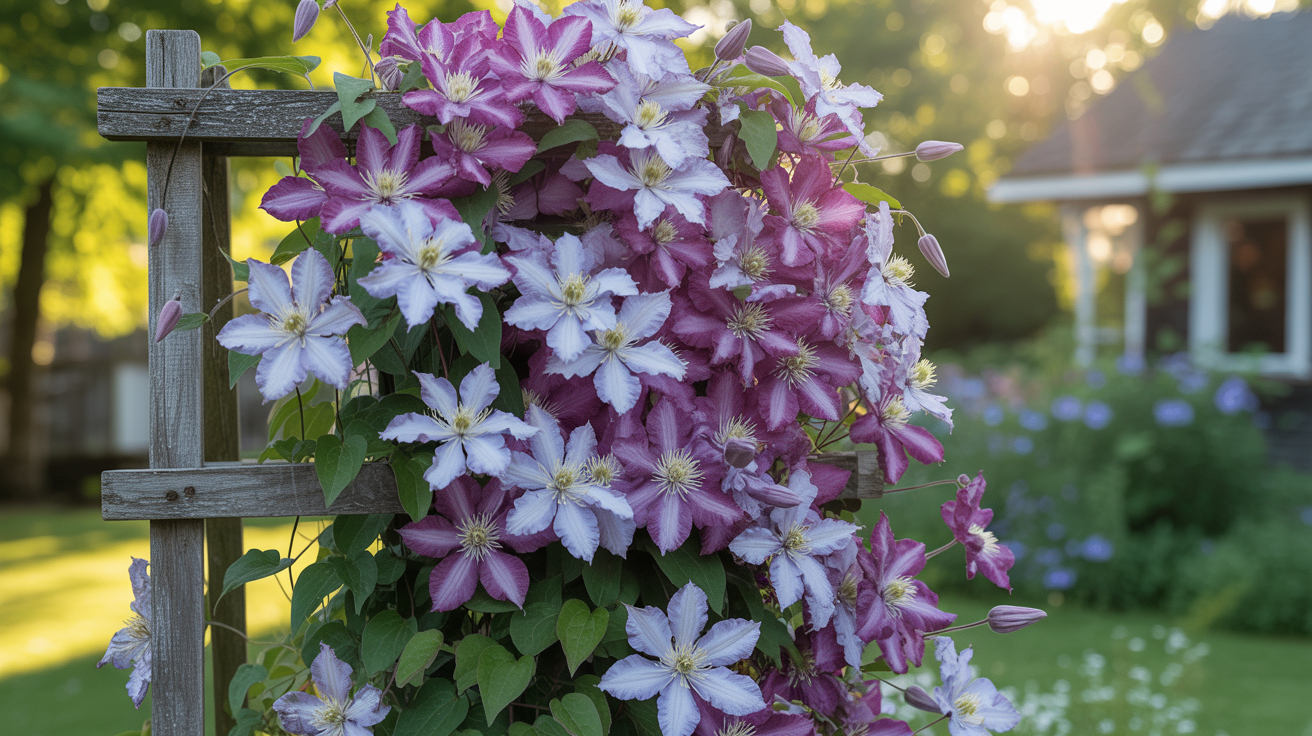
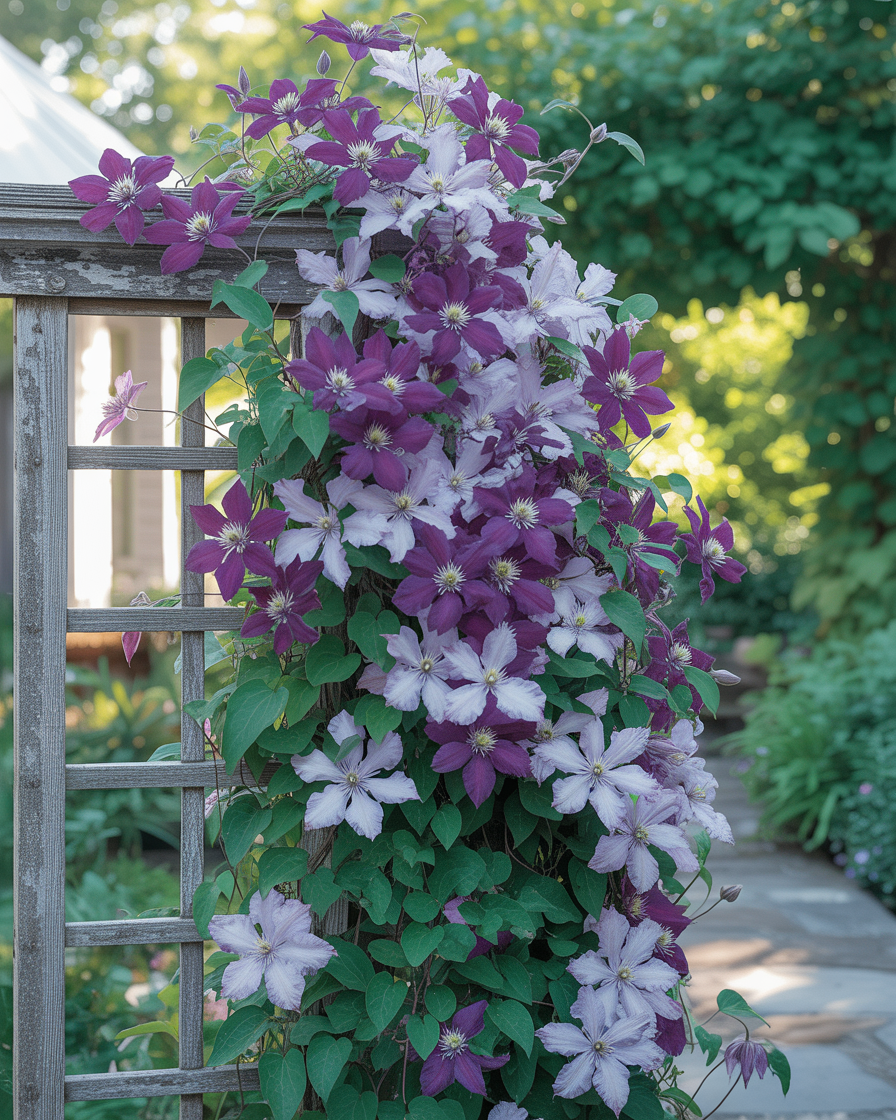
There’s something magical about a clematis in full bloom—whether it’s climbing a trellis, spilling over a fence, or bursting with color around your mailbox. But what if yours is just... underwhelming? Stringy growth, tiny flowers, and a general “meh” feeling? Don’t worry—you’re not the only one asking, “Where are my big, beautiful blooms?”


Let’s get into the why and how so you can get the vibrant clematis show you’re dreaming of.


What Clematis Really Wants

Clematis can be a little particular, but once it’s settled in, it’s a star performer. Here's what it takes:

  • Sun-loving top, shade-loving roots: Aim for at least 6 hours of sunlight on the vine, but keep the roots cool and shaded. A thick layer of mulch or a few leafy perennials at the base can help regulate temperature.
  • Well-drained soil: These plants hate “wet feet.” If your soil leans toward heavy clay, mix in some compost or other organic matter to improve drainage.
  • Patience: There's a garden saying—“First year they sleep, second year they creep, third year they leap.” Give it time!

Why the Flowers Might Be Falling Flat

If your clematis looks more like a tangled mess than a blooming beauty, here are a few possible culprits:


Wrong variety: Some types naturally have smaller, wispier flowers. Do a little research to make sure your clematis matches your expectations.


Not enough sunlight: Less light means fewer blooms. Full sun (with cool roots!) is ideal.


Too much nitrogen: If you’ve been fertilizing, make sure it’s not too high in nitrogen. That promotes leaves, not flowers. Choose a balanced or phosphorus-boosted blend.
The Secret Sauce: Pruning by Group

Here’s where things get confusing—but it doesn’t have to be. Clematis fall into three pruning groups. Once you know which group your plant belongs to, you’re golden:

  • Group 1: Spring bloomers (old wood)
    These bloom on last year’s stems. Prune them after they flower—just a light trim to shape.
  • Group 2: Repeat bloomers (old + new wood)
    These bloom twice—spring and again later. In early spring, trim dead wood and tidy it up. After the first round of blooms, you can give it a second haircut.
  • Group 3: Summer/Fall bloomers (new wood)
    These are the low-maintenance types. Cut them back to about 12–18 inches in late winter or early spring.


Not sure what group you’ve got? Wait for it to bloom before you prune—then you won’t risk cutting off your flower buds.

Easy Upgrades for Clematis Happiness

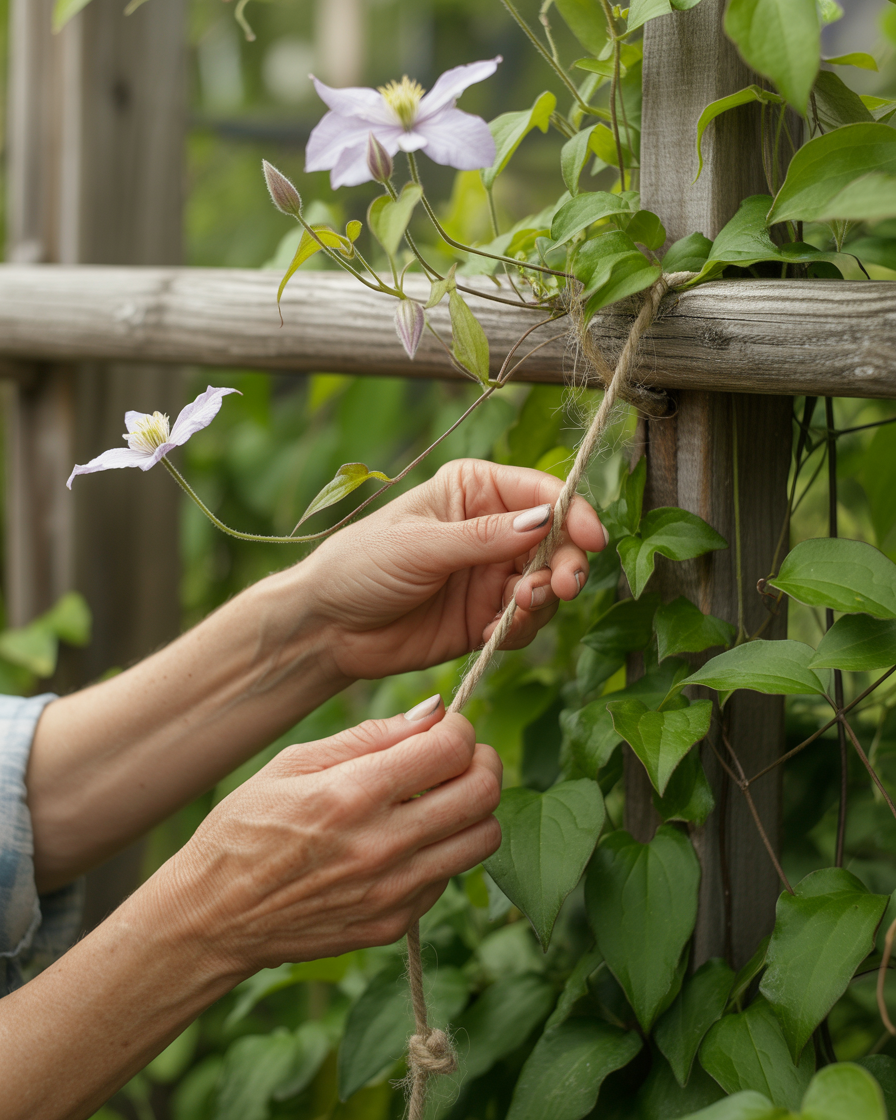
Add a trellis or arbor: Give your vine something sturdy to climb—it’ll reward you with height, shape, and flair.


Water well in dry weather: Clematis appreciates consistent moisture, but don’t let it sit soggy.


Mulch smart: Keep a couple of inches of mulch around the roots (but not on the stems) to hold in moisture and cool the soil.

Bottom Line: Don’t Give Up!

Clematis takes a little time and care, but once you’ve got it figured out, it’s one of the most rewarding plants you can grow. And if your vine looks like it’s sulking this year, give it some grace. With the right sun, soil, support, and a pruning plan, it’ll be blooming like a rockstar before you know it.


By Michelle Cox December 30, 2025
Winter sowing is an easy, eco-friendly method for starting seeds outdoors using natural freeze-thaw cycles—perfect for native plants and pollinator gardens.
By Michelle Cox December 30, 2025
Learn how to plant and care for a terrarium with simple, sustainable tips that make these mini ecosystems easy to maintain and perfect for small spaces.
By Michelle Cox December 30, 2025
Discover the benefits of houseplants, from improving air quality to boosting mental health and supporting sustainable living—perfect for winter and beyond.
By Michelle Cox December 3, 2025
Brighten your winter with a stunning amaryllis. Learn how to plant, water, and care for amaryllis bulbs indoors—and watch the full how-to video linked inside.
By Michelle Cox December 3, 2025
Learn how to keep your poinsettias vibrant all season long with these easy indoor care tips. Discover the best lighting, watering, and placement strategies for healthy holiday plants.
By Michelle Cox October 29, 2025
Help your plants survive the winter and thrive next spring. Learn how to protect perennials, shrubs, and trees in Zone 5 with these simple, effective garden care tips from The Landscape Connection.
By Michelle Cox October 29, 2025
Fall cleanup doesn’t mean stripping your garden bare. Learn how to protect pollinators, wildlife, and soil health with a mindful approach that keeps your Zone 5 garden thriving and ready for spring.
By Michelle Cox September 25, 2025
Plant perennial flower seeds this October in Illinois Zone 5. Learn how to sow coneflower, black-eyed Susan, lupine, and more using winter’s natural stratification for stronger, earlier blooms.
By Michelle Cox September 25, 2025
Plant spring bulbs this fall with expert Zone 5 tips from Michelle in Northern Illinois. Learn when, where, and how to plant tulips, daffodils, and crocus for the best spring show.
By Michelle Cox September 23, 2025
Discover expert pumpkin carving tips for Illinois Zone 5. Learn how to keep your jack-o-lanterns fresh longer, plus fun decorating ideas and Michelle’s favorite pumpkin bread recipe.
Show More