
The Science of Scent
Behind the Scenes of Our Hand-Poured Candles
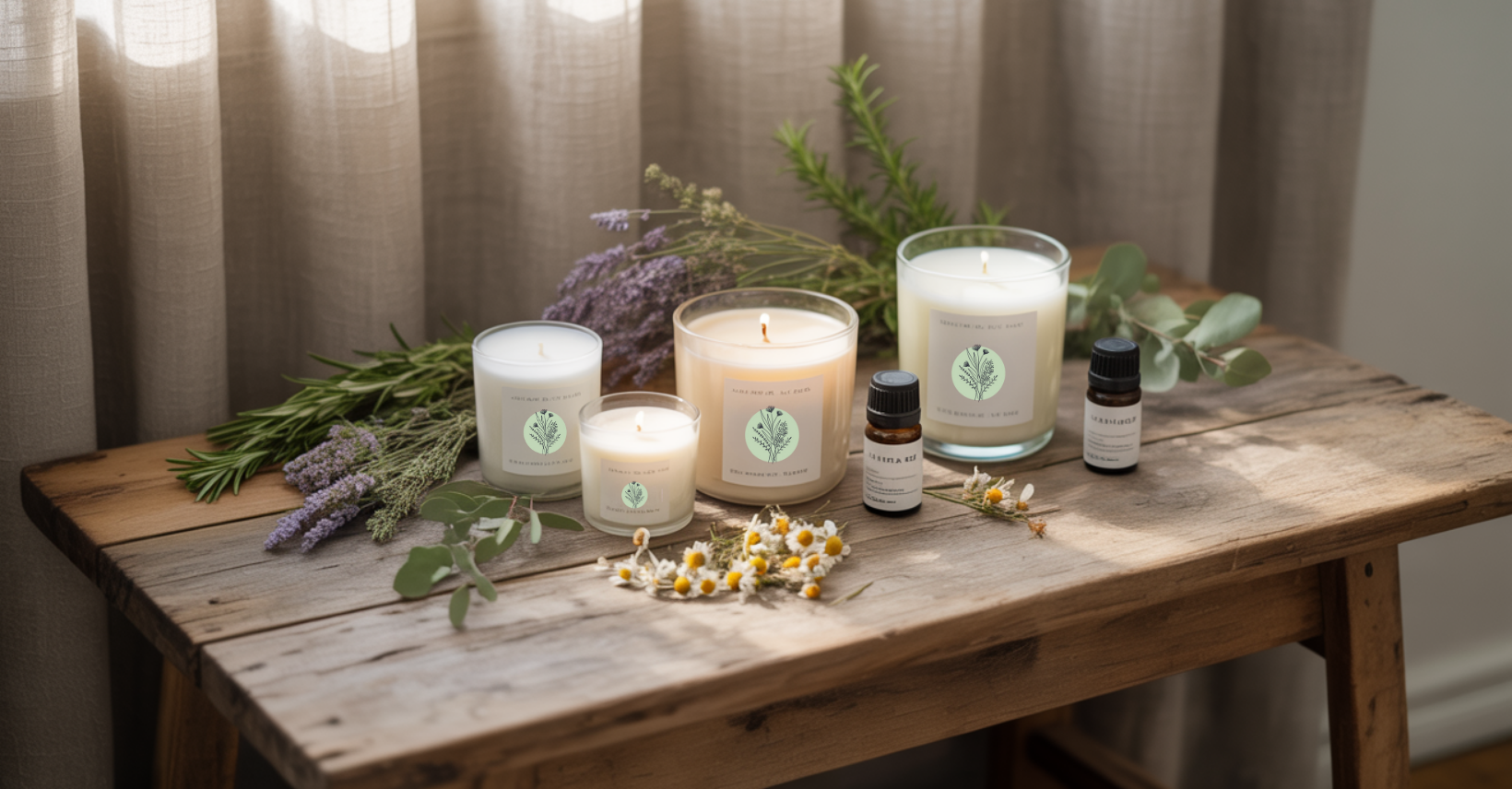
Candles may look simple, but making one that burns cleanly, smells amazing, and holds up beautifully over time is anything but. It’s not just art—it’s chemistry.
Here at The Landscape Connection, we hand-pour every candle in small batches as part of our Spa Collection, paying attention to every detail of the process—from wax temperature to mixing time to how the jar is prepared. And when you light one, you're not just enjoying the glow—you're experiencing the result of a carefully controlled, intentional craft.
Let’s take a peek behind the scenes.
🧪 It Starts With Chemistry
Making candles that burn clean and smell true begins with understanding the science of wax and fragrance.
We use 100% soy wax, which is natural, renewable, and known for its long, clean burn. But soy wax is a little more temperamental than paraffin—temperature control is everything.
We heat the wax to a precise temperature before we add fragrance. If it’s too hot, the essential oils can “burn off,” losing their potency and therapeutic benefits. If it’s too cool, the oils won’t bind properly, leaving the candle underwhelming or uneven in scent.
🌿 Fragrance Fusion Matters
We mix our essential oil blends into the wax at a specific temperature window that optimizes absorption without degrading the scent. That’s what ensures your candle:
Burns evenly
Smells true from top to bottom
Doesn’t develop weird cold or hot scent throw issues
And we don’t just dump and pour—we mix for a specific amount of time to guarantee that the oils fully disperse into the wax. This blending time helps lock in consistent scent across the entire candle, not just the top half.
🔥 Why Pouring Temperature Is Key
The moment we pour is just as important as the mix. If the wax is too hot, it can leave bubbles, frosting, or weird lines. If it’s too cool, it won’t set up properly and might develop sinkholes or uneven surfaces.
We pour at a calculated temperature range that allows the wax to settle slowly, set up smoothly, and fully cure over time—no shortcuts here.
🕯️ We Even Preheat Our Glassware
Here’s a detail you won’t find in mass-produced candles: we pre-warm our glass votives before pouring. Why?
If you pour warm wax into a cold glass jar, the sudden temperature shift can cause the wax to pull away from the sides, leaving gaps or creating visual imperfections.
By preheating the glass, we help the wax adhere smoothly and cool evenly—ensuring a cleaner burn and a more beautiful finished product.
💛 More Than a Candle
When you buy a candle from our Spa Collection, you’re not just getting fragrance in a jar. You’re getting a candle that was:
Carefully formulated and poured in-house
Mixed with intentional temperature and timing
Designed to deliver maximum scent performance
Poured into prepped glass to reduce imperfections
Created with love, chemistry, and craftsmanship
So when you light it, you’re not just creating ambiance—you’re connecting to something made with care and precision, start to finish.
✨ Come experience the difference for yourself in-store. We’re proud to show you the heart—and science—behind every candle we pour.
The Landscape Connection
4472 S. Mulford Rd.
Rockford, IL 61109
(815) 874-8733
www.TheLandscapeConnection.net
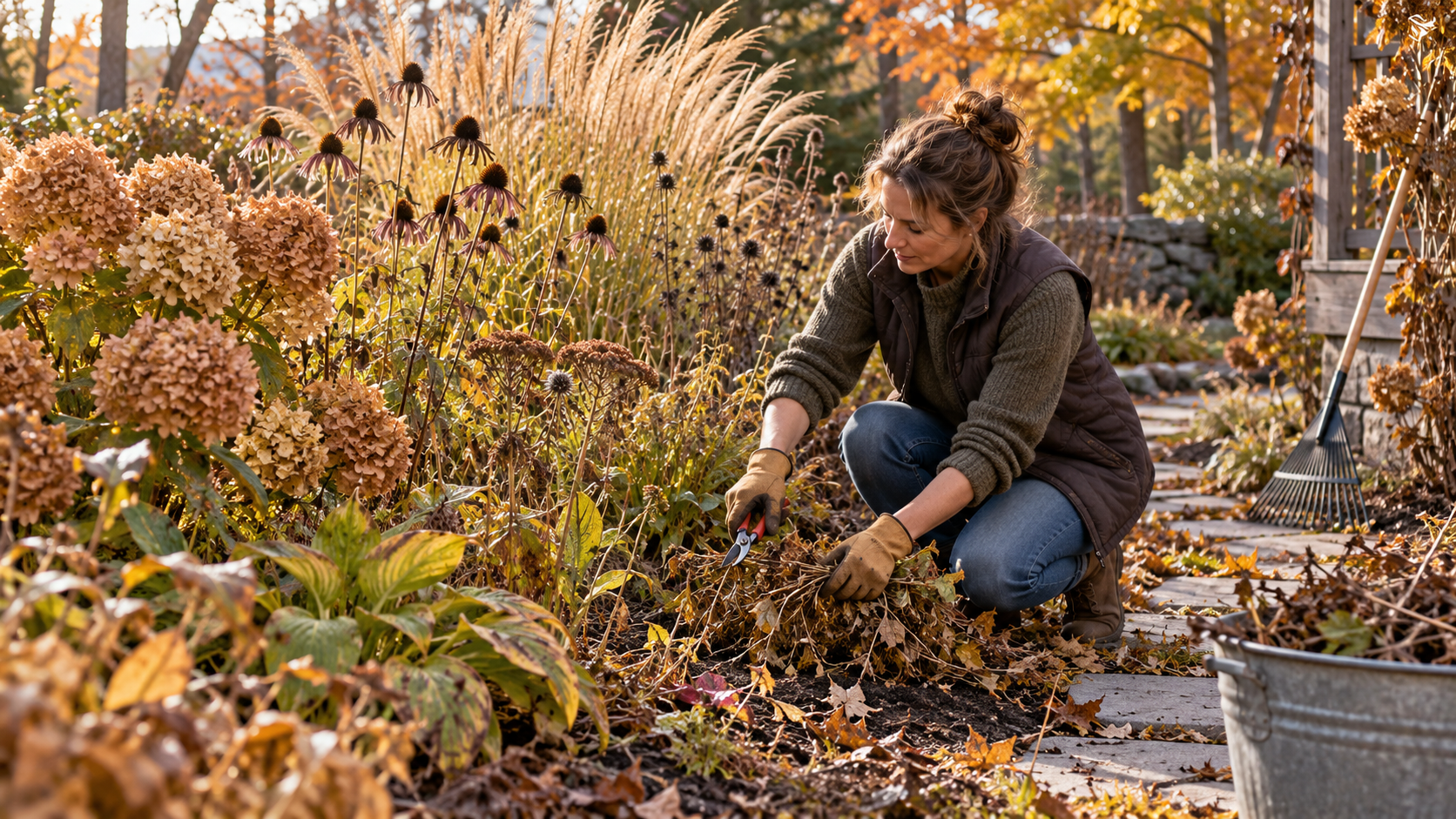
Learn what to cut back and what to leave standing during fall garden cleanup in Zone 5, plus tips for healthier beds, birds and beneficial insects.
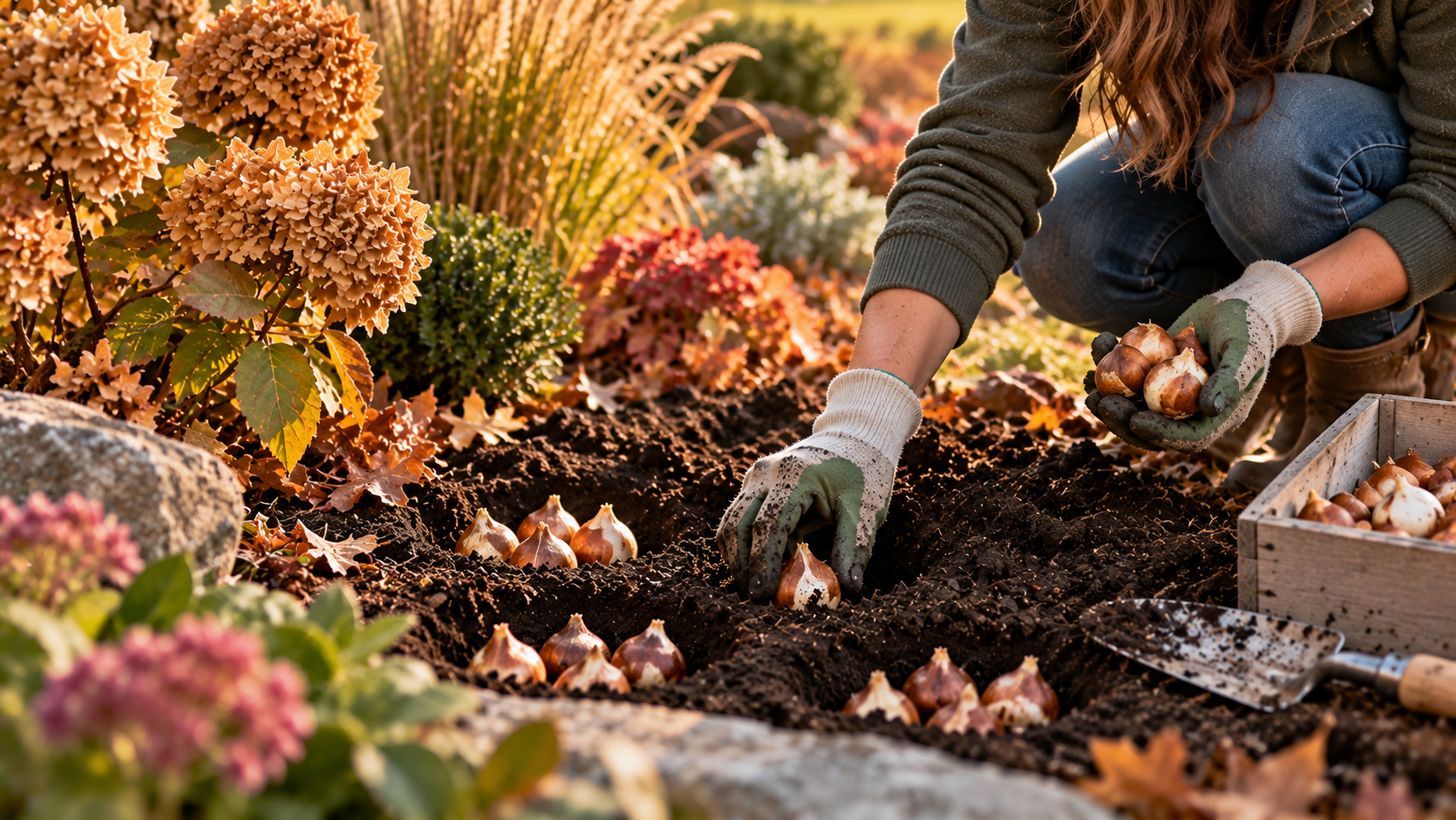
Plant spring-flowering bulbs this fall in Zone 5. Michelle shares tips for planting tulips, daffodils and alliums for beautiful spring color.
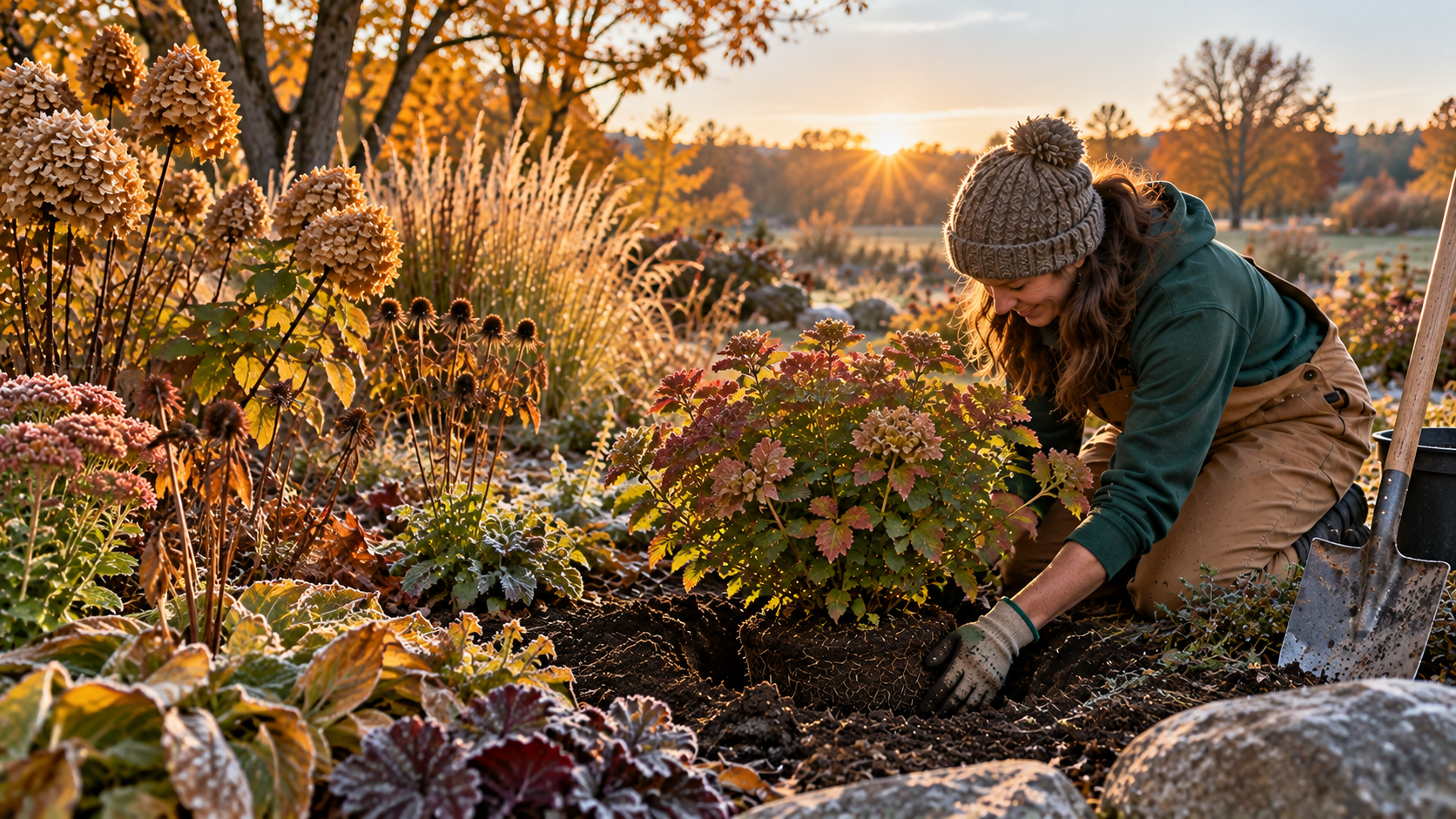
Is it too late to plant in October? Michelle explains fall planting in Zone 5, frost vs. frozen ground, and what Rockford gardeners can still plant.
Short-Tail SEO Keywords
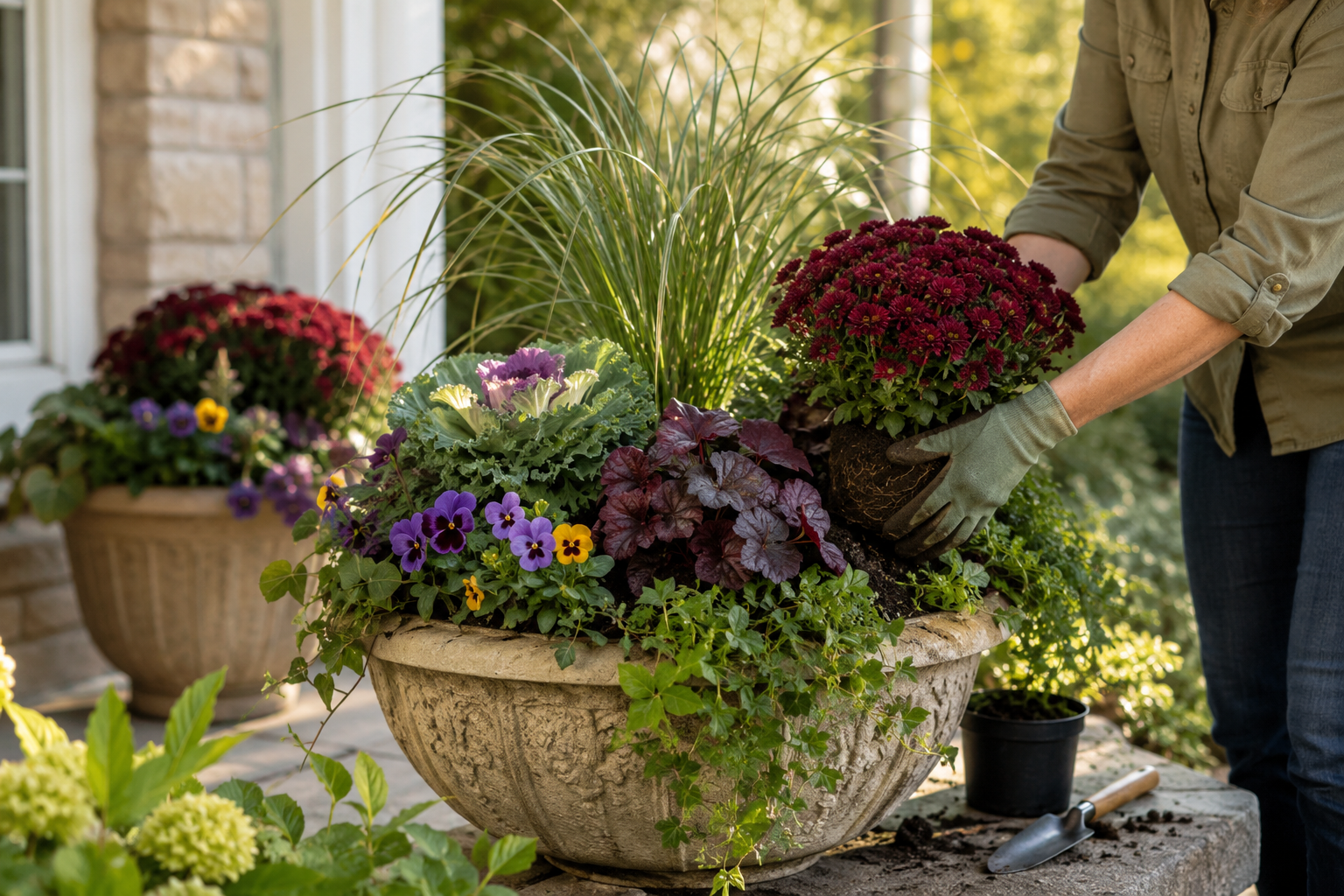
Refresh summer containers for fall with mums, pansies, kale, grasses and other cool-season favorites suited to Northern Illinois gardens.
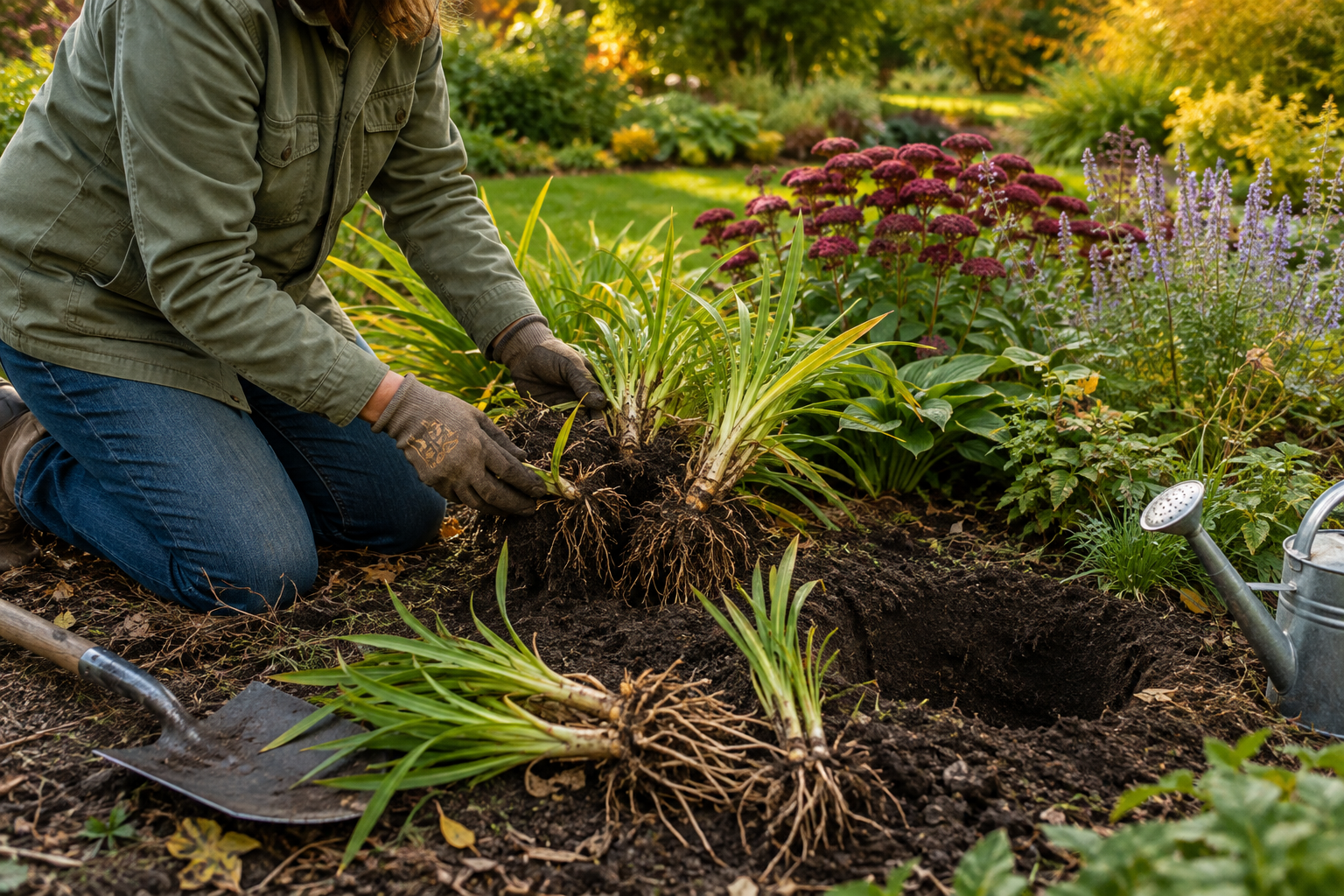
Learn when and how to divide and transplant perennials in fall, which plants to move and how to help them settle into a Zone 5 garden.
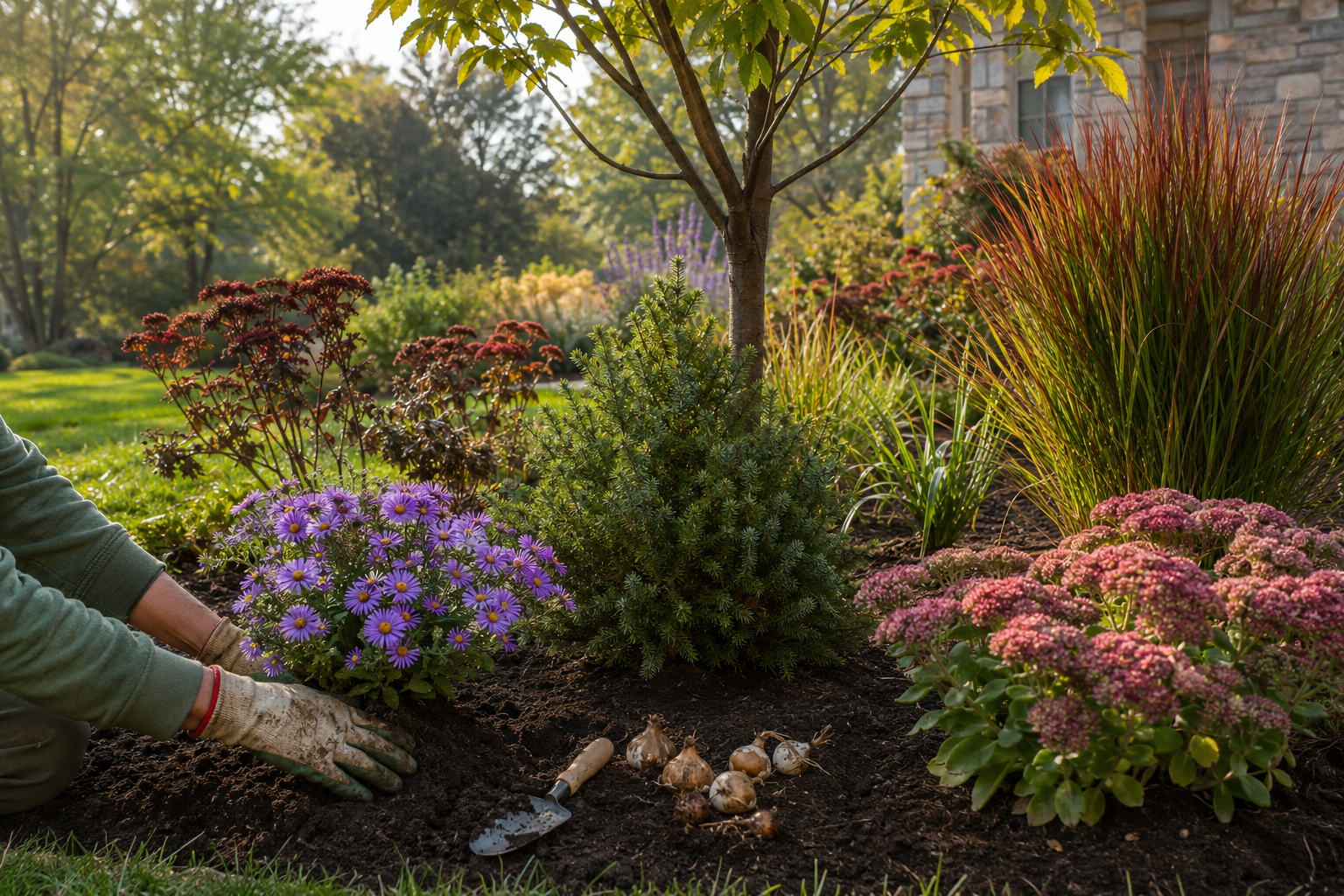
Discover why September is ideal for planting trees, shrubs, perennials and bulbs in Zone 5, plus easy tips for successful fall planting.
Refresh a tired August garden with simple tips for annuals, containers and fading plants while enjoying the second half of the Zone 5 season.
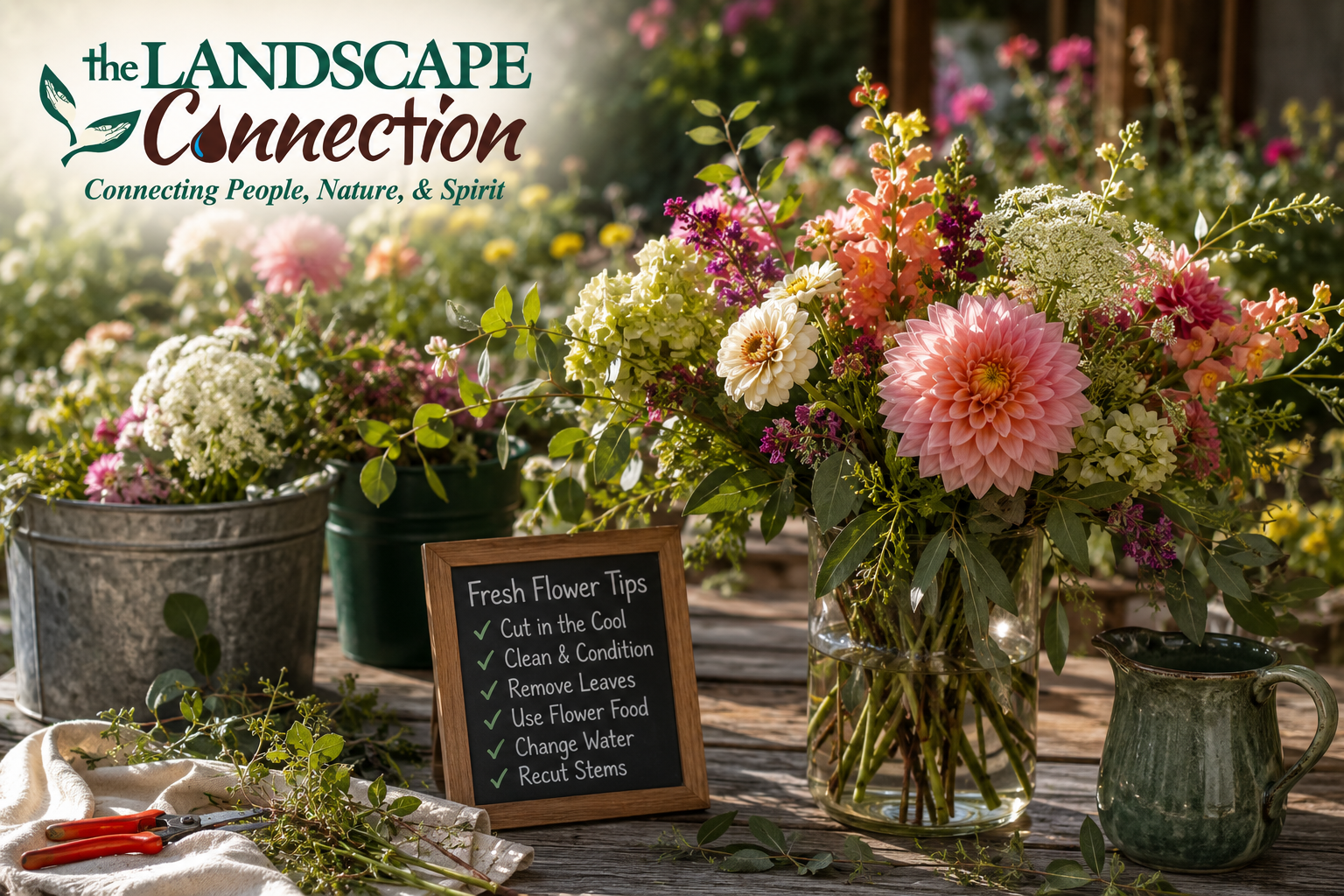
Learn how to cut, condition and care for fresh flowers so garden bouquets stay beautiful longer, from harvest time to fresh vase water.
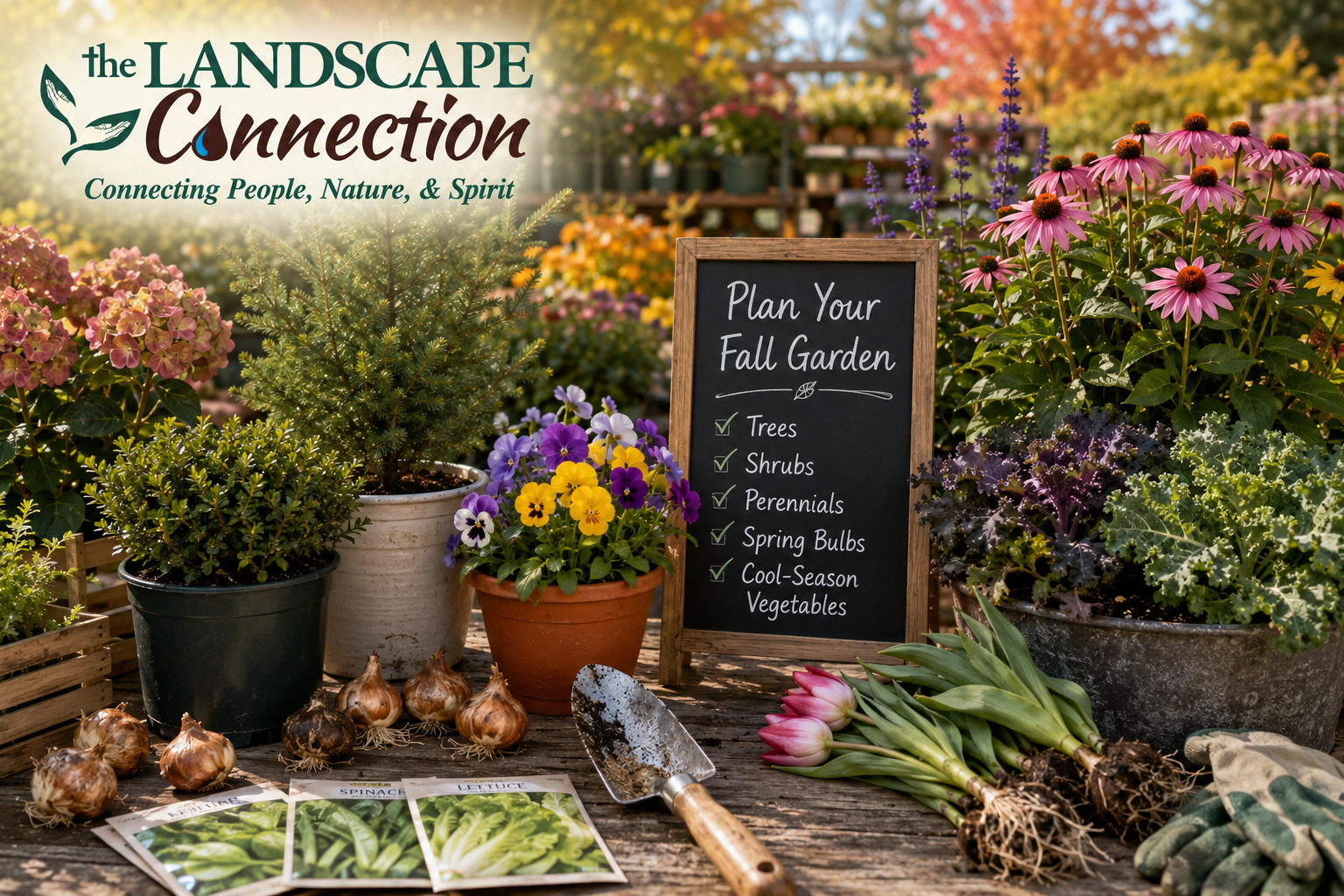
Start planning what to plant this fall in Zone 5, including trees, shrubs, perennials, spring bulbs and cool-season vegetables.
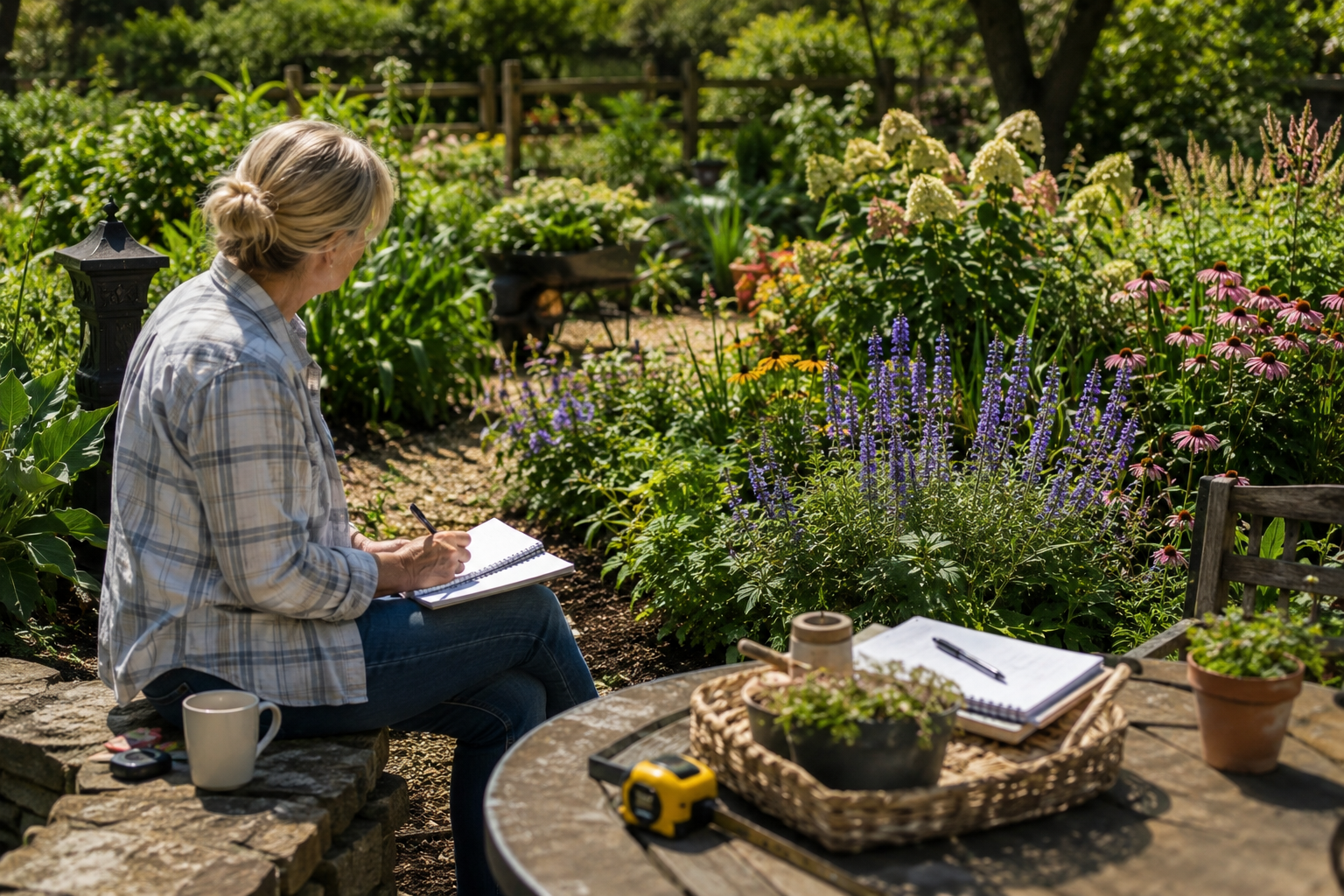
Plan a better Zone 5 garden by evaluating August color, empty spaces, plant performance and companion needs before fall planting begins.
