🌸 Planting Iris in Fall: Your Guide to Strong Spring Blooms

🌸 Planting Iris in Fall: Your Guide to Strong Spring Blooms

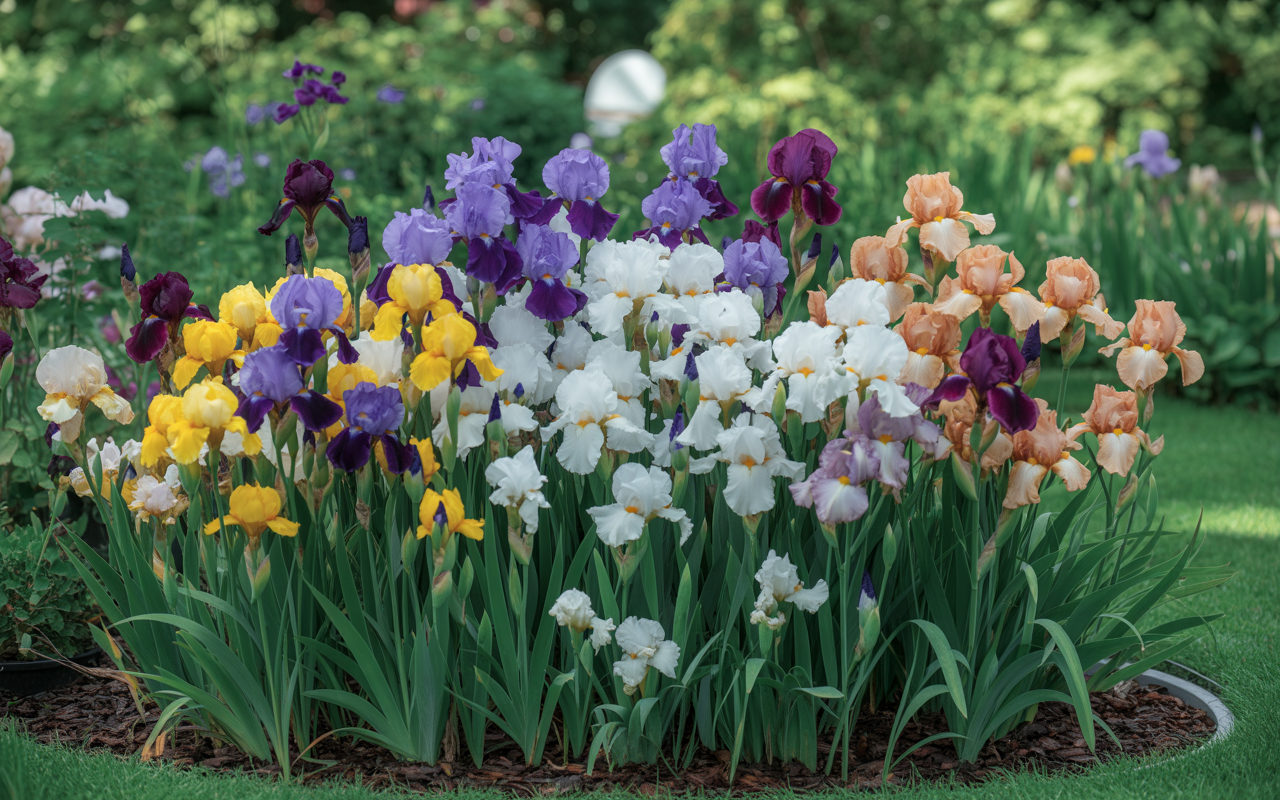
Colorful irises blooming in a landscaped garden bed, with purple, white, yellow, and peach flowers

Bearded iris might not look like much when they first arrive, but once they’re in the ground? They’re magic. Elegant, reliable, and shockingly low-maintenance, these showstoppers are a must-have for every perennial lover—especially if you want your garden to come alive in early spring.


Whether you’re planting new rhizomes or dividing old clumps, early fall is prime time in Zone 5. Here’s how to get started (and what not to do).


🗓️ When to Plant Iris


Timing is everything. Iris should be planted 6 weeks before your area’s first expected hard frost. In Rockford (Zone 5), that’s usually around mid-October, so aim to have them planted by early September.


This gives roots time to establish before the ground freezes, ensuring strong growth and blooms next spring.

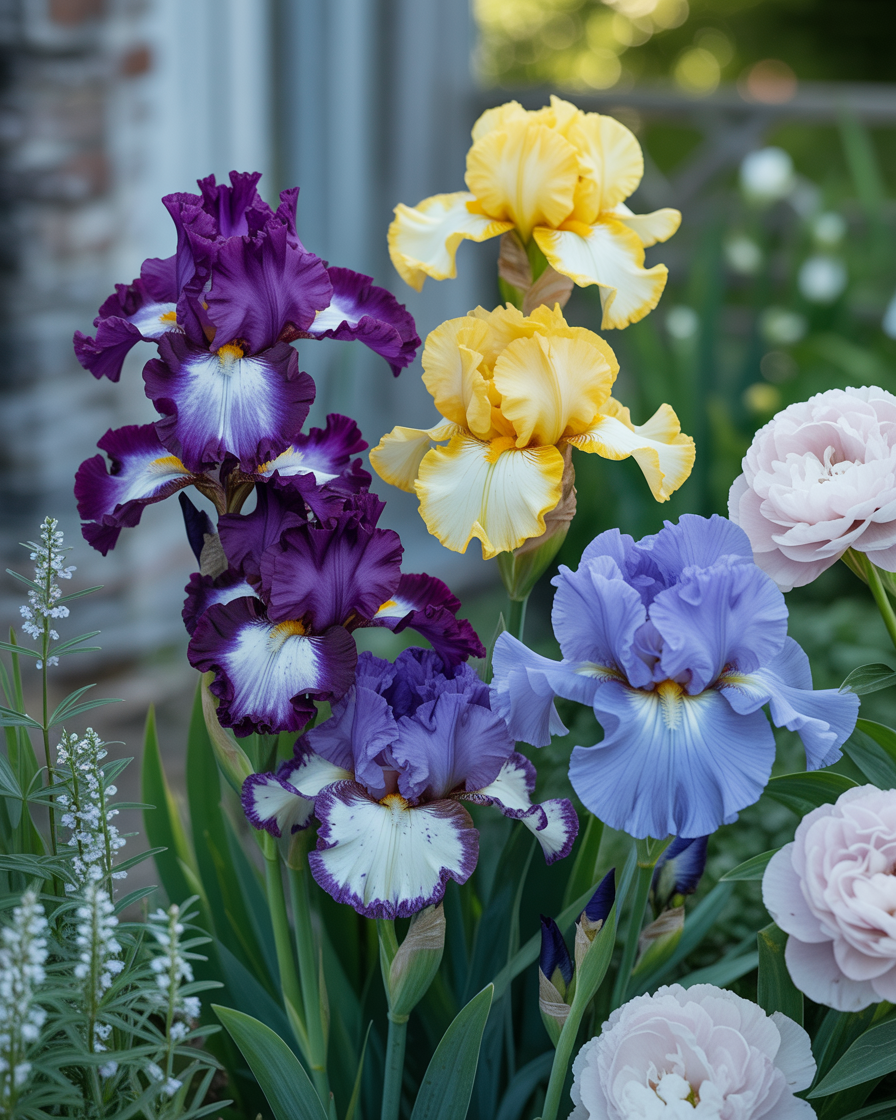
Purple, yellow, blue, and white iris flowers blooming in a garden

☀️ Sunlight + Location


Iris love the sun. For best blooms, give them at least 6 hours of direct light per day.

  • Northern zones: Full sun is ideal.
  • Southern zones: Some afternoon shade helps protect them from intense heat.

Avoid planting too close to other tall perennials that may shade them out next season.


🕳️ Soil + Drainage


These aren’t thirsty plants—they hate soggy feet.

  • Mix in compost or organic matter if you’re planting in heavy clay.
  • Raised beds or sloped spots are great for preventing water from pooling.
  • Avoid rich, wet soil that can cause rhizomes to rot.
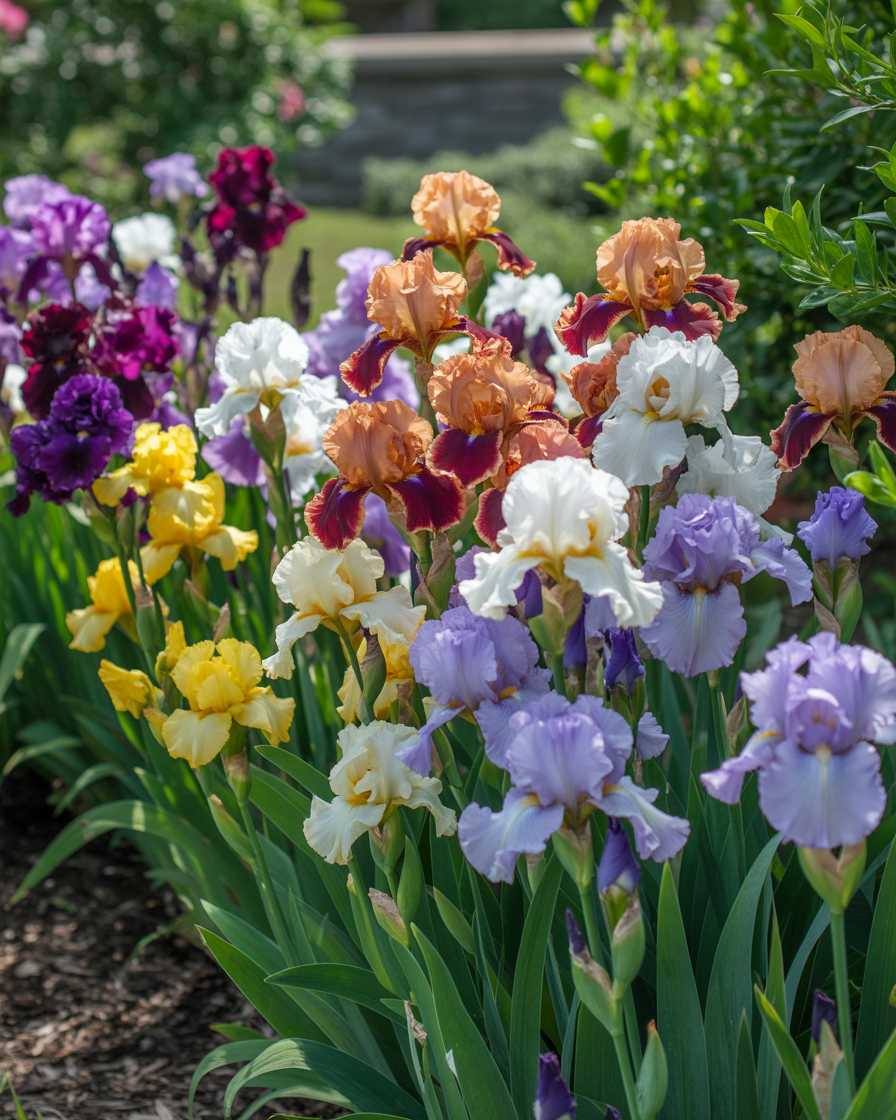
Colorful iris flowers blooming in a garden bed, including purple, white, yellow, and peach blossoms.

🌱 How to Plant Iris Rhizomes


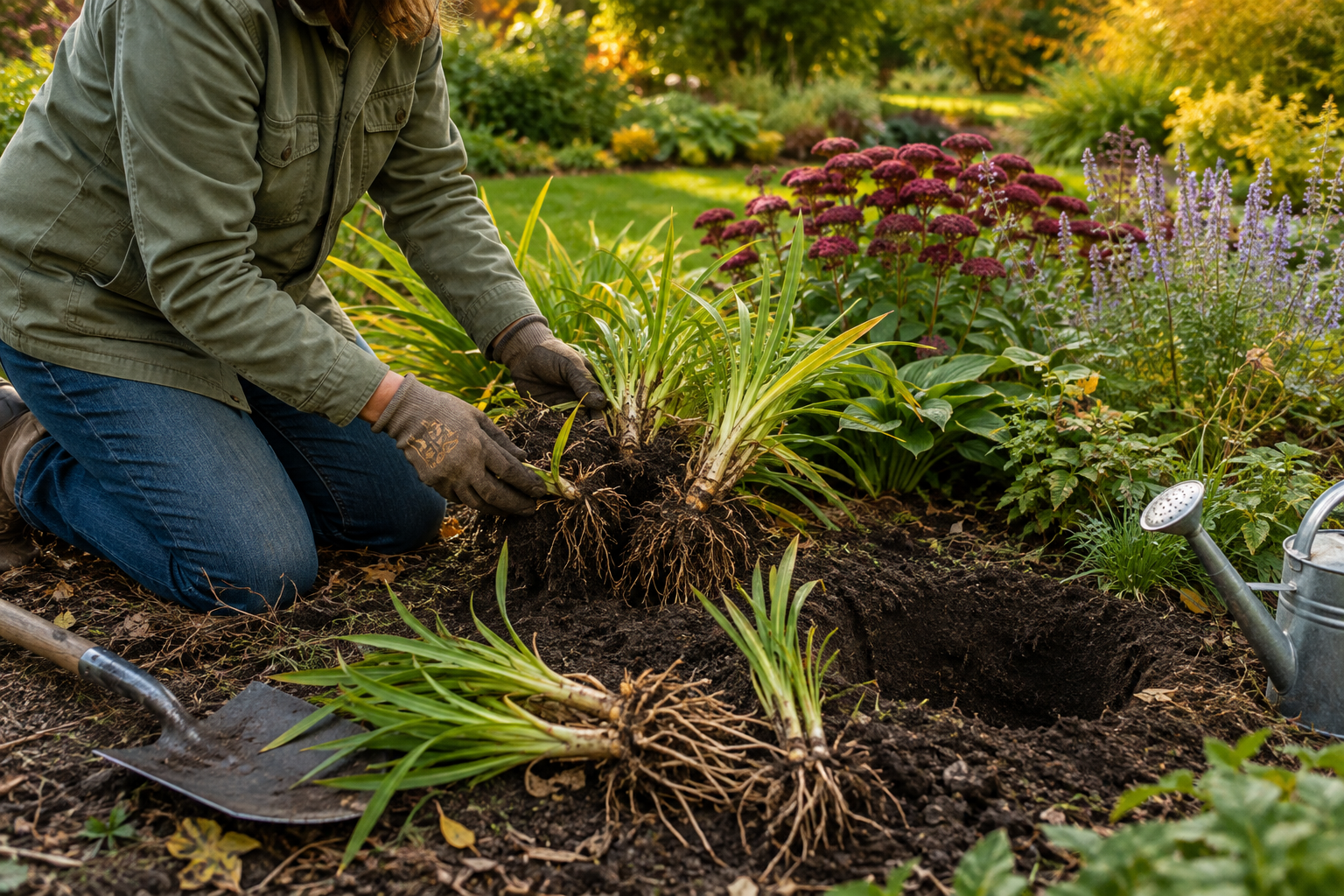
Here’s the golden rule: Don’t bury the rhizome.

  • Dig a shallow hole and make a mound in the center.
  • Spread the roots down around the mound.
  • Leave the top of the rhizome just barely covered (or even slightly exposed if you're in the north).
  • Water once deeply to help settle the soil.

Avoid daily watering! Overwatering is the #1 reason iris fail to thrive. After the first deep soak, water only if the soil becomes very dry.


🌿 Dividing + Transplanting Iris


Have older iris that need a refresh? Fall is the time to dig, divide, and replant.

  • Cut foliage down to 4–6 inches.
  • Discard any mushy or bore-damaged rhizomes.
  • Replant firm, healthy pieces with fresh soil and compost.

🌈 Bonus: Re-Blooming Iris


Some varieties will bloom again in the fall—but only if conditions are right.

  • Water them regularly in dry weather (don’t let them go more than 3 weeks without).
  • After spring blooms fade, cut back the stalks and fertilize with a low-nitrogen mix like 6-10-10.


The reward? A second flush of flowers when everything else is fading.


🏁 Wrap-Up


Iris are timeless perennials that reward you for years with their striking blooms—if you plant them right. Fall is the perfect time to get them in the ground, whether you're adding new varieties or refreshing old clumps. A little effort now means a stunning payoff in spring.


🎥 Want expert tips on timing, planting technique, and choosing the right iris types?
Watch Michelle's full guide on YouTube


🛍️ Shop Iris & Fall Bulbs at The Landscape Connection

📍 4472 S. Mulford Rd.
Rockford, IL 61109
(815) 874-8733

🌐
www.TheLandscapeConnection.net

June-blooming perennials create weeks of color in a thriving Zone 5 garden.
By michelle.tlcgiftandgarden June 2, 2026
Discover the top blooming perennials for Zone 5 gardens in June, including coneflowers, salvia, lavender, and more seasonal favorites.
Fresh mulch surrounds healthy garden plants, helping conserve moisture and reduce weeds in summer.
By michelle.tlcgiftandgarden June 2, 2026
Discover why mulching is one of the most important mid-season garden tasks. Learn how mulch conserves moisture, reduces weeds, improves soil, and protects plants in Zone 5 gardens.
Honeybee collecting pollen from purple salvia flowers in a sunlit pollinator-friendly summer garden.
By michelle.tlcgiftandgarden June 2, 2026
Learn how to support pollinators in your Zone 5 garden with flowers, native plants, water sources, and pollinator-friendly gardening practices.
Ripe tomatoes and flowering basil attract pollinators in a companion-planted vegetable garden.
By michelle.tlcgiftandgarden June 2, 2026
Learn how companion planting can improve your vegetable garden by attracting pollinators, supporting beneficial insects, maximizing space, and creating healthier, more productive harvests.
Home gardener watering at the base of plants in a backyard garden bed, showing deep, slow watering a
By Michelle Cox April 29, 2026
Struggling plants? It’s often a watering issue. Learn how to water correctly, how often to water, and the difference between overwatering and underwatering for healthier plants.
Home gardener planting young vegetable seedlings in evenly spaced rows with fresh soil and mulch, de
By Michelle Cox April 29, 2026
Plant smarter this May with Zone 5 planting tips. Learn when to plant, what to wait on, and how proper timing, spacing, and watering lead to stronger, healthier gardens.
Photo-realistic front porch entry with a large, full summer container arrangement in a classic urn,
By Michelle Cox April 29, 2026
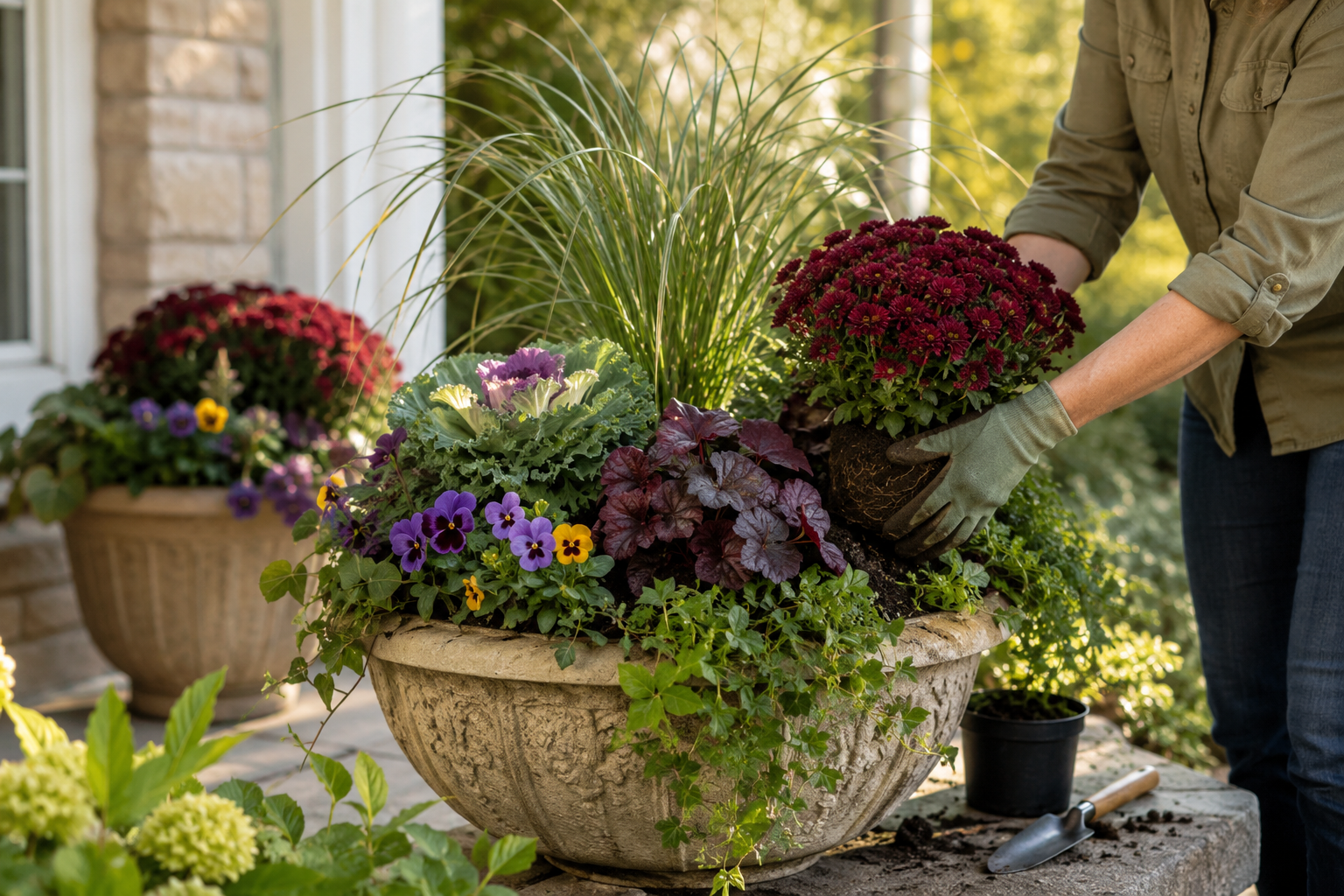
Front porch container garden with a balanced mix of upright grasses, colorful seasonal flowers, and trailing greenery in a well-proportioned planter—an example of a properly built container designed to stay full and healthy all season.
Healthy green lawn with mixed grass and clover in natural backyard setting
By Michelle Cox April 3, 2026
Learn simple, sustainable lawn care practices for Zone 5, including mowing, watering, and soil tips to build a healthier lawn naturally.
Asparagus spears emerging from soil in early spring garden bed
By Michelle Cox April 3, 2026
Learn how to grow asparagus in Zone 5, including when to plant crowns, how to prepare soil, and what to expect in the first few years.
Onion sets being planted in early spring soil in a Zone 5 garden
By Michelle Cox April 3, 2026
Learn how to grow onions in Zone 5, including when to plant, whether to use sets or transplants, and simple tips for a successful harvest.
Show More