The Pollinators Have Arrived: How to Support Them
Simple Ways to Help Bees, Butterflies, and Hummingbirds Thrive in Your Garden
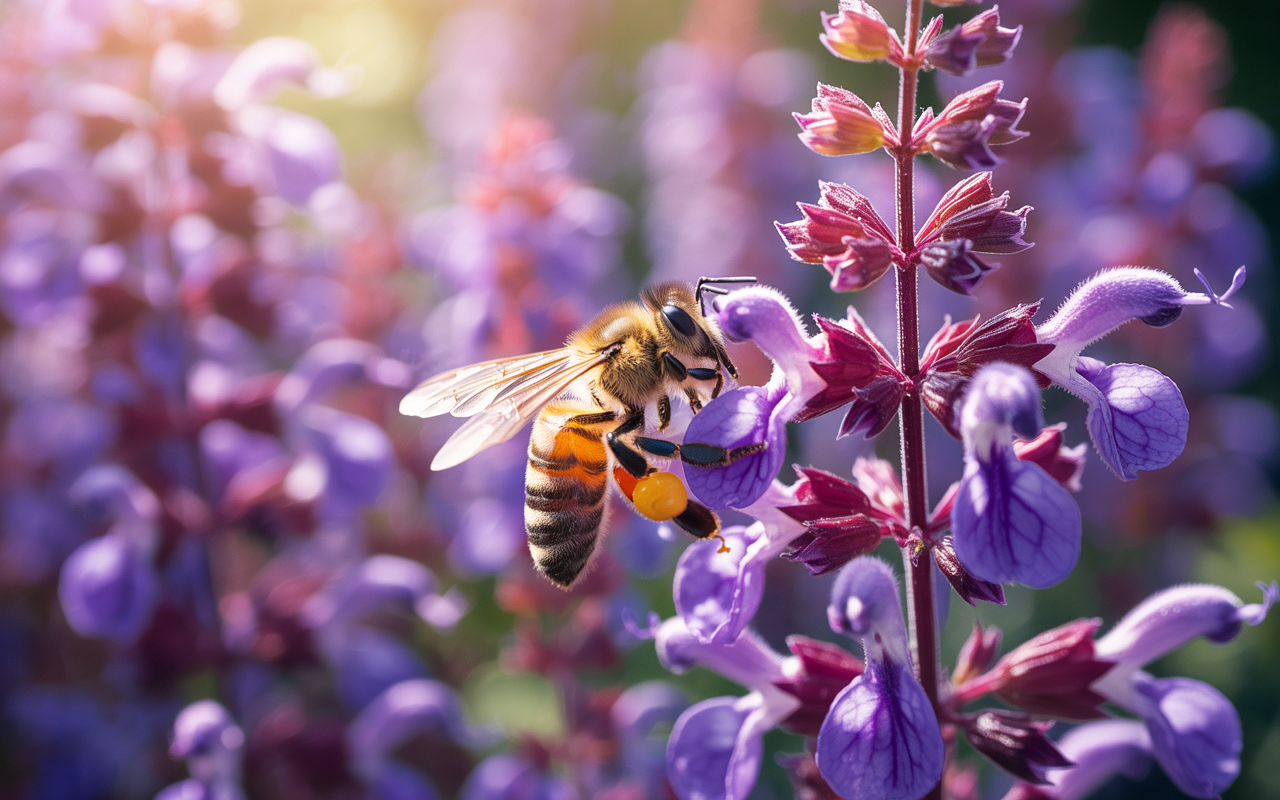
By June, the garden is buzzing with activity—and that's a very good thing. Bees, butterflies, hummingbirds, and other beneficial insects are hard at work pollinating flowers, vegetables, herbs, and fruit crops.
The good news is that supporting pollinators doesn't require a special garden. Many of us are already growing plants they love.
Every tomato, cucumber, squash, pepper, berry, and flower that develops after pollination is a reminder of just how important these hardworking visitors are. A garden filled with pollinators is often a healthier, more productive garden.
Here are a few simple ways to help.
Plant a Variety of Flowers
Pollinators need food throughout the season. By growing plants that bloom at different times, you provide a steady source of nectar and pollen from spring through fall.
Some excellent pollinator favorites for Zone 5 include:
- Salvia
- Catmint
- Coneflower
- Bee Balm
- Yarrow
- Lavender
- Allium
When selecting plants, think beyond a single season of bloom. Early spring flowers help emerging pollinators get started, while summer and fall bloomers provide food when many insects are preparing for winter.
A garden with something blooming from April through October becomes a reliable food source that pollinators can return to again and again.
Include Native Plants
Native plants have evolved alongside our local pollinators and provide valuable food and habitat.
Even adding a few native plants to your landscape can make a difference.
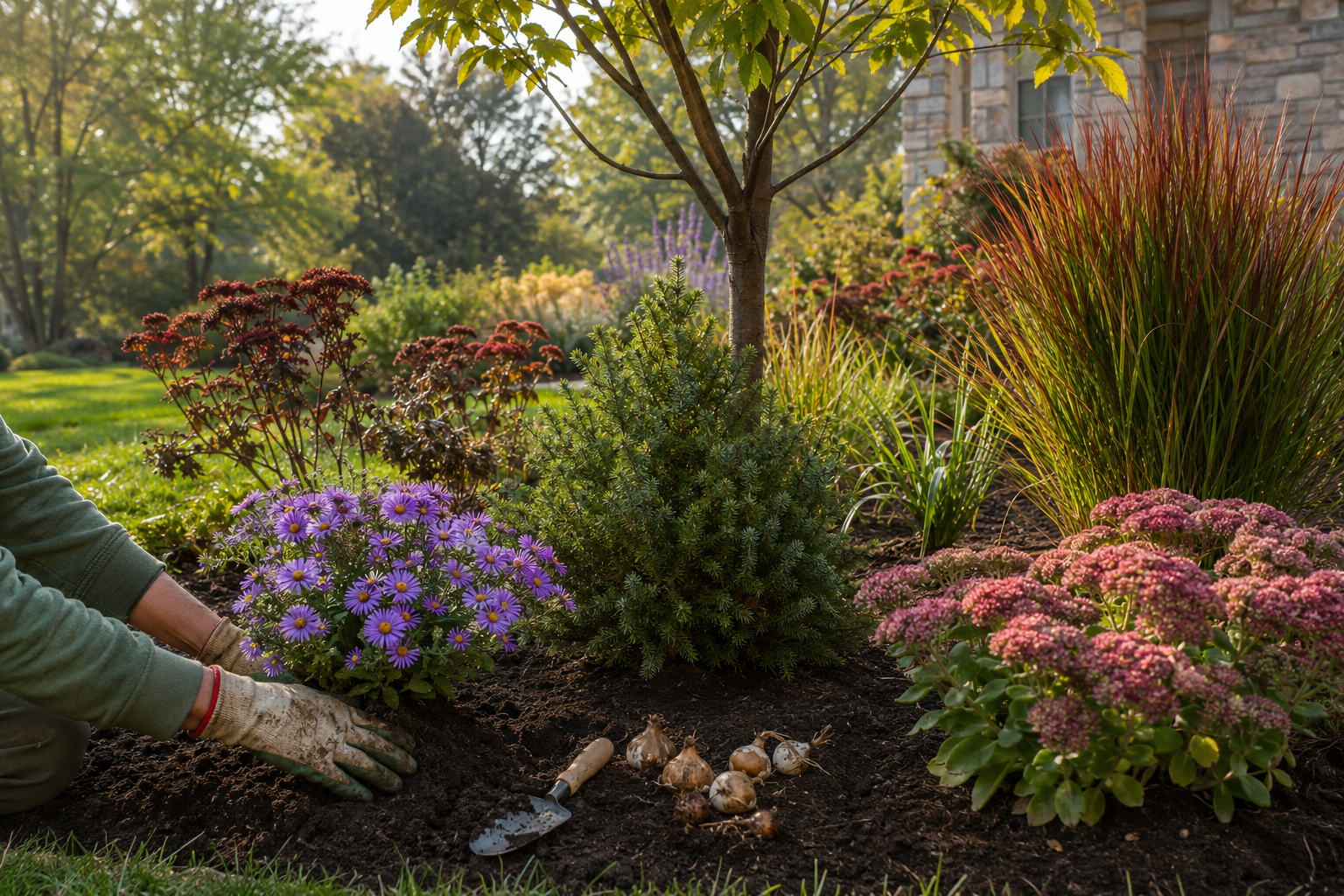
Plants such as milkweed, native asters, blazing star, and prairie dropseed support a wide range of beneficial insects while adding beauty and seasonal interest to the landscape. Native plants are often well adapted to local growing conditions, making them valuable additions to both flower beds and naturalized areas.
Provide Water
Pollinators need water too. A shallow dish filled with stones and fresh water creates a simple drinking station for bees and butterflies.
The stones provide safe landing spots while allowing insects to reach the water without drowning. During hot summer weather, a small water source can become an important resource for pollinators visiting your garden.
Remember to refresh the water regularly to keep it clean and inviting.
Skip the Chemicals
Many insecticides don't distinguish between harmful insects and beneficial ones. Whenever possible, let nature do some of the work for you.
A healthy garden often develops its own balance. Ladybugs, lacewings, parasitic wasps, and other beneficial insects help manage many common garden pests. Before reaching for a spray bottle, take a closer look and see who may already be helping.
Sometimes a little patience allows nature to solve the problem for you.
Leave a Little Space for Nature
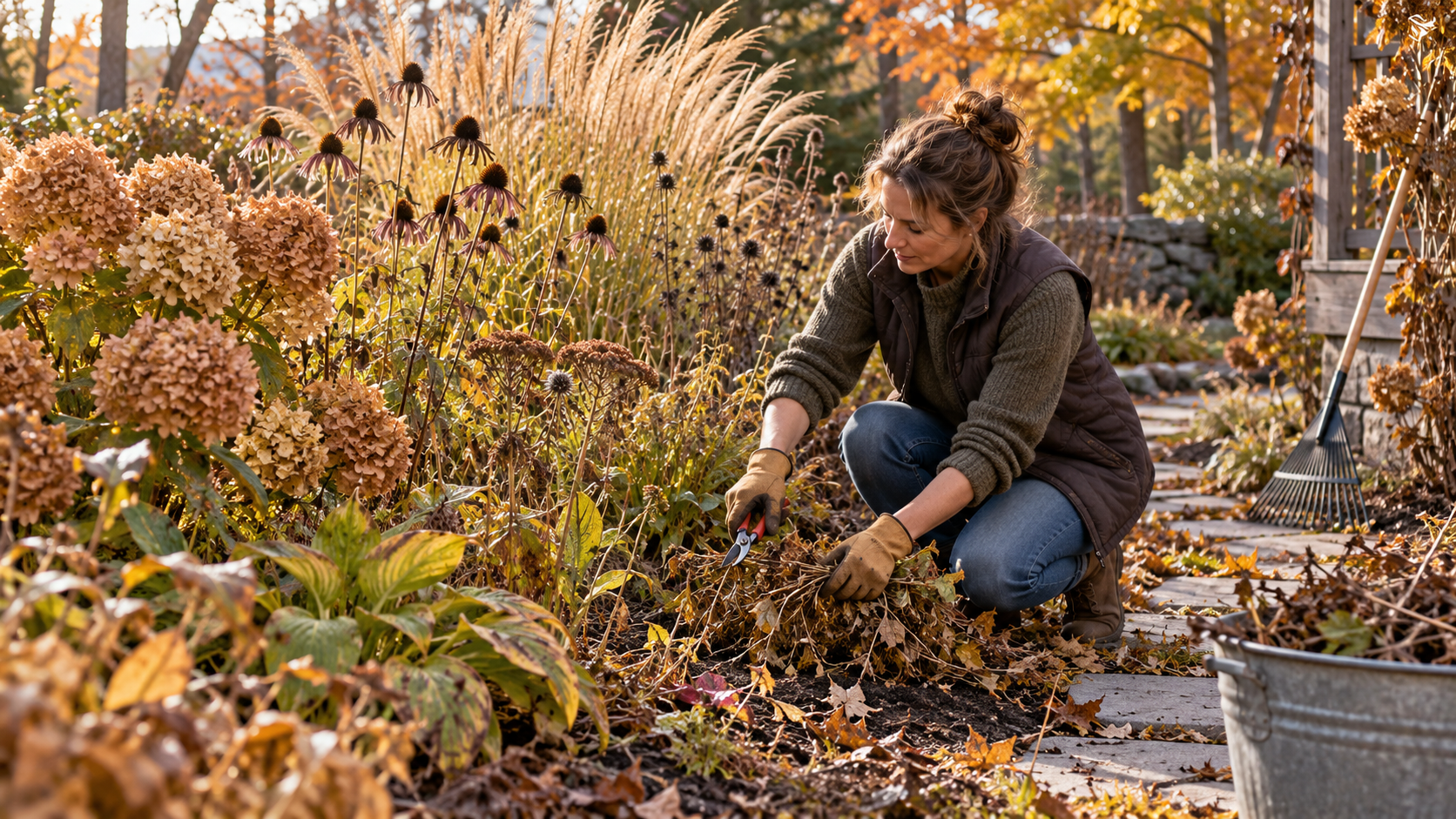
Not every corner of the garden needs to be perfectly tidy. Pollinators often use stems, leaf litter, and undisturbed areas for shelter and nesting.
Leaving some plant stems standing through winter, maintaining small natural areas, and avoiding excessive cleanup can provide valuable habitat for many beneficial insects throughout the year.
Nature is often a little messier than we expect—and that's okay.
Every Garden Can Make a Difference
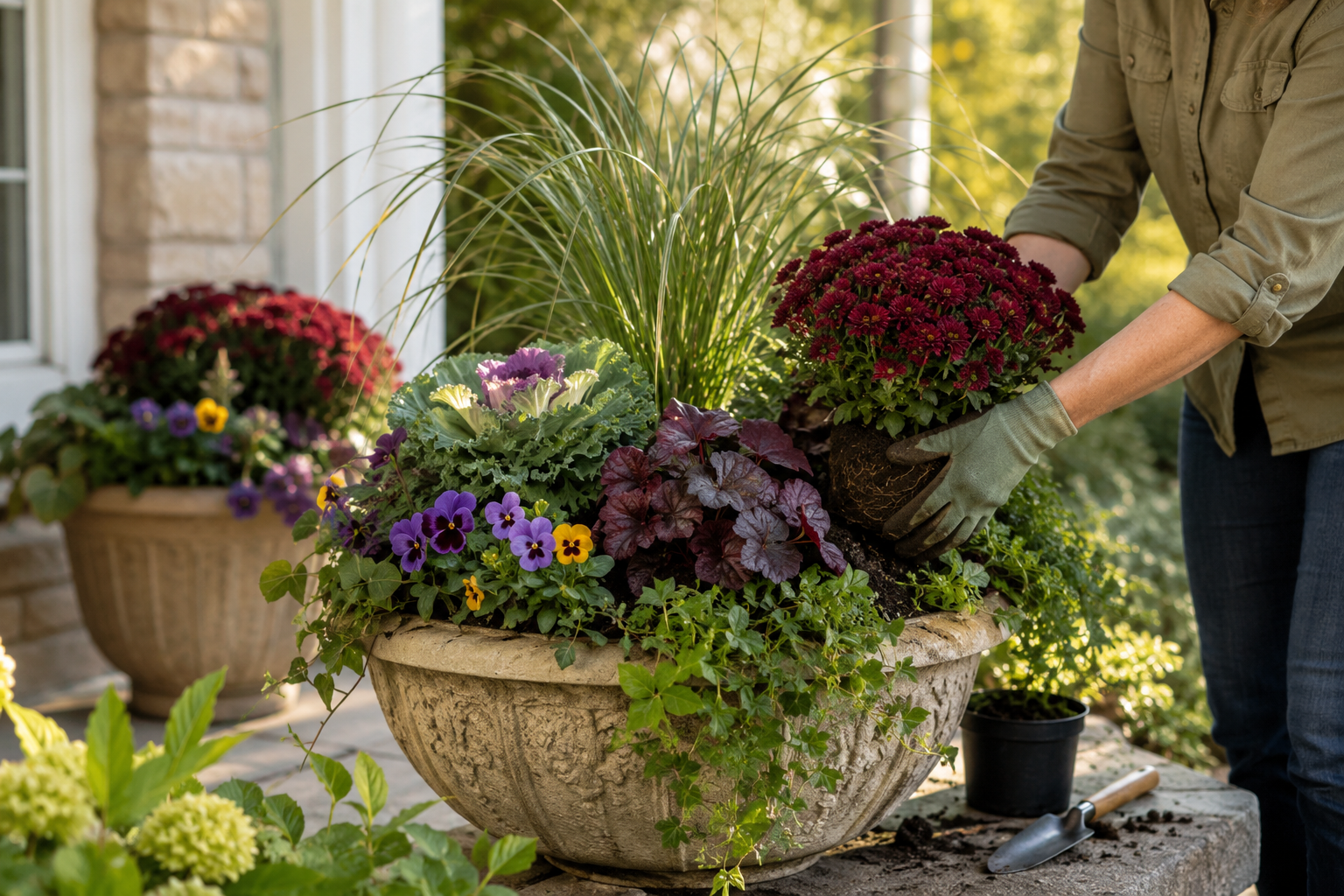
One of the best things about supporting pollinators is that every garden matters. Whether you have a few containers on a patio, a small backyard flower bed, or an entire landscape, you can provide food, water, and habitat that helps support local pollinator populations.
A healthy garden is full of life. When you see bees visiting your flowers or butterflies floating through the garden, it's a sign that your garden is working exactly as it should.
The more we plant, the more we support pollinators, and the more beautiful and productive our gardens become.
Looking for pollinator-friendly perennials, annuals, herbs, native plants, or expert advice? Stop in and let our team help you create a garden that supports pollinators all season long.
The Landscape Connection
4472 S. Mulford Rd.
Rockford, IL 61109
(815) 874-8733
www.TheLandscapeConnection.net