Companion Planting in the Vegetable Garden
Simple Partnerships That Help Your Garden Thrive
Companion planting is simply growing plants together that benefit one another. Some combinations help attract pollinators, some deter pests, and others make better use of garden space.
While companion planting isn't magic, it can be a useful tool in creating a healthier, more productive garden.
Many gardeners discover companion planting naturally. Over time, they notice certain plants seem happier together, attract more pollinators, or make harvesting easier. The good news is that you don't need a complicated chart or years of experience to start using companion planting in your own garden.
Tomatoes Love Basil
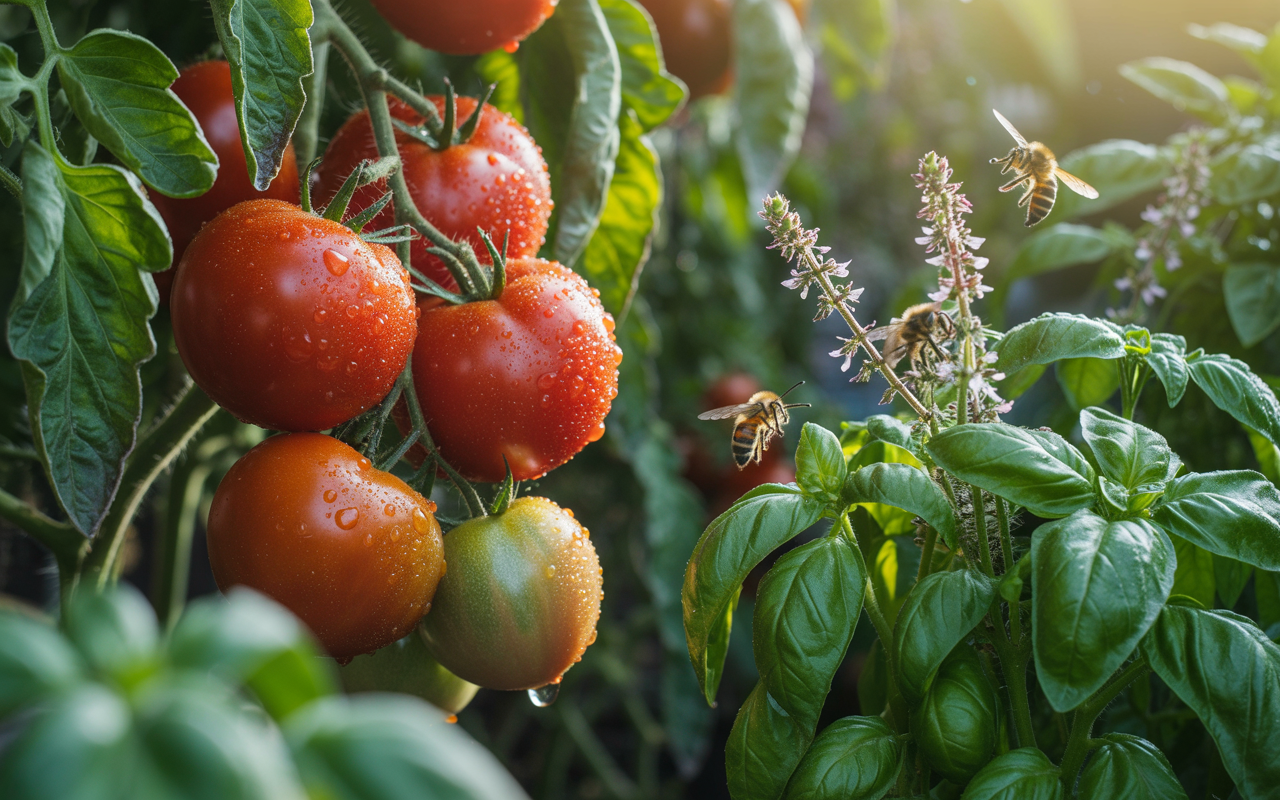
This classic pairing works well in both containers and garden beds. Basil stays compact, attracts pollinators, and is always handy when it's time to harvest tomatoes.
Since tomatoes and basil are often used together in the kitchen, planting them near each other also makes harvesting more convenient. Plus, basil's flowers become a favorite stop for bees and other beneficial insects later in the season.
Marigolds Have a Place in the Vegetable Garden
Marigolds aren't just pretty. Their bright flowers attract beneficial insects and add color throughout the growing season.
Many gardeners tuck marigolds throughout vegetable beds to create a more diverse planting area. Their cheerful blooms help draw pollinators into the garden while making vegetable rows feel less formal and more inviting.
Lettuce Likes a Little Shade
As summer temperatures rise, lettuce can benefit from the afternoon shade provided by taller crops such as tomatoes or peppers.
Cool-season vegetables often struggle once June and July temperatures arrive. Strategic placement near larger plants can help extend harvests by reducing heat stress and slowing bolting. This simple approach makes better use of garden space while helping crops remain productive longer.
Herbs Bring in the Helpers
Dill, parsley, oregano, thyme, and chives all attract beneficial insects that help pollinate crops and support a balanced garden ecosystem.
Many of these insects are tiny and often go unnoticed, but they play an important role in the garden. Pollinators help increase production, while predatory insects can assist in keeping certain pest populations under control. Allowing some herbs to flower creates an ongoing food source for these garden helpers.
Mix Flowers with Vegetables
One of the easiest companion planting strategies is simply adding flowers throughout the vegetable garden. Calendula, zinnias, cosmos, and nasturtiums attract pollinators while adding beauty to the garden.
A vegetable garden doesn't have to be strictly vegetables. Mixing flowers among tomatoes, peppers, cucumbers, beans, and squash creates a vibrant growing space that supports bees, butterflies, and other beneficial insects throughout the season.
As a bonus, many flowering plants make excellent cut flowers, allowing you to bring a little of the garden indoors as well.
Think Diversity
Nature rarely grows a single crop in perfect rows. Mixing vegetables, herbs, flowers, and even a few native plants creates a more resilient and interesting garden.
When different plants share a space, they attract a wider variety of beneficial insects and pollinators. Diversity also creates visual interest and can make the garden feel more natural and alive.
The goal isn't perfection. It's creating a space where plants, pollinators, and beneficial insects can all work together. Often the healthiest gardens are the ones with a little variety and a little room for nature to do its thing.
Start Small and Experiment
If you're new to companion planting, start with a few simple combinations. Add basil around your tomatoes. Tuck marigolds into empty spaces. Plant a patch of zinnias near your cucumbers or squash.
Observe what happens throughout the season. Gardening is always a learning experience, and every garden is a little different. The more you pay attention, the more you'll discover which combinations work best in your own backyard.
Grow a Garden That Gives Back
One of the best things about companion planting is that it encourages us to think beyond individual plants. A successful vegetable garden isn't just about harvesting tomatoes or peppers. It's about creating an environment where pollinators, beneficial insects, herbs, flowers, and vegetables all contribute to the health of the space.
When you build that kind of garden, everyone benefits—including you.
Looking for vegetables, herbs, companion flowers, native plants, or advice on creating a productive garden? Stop in and talk with our team. We'd love to help you build a garden that works beautifully all season long.
The Landscape Connection
4472 S. Mulford Rd.
Rockford, IL 61109
(815) 874-8733
www.TheLandscapeConnection.net