Mid-Season Garden Success Starts with Mulch
One Simple Task That Pays Off All Summer Long
By June, the garden is growing fast. Plants are filling in, temperatures are climbing, and weeds seem determined to grow faster than everything else.
If you're only going to do one thing for your garden this month, mulch.
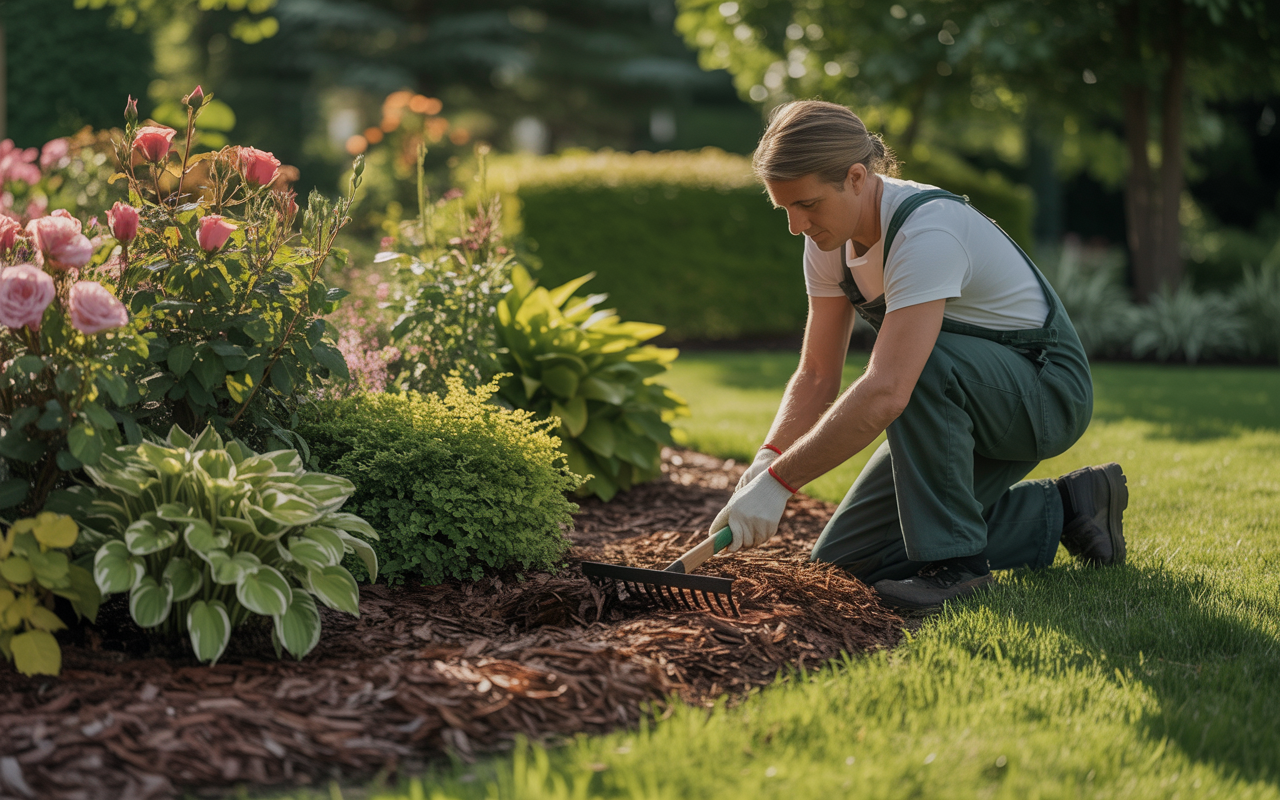
A fresh layer of mulch is one of the simplest and most effective ways to improve the health of your garden while reducing maintenance throughout the summer. Think of it as a protective blanket that works around the clock to support your plants.
Conserves Moisture
As temperatures rise, water evaporates from the soil more quickly. A layer of mulch helps slow that evaporation, keeping moisture where your plants need it most.
This means your soil stays evenly moist longer, reducing plant stress during hot, dry stretches and helping you spend less time watering. Whether you're growing vegetables, annuals, perennials, shrubs, or trees, mulch helps every drop of water work harder.
During the heat of July and August, you'll be glad you took the time to mulch now.
Reduces Weeds
Let's be honest—most of us would rather spend our time enjoying the garden than pulling weeds.
Mulch creates a barrier that blocks sunlight from reaching weed seeds, making it harder for them to germinate and establish. While mulch won't eliminate every weed, it dramatically reduces the number you'll need to deal with throughout the growing season.
Less weeding means more time enjoying your flowers, harvesting vegetables, and relaxing outdoors.
Keeps Soil Temperatures Even
Plants don't like extreme temperature swings any more than we do.
Mulch helps insulate the soil, keeping roots cooler during hot summer afternoons and reducing fluctuations in soil temperature. Stable soil temperatures help plants remain healthier and less stressed, especially during periods of intense heat.
This is particularly important for newly planted trees, shrubs, perennials, and vegetables that are still establishing strong root systems.
Improves Soil Over Time
One of the biggest long-term benefits of mulch happens beneath the surface.
Organic mulches gradually break down and add organic matter to the soil. Over time, this improves soil structure, increases water-holding capacity, and supports the beneficial organisms that keep garden soils healthy.
Every season you mulch, you're investing in the future health of your garden.
It's one of those gardening tasks that pays dividends year after year.
Choosing the Right Mulch for Zone 5 Gardens
Fortunately, there are several great mulch options for Northern Illinois gardeners.
Shredded Hardwood Mulch
A favorite for perennial beds, trees, and shrubs. Shredded hardwood knits together well, stays in place during heavy rains, and breaks down gradually over time.
Dyed Mulch
Available in rich shades of black, brown, and red, dyed mulch provides a clean, finished appearance that makes plants stand out beautifully throughout the season.
Natural Mulch
An excellent choice for vegetable gardens and gardeners focused on improving soil health. Natural mulch decomposes more quickly, adding organic matter back into the soil.
Straw
Often used around vegetables, strawberries, and other edible crops. Straw helps conserve moisture, keeps produce cleaner, and breaks down naturally over time.
Michelle's Mulch Tips
- Apply mulch approximately 2–3 inches deep.
- Weed beds before mulching for best results.
- Keep mulch a few inches away from plant stems and tree trunks.
- Refresh mulch as needed to maintain coverage throughout the season.
A little preparation now can save hours of maintenance later.
The Easiest Garden Upgrade You'll Make This Year
Gardening success doesn't always come from complicated solutions. Sometimes it's the simple things that make the biggest difference.
A fresh layer of mulch helps conserve moisture, suppress weeds, regulate soil temperatures, and improve soil health—all while making your landscape look clean, polished, and well-maintained.
If you're only going to do one thing this month, mulch.
Your plants will thank you for it all summer long.
Need mulch? We carry a variety of mulch options to help you keep your landscape looking its best. Stop in and let our team help you choose the right product for your garden, landscape beds, or vegetable garden.
The Landscape Connection
4472 S. Mulford Rd.
Rockford, IL 61109
(815) 874-8733
www.TheLandscapeConnection.net