Helping Birds Through the Rest of Winter
Homemade suet recipes that provide energy when birds need it most
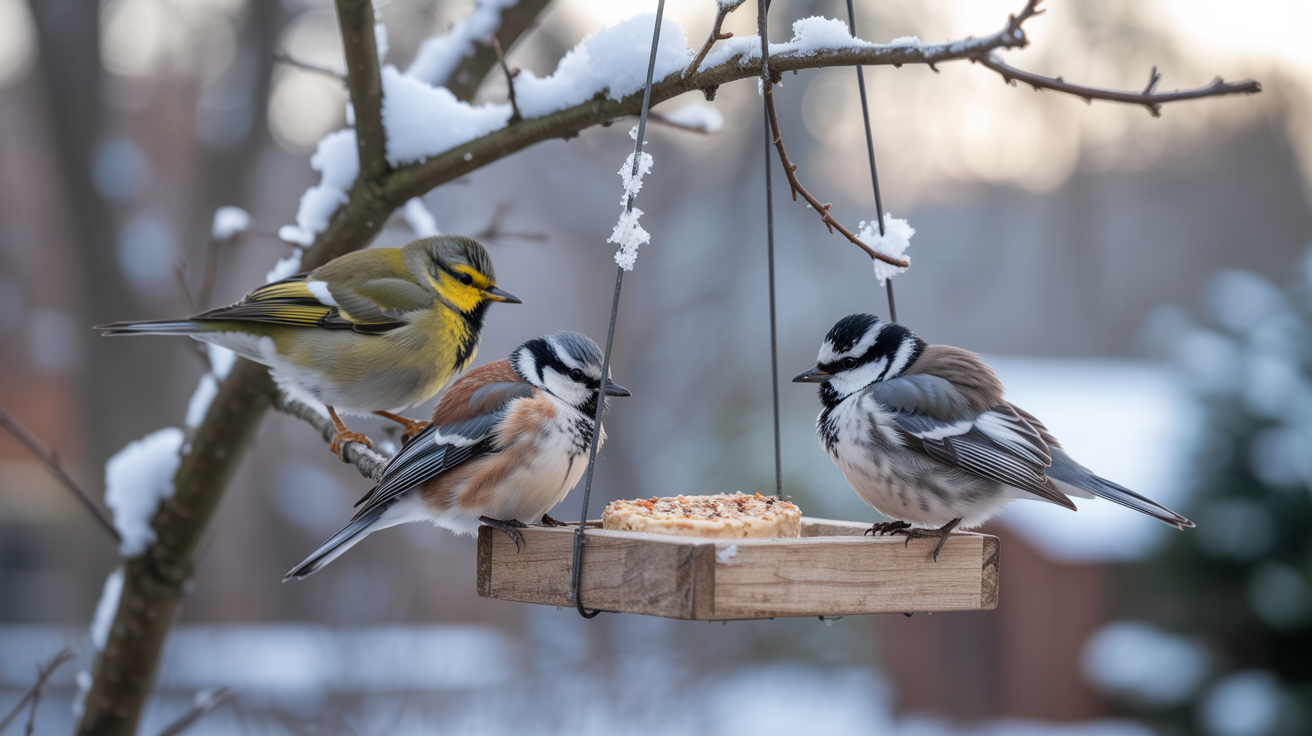
Late winter can be one of the most challenging times for birds. Natural food sources are scarce, temperatures fluctuate, and birds are using a lot of energy just to stay warm. Providing food now can make a real difference as we move closer to spring.
High-energy foods like suet help birds maintain body heat and strength during this stretch of winter. Making your own suet is simple, cost-effective, and allows you to tailor ingredients to the birds visiting your yard.
Bark Butter
Bark butter is easy to make and can be spread directly onto tree trunks or feeding stations. Birds love it, and it’s especially helpful during very cold weather.
Ingredients
1 cup lard
1 cup peanut butter
1 cup cornmeal
½ cup flour
1 cup oats
½ cup bird seed
¾ cup water
1 cup raisins
Directions
Melt the lard and peanut butter together.
Add all remaining ingredients and mix well.
Store in the refrigerator for 5–7 days.
When ready to use, warm in the microwave for 1–2 minutes until spreadable, similar to cake frosting.
No-Melt Suet
This recipe is ideal for hanging feeders and warmer winter days when traditional suet can soften too quickly.
Ingredients
1 cup lard
1 cup peanut butter
2½ cups cornmeal
2½ cups oats
Start with 2 cups bird seed and add as needed
Directions
Melt the lard and peanut butter together.
Add cornmeal, oats, and bird seed.
Mix until the texture resembles a rice krispy treat.
Press into a 13 x 9 pan lined with wax paper or parchment paper.
Freeze for several hours or overnight.
Remove from pan, cut into desired sizes, and wrap individually.
Storage
Freeze for 3–6 months until ready to use.
Suet Wreath
Suet wreaths are both functional and fun, making them a great project for families.
Ingredients
1 cup lard
1 cup peanut butter
3 cups cornmeal
½ cup flour
4 cups bird seed
1 packet unflavored Knox gelatin, dissolved in ½ cup warm water
Directions
Melt the lard and peanut butter together.
Add remaining ingredients and mix well.
The mixture should hold together when squeezed in your hand.
Shape into a wreath or press into a mold as desired.
If adding fruit, use dehydrated fruit only.
Michelle demonstrates these suet recipes step by step in her video, including tips for shaping, storing, and feeding safely through winter: DIY – How to Make Suet to Feed the Birds
Helping birds through the rest of winter is a simple way to care for the wildlife around us and stay connected to the garden, even in the coldest months. If you need bird seed, feeders, or suet supplies — or if you’d like help choosing what’s best for the birds you’re seeing — stop in and see us. We’re always happy to help.
The Landscape Connection
4472 S. Mulford Rd.
Rockford, IL 61109
(815) 874-8733
www.TheLandscapeConnection.net