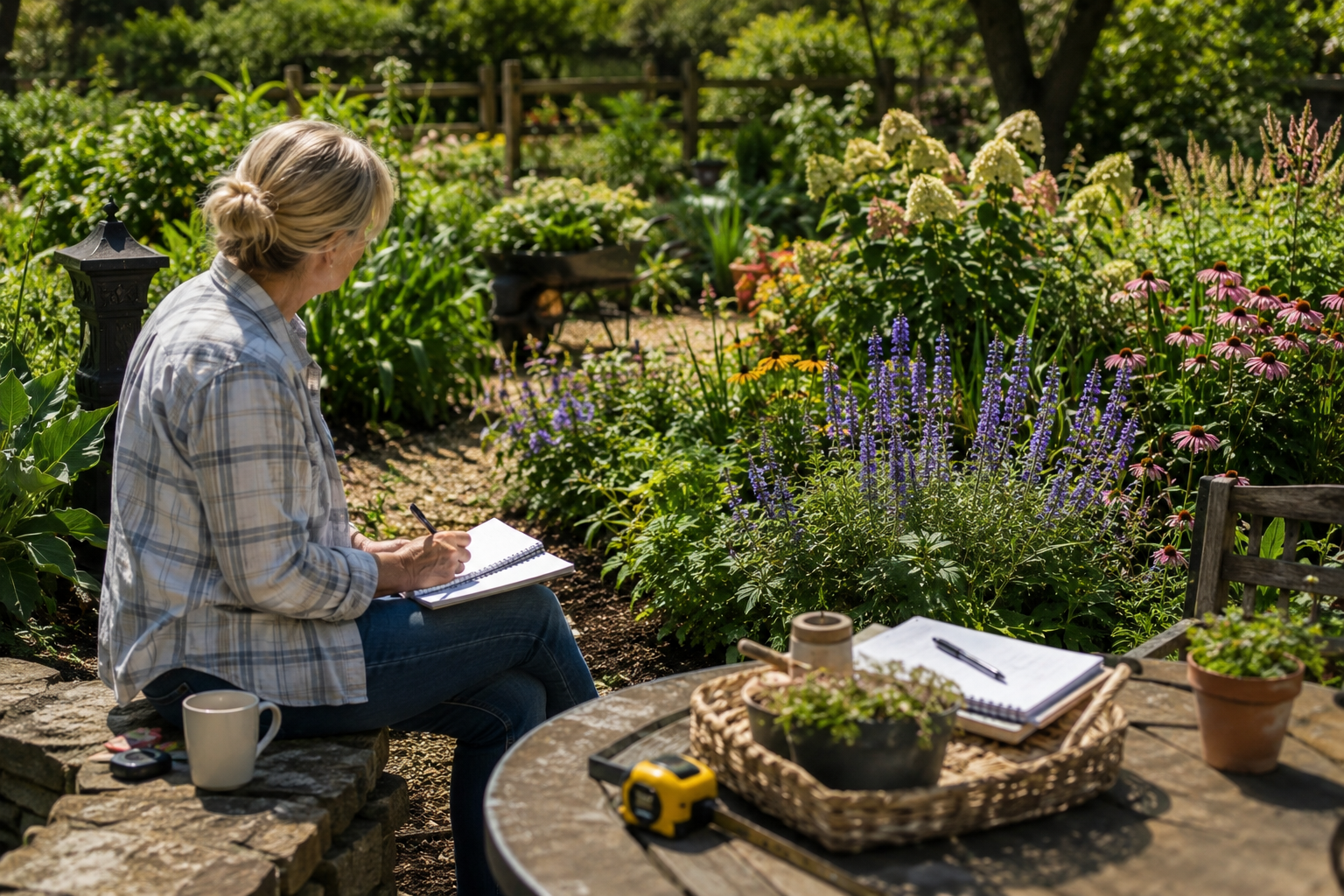
Designing gardens that work in real weather, real spaces, and real life.
Have you ever looked at a perfect garden online and thought,
Why doesn’t mine look like that?
You’re not alone.
Most of us garden in real life — with real weather, real soil, real time constraints, real budgets, and real limitations.
That’s why the
Garden Design for Real Life series exists — not to chase perfection, but to build gardens that actually work.
Here are the six foundations that matter most as we head into spring.
1️⃣ Start With Your Life — Not the Plants
Before you plant a single thing, ask yourself:
How much time do I realistically have?
Do I enjoy pruning and deadheading — or does that feel like maintenance?
Do I want one bed to fuss over and the rest to be easy?
If you only want a weekend garden, don’t design a weekday garden.
Low maintenance gardens aren’t accidents. They’re built with repetition, dependable shrubs and perennials, and fewer “one of everything” choices.
When your garden fits your life, everything gets easier.
👉
Part 1: Designing for Real Life
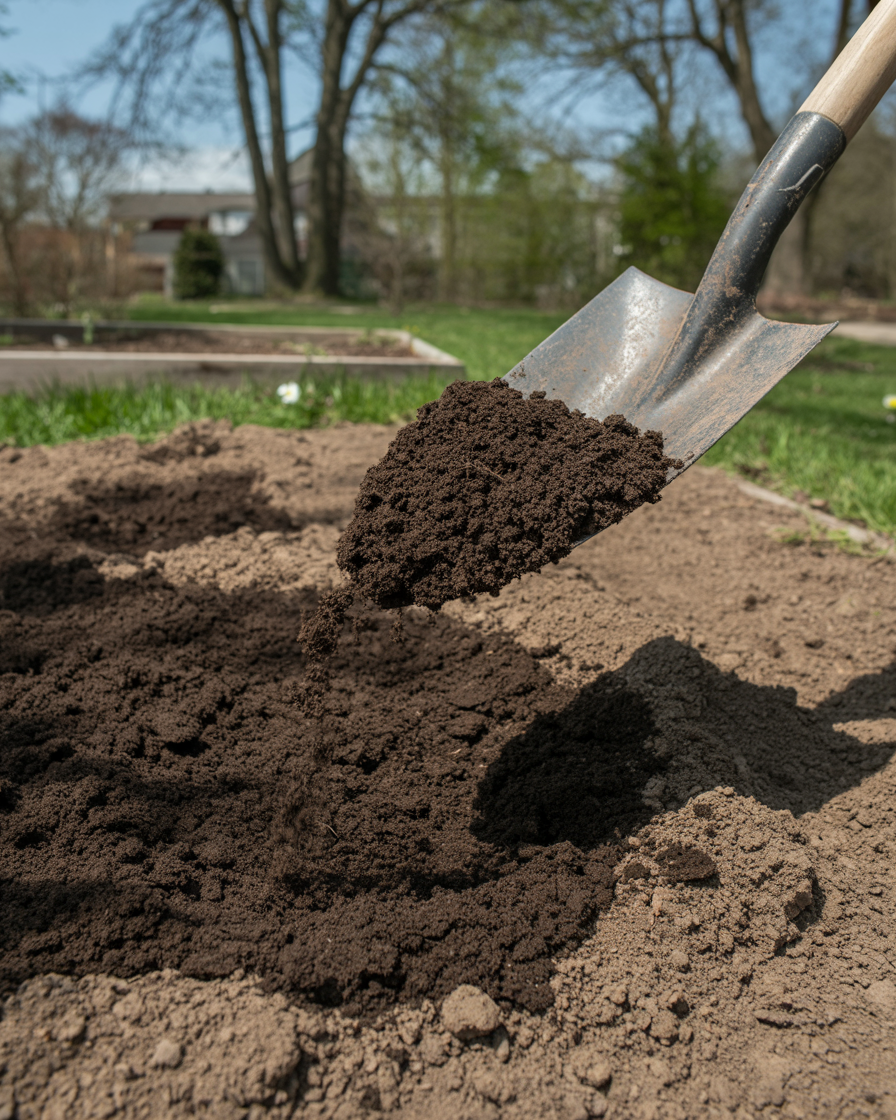
2️⃣ Soil Is the Foundation
This isn’t the glamorous part — but it’s the part that changes everything.
Build the base first.
👉
Part 2: Prepping Your Garden Bed
3️⃣
Right Plant, Right Place Is More Than Sun and Shade
Placement isn’t just light.
It’s wind exposure.
It’s winter damage.
It’s drainage patterns.
It’s microclimates near brick and foundations.
If a plant struggles, the answer usually isn’t more fertilizer. It’s location.
Sometimes moving something five feet makes all the difference.
👉
Part 3: Right Plant, Right Place
4️⃣
The Mistakes That Sneak Up On You
The most expensive garden mistakes aren’t dramatic. They’re slow.
Shrubs planted too close to the house.
Volcano mulch.
Buried root flares.
Ignoring drainage toward structures.
Landscape fabric used long term.
Weeds allowed to go to seed.
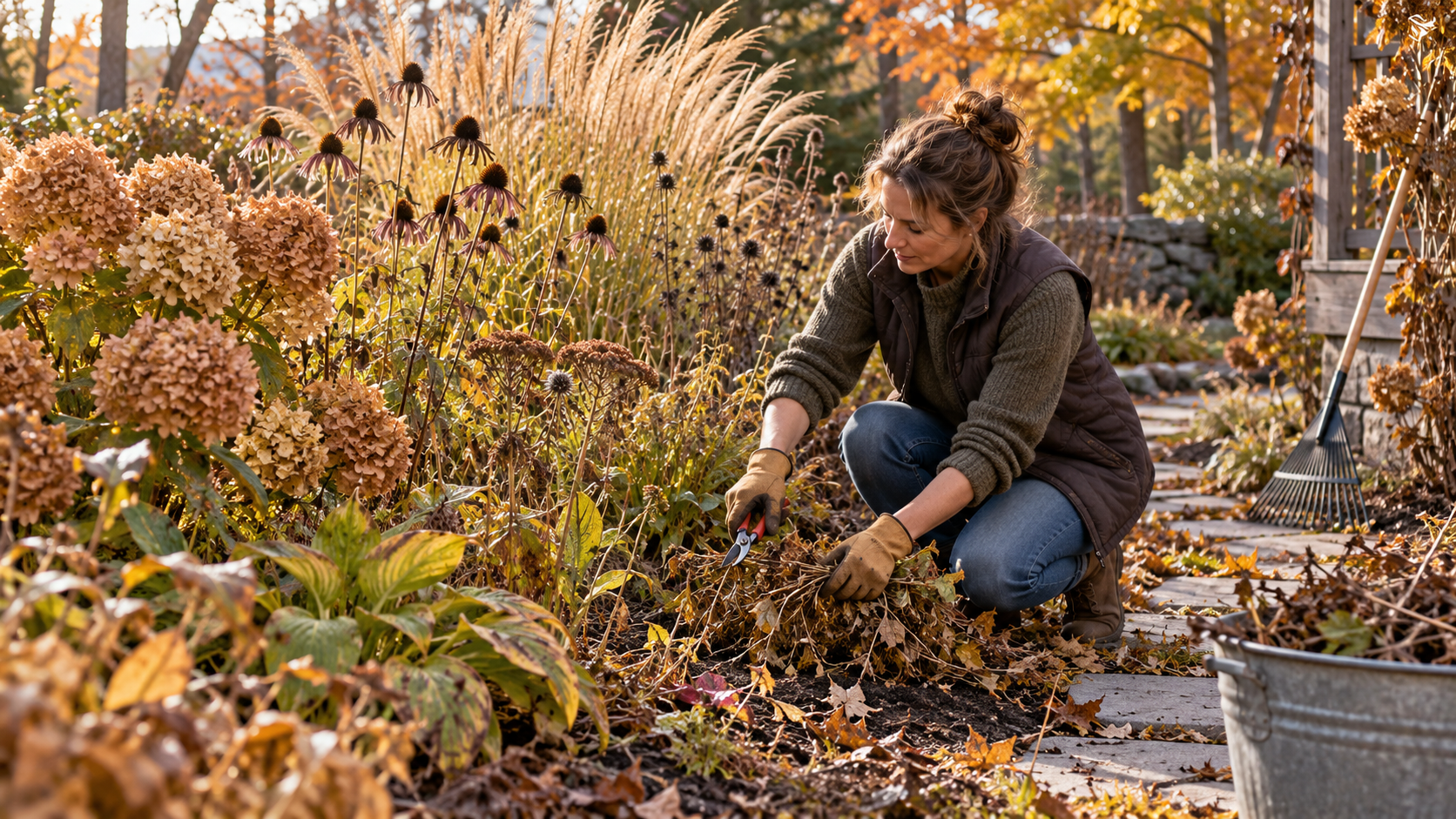
Winter and early spring are the perfect time to catch these before growth hides them.
👉
Part 4: Garden Mistakes That Sneak Up On You
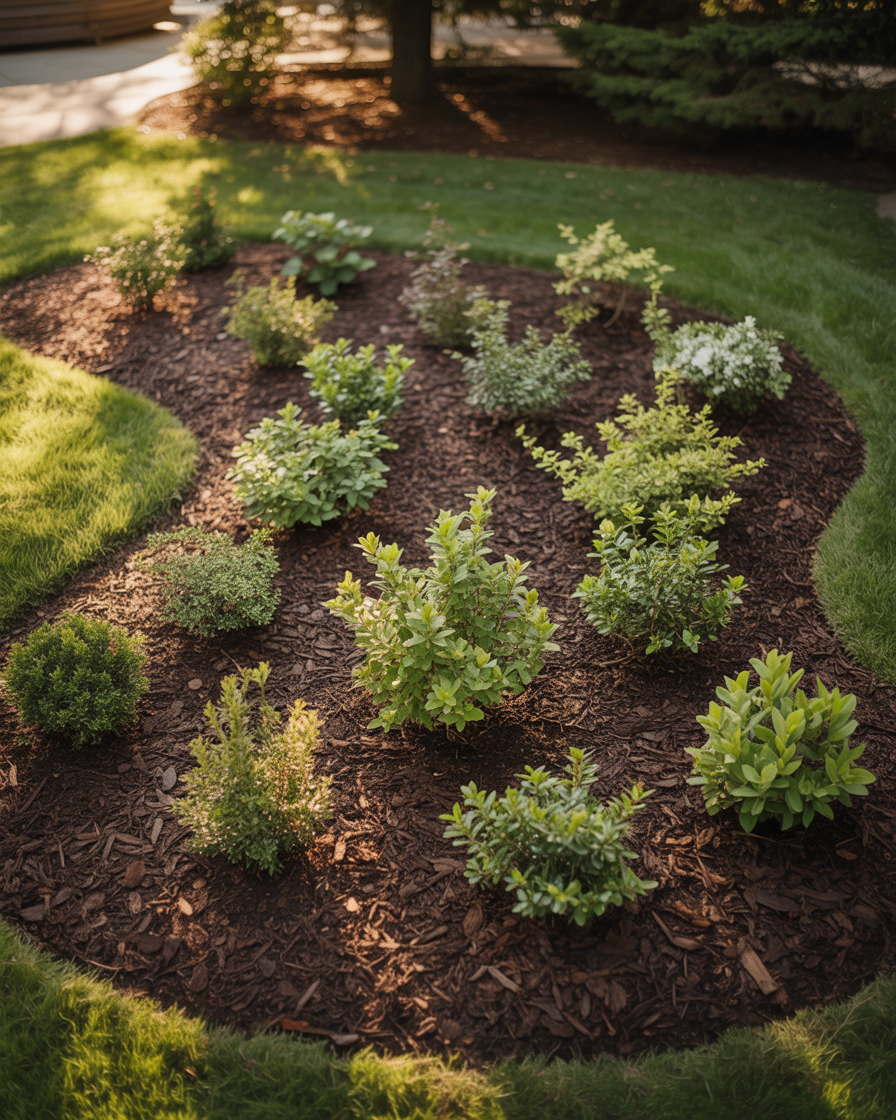
5️⃣ Spacing Is the Secret Weapon
Spacing quietly controls everything:
Give plants room to become what they were meant to be.
👉
Part 5: Why Spacing Is The Secret Weapon
6️⃣
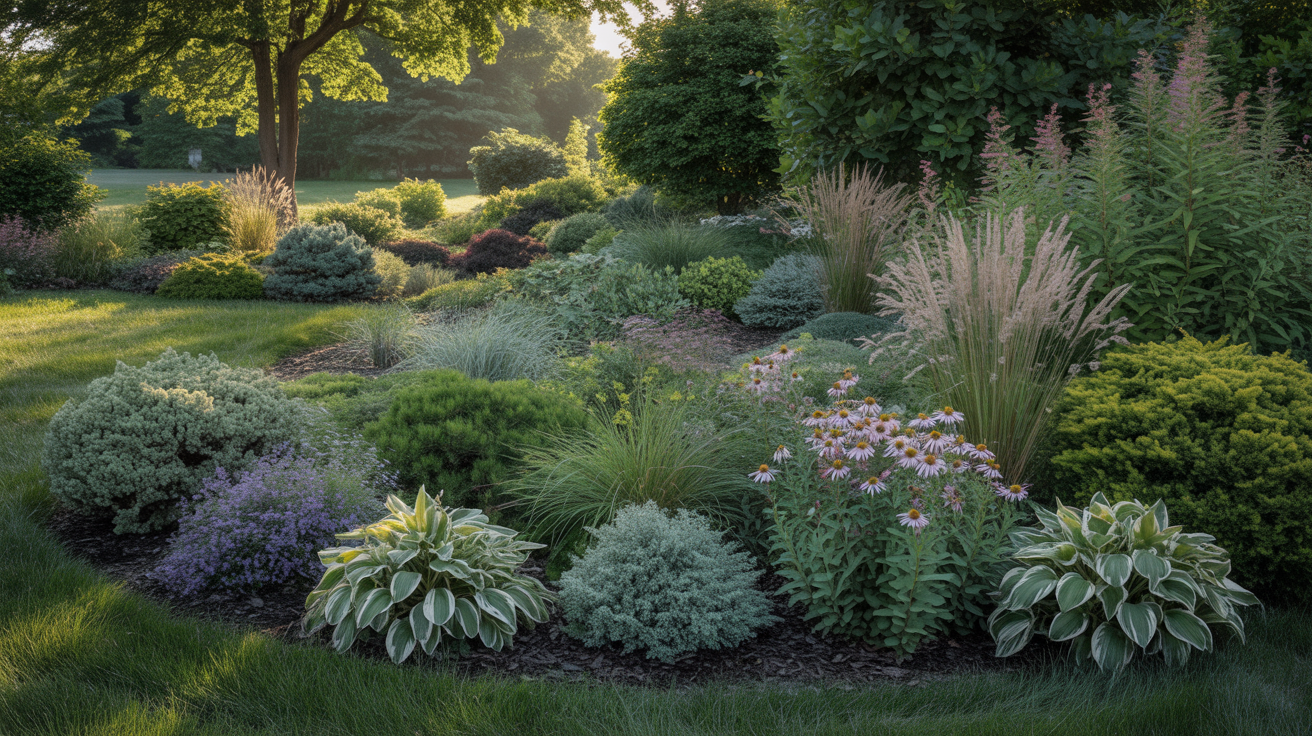
Shape, Texture, and Color Create Cohesion
If you’ve ever planted something and thought,
It just feels off.
This is why.
Gardens feel intentional when plants relate to each other.
Contrast creates interest.
Repetition creates rhythm.
Clustering creates impact.
Think upright next to round.
Fine texture next to bold leaves.
Two or three colors repeated instead of a scattered rainbow.
Design isn’t about complexity. It’s about consistency.
👉
Part 6: Color, Texture, and Shape
🌱
The Real Secret
Intentionality.
When you improve your soil, place plants thoughtfully, space them properly, and design with cohesion in mind, the garden stops fighting you.
It becomes easier.
Healthier.
More enjoyable.
Spring planting is exciting.
But smart planning is what makes it successful.
The Landscape Connection
4472 S. Mulford Rd.
Rockford, IL 61109
(815) 874-8733
www.TheLandscapeConnection.net