Grow Like a Pro: Your Guide to Homegrown Mums 🌼

Grow Like a Pro: Your Guide to Homegrown Mums 🌼

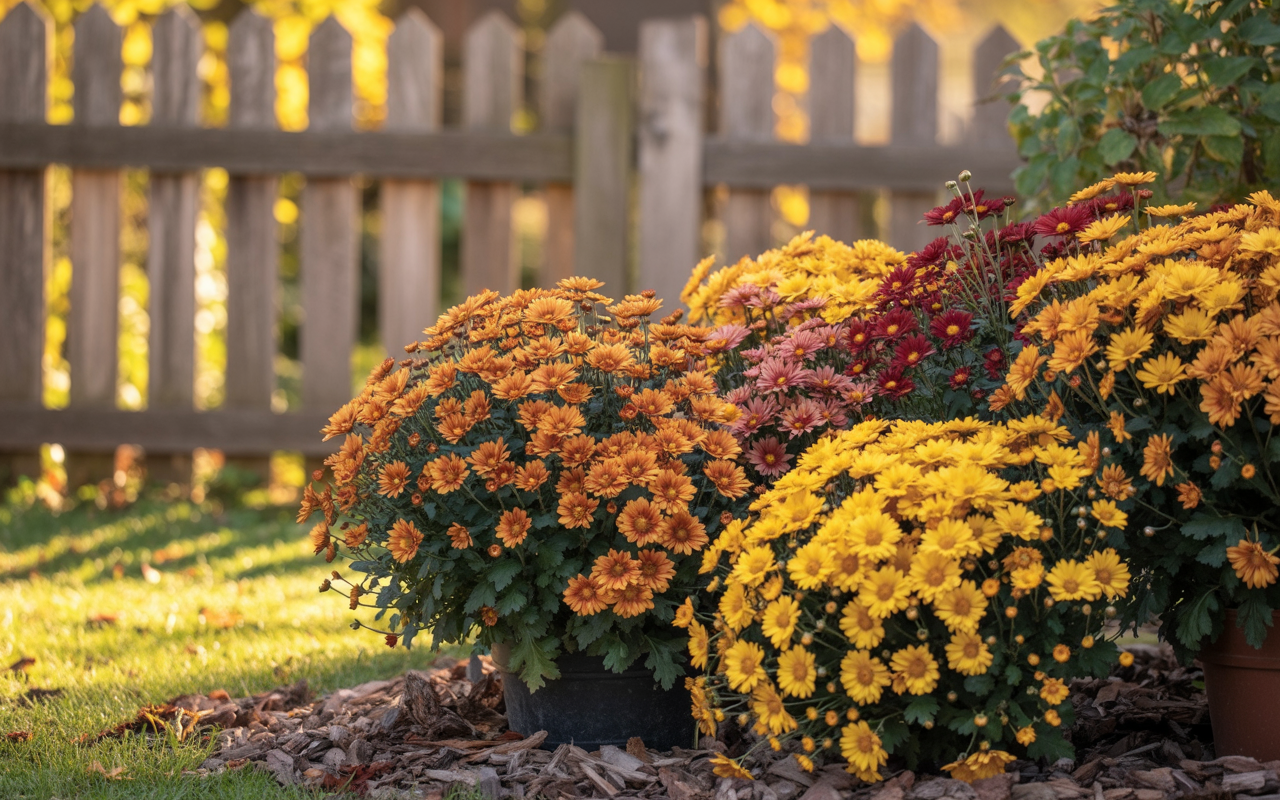
Potted orange and yellow flowers blooming along a sunlit garden fence

Chrysanthemums—aka “mums”—are one of fall’s biggest showstoppers. But did you know you can grow your own mums from seeds or cuttings and enjoy the process from start to full bloom?

Whether you're planning ahead for next season or just curious about how those gorgeous fall blooms get their start, we’ve got all the essentials for growing mums in Zone 5—from planting to pinching. 


Start Early, Reap Later


If you're growing from seed or cutting, start indoors in late winter or early spring. Mums need a long growing season, so give them a head start under lights or in a warm window.


Once the danger of frost has passed, transplant outdoors into rich, well-draining soil in a sunny location. Mums love full sun—6 hours minimum!

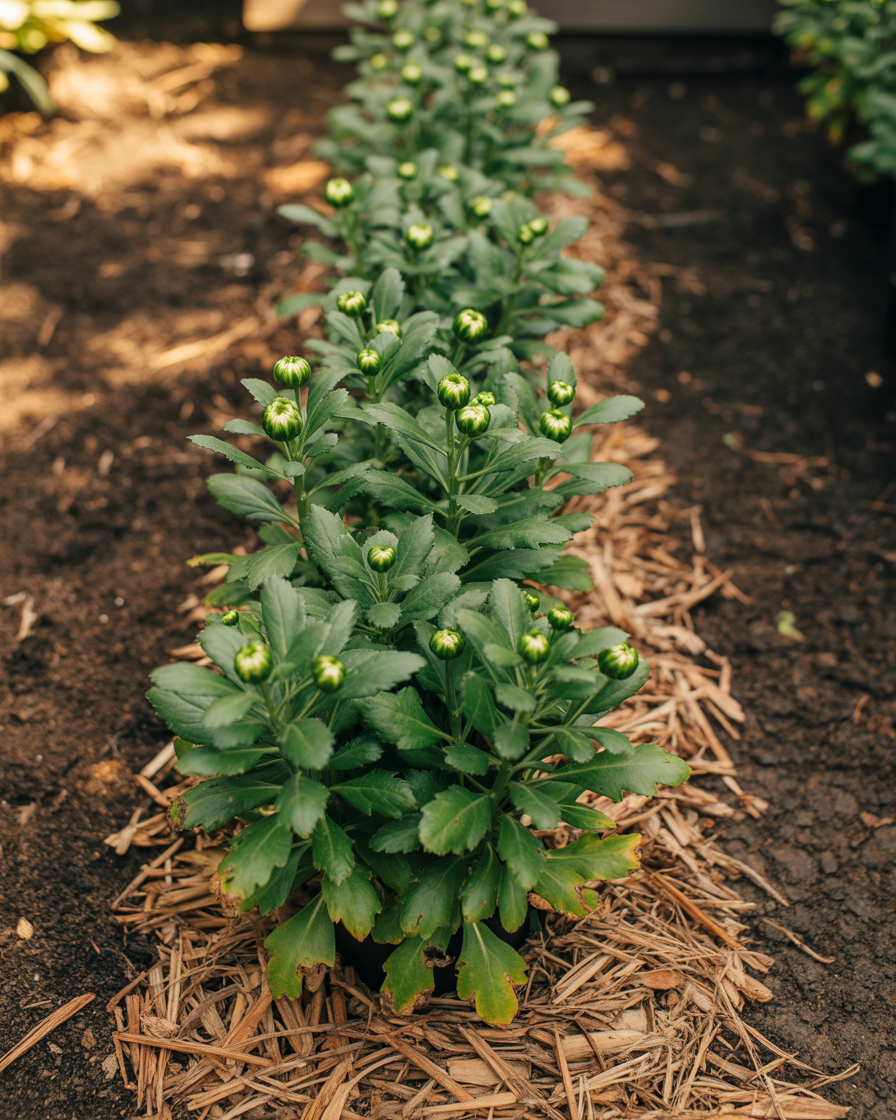
Row of green leafy plants growing in a mulched garden bed

Don’t Skip the Pinch ✂️


The secret to those full, bushy blooms? It’s all in the pinch.


Pinch back the first growth in early June, when plants are about 6 inches tall.


Repeat the pinch every 2–3 weeks until mid-July—this encourages branching and helps delay blooms until fall.


No pinching = early, lanky flowers. But a few well-timed trims? That’s how you get that full, rounded mum look.
Feed & Water With Purpose


Mums are hungry, thirsty plants—but they hate soggy feet.


Use a balanced fertilizer every 2–3 weeks until flower buds appear.


Water deeply and consistently, aiming for the soil (not the leaves!) and mulch to conserve moisture—especially during August heatwaves.


Know When to Plant for Fall Blooms


If you’re starting with young nursery plants, transplant them by early summer to allow time for root establishment before blooming. Planting too late often means fewer flowers or poor overwintering.


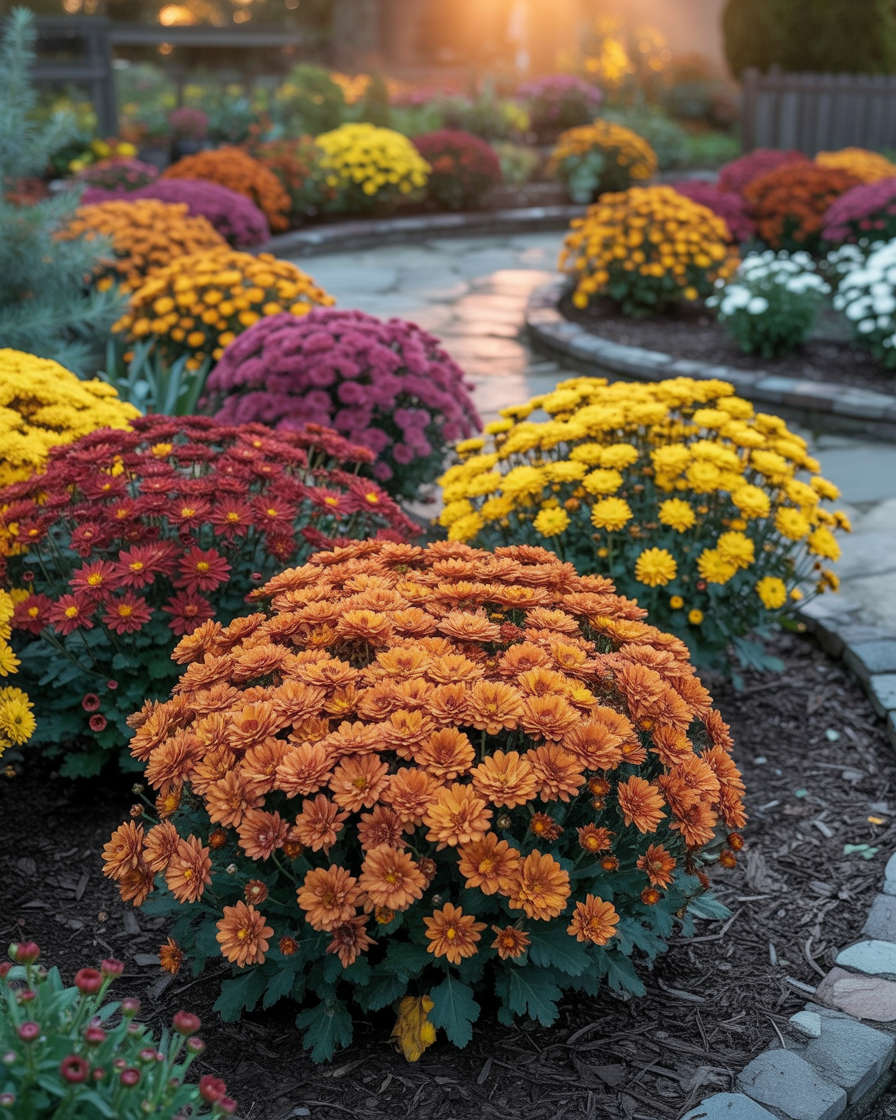
Colorful blooming chrysanthemums along a stone garden path at sunset

Can Mums Survive Winter?


Yes—with a little love. Garden mums in Zone 5 can return next year if:


They're planted in spring or early summer, not fall.


You mulch well before the first freeze.


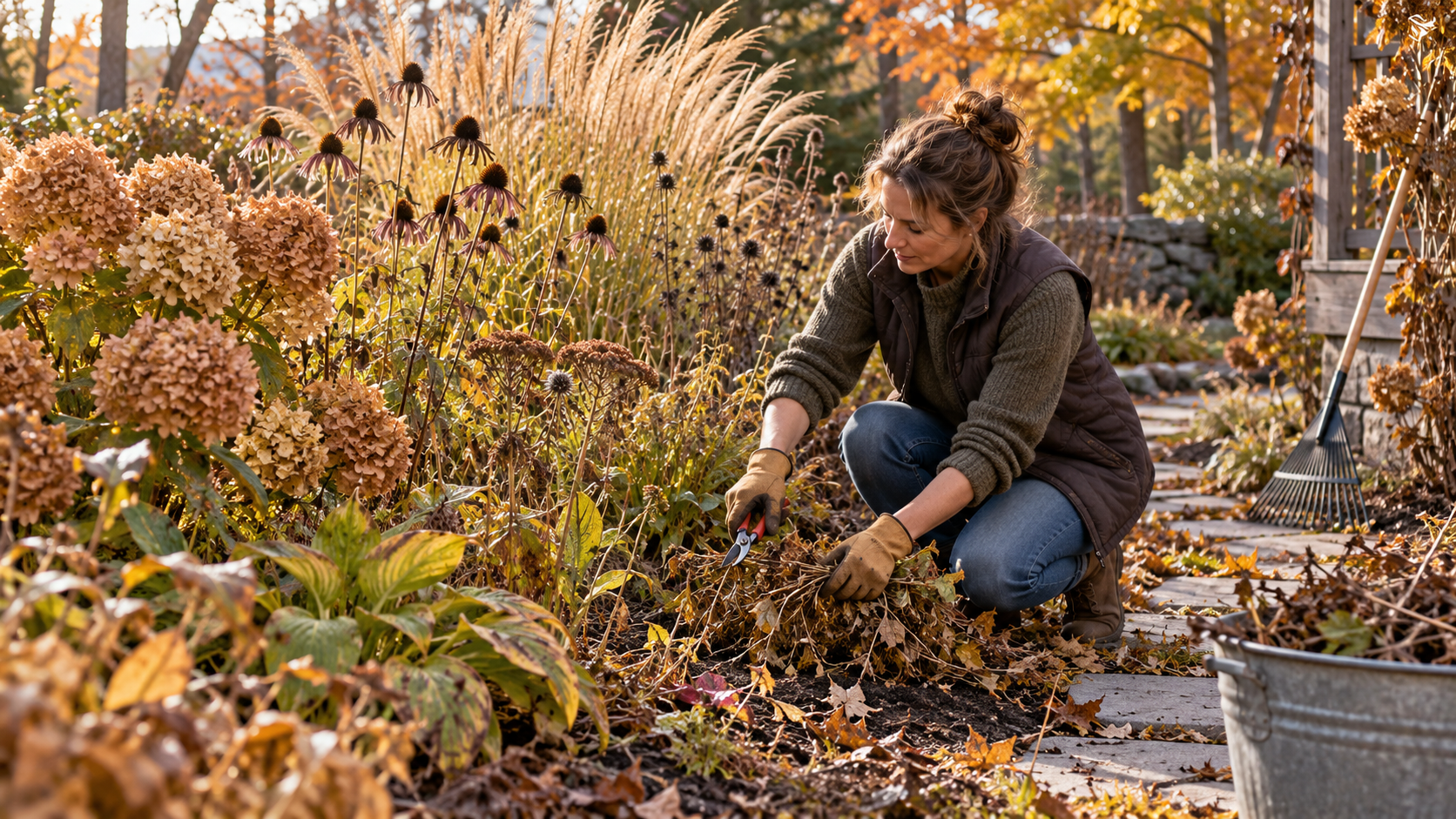
You leave the dead growth as insulation until spring.


Treat them right, and your mums may reward you with a second (or third!) act.


Let Your Garden Shine, Season After Season


Growing mums from scratch takes patience, but it’s worth every pinch when your yard explodes with color each fall. From seed trays to full bloom, there’s nothing quite like the satisfaction of homegrown beauty.


🌼 Want help choosing varieties or timing your garden for fall blooms?

Come see us—we’d love to chat mums with you.


📍 The Landscape Connection

4472 S. Mulford Rd.

Rockford, IL 61109

(815) 874-8733

www.TheLandscapeConnection.net

June-blooming perennials create weeks of color in a thriving Zone 5 garden.
By michelle.tlcgiftandgarden June 2, 2026
Discover the top blooming perennials for Zone 5 gardens in June, including coneflowers, salvia, lavender, and more seasonal favorites.
Fresh mulch surrounds healthy garden plants, helping conserve moisture and reduce weeds in summer.
By michelle.tlcgiftandgarden June 2, 2026
Discover why mulching is one of the most important mid-season garden tasks. Learn how mulch conserves moisture, reduces weeds, improves soil, and protects plants in Zone 5 gardens.
Honeybee collecting pollen from purple salvia flowers in a sunlit pollinator-friendly summer garden.
By michelle.tlcgiftandgarden June 2, 2026
Learn how to support pollinators in your Zone 5 garden with flowers, native plants, water sources, and pollinator-friendly gardening practices.
Ripe tomatoes and flowering basil attract pollinators in a companion-planted vegetable garden.
By michelle.tlcgiftandgarden June 2, 2026
Learn how companion planting can improve your vegetable garden by attracting pollinators, supporting beneficial insects, maximizing space, and creating healthier, more productive harvests.
Home gardener watering at the base of plants in a backyard garden bed, showing deep, slow watering a
By Michelle Cox April 29, 2026
Struggling plants? It’s often a watering issue. Learn how to water correctly, how often to water, and the difference between overwatering and underwatering for healthier plants.
Home gardener planting young vegetable seedlings in evenly spaced rows with fresh soil and mulch, de
By Michelle Cox April 29, 2026
Plant smarter this May with Zone 5 planting tips. Learn when to plant, what to wait on, and how proper timing, spacing, and watering lead to stronger, healthier gardens.
Photo-realistic front porch entry with a large, full summer container arrangement in a classic urn,
By Michelle Cox April 29, 2026
Front porch container garden with a balanced mix of upright grasses, colorful seasonal flowers, and trailing greenery in a well-proportioned planter—an example of a properly built container designed to stay full and healthy all season.
Healthy green lawn with mixed grass and clover in natural backyard setting
By Michelle Cox April 3, 2026
Learn simple, sustainable lawn care practices for Zone 5, including mowing, watering, and soil tips to build a healthier lawn naturally.
Asparagus spears emerging from soil in early spring garden bed
By Michelle Cox April 3, 2026
Learn how to grow asparagus in Zone 5, including when to plant crowns, how to prepare soil, and what to expect in the first few years.
Onion sets being planted in early spring soil in a Zone 5 garden
By Michelle Cox April 3, 2026
Learn how to grow onions in Zone 5, including when to plant, whether to use sets or transplants, and simple tips for a successful harvest.
Show More