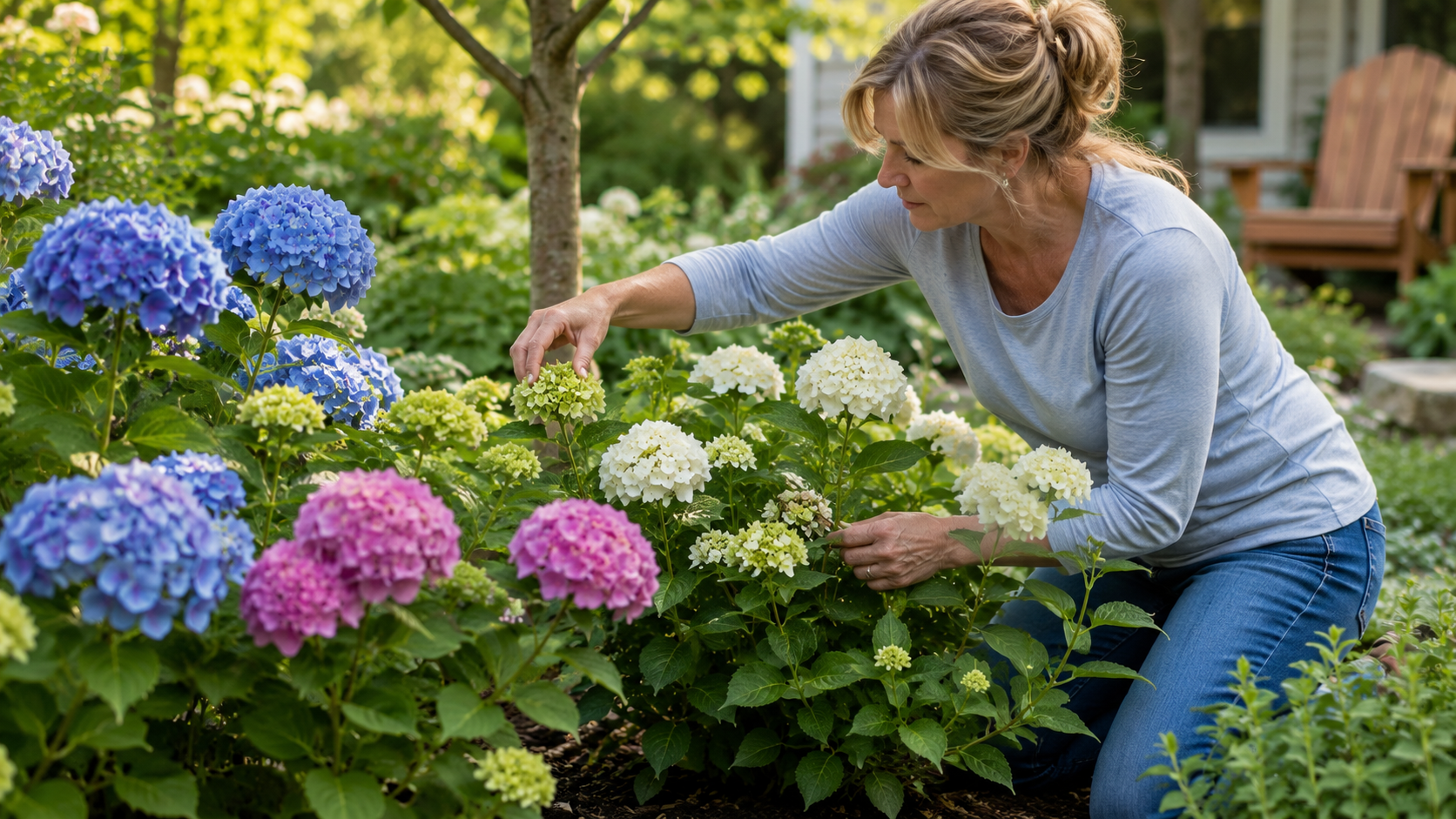
Heat Stress or Needs Water?
How to Tell the Difference Before Reaching for the Hose
One of the most common questions I hear during the summer is:
"My plants are wilting. Do they need water?"
Maybe.
But maybe not.
Plants naturally respond to hot afternoons by wilting, even when there's plenty of moisture in the soil. It's their way of protecting themselves from excessive heat and reducing water loss. The important thing is knowing whether you're seeing temporary heat stress or true drought stress.
Afternoon Wilt Doesn't Always Mean Thirst
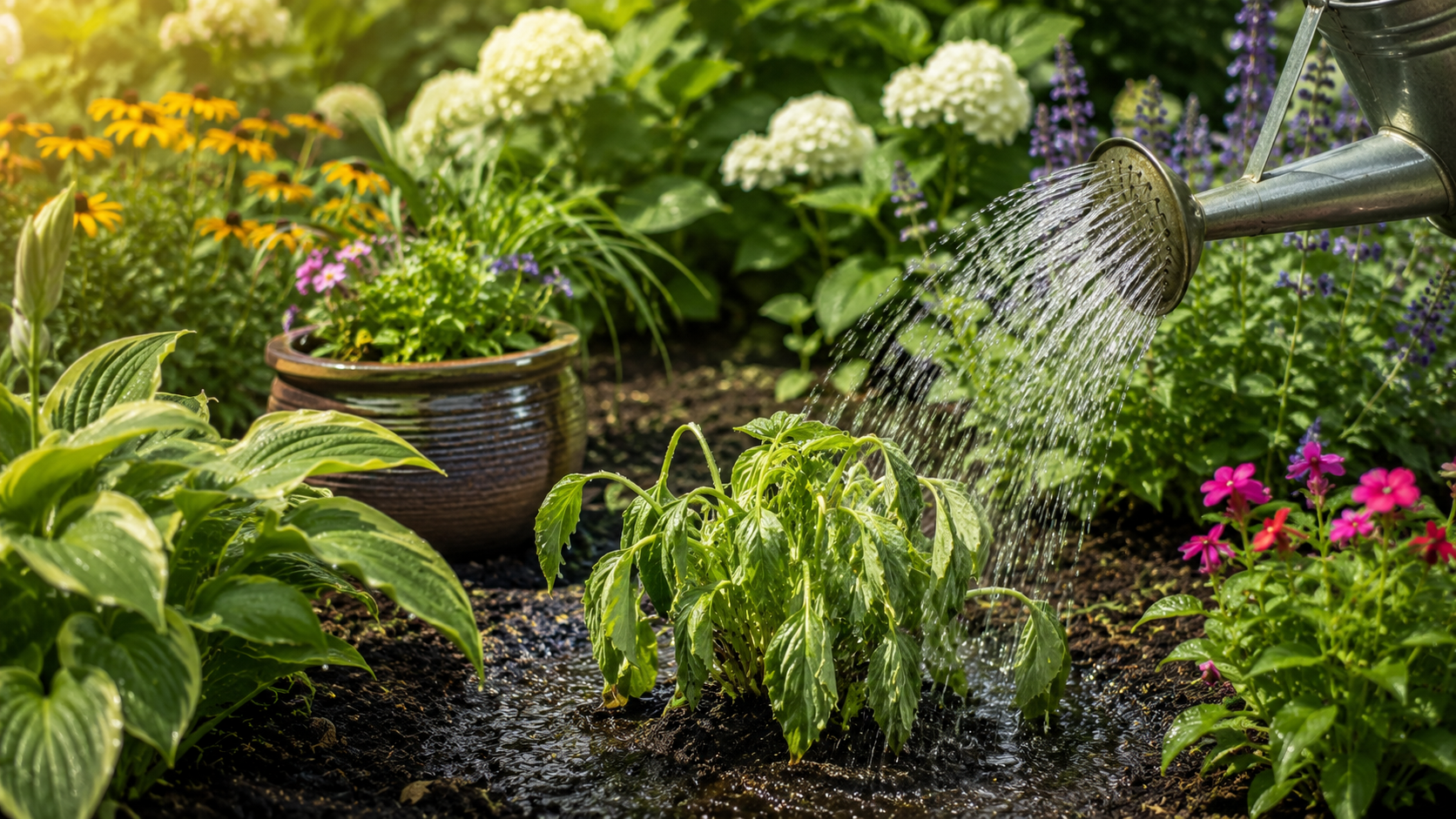
It's completely normal for many plants to droop during the hottest part of a summer afternoon.
If they perk back up once the sun goes down or by the following morning, they're usually telling you they're hot—not necessarily thirsty.
Before adding water, let the soil tell you what the plant needs.
Check the Soil First
Instead of watering because the leaves look wilted, stick your finger two or three inches into the soil.
If the soil still feels cool and moist, your plant probably has enough water.
If it's dry several inches below the surface, it's time to water.
That simple habit can prevent one of the biggest mistakes gardeners make—watering plants that don't actually need it. Checking soil moisture before watering is one of the best ways to avoid both drought stress and overwatering.
Water Deeply, Not Lightly
When it's time to water, give your plants a long, deep drink.
A quick sprinkle only wets the surface, encouraging roots to stay shallow where the soil dries out the fastest. Deep watering encourages roots to grow farther into the soil where moisture lasts longer, making plants stronger and more resilient during hot weather.
Containers Need More Attention
Plants growing in containers, hanging baskets, and raised planters dry out much faster than plants growing in the ground.
During stretches of hot weather, containers may need watering every day—and sometimes twice a day depending on their size, location, and the type of plant. Landscape trees, shrubs, and established perennials usually need less frequent watering because their roots can reach deeper into the soil.
Signs You're Overwatering
Believe it or not, too much water can look a lot like too little water.
Watch for:
- Yellowing leaves
- Soft stems
- Constantly wet or soggy soil
- Leaves dropping even though the soil is wet
When roots sit in water for too long, they can't get the oxygen they need to stay healthy.
Signs You're Underwatering
Plants that truly need water often show different symptoms, including:
- Dry soil several inches below the surface
- Crispy or brown leaf edges
- Wilting that continues into the evening or the next morning
- Slower growth and smaller flowers
The key is paying attention to both the plant and the soil before deciding what to do next.
Gardening isn't about watering on a schedule—it's about learning to read what your plants are telling you. A quick check of the soil can save water, prevent root problems, and keep your garden looking healthy all summer long.
🎥 Watch It in Action
I cover this topic in more detail on my Gardening TLC YouTube channel, where I share the basics of watering your garden, including when to water, how much to water, and how to help your plants stay healthy during hot summer weather.
▶️ How and When to Water Your Garden
Whether you're wondering how often to water your containers, choosing the right soil, or looking for products that help retain moisture during hot weather, we're always happy to help. Stop by The Landscape Connection and let us help you keep your garden thriving through the heat of summer.
The Landscape Connection
4472 S. Mulford Rd.
Rockford, IL 61109
(815) 874-8733
www.TheLandscapeConnection.net