Give a quiet corner a new purpose with food, fresh water and nearby shelter—and a winter view worth watching.
Once the flowers fade and the garden furniture gets put away, it’s easy to feel like the backyard is finished for the year. But the birds haven’t gone anywhere.
Here in northern Illinois, a cardinal against the snow or a chickadee working its way around a feeder gives us a reason to keep looking outside. Creating a winter wildlife station brings some of that activity into a place where you can enjoy it.
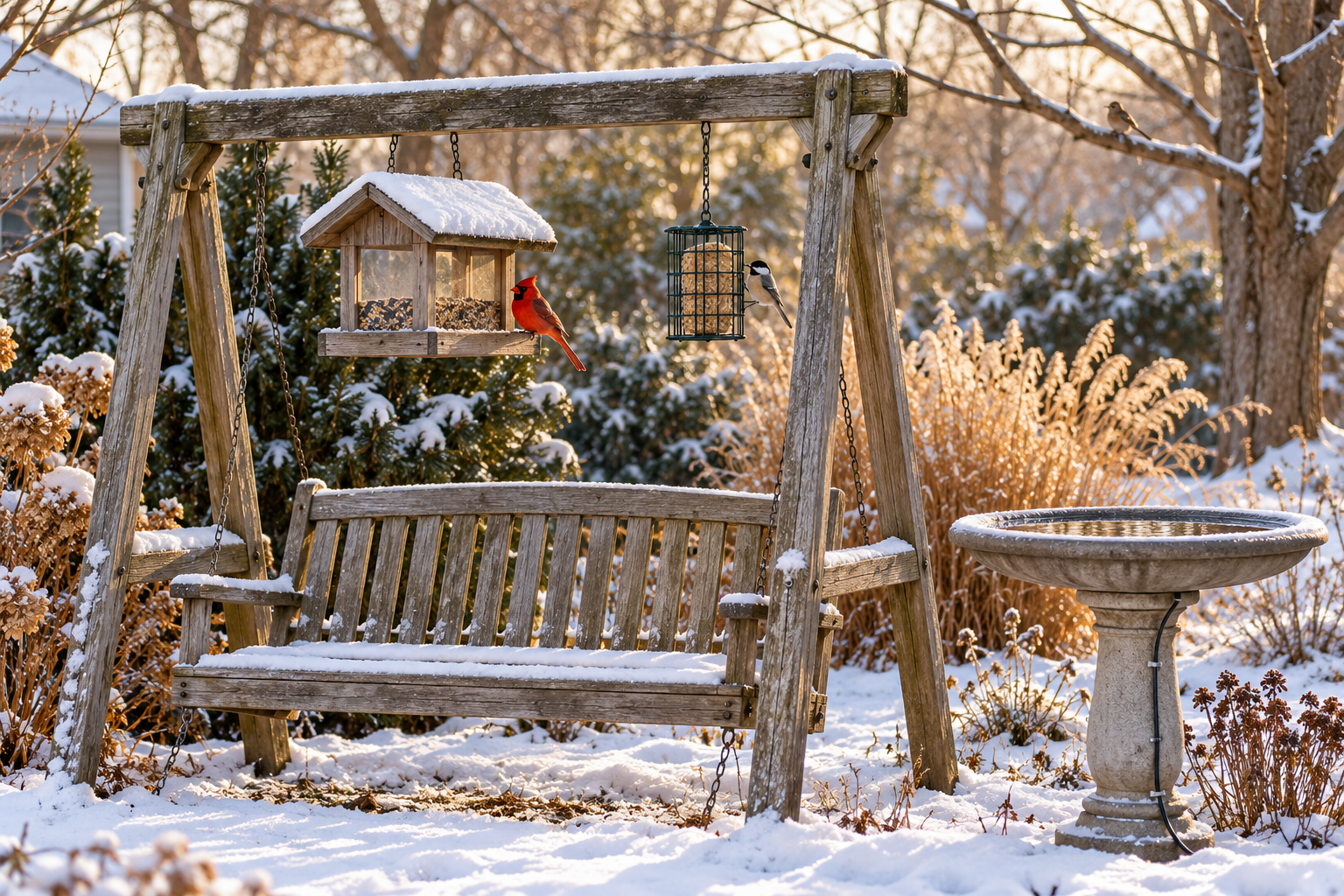
This November, I’m giving my garden swing a different job for the season. You don’t need a swing to try the idea, though. Start with a spot you can see from the house and reach easily when it’s time to refill and clean.
Choose a Spot That Works for You and the Birds
Think about your winter routine before setting anything up. A feeding station at the far end of the yard might look lovely, but will you want to carry seed and water out there after a snowfall?
Choose somewhere accessible, with protection from strong winds and nearby trees or shrubs where birds can retreat. Keep feeders about ten feet from dense cover so cats and other predators don’t have an easy hiding place beside the food.
Consider windows, too. Position feeders within three feet of the glass or more than thirty feet away to help reduce collision risk.
Make it a place you can maintain, not just a place that looks good on the day you set it up.
Start With a Simple Feeding Setup
You don’t need a collection of feeders to get started. One sturdy seed feeder and a suet feeder give you a useful beginning.
Black-oil sunflower seed attracts a variety of backyard birds. Sunflower hearts are another option if you want fewer discarded shells beneath the feeder. Suet provides a concentrated source of energy and attracts birds such as woodpeckers, chickadees and nuthatches.
Choose feeders that keep food dry, drain well and come apart for cleaning. If you’re using an existing garden structure, check that the hanging points are secure and that you can remove each feeder easily.
Start small and watch what gets used. That will tell you more than putting out several foods at once.
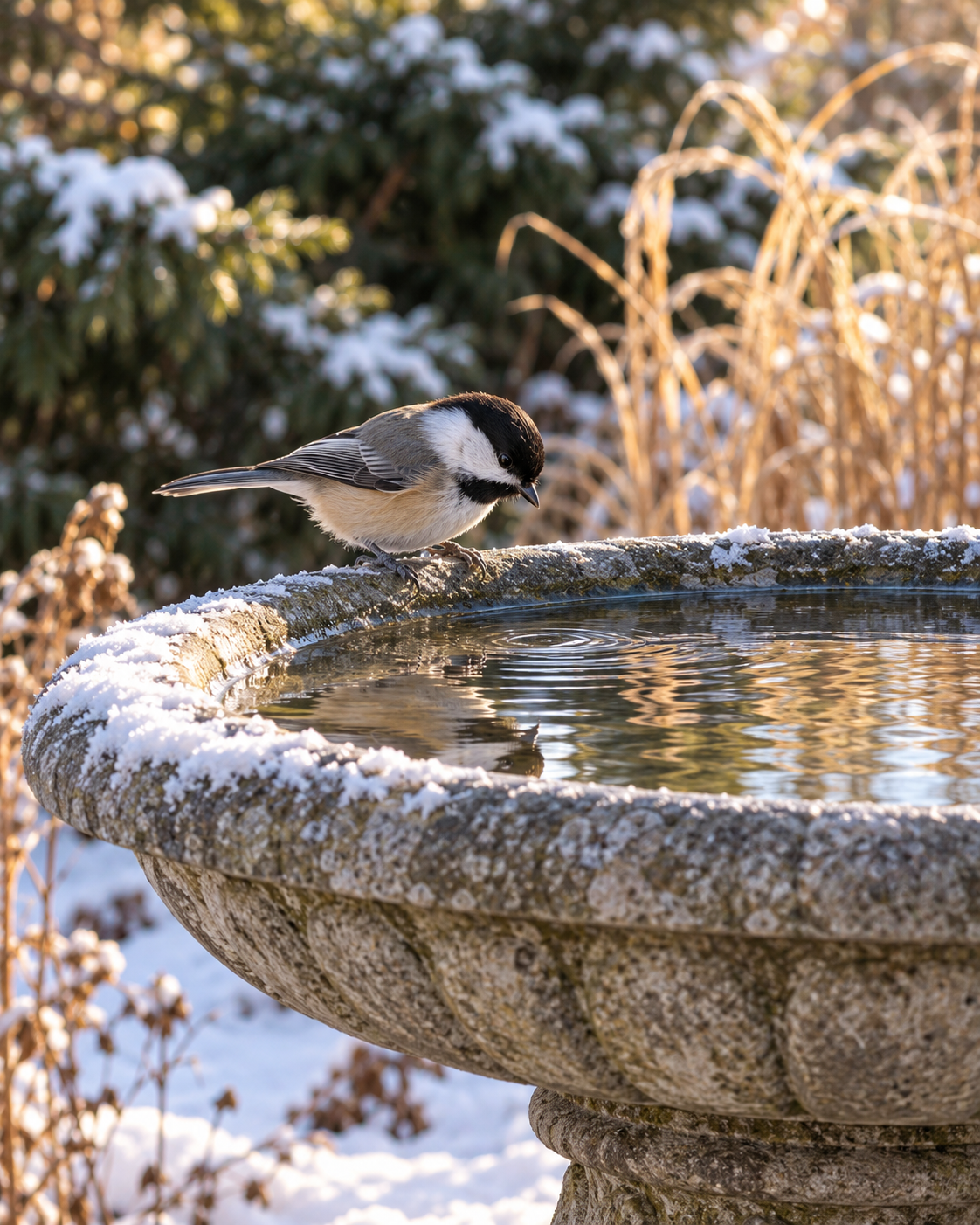
Make Room for Fresh Water
Let the Surrounding Garden Help
Your feeders are one part of the space. The plants around them can offer food and shelter beyond what you put out each morning.
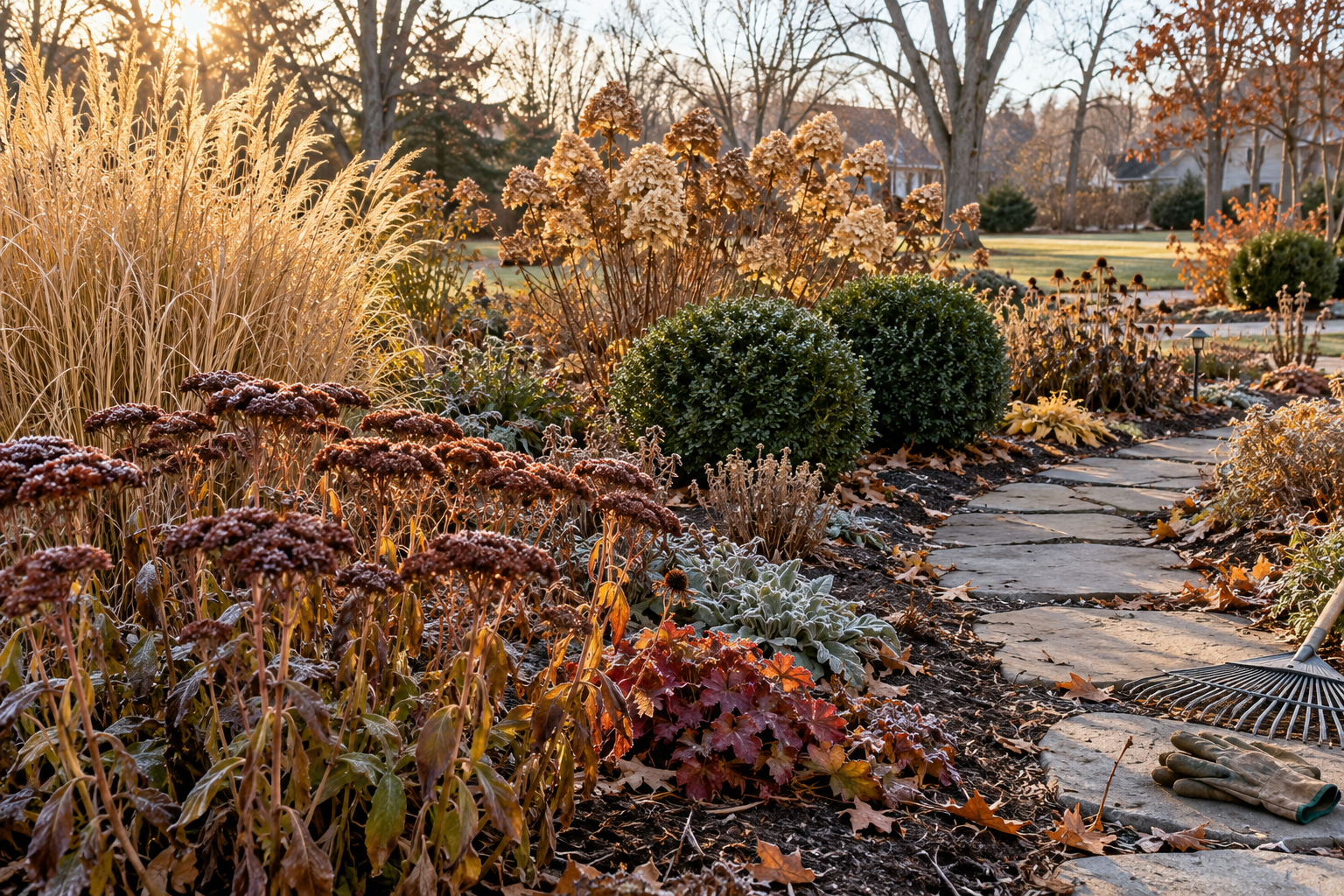
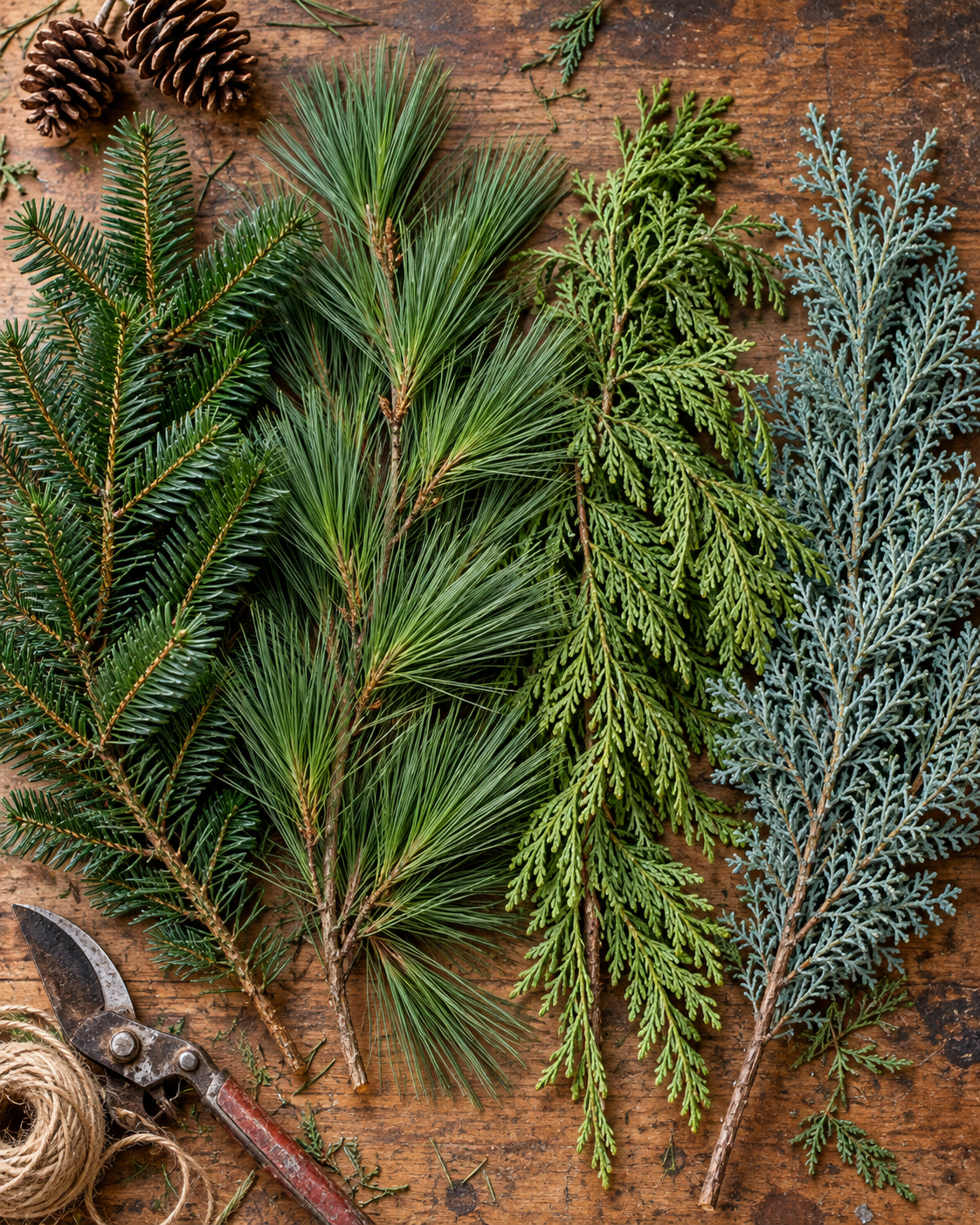
Evergreen shrubs provide cover. Standing seed heads give birds places to forage. A small brush pile in an appropriate corner can add shelter without becoming the centerpiece of your yard.
In
One More Good Rake: Fall Garden Cleanup With Pollinators in Mind, we talk about leaving some of those useful garden materials in place. A wildlife station builds on that idea: keep the surrounding habitat while maintaining a clean feeding area.
You don’t need to clear a new space if the garden already has a suitable spot.
Make Something for Your Winter Visitors
If you enjoy a hands-on project during the colder months, try making your own suet for the feeding station.
In
DIY — How to Make Suet to Feed the Birds, I demonstrate homemade recipes you can prepare for your backyard birds.
For ingredient lists and written directions for bark butter, no-melt suet and a suet wreath, visit
Helping Birds Through the Rest of Winter.
Keep the Station Clean
Feeding birds comes with a little housekeeping.
Clean seed feeders about every two weeks, and more often during wet weather or heavy use. Remove old seed and debris, wash and disinfect as appropriate for the feeder, rinse thoroughly and let everything dry before refilling.
Clean beneath the feeders, too. A buildup of wet seed, hulls and droppings can contribute to disease and attract rodents. Refresh and scrub water dishes regularly rather than continually topping them off.
It’s easier to keep up with a modest station than an elaborate arrangement you can’t comfortably maintain.
Coming November 12: My Garden Swing Gets a Winter Job
In my upcoming
Gardening TLC video, “Turning My Garden Swing Into a Winter Wildlife Station,” scheduled for Thursday, November 12, I’ll share how I’m putting that garden space to use for the colder months.
Use it as inspiration for your own setup. Your version might begin with an existing garden structure or a single feeder near a sheltered bed. It doesn’t have to look like mine to work in your yard.
Leave Yourself a Reason to Look Outside
Once your station is ready, give the birds time to discover it. Notice which foods disappear first, where birds perch between visits and what changes after a snowfall.
Come out to The Landscape Connection if you need bird seed, feeders or help getting started. Tell us what you’re seeing in your yard, and we can help you think through your setup.
The garden may be resting, but there’s still plenty happening out there. I’m looking forward to seeing who shows up.