Putting the Garden to Bed: Cleanup & Winter Protection
What to cut back, what to leave standing and how to find the winter beauty in your own garden.
I’m a home gardener just like you, and I want my beds to look good through winter. But I also own a garden center, which means spring cleanup competes with arriving trucks, waking up overwintered plants, building displays and getting our team ready for the season.
Leaving every garden chore until spring doesn’t work for me. Neither does trying to clean up the entire yard in one afternoon.
So I take a mixed approach. I leave plants that will give me something to enjoy through winter and clean up the areas that need it. Then I move on to the next bed when I have time.
If you’re looking at your own garden and wondering where to start, here’s how I make those decisions.
Start With One Bed
The thought of cleaning every bed can be enough to keep you from starting. Pick one manageable area instead.
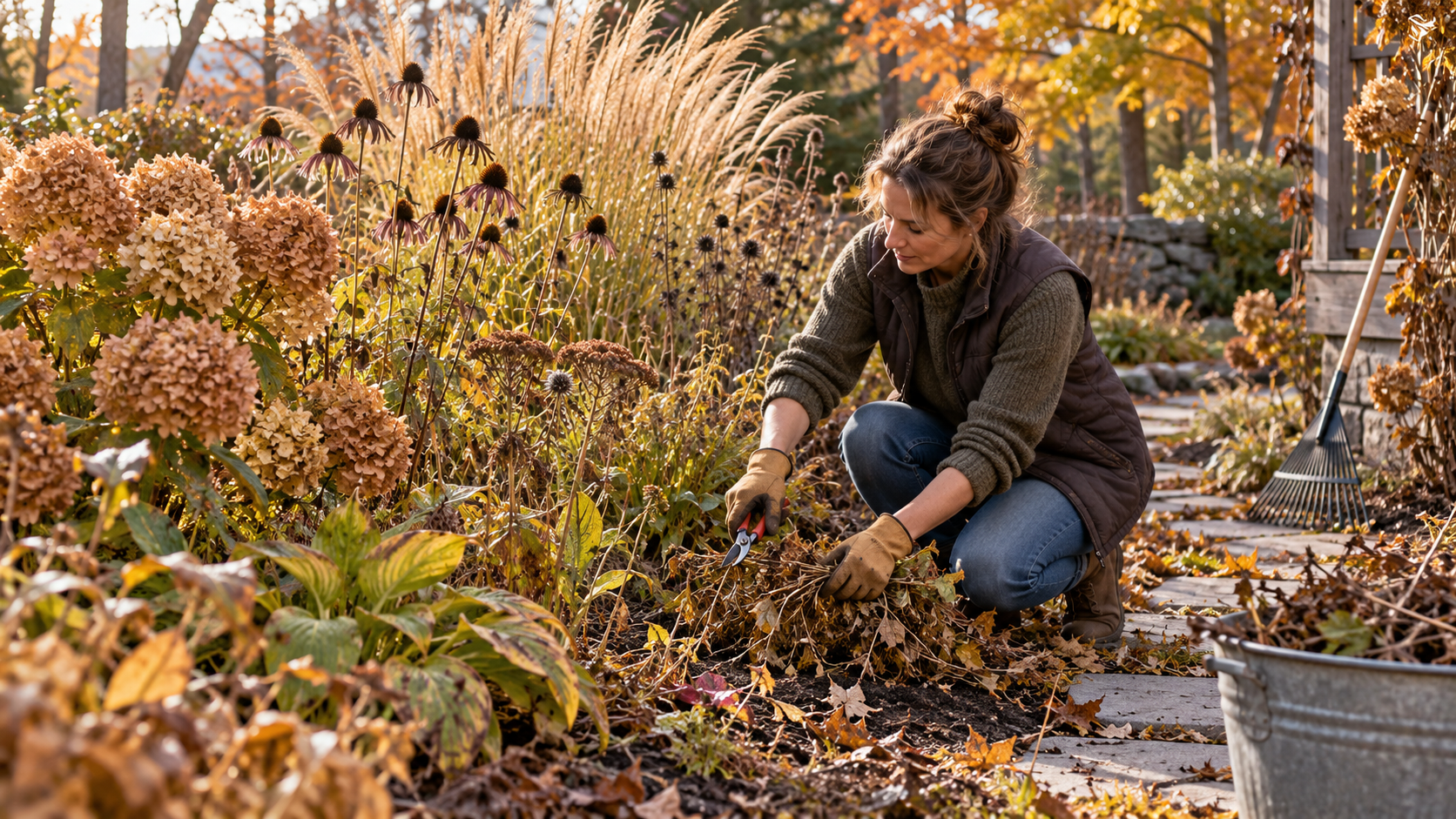
In my video, How to Clean Up Garden Beds & Assess for Winter Beauty, I work through my driveway and sidewalk beds, explaining what stays, what goes and why.
Those two beds took about an hour altogether.
One bed a day or one bed a week still moves you forward. Choose a pace that fits your schedule.
Before cutting anything, look at the plants individually. Are the stems sturdy? Do the dried flowers still look good? Has the foliage collapsed? Did the plant have disease problems this year?
Those answers are more useful than deciding the whole bed needs to be cleared.
Leave What Earns Its Place Through Winter
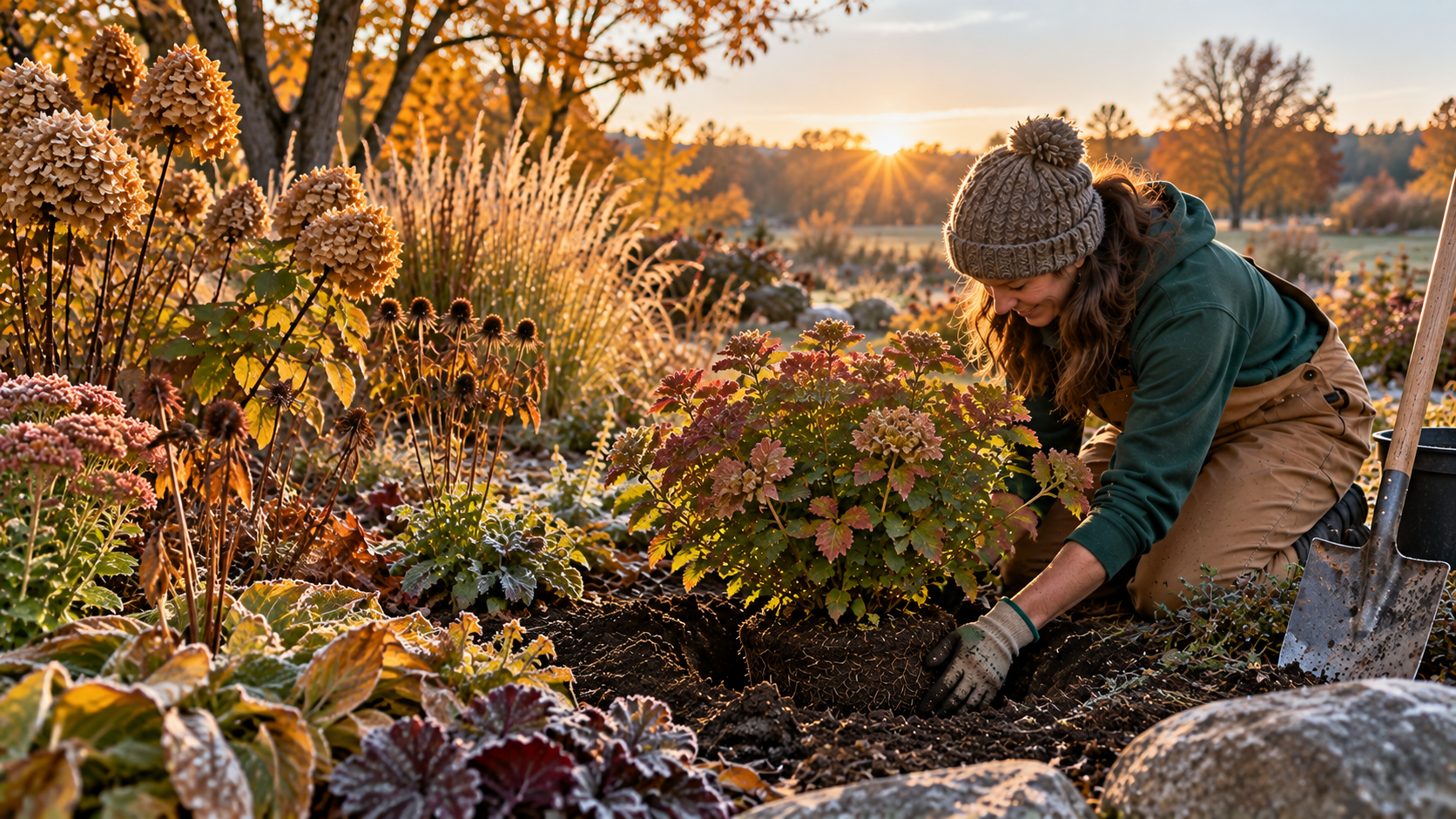
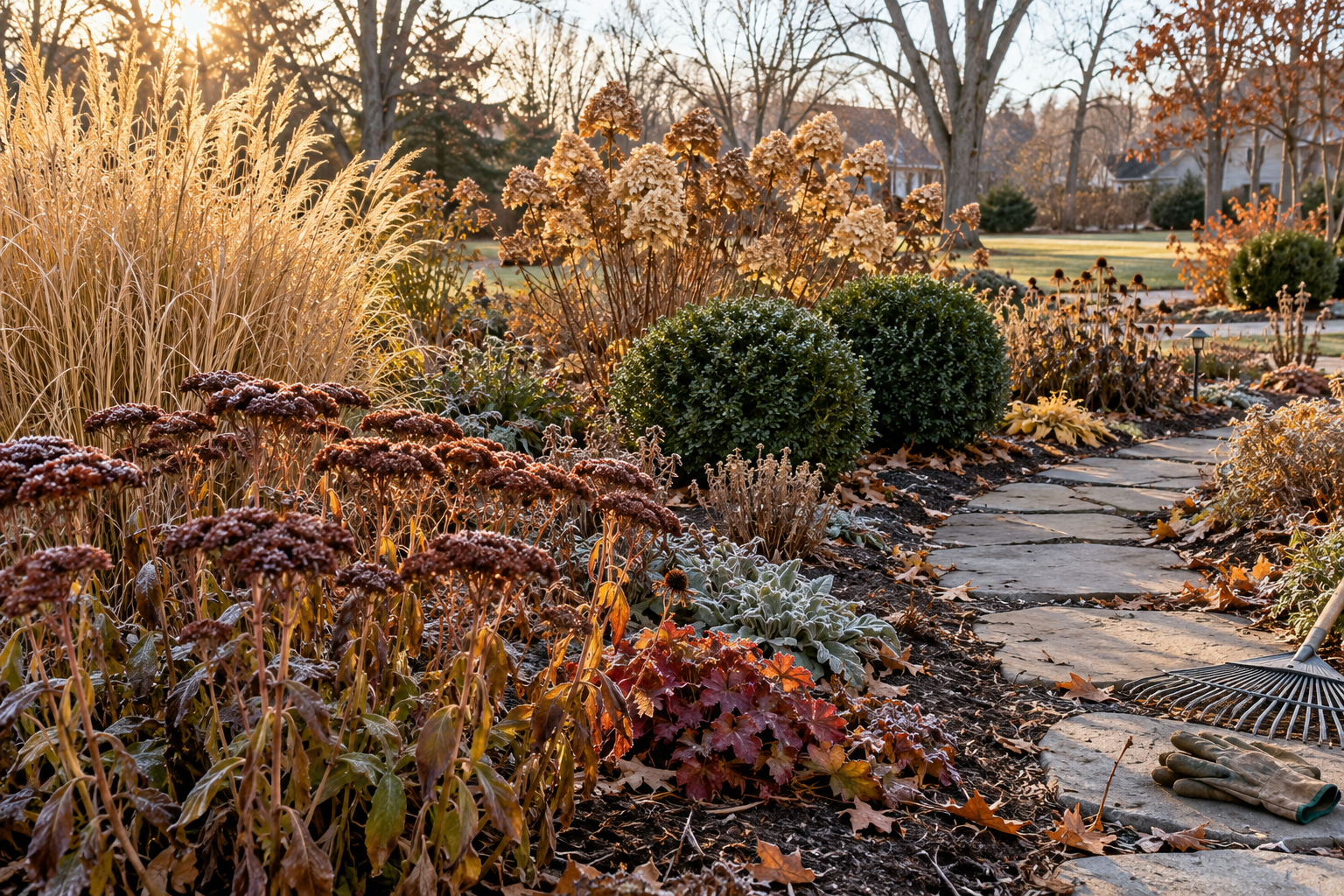
Tall sedum is one of my favorite plants to leave standing. The dried flower heads hold their shape, and I love how they look with frost or snow resting on top.
Summer-blooming alliums can offer interesting seed heads, too, although a heavy snowfall may eventually flatten them. If you leave sedum and alliums standing, plan to remove the old stems early in spring before their new growth gets too far along.
I also leave dried flowers on many of my hydrangeas. Their warm brown and tan tones give me something to look at against the snow.
A plant doesn’t have to be green to be worth keeping in the winter garden. Shape, sturdy stems and dried flowers all contribute.
There’s a practical side to the decision, too. Along my driveway, I cut back plants near the edge because I plow snow there. Some of those same plants stay standing in other beds. What works beside a garden path may not work where snow needs to be pushed.
Clean Up Collapsed Foliage and Disease Problems
Hostas are one plant I make a point of cleaning up in fall. Once a hard frost knocks them down, their leaves turn into a flattened mess. Removing that old foliage also removes places where slugs and other pests can shelter.
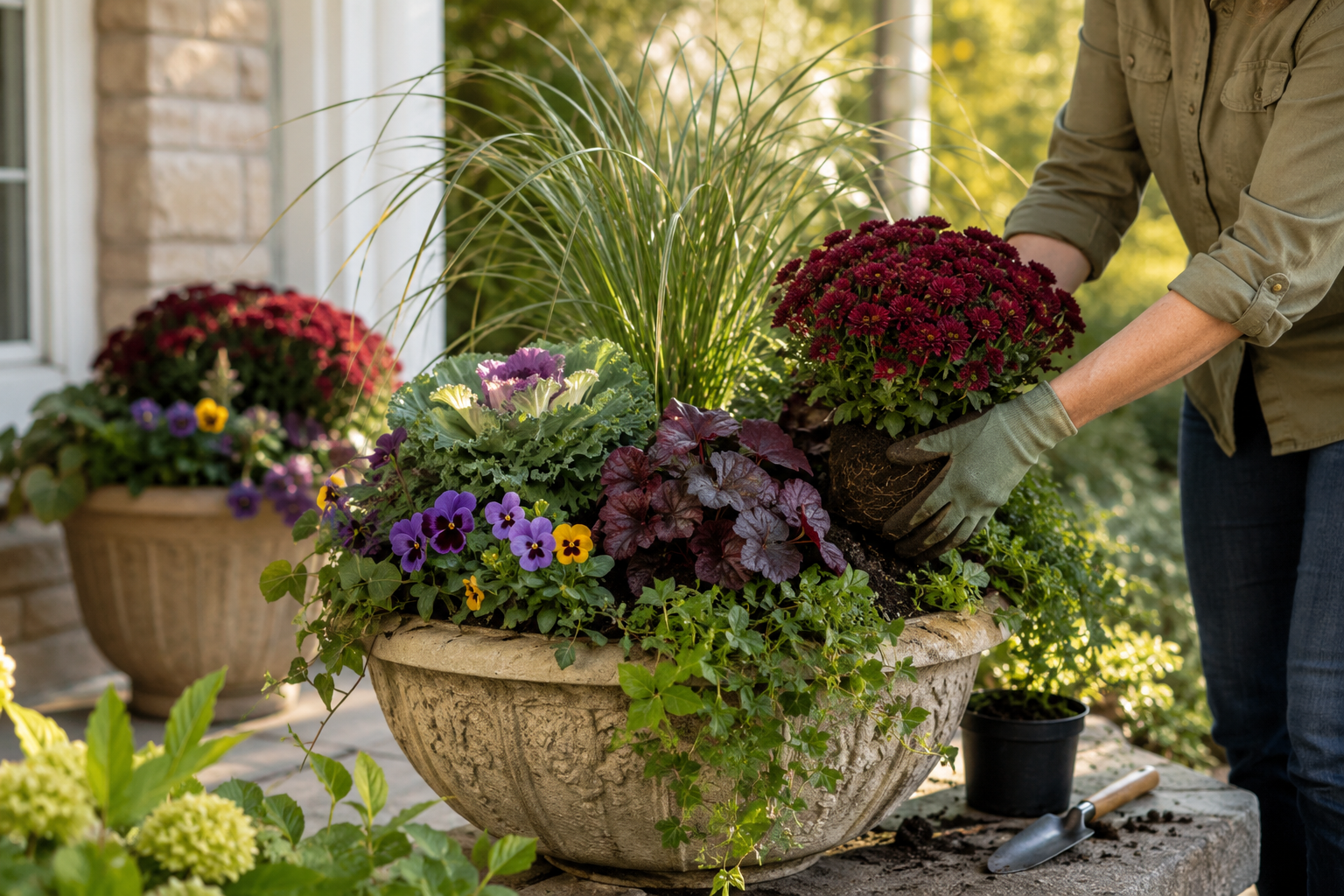
I clear spent annuals from my containers and remove foliage that no longer contributes anything to the bed.
As I work, I watch for disease. Material with powdery mildew or other disease symptoms goes into disposal bags rather than my home compost pile. Healthy garden debris can go to compost.
We explored the benefits of leaving some leaves and stems in One More Good Rake: Fall Garden Cleanup With Pollinators in Mind. You can keep that approach while still cleaning up problem areas and making your garden manageable.
Know Your Hydrangea Before You Prune
Hydrangeas don’t all get the same treatment.
In my sidewalk bed, I leave my oakleaf and mountain hydrangeas alone because they bloom on old wood. Cutting those stems back can mean cutting away next year’s flowers.
My smooth hydrangea blooms on new wood, so I have more flexibility with its pruning. In that particular bed, I cut it back to make cleanup easier and save some flower heads for drying.
Elsewhere, I leave hydrangea flowers standing because I like their winter appearance.
Know which hydrangea you have before reaching for the pruners. A decision that works for one type may cost you blooms on another.
I also leave the foliage on my coral bells and brunnera. In a mild winter, some of it may remain, giving the plants a head start in spring. Then I can remove the damaged or tattered leaves as needed.
Keep Watering on Your List
Before you put the hoses away, check whether your trees and shrubs still need moisture, especially newer plantings and evergreens.
If the soil is dry and the ground remains unfrozen, water as needed. Cooler temperatures reduce demand, so check the soil rather than continuing your summer watering schedule. Adequate moisture going into winter helps plants cope with drying conditions.
I also check mulch before calling a bed finished. Maintain a total layer of about two to four inches around trees and shrubs, keeping it away from trunks and stems. You’re protecting the root area, not burying the plant.
When the watering is finished, drain and disconnect your hoses before freezing weather can damage them or the outdoor plumbing.
Look for What’s Missing
If you’re new to your garden, you may not know yet what will look good through winter. Give yourself a season to find out. Leave healthy plants standing where practical, then pay attention to what holds up and what falls apart.
Go outside after the first snowfall. Look from the windows you use every day, too. Where does the garden still have shape? Where has everything disappeared?
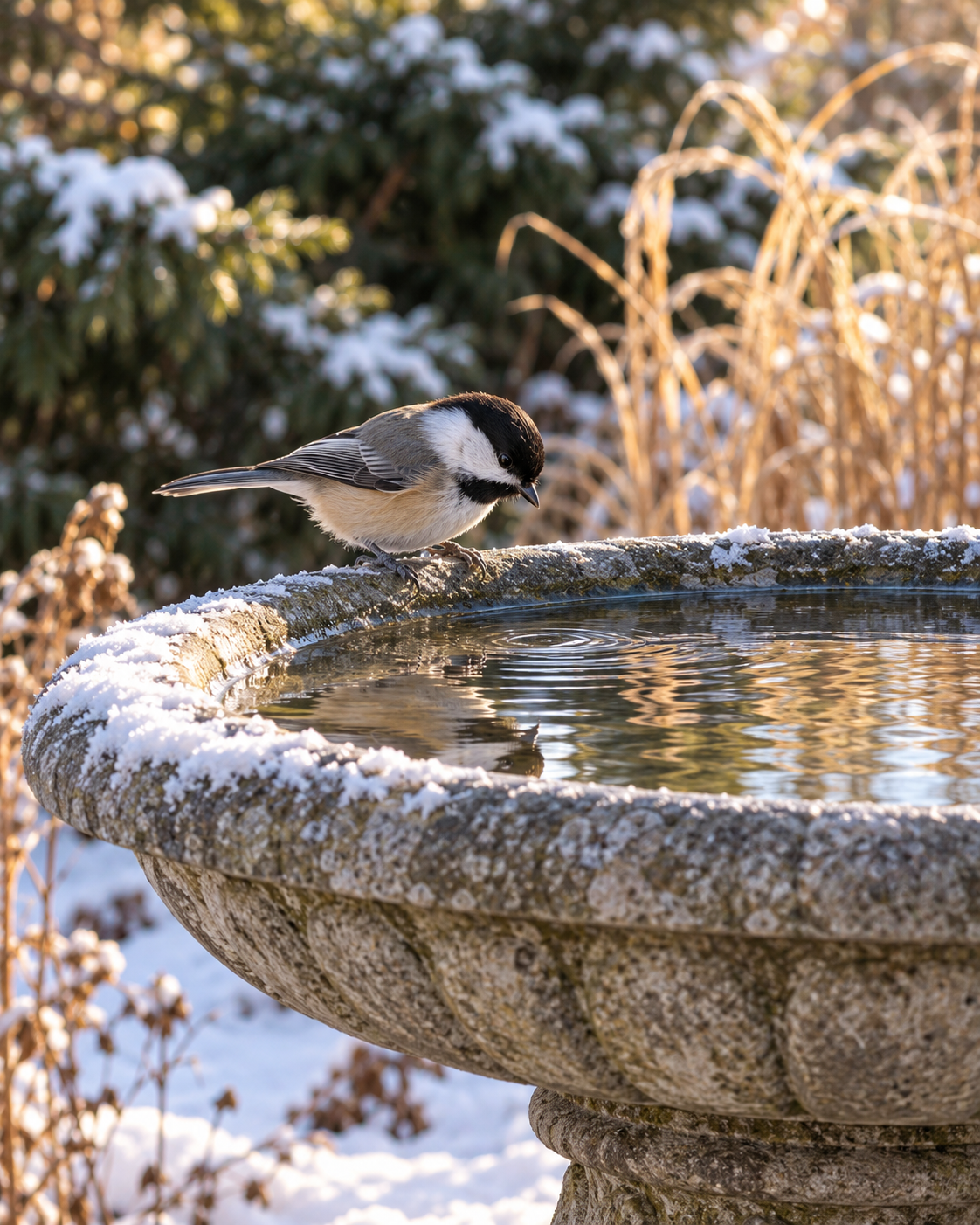
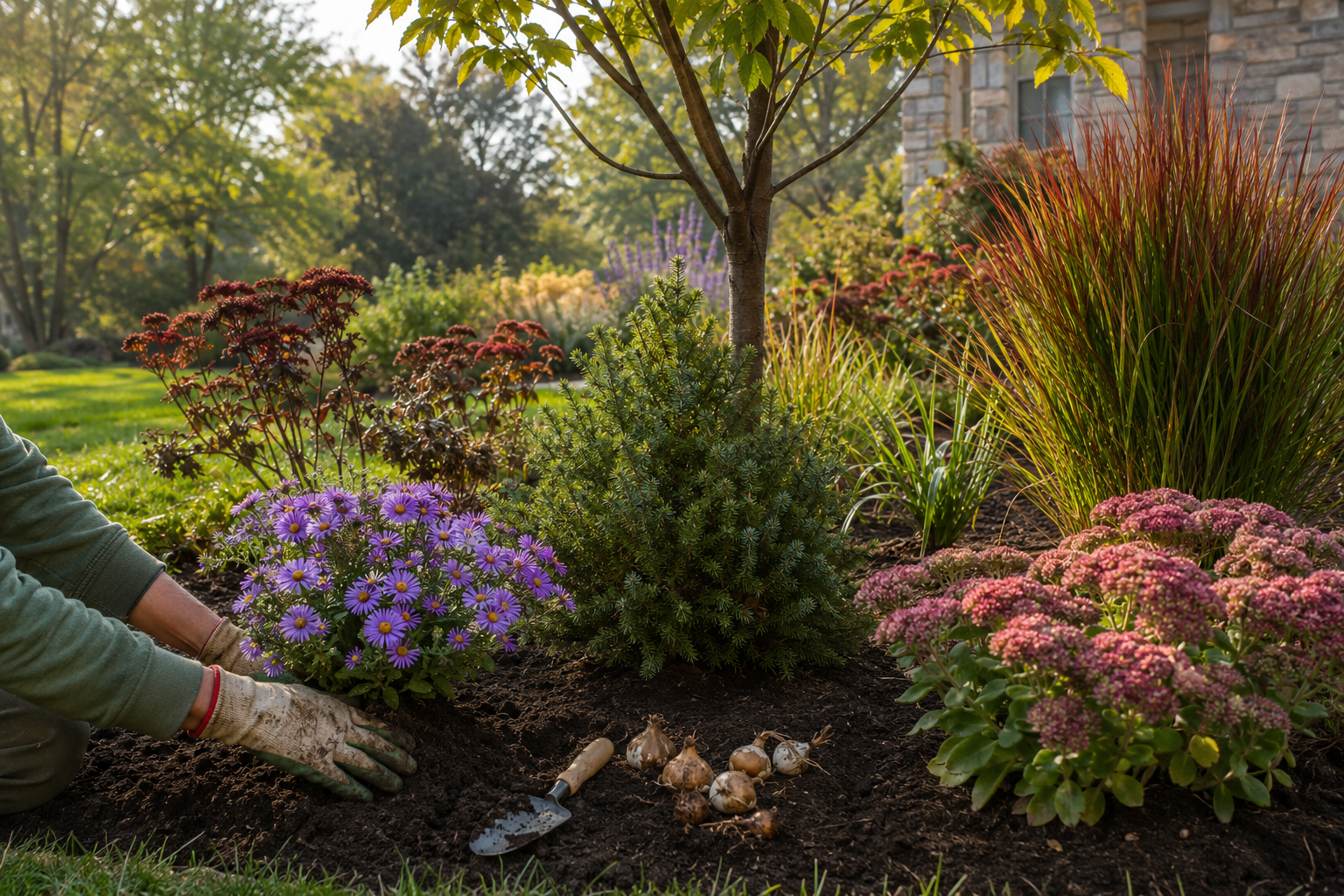
That’s how I realized I needed more evergreen interest in several beds. I added evergreens because I wanted those areas to have something left after the flowers and leaves were gone.
In 10 Plants That Make Your Garden Beautiful Even in Winter, I share favorites from my own garden and the garden center:
- Tall sedum and switchgrass for standing stems and texture. ‘Northwind’ switchgrass is a particular favorite for its upright habit.
- Winterberry holly and ornamental crabapples for colorful fruit. Winterberry needs a compatible male pollinator for female plants to produce berries.
- Red twig dogwood and birch for colorful stems and interesting bark.
- Panicle hydrangeas for dried flowers and branching structure.
- Hellebores and vernal witch hazel for flowers toward the end of winter and into spring, depending on the plant and conditions.
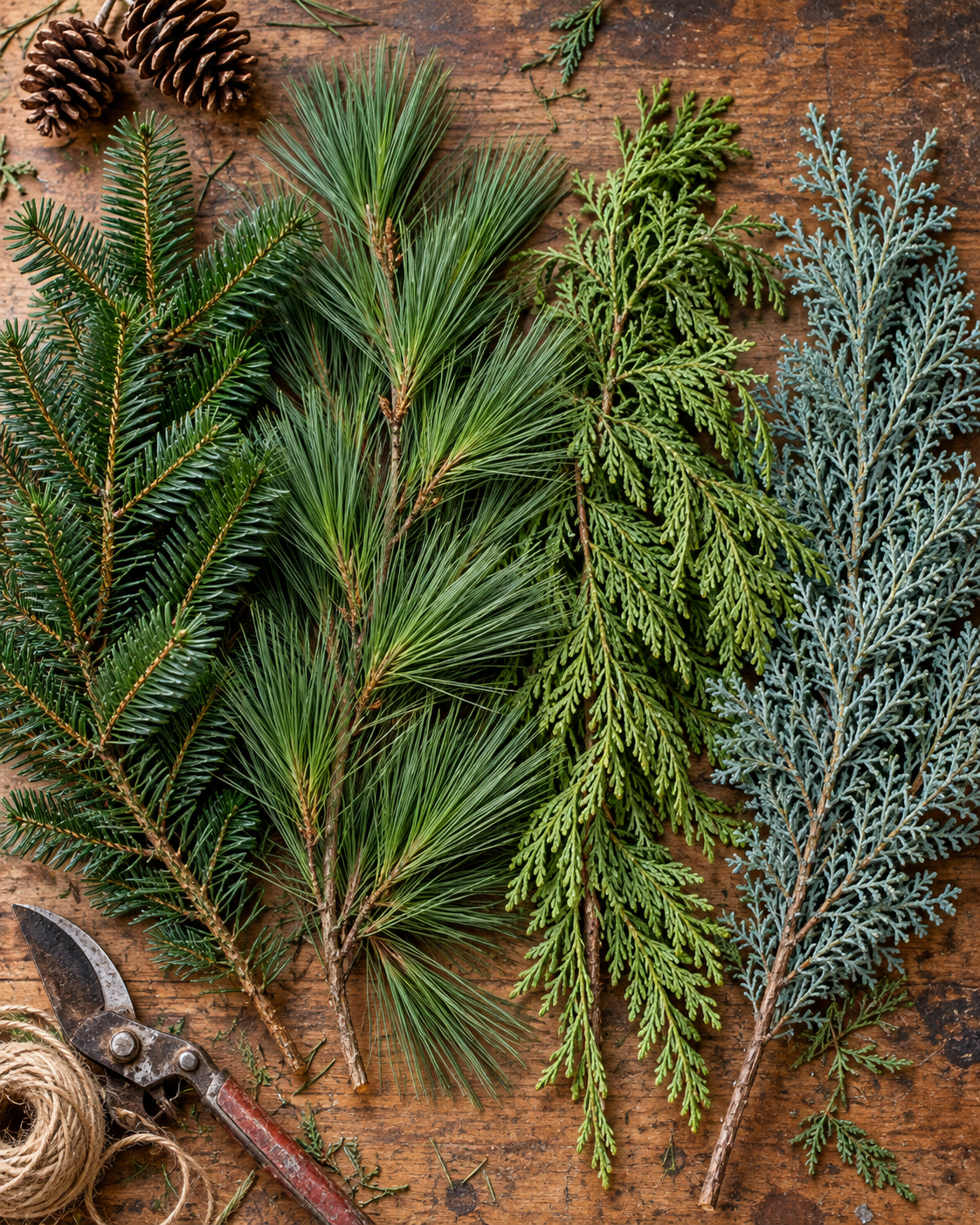
- Evergreens, including arborvitae, boxwoods and weeping conifers, for structure throughout the season.
You don’t need to add all of them. Start by noticing one place where a well-chosen plant could improve the winter view.
A Little at a Time Still Gets It Done
There’s something satisfying about finishing a bed and knowing it’s ready for winter. But ready doesn’t have to mean empty.
Leave the plants you enjoy. Remove the material that needs to go. Check water and mulch, and make a note of what you’d like to change next year.
Come out to The Landscape Connection if you need help identifying a plant, figuring out what to cut back or choosing something for winter interest. Bring a few photos of your beds so we can see what you’re working with.
I’ll be tackling my own garden a little at a time, too. Give your garden some TLC—and leave a little for yourself.

The Landscape Connection
4472 S. Mulford Rd.
Rockford, IL 61109
(815) 874-8733
www.TheLandscapeConnection.net