
One More Good Rake: Fall Garden Cleanup With Pollinators in Mind
Why “less cleanup” is better for your garden — and your back
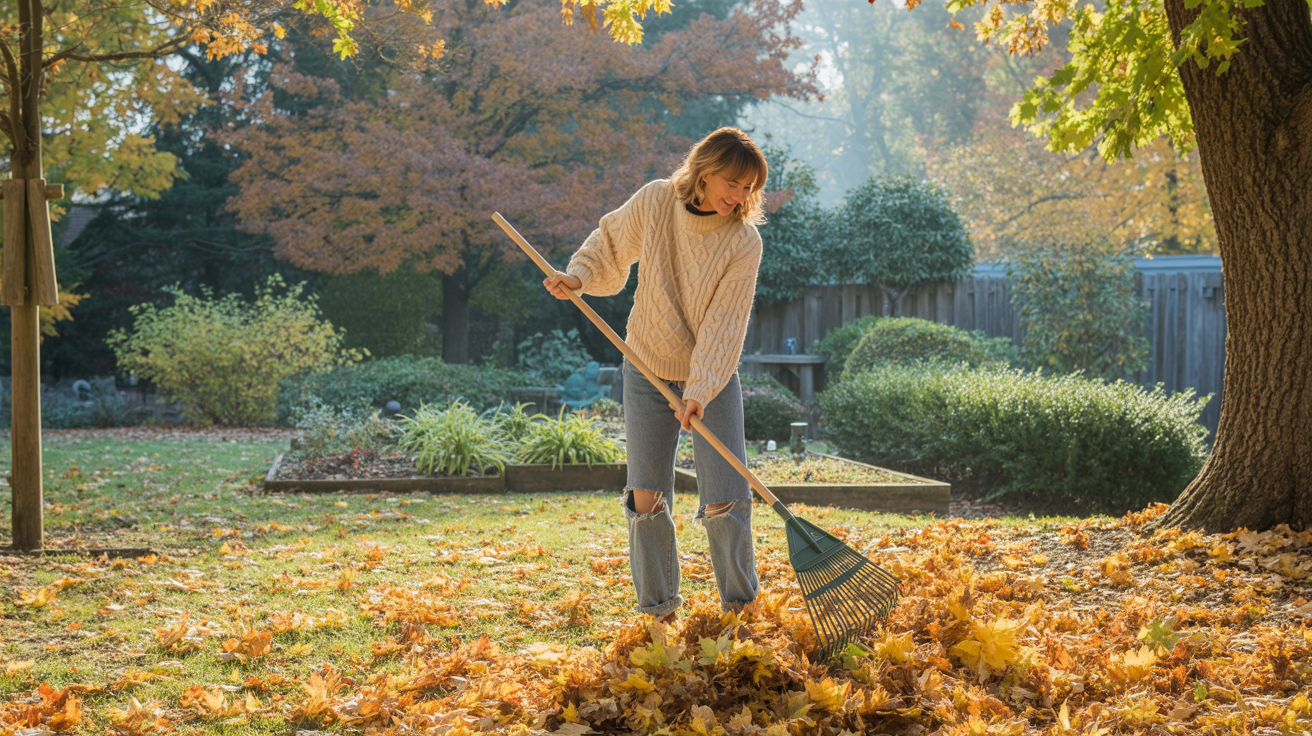
It’s tempting to clear every leaf and stem once the first frost hits — but when we do, we might be tidying away some of our best garden helpers. As Michelle likes to say, “The garden still has work to do — even when it’s resting.”
Here’s how you can give your garden a proper send-off for the season while keeping pollinators, birds, and beneficial insects safe and sound.
🍂 Leave Some Leaves
You don’t have to rake every inch of the yard! Pile some leaves under shrubs or in the corners of your landscape. Those layers act as natural insulation — a cozy winter blanket for overwintering butterflies, native bees, and even frogs.
Butterflies often spend the winter tucked in chrysalises attached to stems. Native bees may hibernate inside hollow stalks, and seed-eating birds love scavenging among coneflowers and milkweed pods.
The only place to be a little tidier? Your lawn. Keep leaves from covering more than 20% of your turf so the grass can breathe and avoid mold or rodent damage. Mulch them with your mower instead — your soil will thank you come spring.
🌿Don’t Cut Everything Back
Those dried stems and seed heads add more than winter texture — they’re life support for wildlife. Coneflowers, rudbeckia, sedums, and grasses feed birds and shelter pollinators.
Instead of cutting everything down, try leaving some plants standing until early spring. You can always designate a “neat” section and a “wild” one. If you do trim, focus on plants that harbor pests, like irises or peonies, and dispose of any diseased material.
🪵Compost What You Can
If you haven’t started composting, fall is the perfect time. Gather leaves, stems, and vegetable remnants to make your own nutrient-rich soil amendment for next year. Alternate “brown” (leaves, straw) and “green” (grass clippings, kitchen scraps) layers to get things cooking.
💧
Unhook and Store Hoses
Before the hard freezes arrive, take a few minutes to unhook your garden hoses, drain any remaining water, and coil them neatly in a shed or garage. Leaving them attached can lead to cracked fittings or frozen outdoor spigots — a small task now that saves big headaches later. While you’re at it, turn off outdoor faucets and cover them for extra protection.
🐦
Help the Birds and Bugs
Create small brush piles from your fall pruning — you’ll be amazed how quickly birds, toads, and small mammals find them. Keep your feeders full, clean your birdbaths, and add a heated water source if possible.
Native shrubs like winterberry and viburnum not only brighten the landscape but also offer berries and shelter through the coldest months.
🌾
Leave the Lawn Long
Before putting the mower away, give your lawn one final cut — but not too short. Leaving grass a little longer protects beneficial insects that burrow into the soil and cushions the turf from winter damage.
If you mulch leaves into your grass, it’ll feed the soil and reduce weed germination in spring. A neat edge and gentle mow can make your “messy” garden look beautifully intentional.
By softening your cleanup routine, you’re giving your garden a head start on next year’s health — and a helping hand to the creatures that keep it thriving.
So grab that rake, make a few tidy piles, then pour yourself a mug of something warm. The pollinators will take it from here.
🌿
Come Connect With Us
The Landscape Connection
4472 S. Mulford Rd.
Rockford, IL 61109
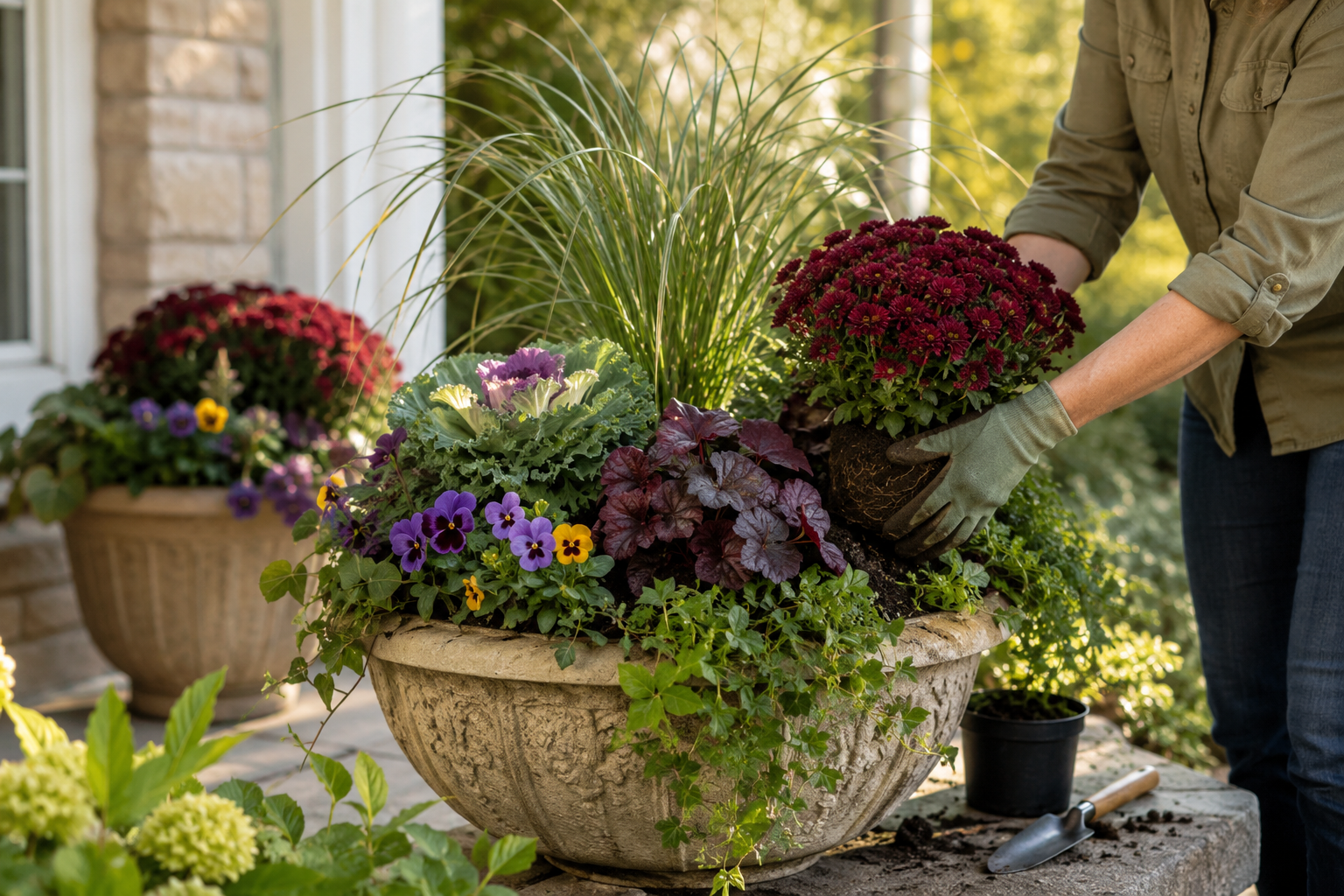
Refresh summer containers for fall with mums, pansies, kale, grasses and other cool-season favorites suited to Northern Illinois gardens.
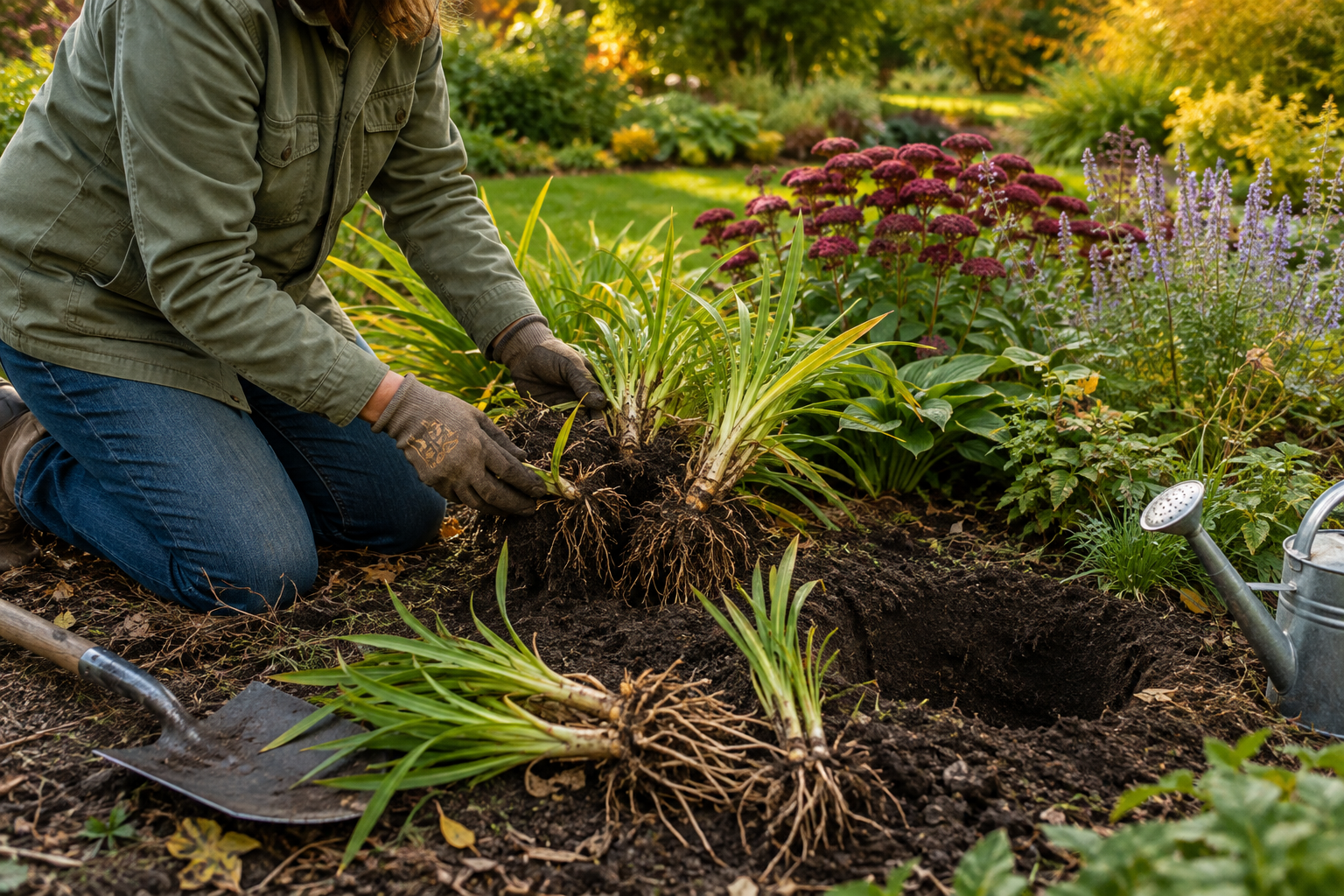
Learn when and how to divide and transplant perennials in fall, which plants to move and how to help them settle into a Zone 5 garden.
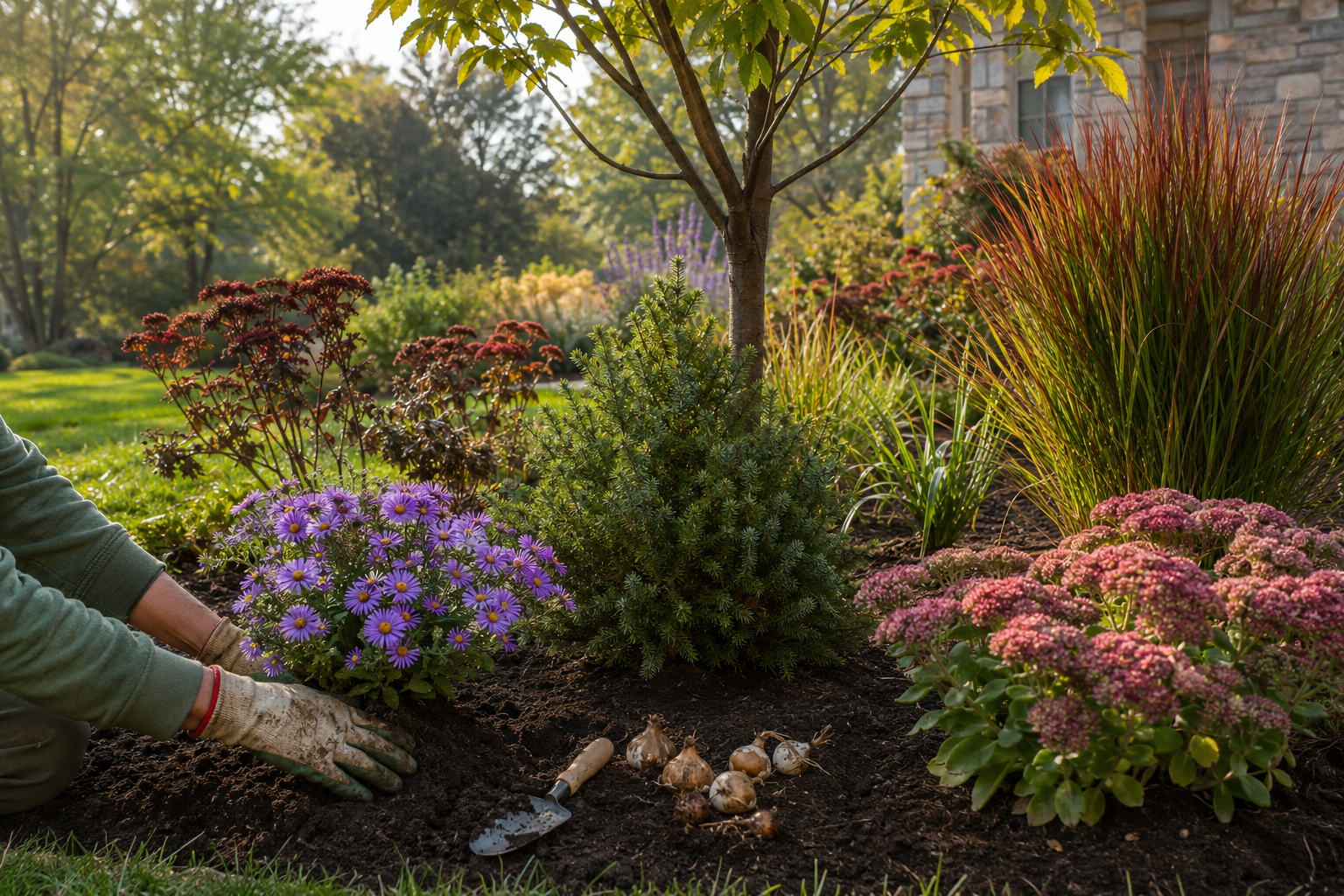
Discover why September is ideal for planting trees, shrubs, perennials and bulbs in Zone 5, plus easy tips for successful fall planting.
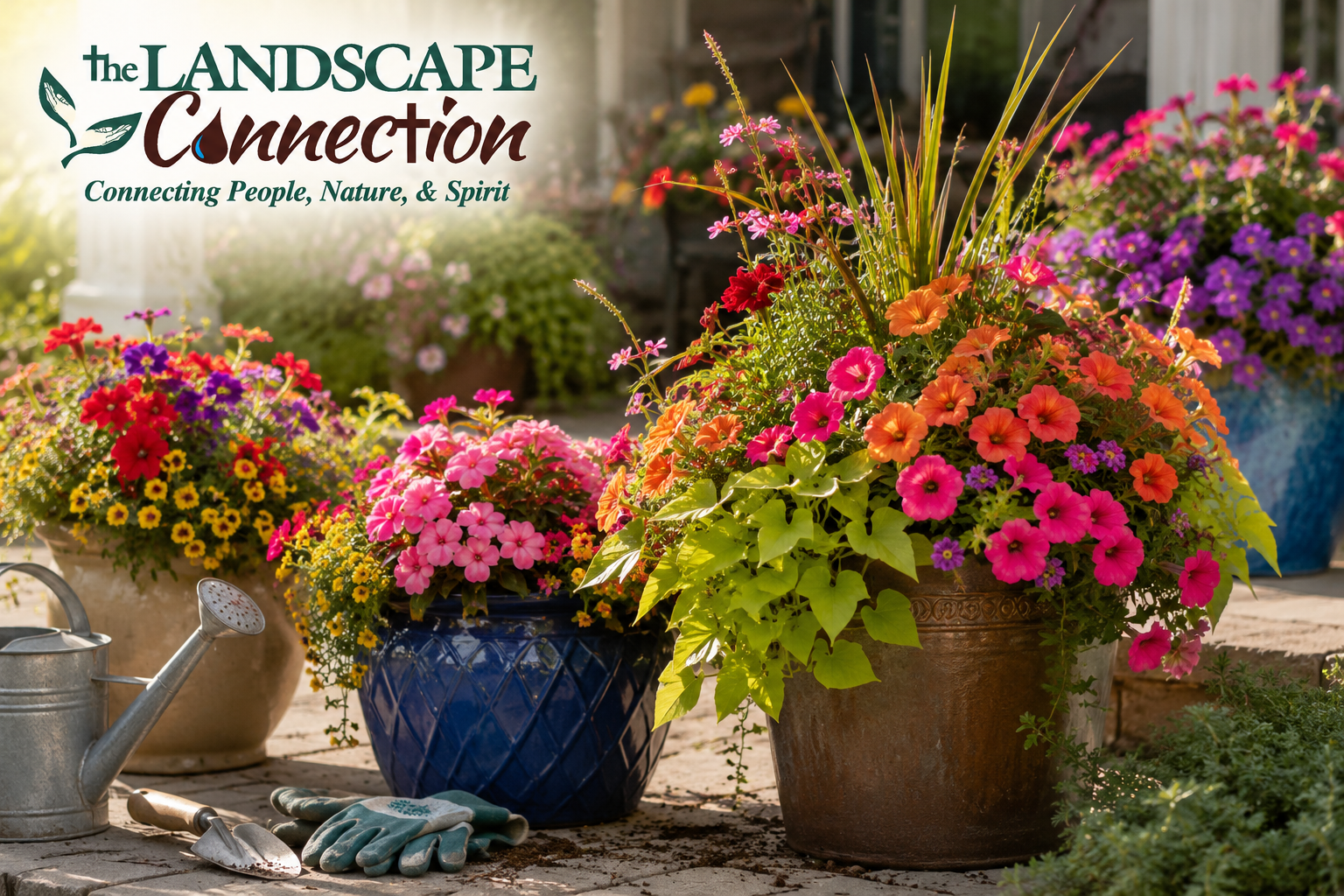
Refresh a tired August garden with simple tips for annuals, containers and fading plants while enjoying the second half of the Zone 5 season.
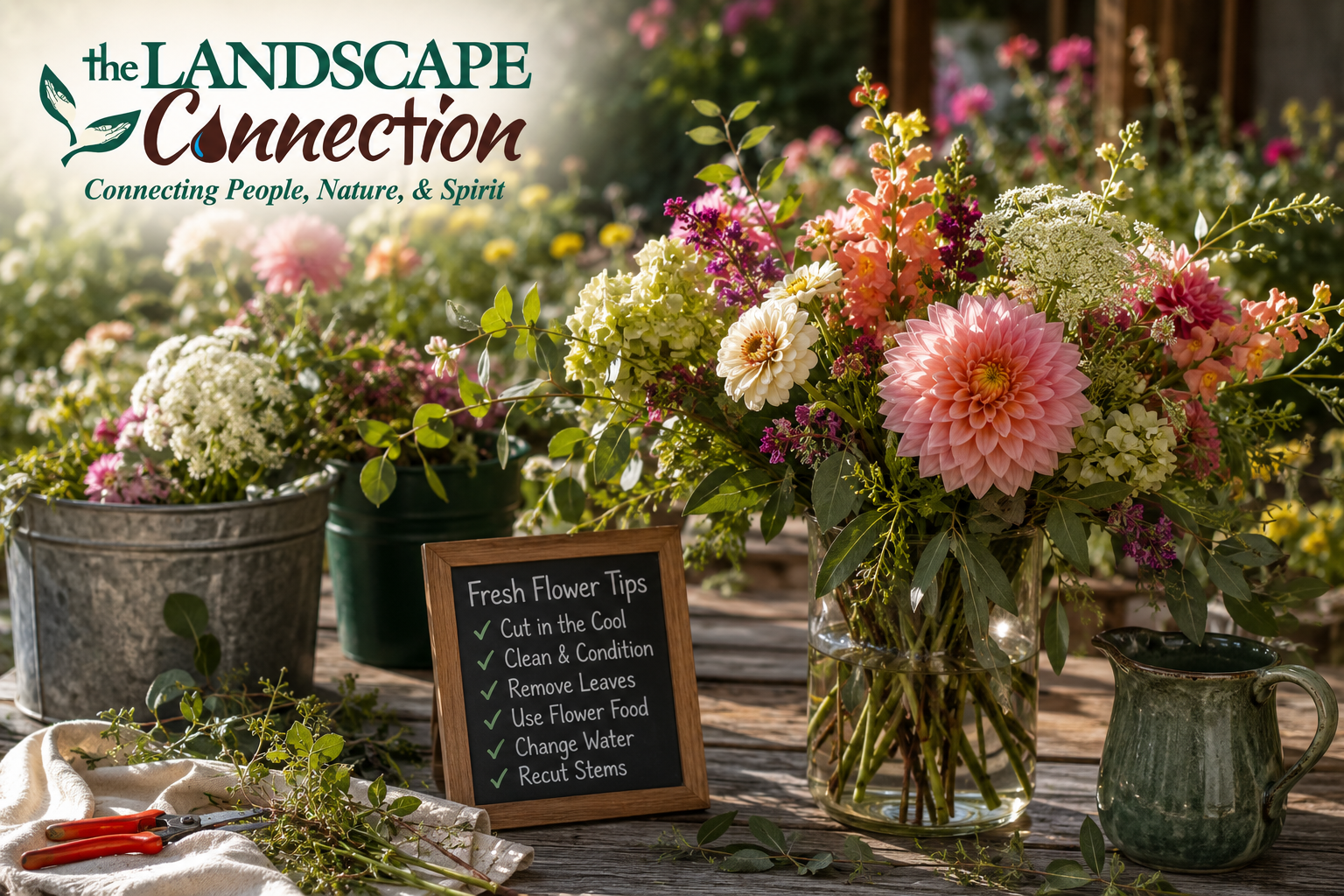
Learn how to cut, condition and care for fresh flowers so garden bouquets stay beautiful longer, from harvest time to fresh vase water.
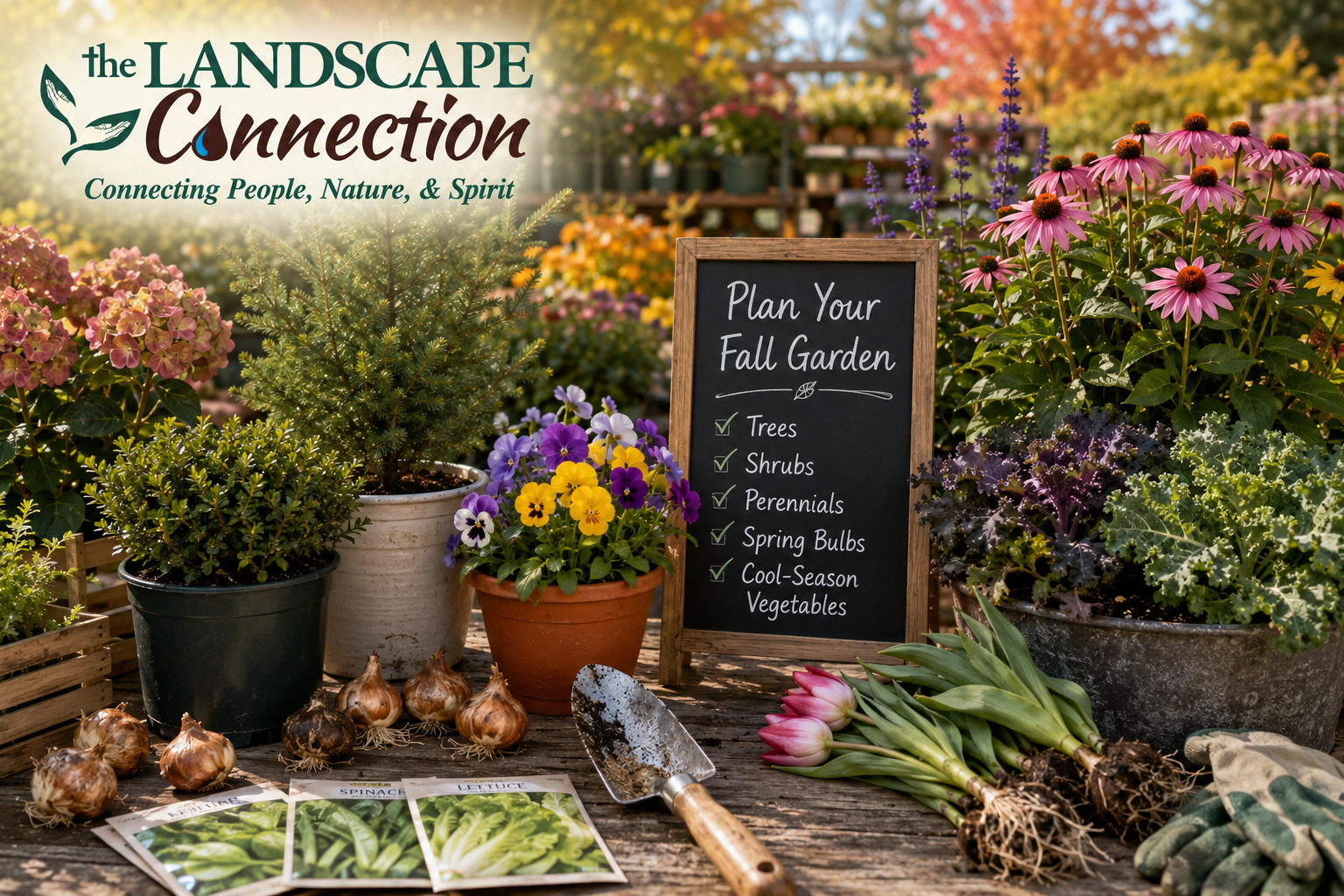
Start planning what to plant this fall in Zone 5, including trees, shrubs, perennials, spring bulbs and cool-season vegetables.
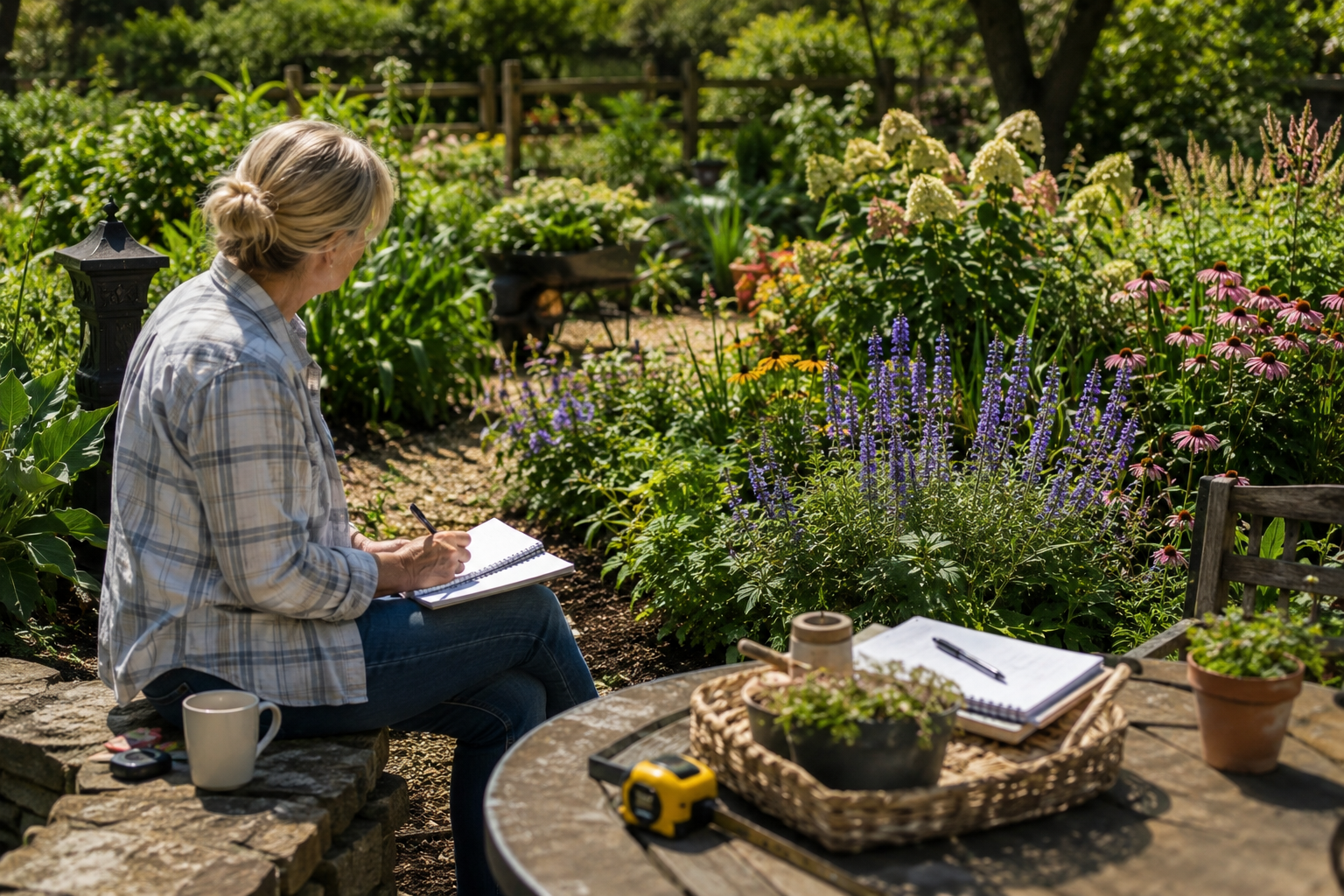
Plan a better Zone 5 garden by evaluating August color, empty spaces, plant performance and companion needs before fall planting begins.
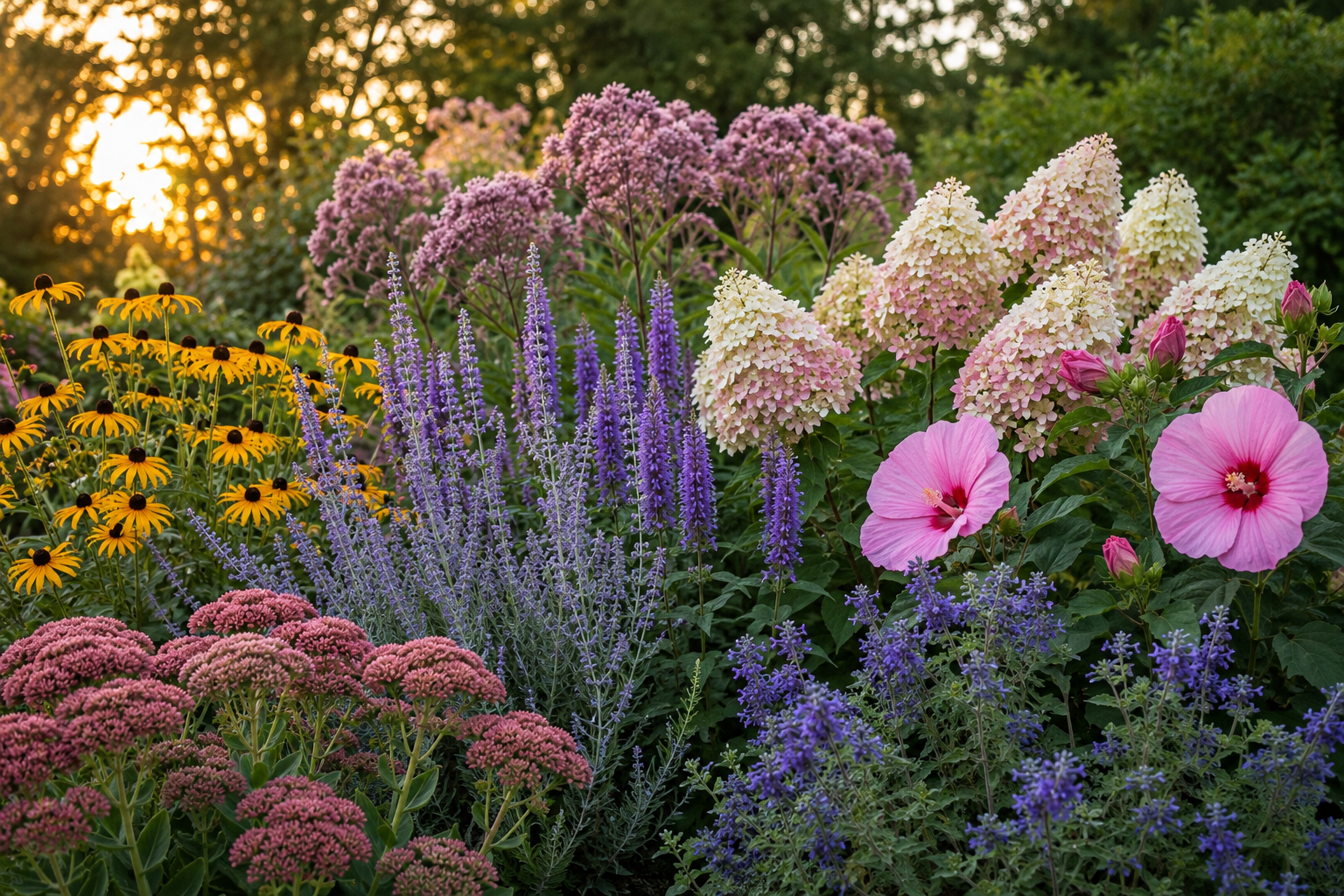
Discover eight plants that bring dependable late-summer color to Zone 5 gardens, from Black-eyed Susan and sedum to hydrangeas and hibiscus.
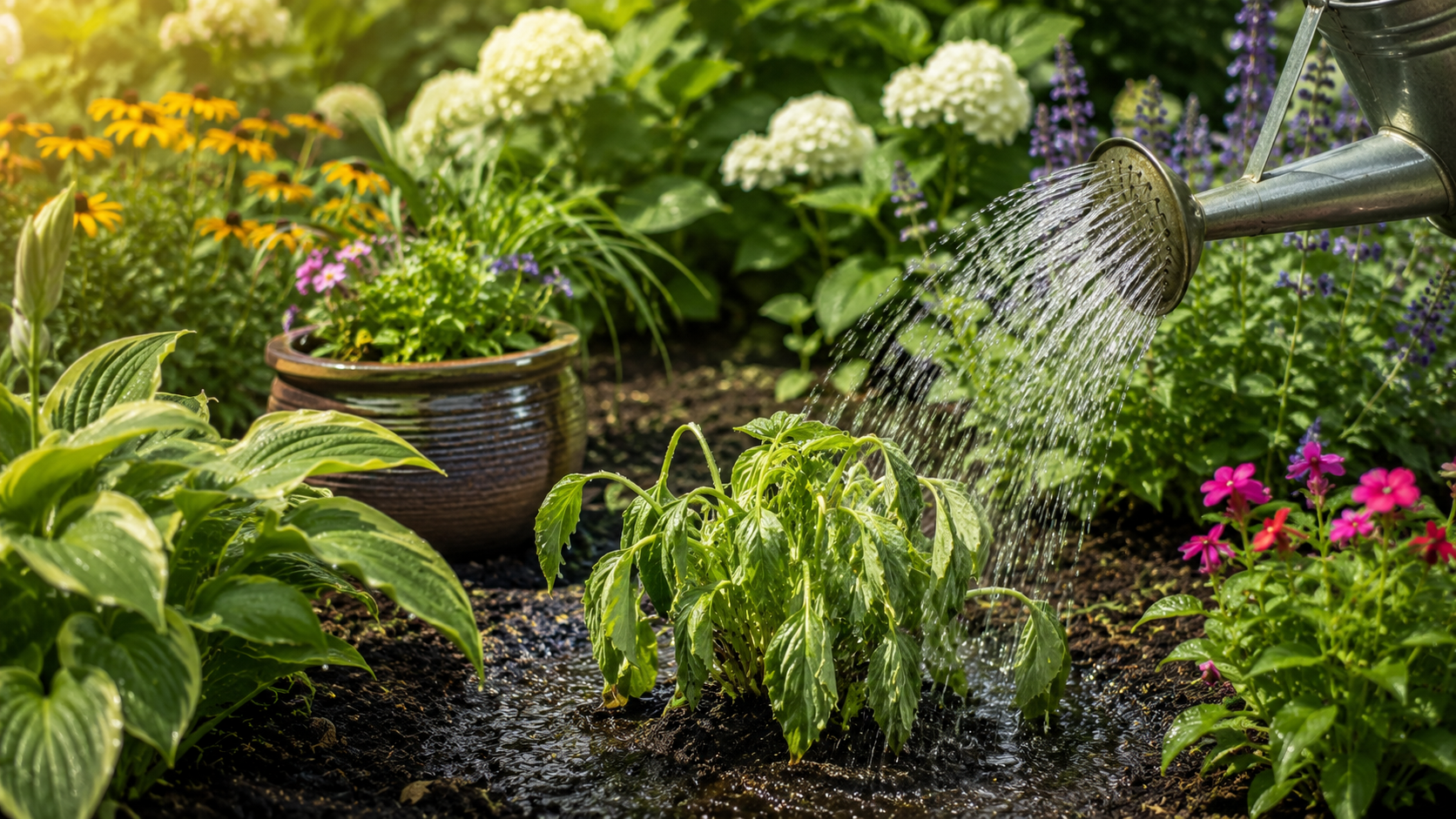
Learn how to tell the difference between heat stress and drought stress, plus proper watering tips to keep your garden healthy all summer.
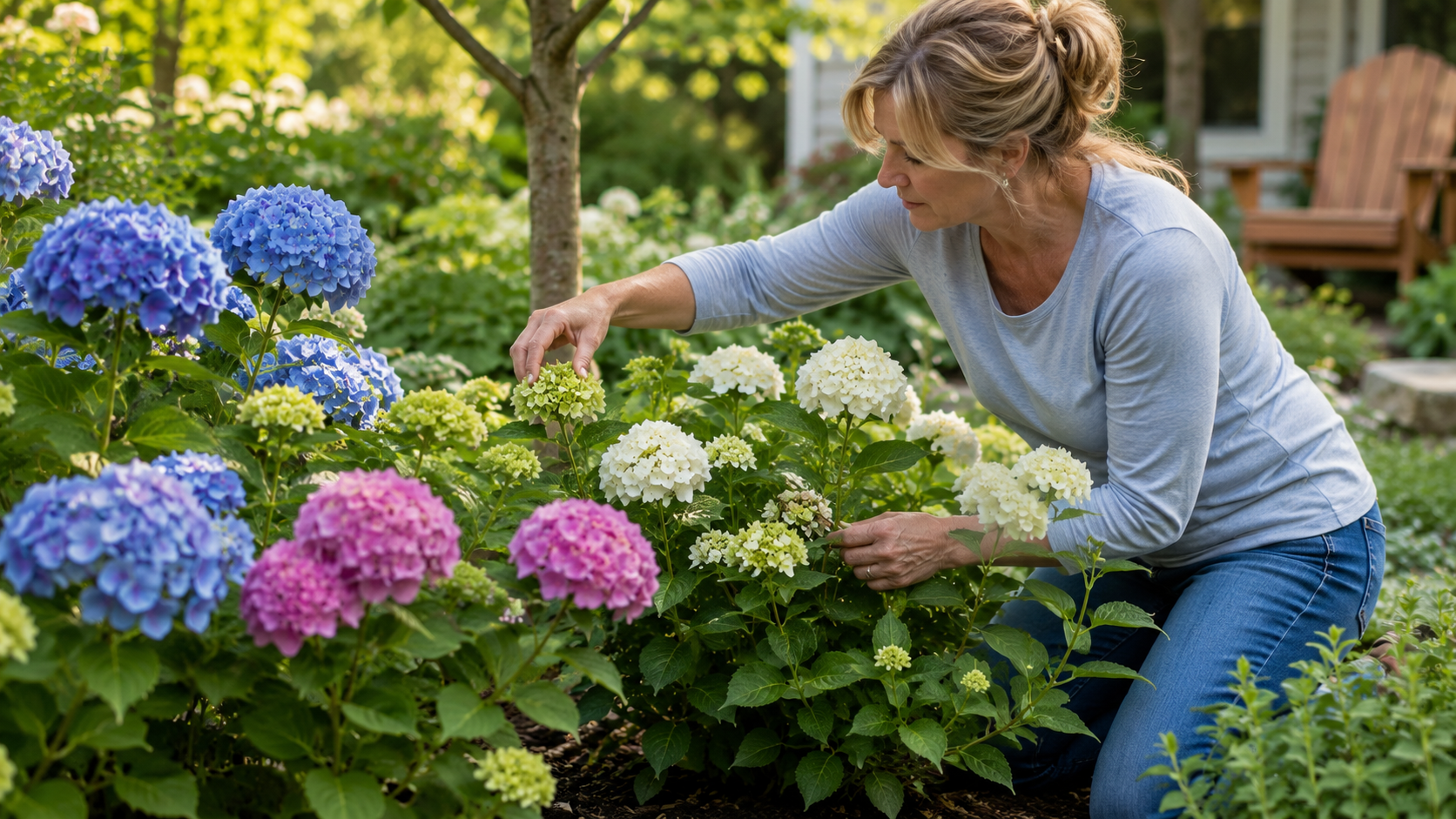
Learn why your hydrangea isn't blooming, including pruning mistakes, old wood vs. new wood, winter damage, shade, and fertilizer tips.
