
Perennial Seeds to Plant in October
Take Advantage of Winter’s Natural Stratification
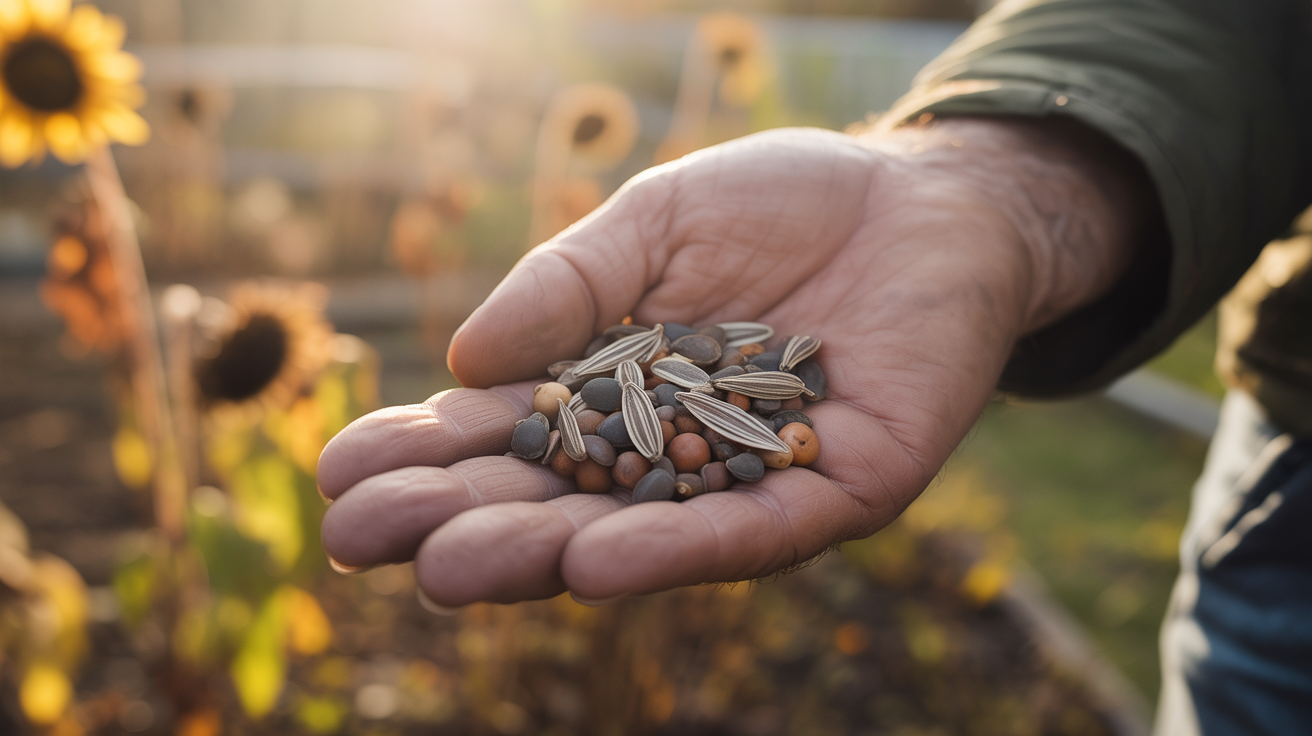
October is the perfect time to sow perennial flower seeds in our Zone 5 gardens. While annuals finish up for the season, perennials take advantage of fall’s natural conditions. By planting now, you let winter’s freeze–thaw cycles provide the cold stratification these seeds need to germinate. They’ll lie dormant through the cold months, sprout in spring, and establish strong roots for years of blooms.
Why plant perennials in the fall here in Zone 5?
- Natural cold stratification: Winter does the work for you, breaking seed dormancy.
- Early root development: Fall-sown seeds root quietly under the soil, ready to burst in spring.
- Faster maturity: These plants often bloom a year earlier than those planted in spring.
- Low effort: No need to refrigerate seeds or start them under lights indoors—just sow and let nature handle the process.
Here are some great perennial choices for fall sowing in Northern Illinois, with notes on why they deserve a spot in your garden:
- Coneflower (Echinacea): Easy to grow, attracts pollinators, and adds bold color.
- Black-eyed Susan (Rudbeckia): Bright, cheerful flowers that thrive in sunny spots.
- Columbine (Aquilegia): Delicate, nodding blooms that prefer cooler conditions and partial shade.
- Lupine (Lupinus): Striking flower spikes that shine in sandy or well-drained soil.
- Blanket Flower (Gaillardia): A tough, heat- and drought-tolerant choice with nonstop color.
- Yarrow (Achillea): Feathery foliage and long-lasting blooms, perfect for cut flowers.
- Salvia: Reliable, pollinator-friendly blooms that thrive in sunny borders.
How to plant: Prepare a bed with loosened soil and scatter seeds evenly. Press them gently into the soil surface (don’t bury too deeply). Water once, then let fall rains and snow take care of the rest. Adding a thin layer of mulch helps insulate seeds while still allowing light and moisture through.
Come spring, you’ll see hardy seedlings emerging—plants that will grow stronger, flower earlier, and return for years to come. It’s one of the simplest, most rewarding October garden tasks.
The Landscape Connection
4472 S. Mulford Rd.
Rockford, IL 61109
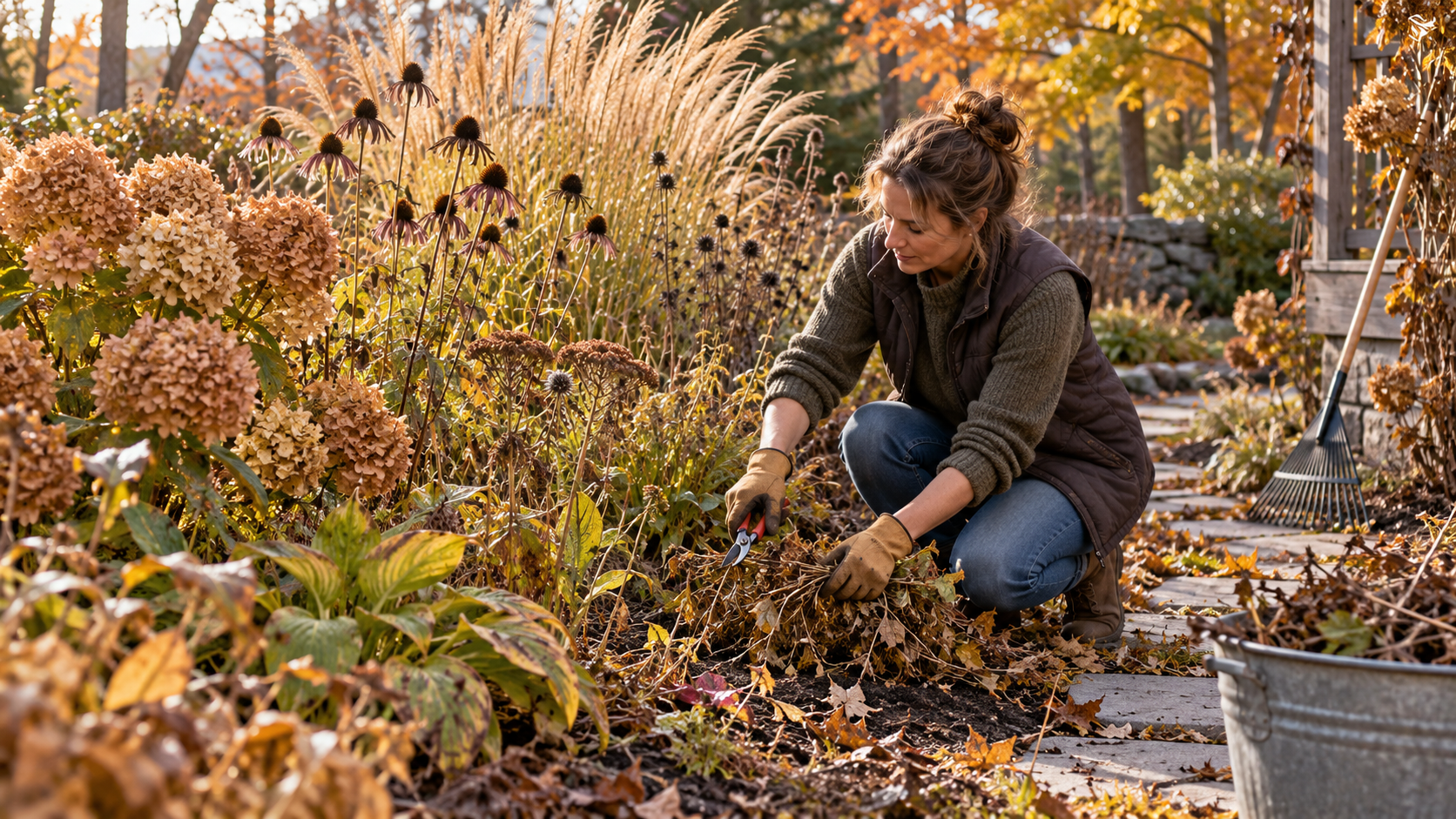
Learn what to cut back and what to leave standing during fall garden cleanup in Zone 5, plus tips for healthier beds, birds and beneficial insects.
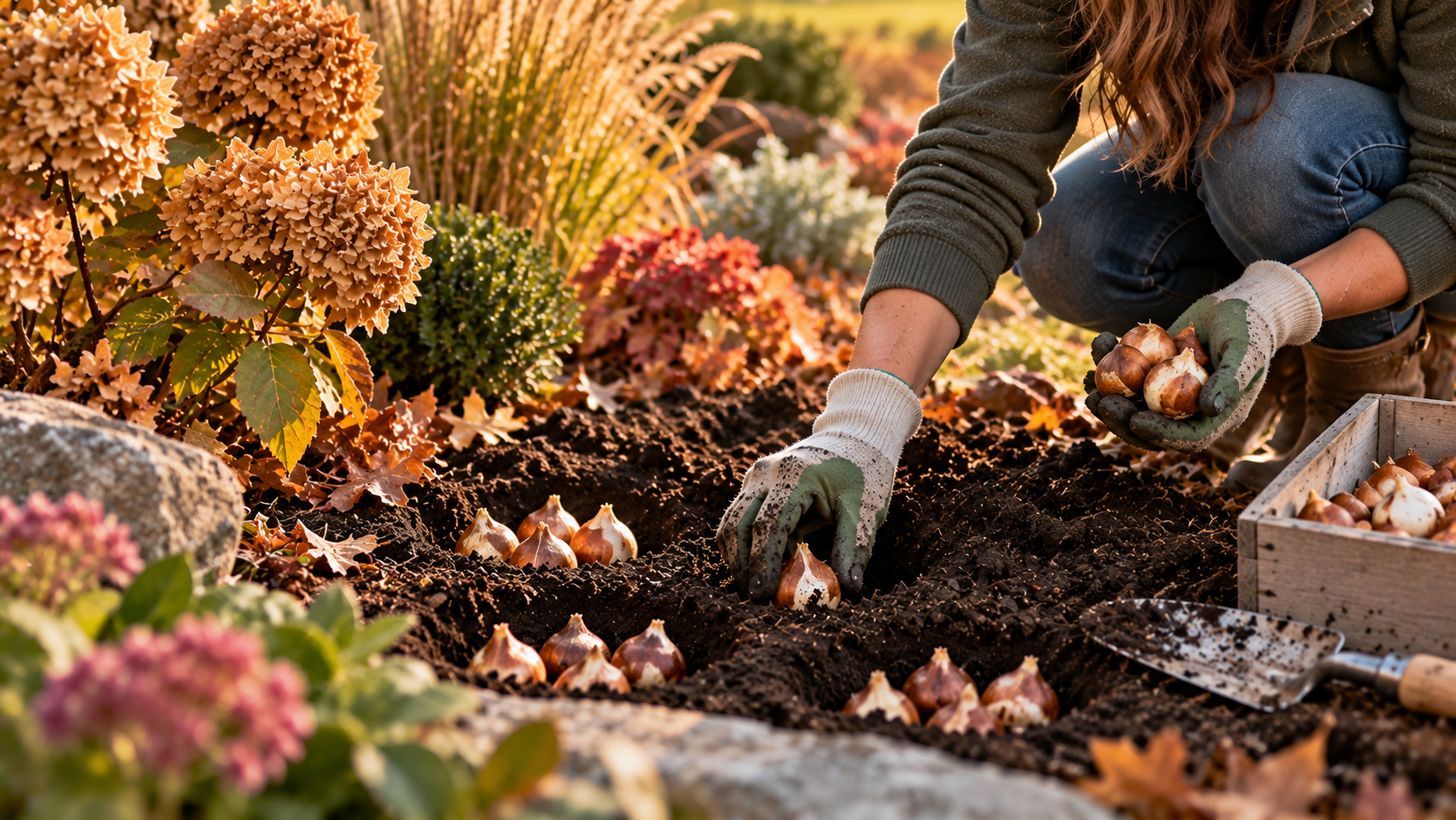
Plant spring-flowering bulbs this fall in Zone 5. Michelle shares tips for planting tulips, daffodils and alliums for beautiful spring color.
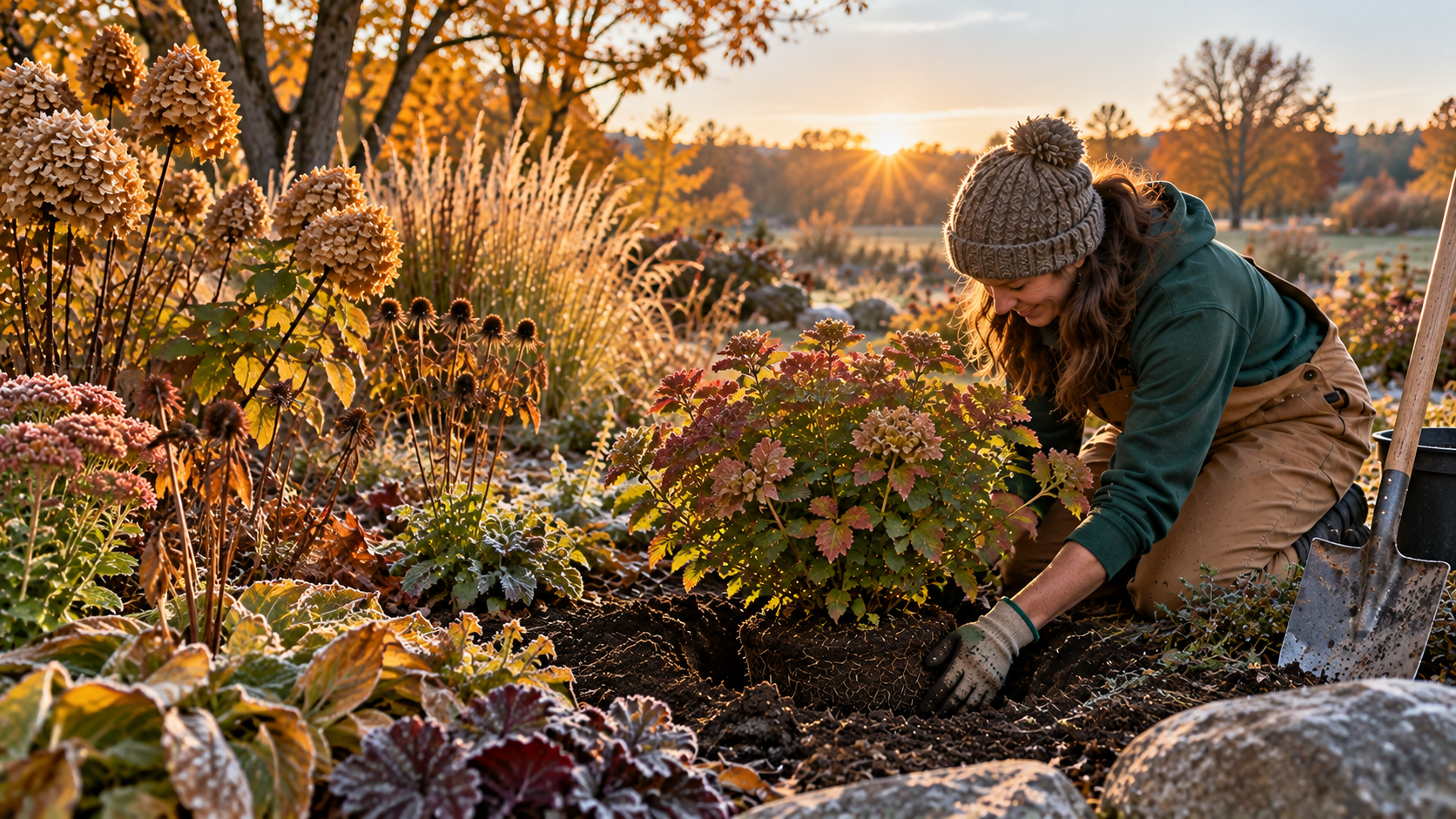
Is it too late to plant in October? Michelle explains fall planting in Zone 5, frost vs. frozen ground, and what Rockford gardeners can still plant.
Short-Tail SEO Keywords
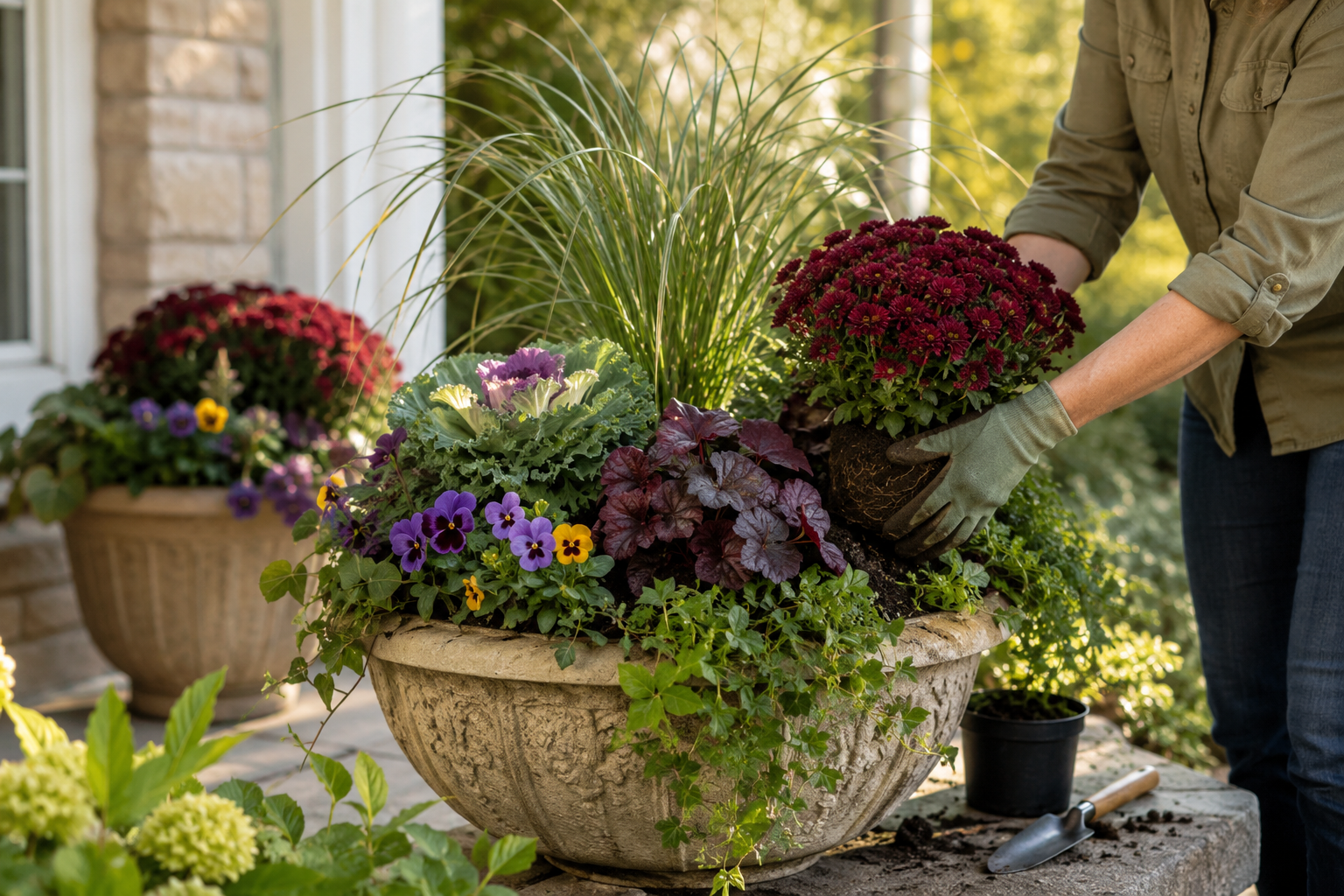
Refresh summer containers for fall with mums, pansies, kale, grasses and other cool-season favorites suited to Northern Illinois gardens.
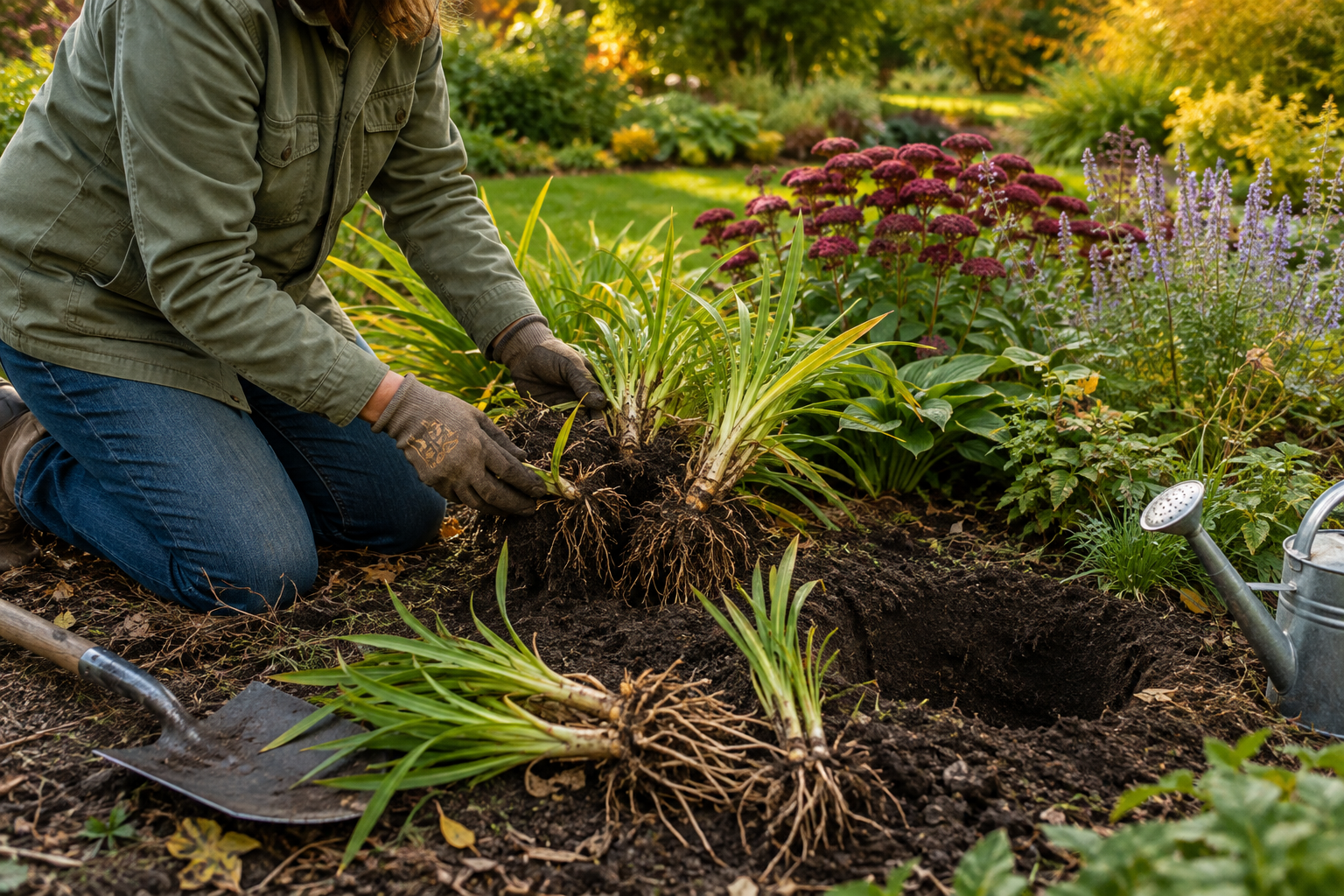
Learn when and how to divide and transplant perennials in fall, which plants to move and how to help them settle into a Zone 5 garden.
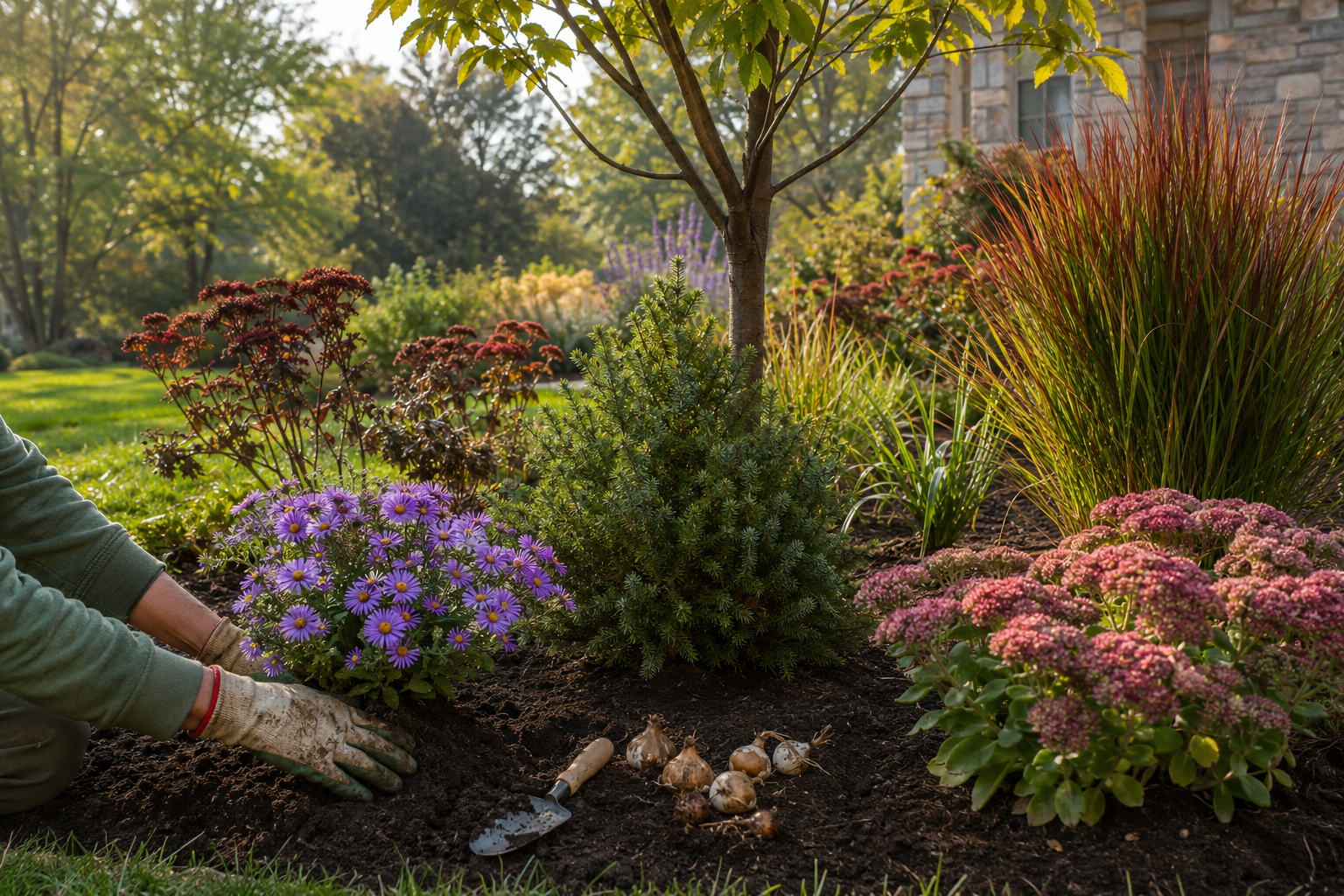
Discover why September is ideal for planting trees, shrubs, perennials and bulbs in Zone 5, plus easy tips for successful fall planting.
Refresh a tired August garden with simple tips for annuals, containers and fading plants while enjoying the second half of the Zone 5 season.
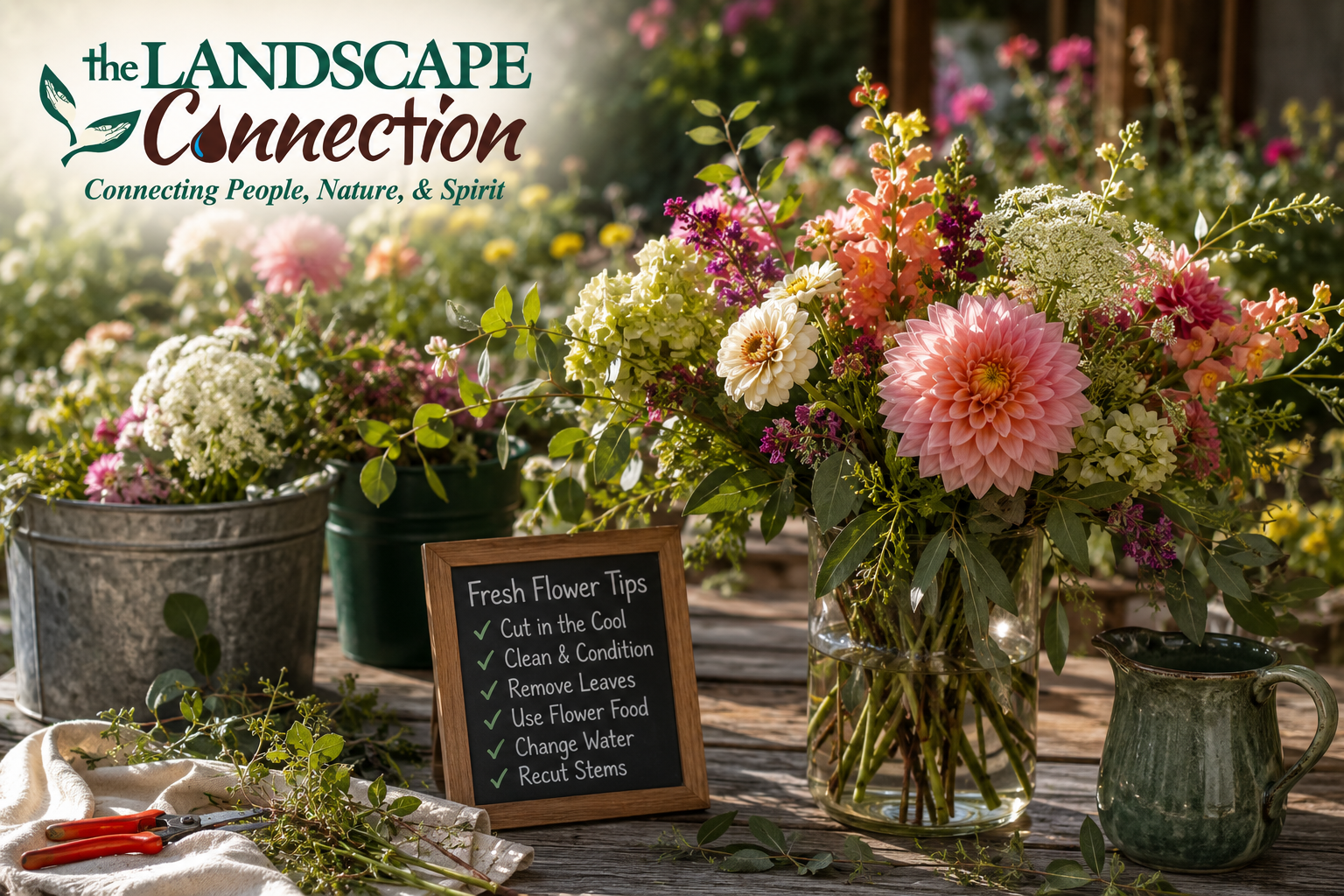
Learn how to cut, condition and care for fresh flowers so garden bouquets stay beautiful longer, from harvest time to fresh vase water.
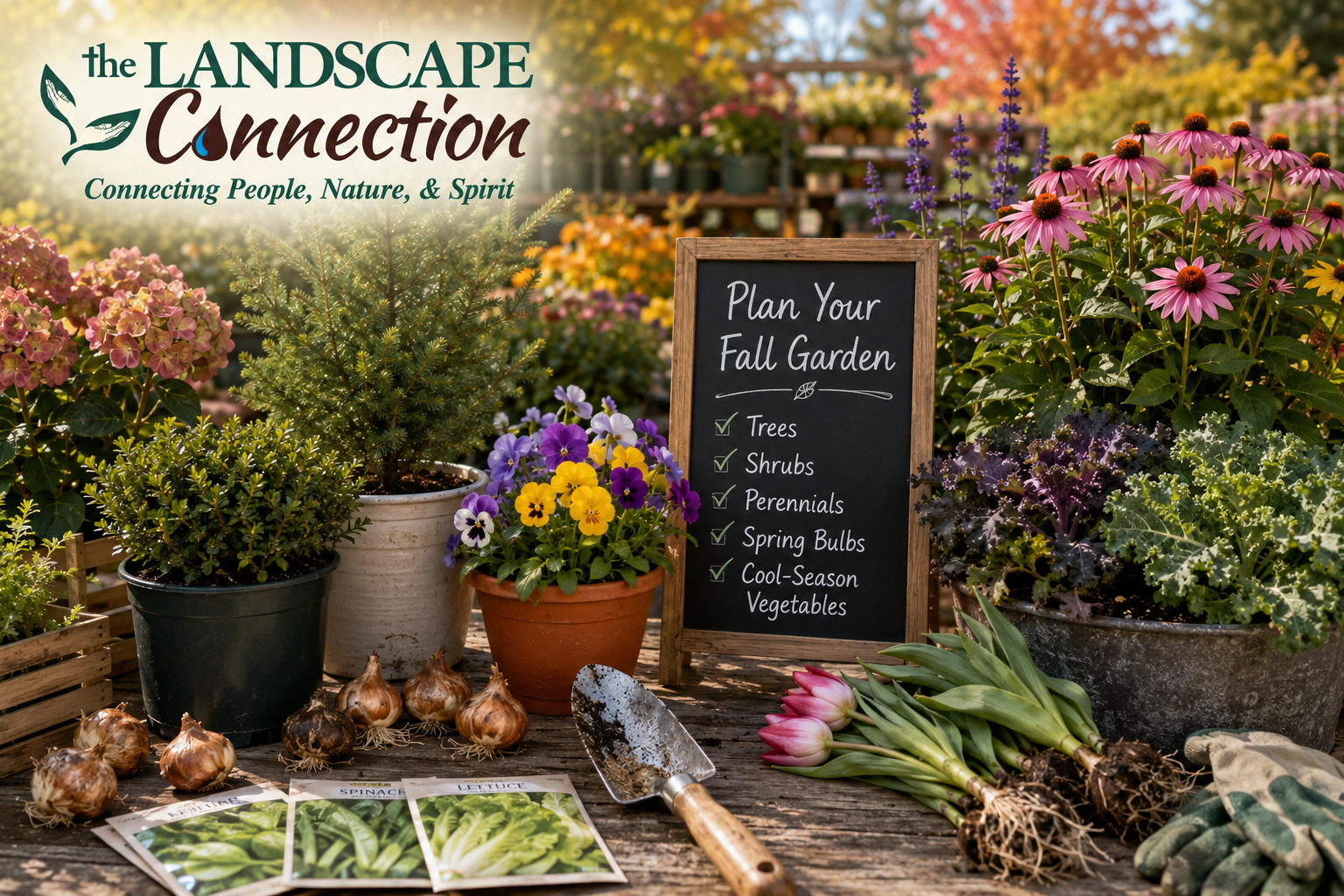
Start planning what to plant this fall in Zone 5, including trees, shrubs, perennials, spring bulbs and cool-season vegetables.
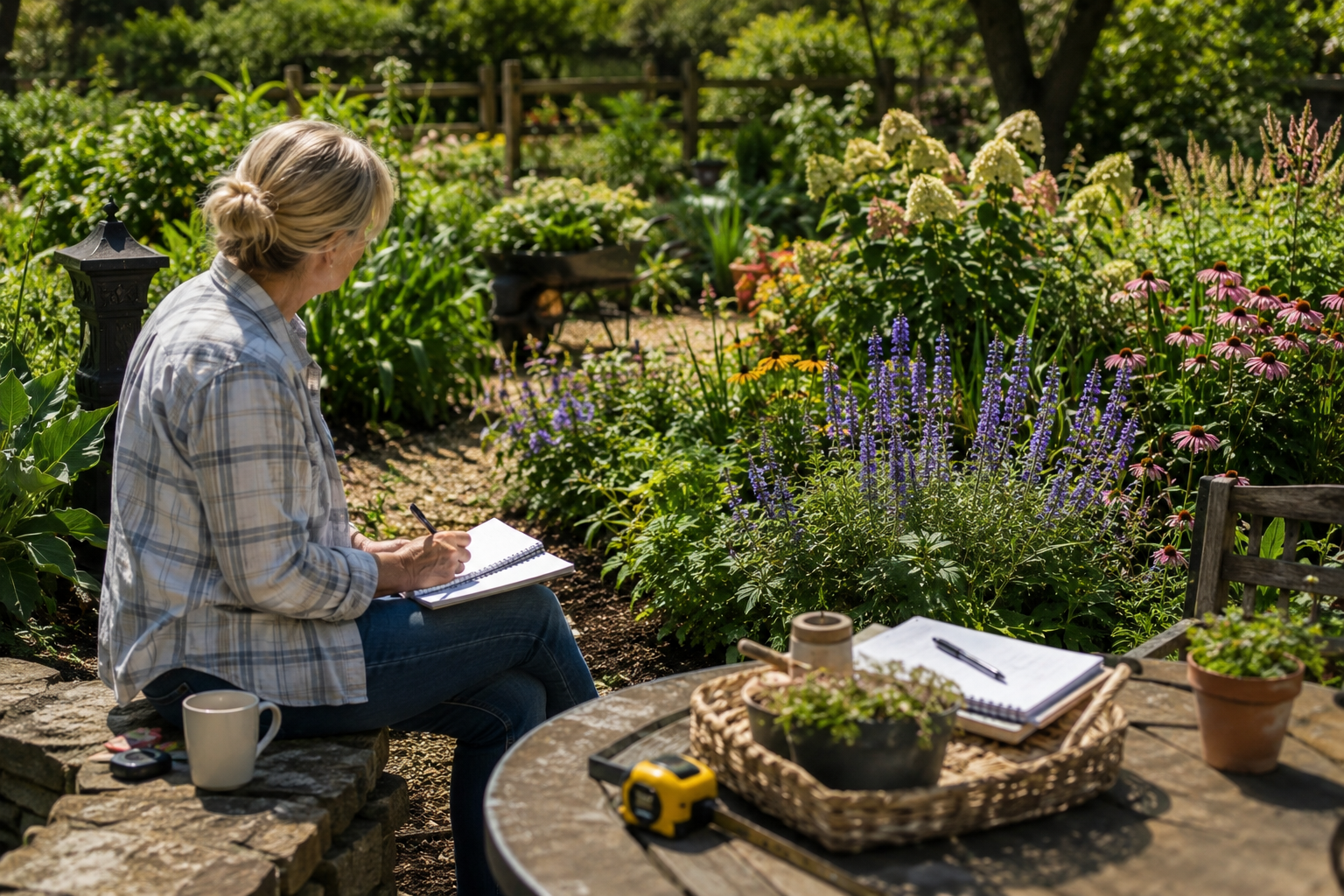
Plan a better Zone 5 garden by evaluating August color, empty spaces, plant performance and companion needs before fall planting begins.
