
🌿 Perennial Shuffles: Divide, Move, and Make Room 🌿
🌿 Perennial Shuffles: Divide, Move, and Make Room 🌿

May is one of my favorite times to rethink the garden—especially the perennial beds. Plants are waking up, the weather is perfect for digging, and you can really reshape your space before summer hits. Dividing and moving perennials isn’t just practical—it’s deeply satisfying. It’s like rearranging furniture and realizing your room suddenly works better.
🔁 Why Divide?
Over time, many perennials get too crowded. You’ll see fewer blooms, more flopping, or bare centers. Dividing helps refresh the plant, encourage better flowering, and gives you free plants to use somewhere else (or share with a friend). Hostas, daylilies, coneflowers, and more benefit from a split every few years.
🔄 Moving What’s Not Working
We’ve all done it—planted something in the wrong spot. Maybe it’s too shady, too wet, or just not thriving. Don’t let guilt keep it there. May is the time to dig it up, give it a better home, and move on. Your garden should bring you joy, not frustration.
➕ Make Room for What’s New
Let’s be honest: we’re all bringing home new plants in May. Creating space ahead of time helps you make better choices and avoid impulse overcrowding (which I still do, by the way). Use this time to add compost, fluff the soil, and get everything ready.
🌱 Pro Tips for Happy Transplants
Water well before and after you move a plant
Try to keep the root ball as intact as possible
Replant at the same depth and mulch around the base
Don’t forget to label if you’re moving something dormant!
🌸 Final thought? Don’t overthink it. Gardening is a living, growing process. If you shift things around and they thrive—great. If not, try again. The shuffle is part of the magic.
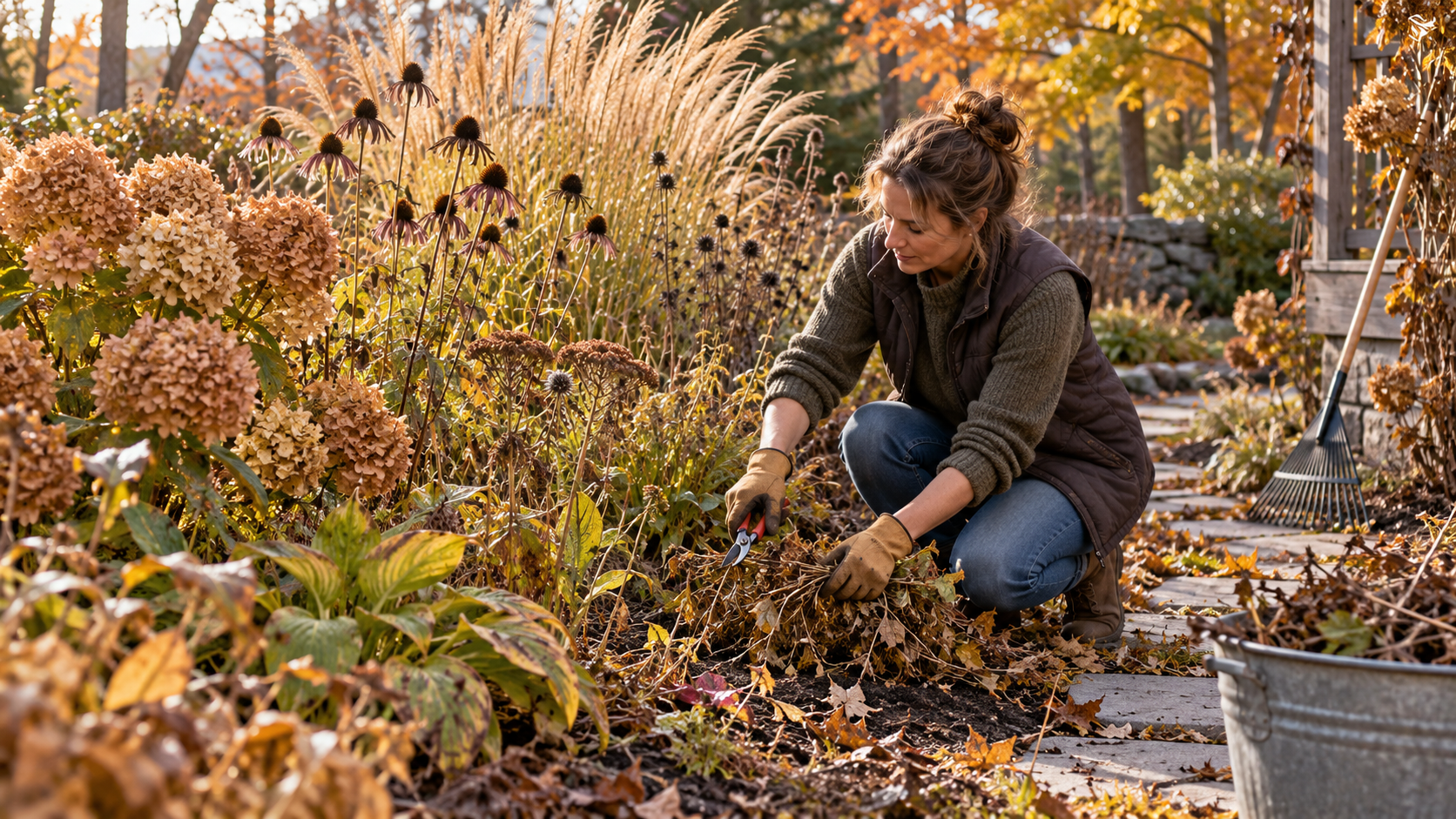
Learn what to cut back and what to leave standing during fall garden cleanup in Zone 5, plus tips for healthier beds, birds and beneficial insects.
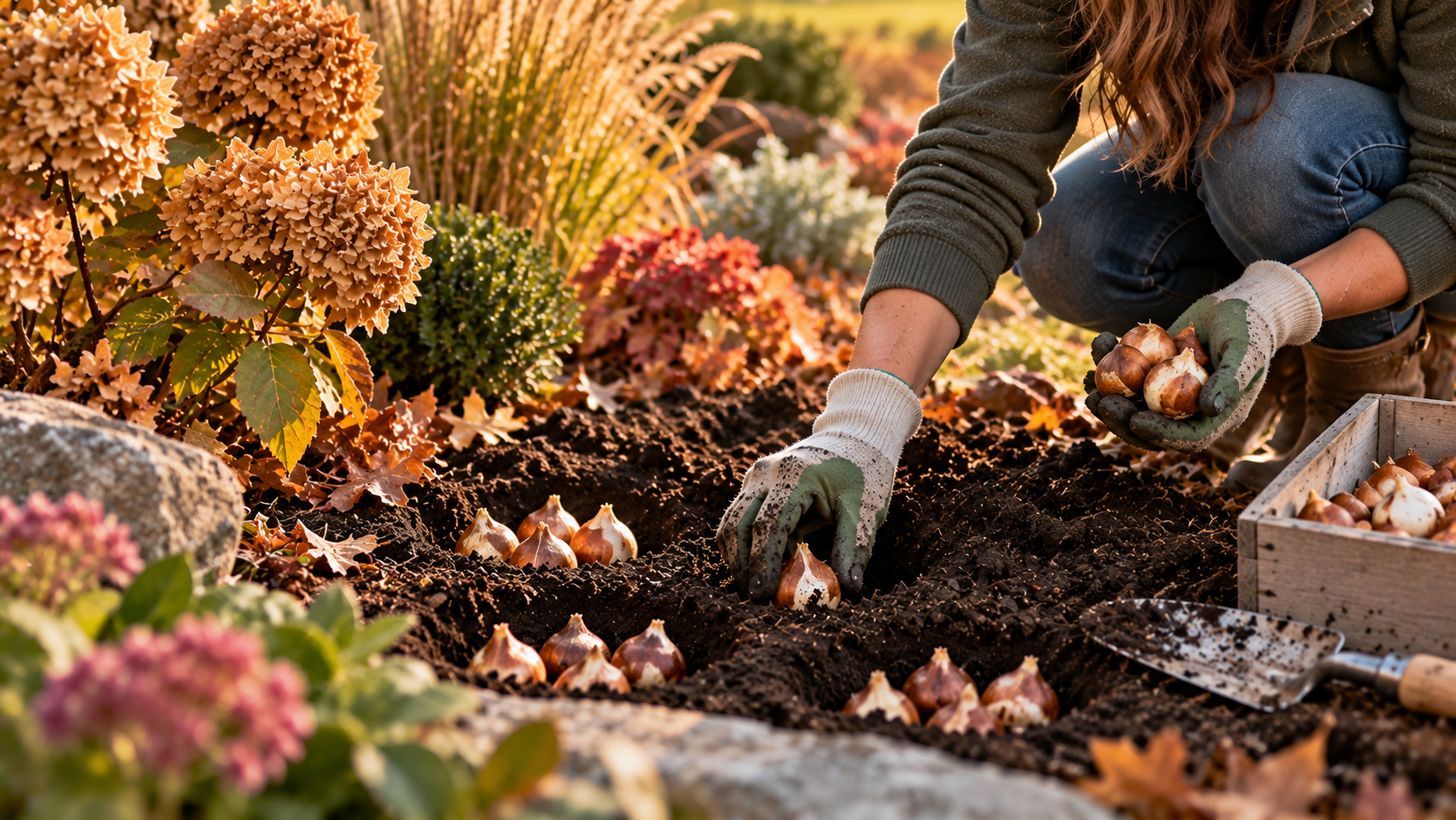
Plant spring-flowering bulbs this fall in Zone 5. Michelle shares tips for planting tulips, daffodils and alliums for beautiful spring color.
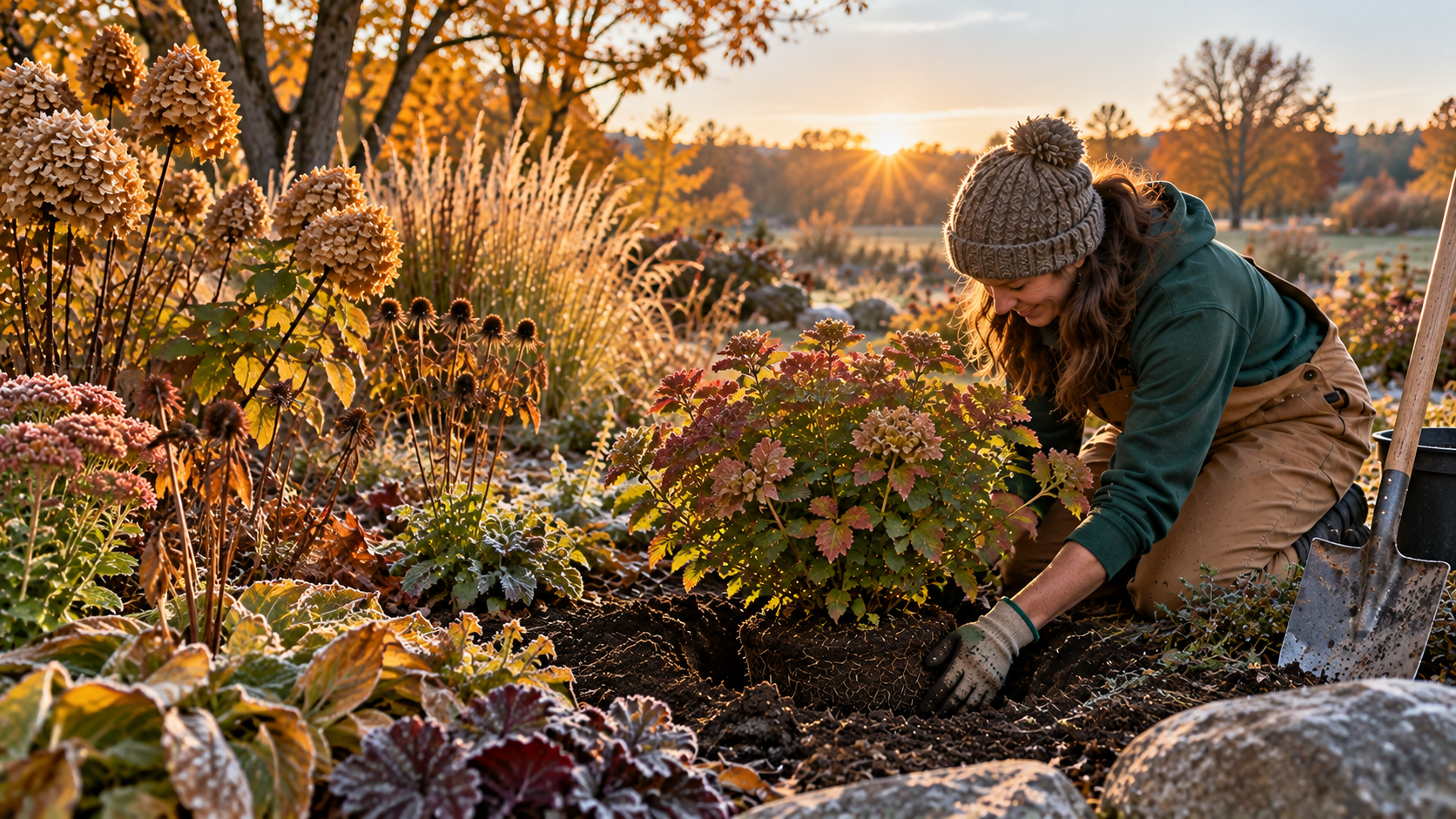
Is it too late to plant in October? Michelle explains fall planting in Zone 5, frost vs. frozen ground, and what Rockford gardeners can still plant.
Short-Tail SEO Keywords
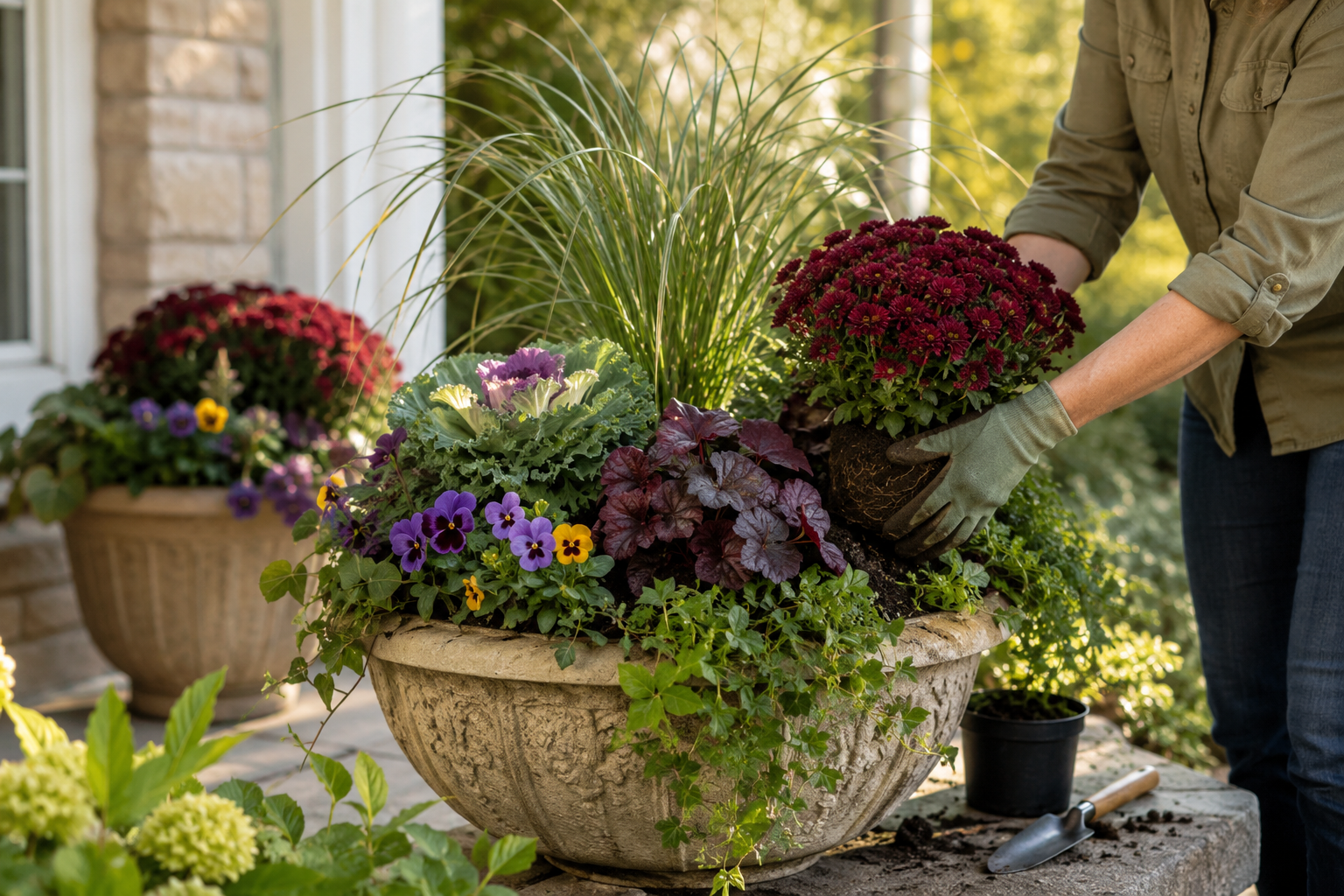
Refresh summer containers for fall with mums, pansies, kale, grasses and other cool-season favorites suited to Northern Illinois gardens.
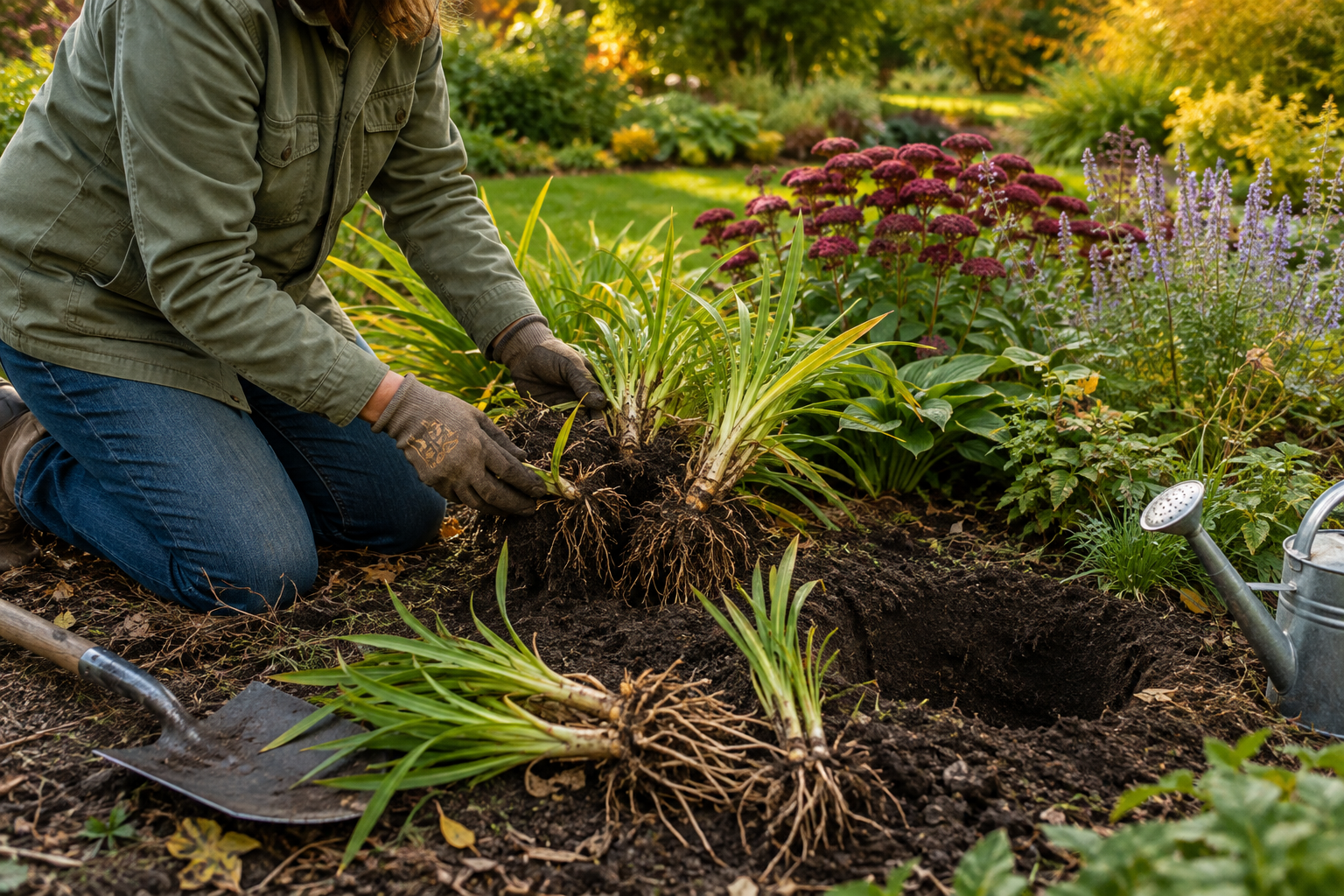
Learn when and how to divide and transplant perennials in fall, which plants to move and how to help them settle into a Zone 5 garden.
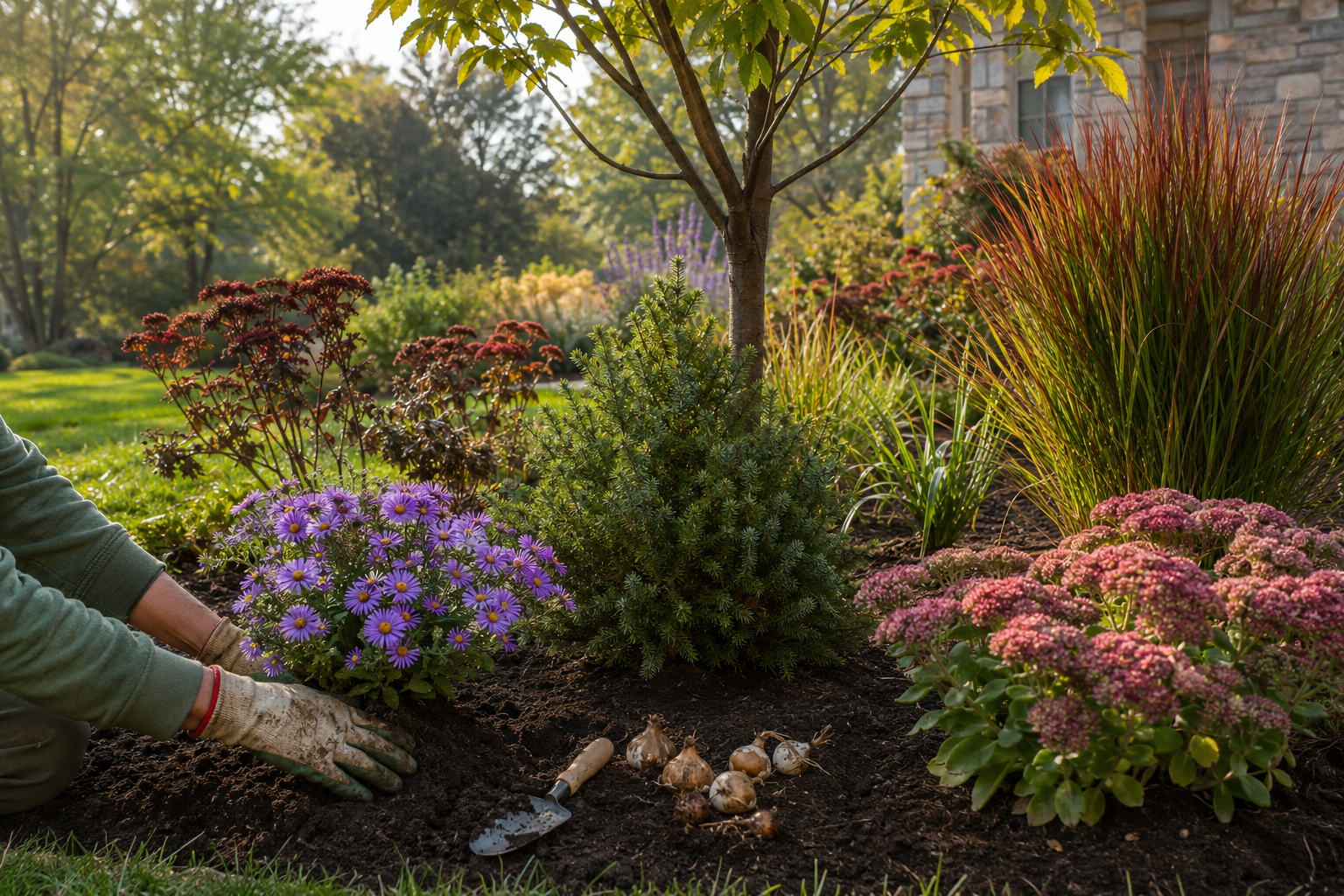
Discover why September is ideal for planting trees, shrubs, perennials and bulbs in Zone 5, plus easy tips for successful fall planting.

Refresh a tired August garden with simple tips for annuals, containers and fading plants while enjoying the second half of the Zone 5 season.

Learn how to cut, condition and care for fresh flowers so garden bouquets stay beautiful longer, from harvest time to fresh vase water.

Start planning what to plant this fall in Zone 5, including trees, shrubs, perennials, spring bulbs and cool-season vegetables.

Plan a better Zone 5 garden by evaluating August color, empty spaces, plant performance and companion needs before fall planting begins.
