
🍅 Tomatoes in the Ground: Why Mid-May is Prime Time in Zone 5 🍅
🍅 Tomatoes in the Ground: Why Mid-
May is Prime Time In Zone 5 🍅
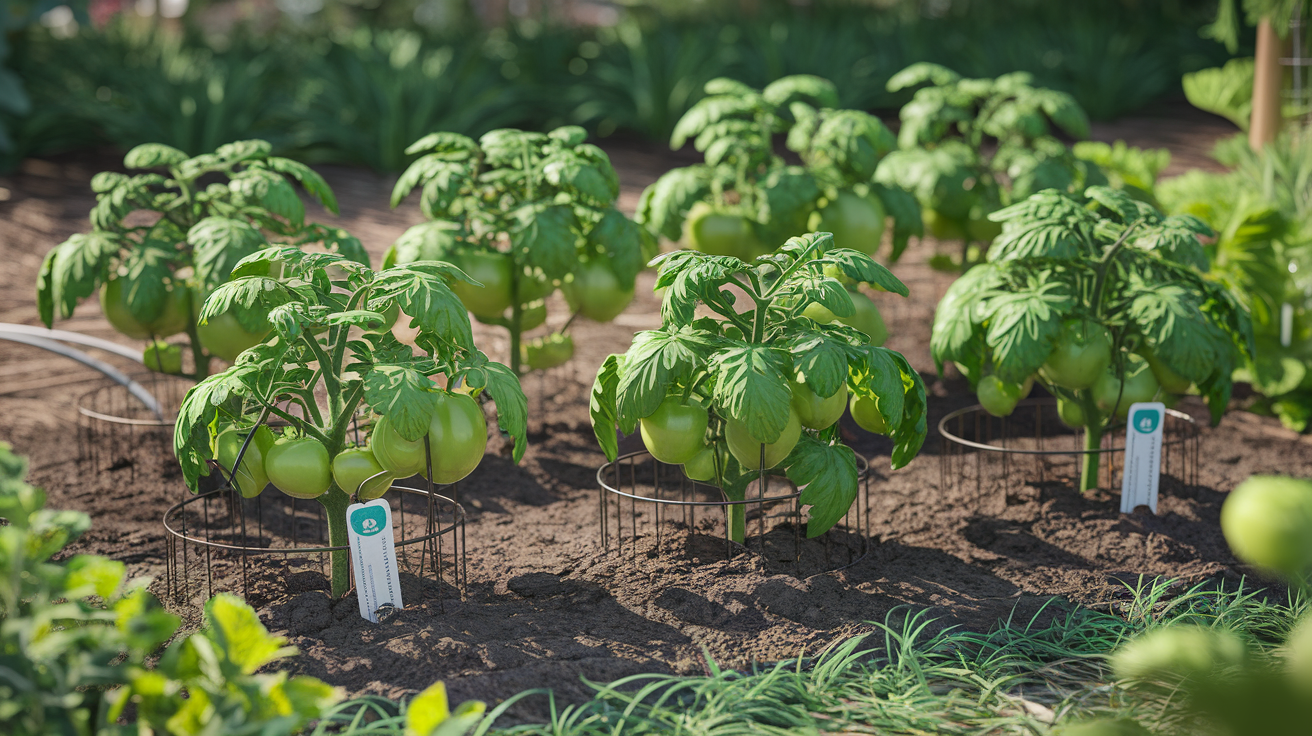
If you’ve ever rushed to plant tomatoes the second the snow melts, you’re not alone. It’s tempting—especially after a long Zone 5 winter—to get those baby plants in the ground early. But when it comes to tomatoes, patience pays off. Late-May is what I call the “sweet spot”—the time when conditions finally line up to give your tomatoes the best chance to thrive.
🌡️ The Soil Has to Be Ready
Tomatoes are heat-lovers, and planting them too early can lead to cold stress and stunted growth. What we’re really waiting for is soil temperature—not just air temp. The magic number is around 60°F or warmer at root level. You can test this with a soil thermometer, but I also go by feel: if the nights are staying above 50°F consistently, and the days are sunny and warm, it’s probably time.
💪 Strong Starts Mean Strong Plants
When planted at the right time, tomatoes can settle in quickly and spend their energy growing instead of surviving. I like to plant deep, burying part of the stem to encourage more root growth, and then add a layer of mulch around the base to hold in warmth and moisture. Support them right away with cages or stakes—don’t wait until they’ve flopped over!
🐛 Timing Prevents Pests and Disease
Planting when the soil is still too cold can delay growth, making your tomatoes more vulnerable to early blight, aphids, or root rot. On the flip side, waiting until later in May gives your plants a fighting chance against pests by encouraging faster, more vigorous growth from the start.
🌞 Final Tip: Harden Off!
If you’ve been growing your starts indoors or buying them from a greenhouse, don’t forget to harden them off—gradually introduce them to outdoor conditions over a week. Start with a shady spot and increase their sun exposure each day. You’ll reduce transplant shock and make the adjustment smoother.
🌿 Bottom line? Waiting until later in May isn’t late—it’s smart. When your tomatoes hit warm soil, they’ll thank you by growing faster, flowering sooner, and producing bigger harvests. Trust the timing—and you’ll reap the rewards.
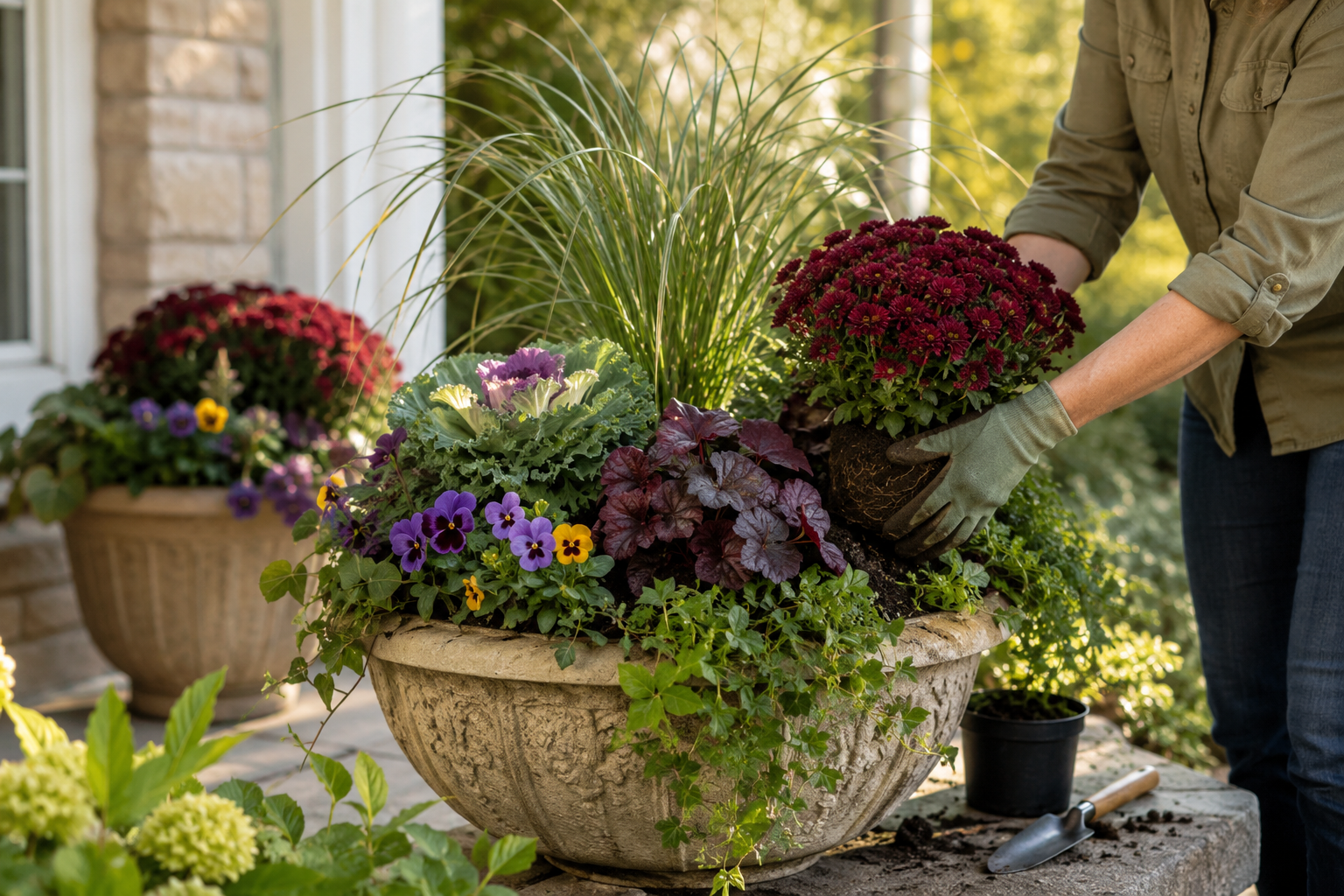
Refresh summer containers for fall with mums, pansies, kale, grasses and other cool-season favorites suited to Northern Illinois gardens.
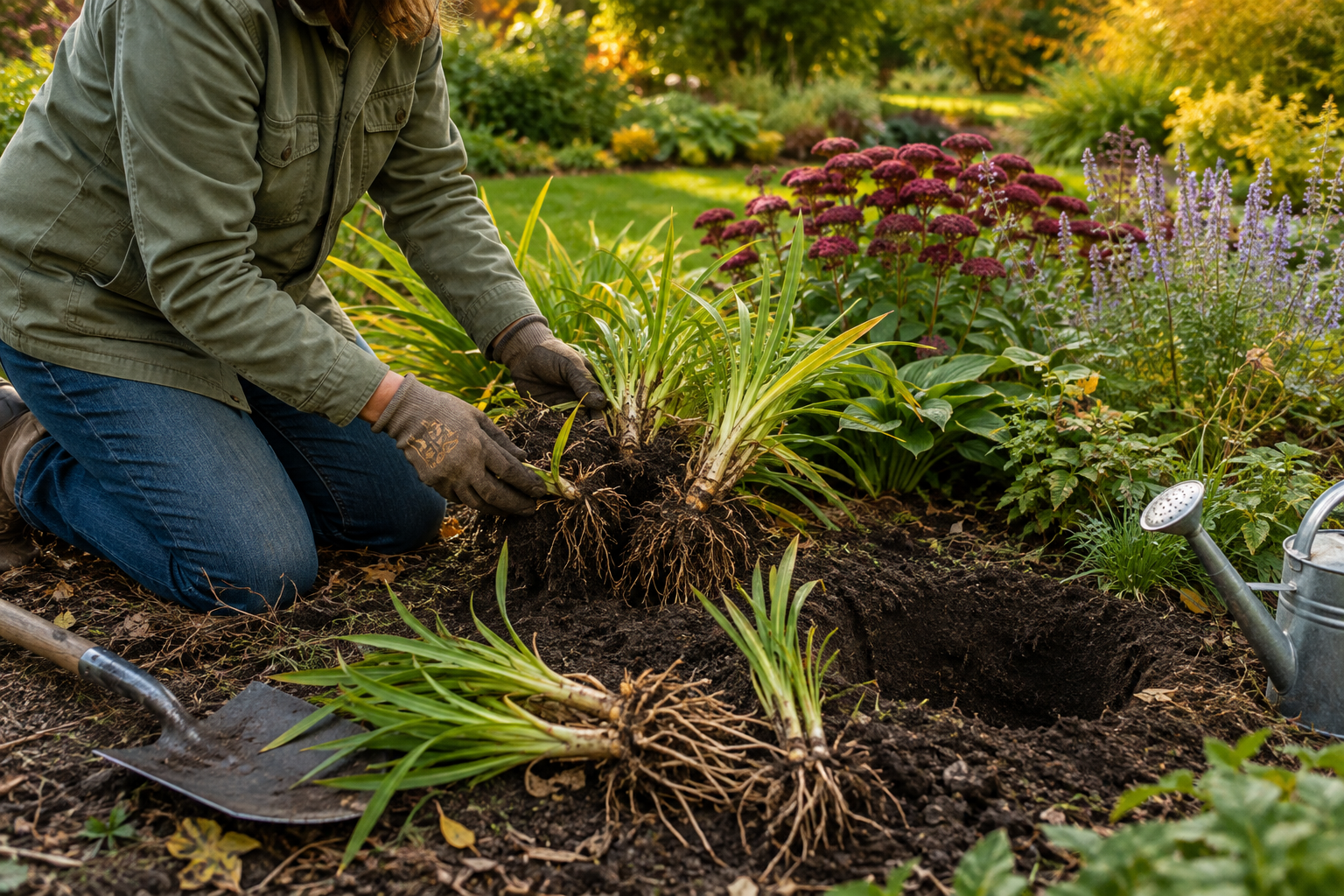
Learn when and how to divide and transplant perennials in fall, which plants to move and how to help them settle into a Zone 5 garden.
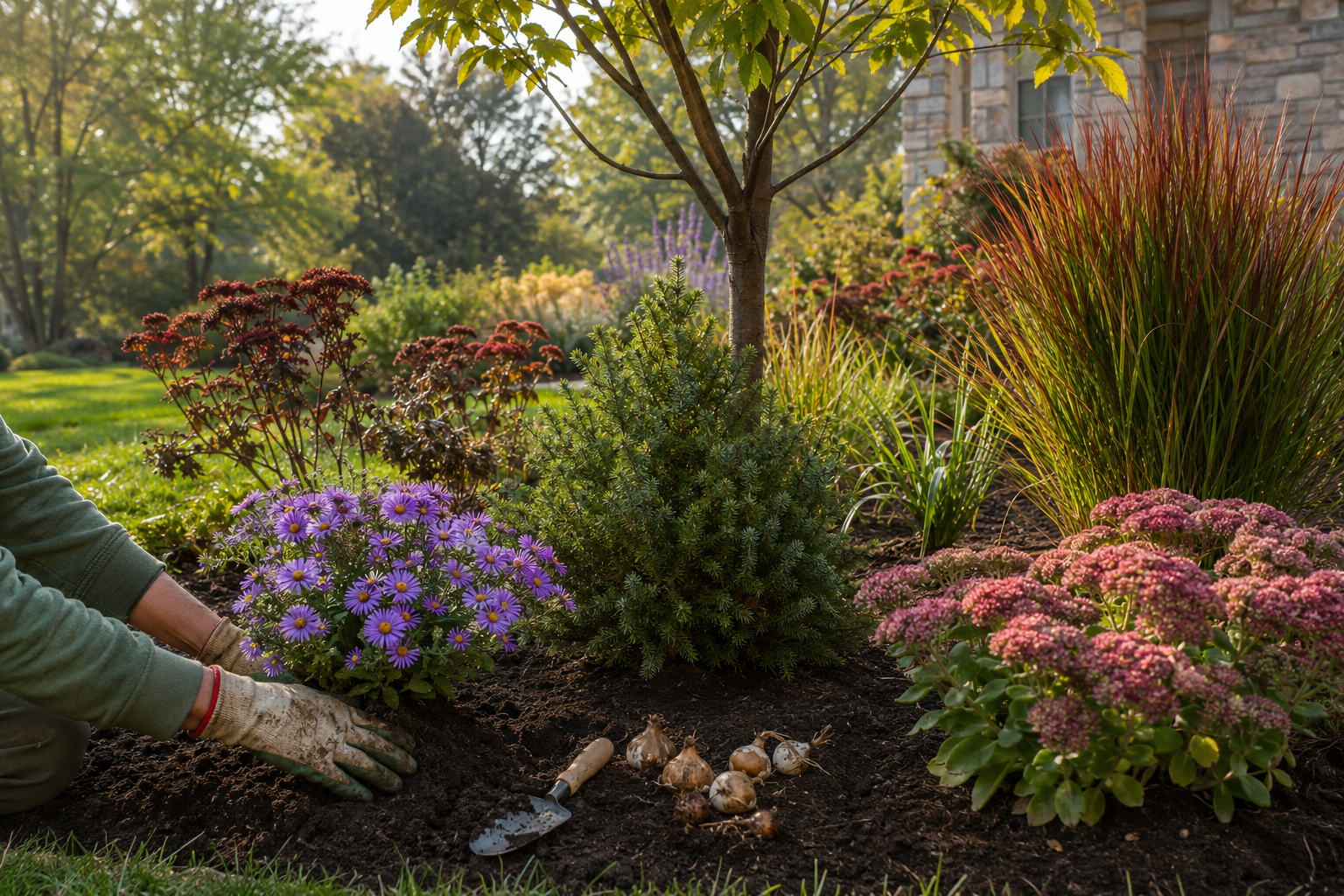
Discover why September is ideal for planting trees, shrubs, perennials and bulbs in Zone 5, plus easy tips for successful fall planting.

Refresh a tired August garden with simple tips for annuals, containers and fading plants while enjoying the second half of the Zone 5 season.

Learn how to cut, condition and care for fresh flowers so garden bouquets stay beautiful longer, from harvest time to fresh vase water.
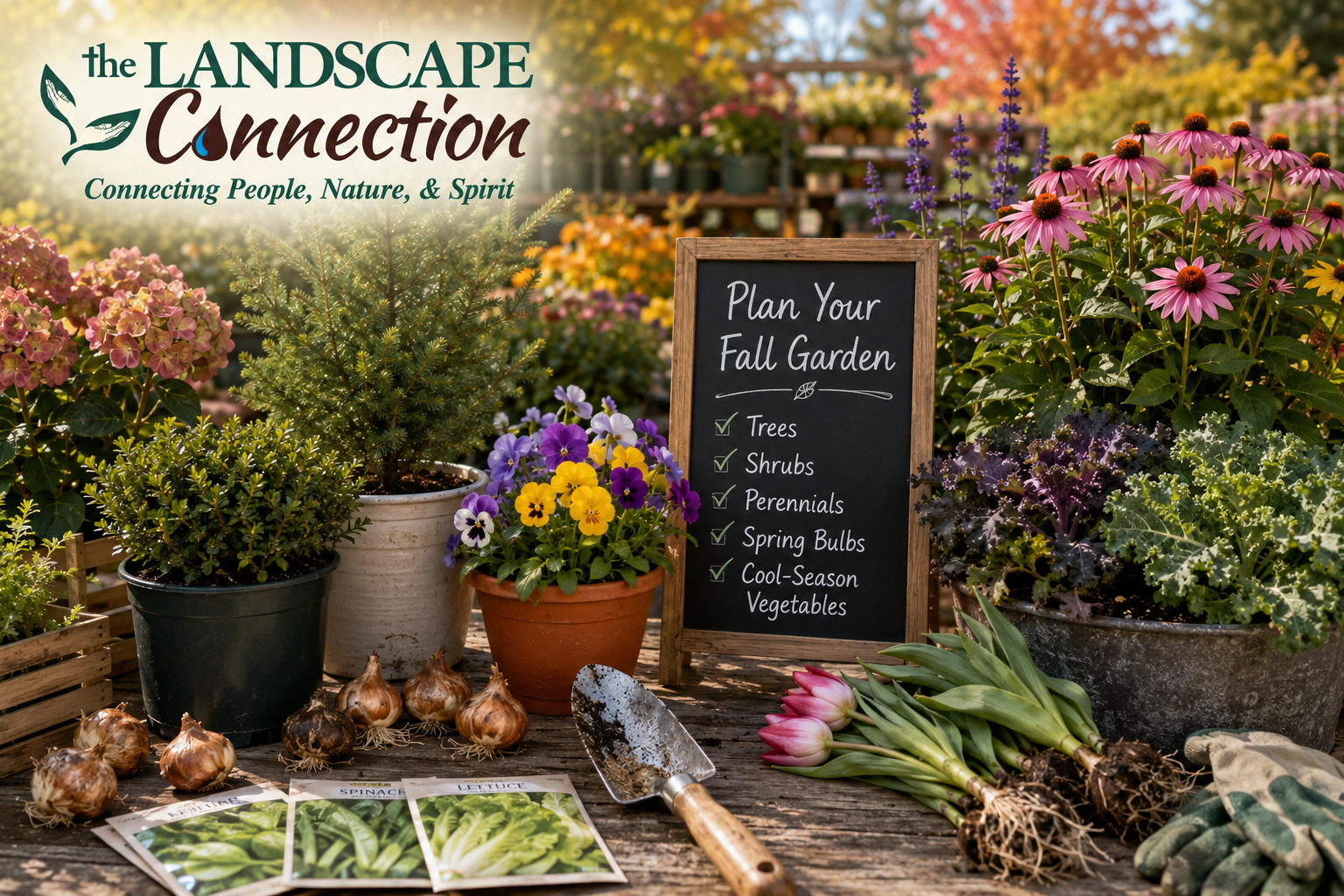
Start planning what to plant this fall in Zone 5, including trees, shrubs, perennials, spring bulbs and cool-season vegetables.

Plan a better Zone 5 garden by evaluating August color, empty spaces, plant performance and companion needs before fall planting begins.
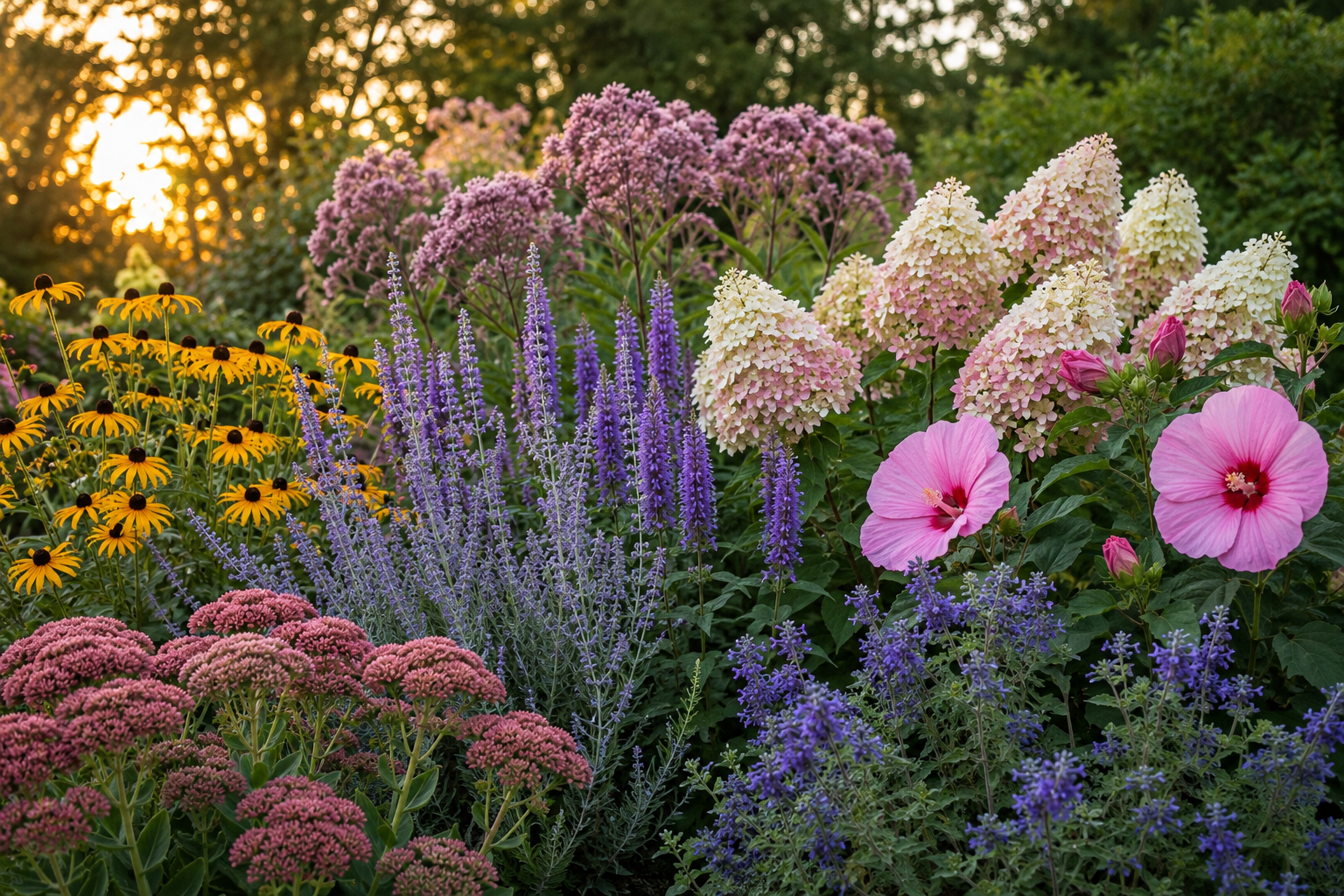
Discover eight plants that bring dependable late-summer color to Zone 5 gardens, from Black-eyed Susan and sedum to hydrangeas and hibiscus.
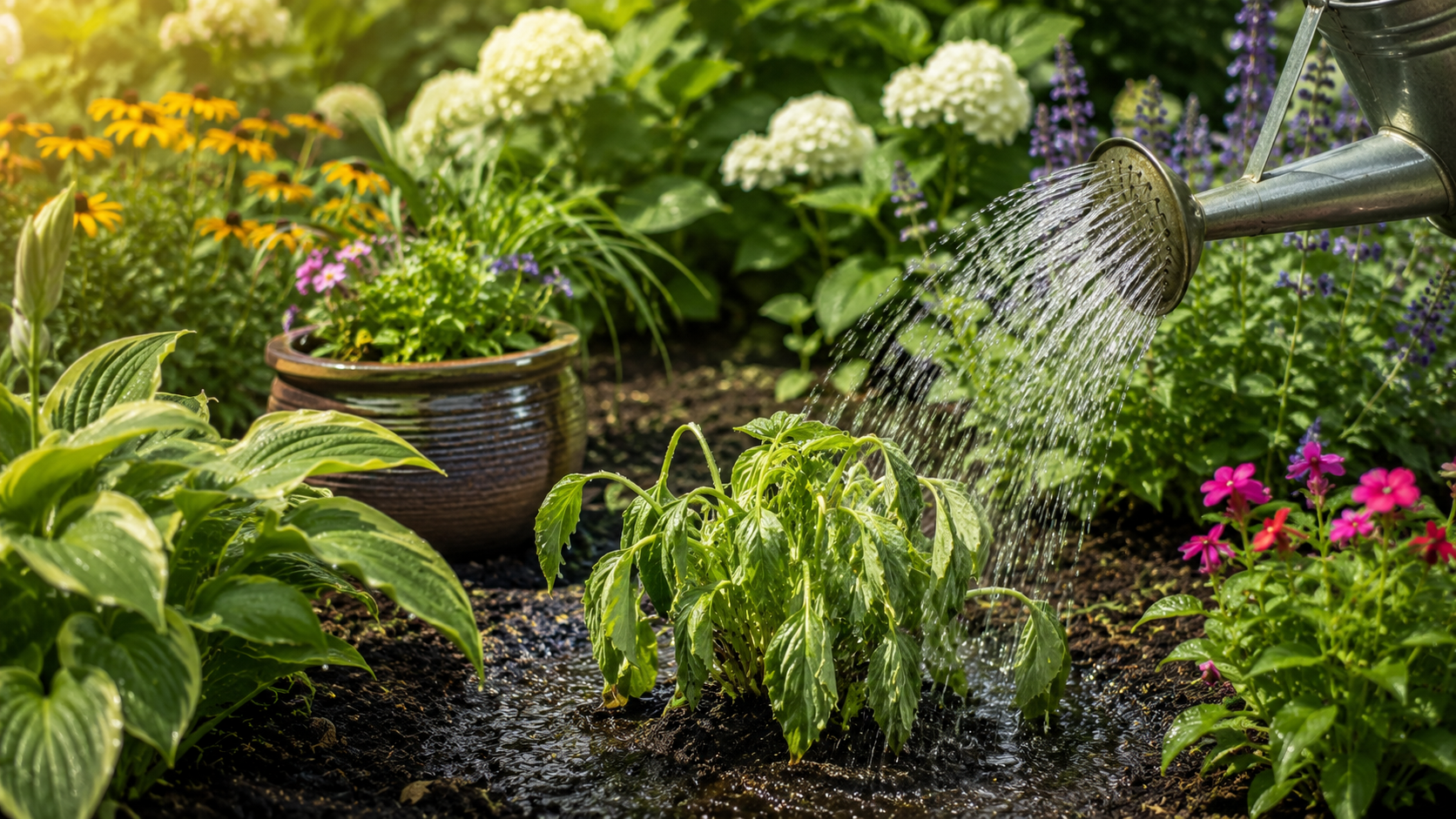
Learn how to tell the difference between heat stress and drought stress, plus proper watering tips to keep your garden healthy all summer.

Learn why your hydrangea isn't blooming, including pruning mistakes, old wood vs. new wood, winter damage, shade, and fertilizer tips.
